How to Style an Eclectic Bathroom Without Feeling Overwhelmed

Introduction:
An eclectic bathroom can be one of the most rewarding spaces to design because it allows you to combine different styles, materials, and personal touches into a room that feels truly unique. Yet many people hesitate because they’re afraid the finished result will look busy instead of beautiful.
If you’ve ever wondered how to mix vintage finds with modern fixtures, coordinate bold patterns without creating clutter, or build a bathroom that feels collected rather than chaotic, you’re in the right place. This guide explains the design principles behind successful layered interiors in a practical, beginner-friendly way.
In my experience, the biggest difference between an inspiring bathroom and an overwhelming one isn’t the budget—it’s understanding how every design decision works together. Throughout this guide, you’ll learn how to create balance, choose cohesive colors, combine textures, plan lighting, organize storage, and personalize your space with confidence. By the end, you’ll have a clear framework for designing a bathroom that reflects your personality while remaining functional, timeless, and visually harmonious.
Understanding What Makes This Design Style Unique
Creating a space with personality begins by understanding what defines this distinctive decorating approach. Rather than following one strict trend, it combines influences from different periods, cultures, materials, and colors to create a room that feels collected over time. Instead of matching every fixture and accessory perfectly, the goal is thoughtful contrast balanced by visual harmony. Research shows people often find layered interiors more memorable because they reflect individuality while still feeling intentional. That balance separates creative design from spaces that appear random or overwhelming.
Many homeowners initially worry that mixing styles automatically creates visual chaos, yet the opposite is often true when each choice serves a purpose. In my experience, the most successful interiors tell a story through carefully selected details rather than expensive purchases alone. A vintage mirror, handcrafted pottery, or contemporary lighting can comfortably coexist when connected by repeating colors, finishes, or textures. Understanding these underlying principles provides confidence before choosing furniture, finishes, and decorative accents, making future design decisions feel much more manageable and consistent.
Why Balance Matters More Than Perfect Matching
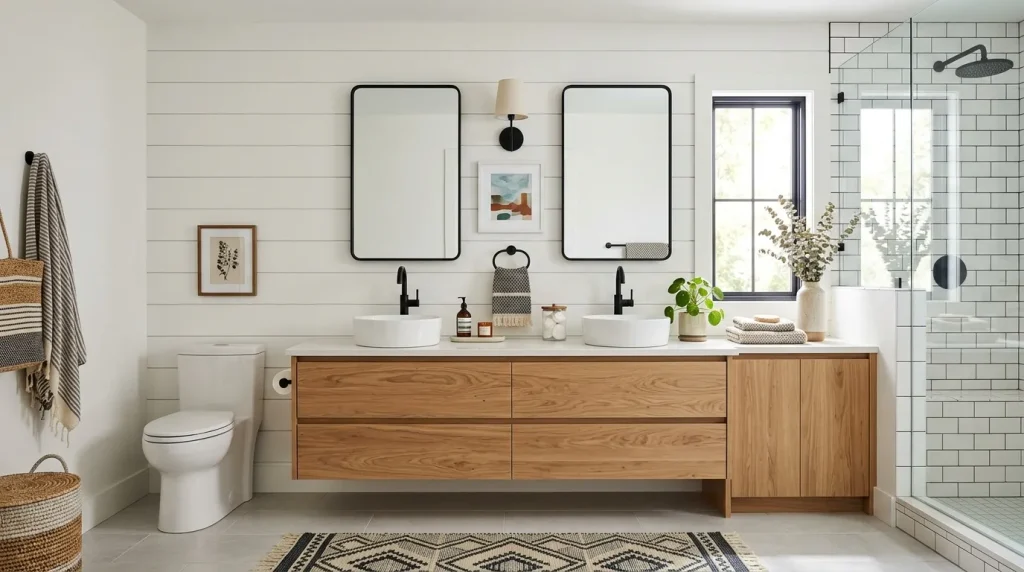
One of the biggest misconceptions about decorating is believing every item must belong to the same collection or design period. In reality, visual balance creates comfort far more effectively than perfect coordination. Rooms become easier to enjoy when bold pieces are offset with quieter elements, allowing the eye to move naturally throughout the space. Designers frequently rely on proportion, spacing, and repetition instead of identical materials because these principles create a sense of order while preserving personality and visual interest.
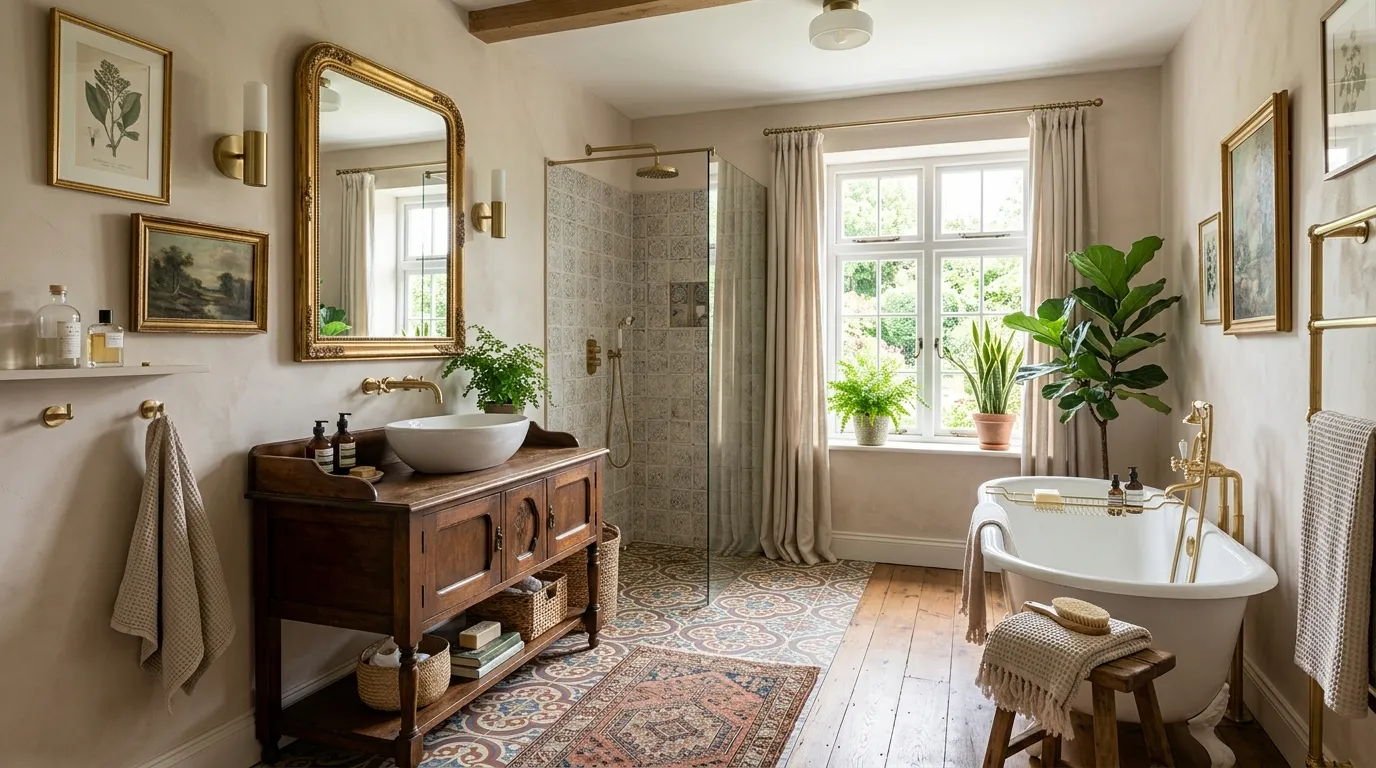
I’ve noticed that homeowners who prioritize balance often make decorating decisions with greater confidence because they focus on relationships between objects instead of strict decorating rules. For example, a dramatic patterned floor can pair beautifully with simple walls, while colorful accessories become more effective against neutral backgrounds. Repeating similar finishes across hardware, lighting, and frames also creates subtle consistency. These thoughtful connections help different influences feel unified, ensuring the finished room appears intentional rather than crowded or visually exhausting.
How to Choose a Cohesive Color Foundation
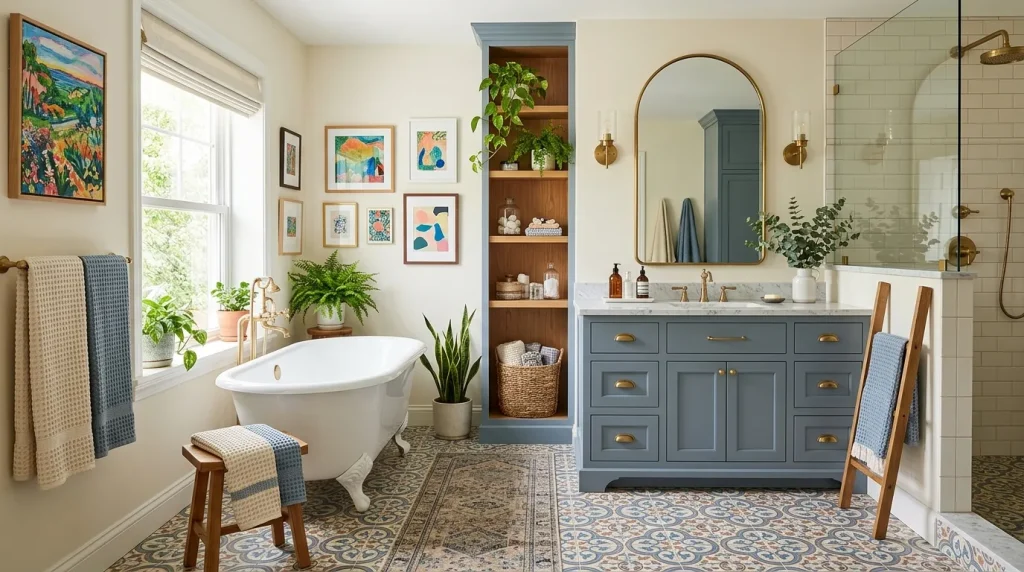
Choosing colors before shopping for accessories creates a reliable framework that simplifies every later decision. A well-planned palette helps diverse materials and decorative pieces feel naturally connected, even when they come from different styles or decades. Many professionals recommend beginning with two or three dominant colors, then introducing smaller accent shades through artwork, textiles, or decorative objects. This approach prevents visual competition while still leaving plenty of room for creativity and personal expression throughout the design process.
A consistent color foundation also makes future updates easier because new additions already have an established visual guide. Instead of replacing everything during seasonal changes or renovations, homeowners can simply swap towels, artwork, or decorative accents while maintaining overall harmony. Research consistently shows that cohesive color relationships improve perceptions of organization and comfort within interior spaces. By letting the palette guide your decisions, decorating becomes less stressful and significantly more enjoyable from beginning to end.
How to Mix Patterns Without Creating Visual Clutter
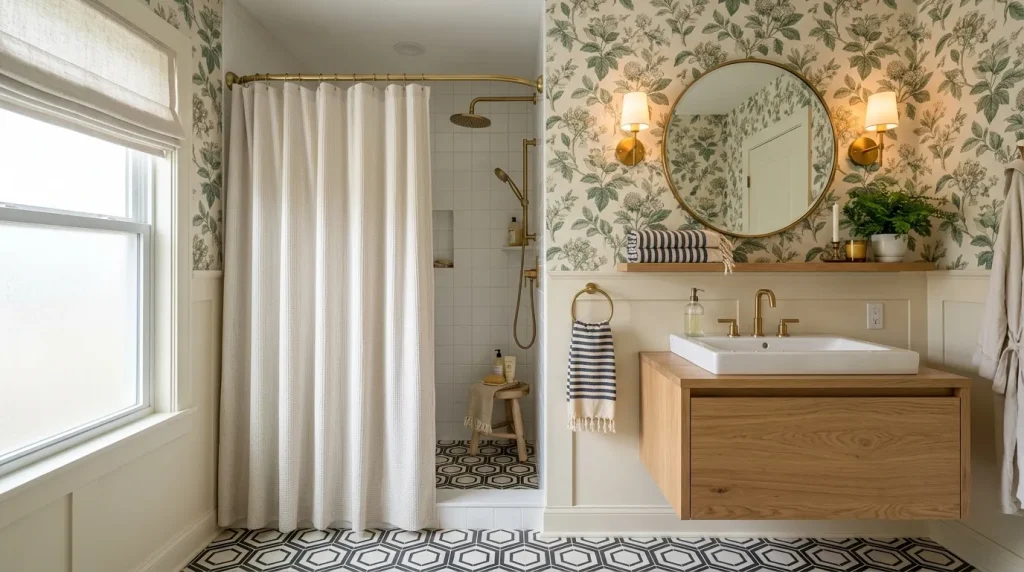
Mixing patterns can feel intimidating, yet thoughtful planning makes the process surprisingly approachable. Instead of choosing prints with similar sizes and intensity, vary their scale so each design has room to stand out. A large botanical wallpaper, medium geometric flooring, and finely striped textiles naturally complement one another without competing. Designers often recommend limiting bold patterns to a few focal areas while allowing surrounding surfaces to remain visually quieter. This strategy creates rhythm throughout the room and prevents decorative elements from overwhelming the overall design.
In my experience, repeating one or two colors across different patterns instantly creates a stronger sense of cohesion. Even when prints come from different inspirations, shared hues help the eye connect them naturally. Neutral backgrounds also provide valuable breathing room, allowing decorative surfaces to feel intentional rather than crowded. Before committing to permanent finishes, arranging fabric samples, paint swatches, and tile selections together under natural lighting helps reveal whether the overall composition feels balanced, comfortable, and visually harmonious.
The Role of Texture in Creating Visual Harmony
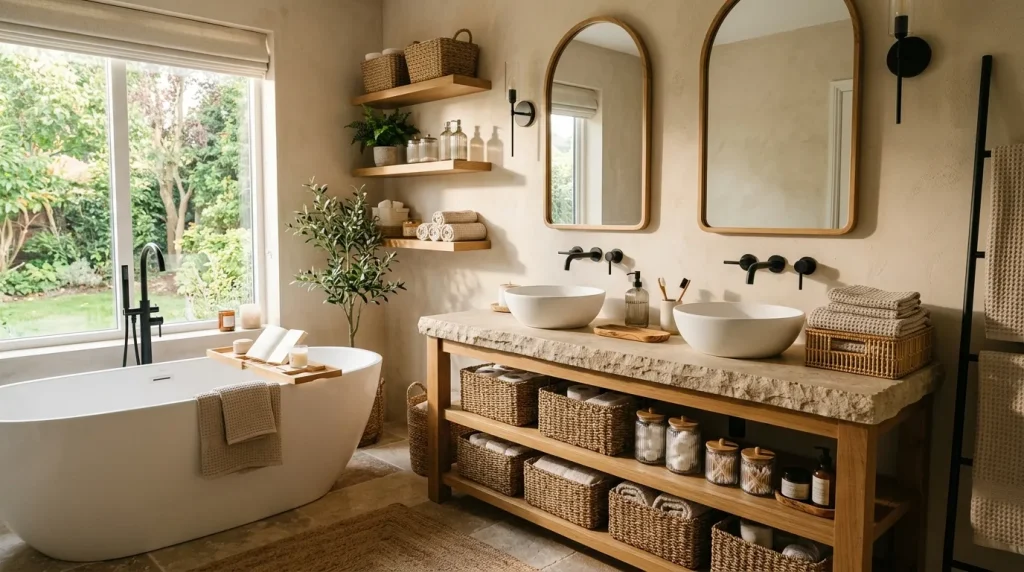
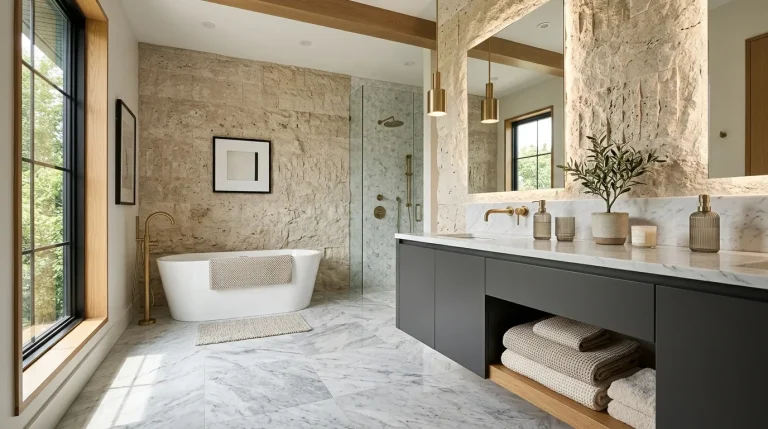
Texture often has a greater impact than color alone because it introduces depth and dimension throughout a space. Smooth ceramics, rough stone, woven fibers, polished metals, and natural wood each contribute distinct visual qualities that make a room feel layered rather than flat. When thoughtfully combined, these materials create richness without requiring excessive decoration. Many interior designers rely on texture to soften bold color palettes, strengthen minimalist layouts, or connect contrasting decorative influences into one cohesive environment that feels welcoming.
I’ve observed that bathrooms with varied textures generally appear more comfortable and inviting, even when the color palette remains simple. Plush towels, handcrafted pottery, textured wall finishes, and woven storage baskets each contribute subtle character while serving practical purposes. Layering materials thoughtfully also improves the sensory experience, making everyday routines feel more enjoyable. Instead of adding additional decorative objects, focusing on tactile variety often delivers a more sophisticated result while maintaining visual clarity and reducing unnecessary clutter.
Why Lighting Shapes the Overall Atmosphere
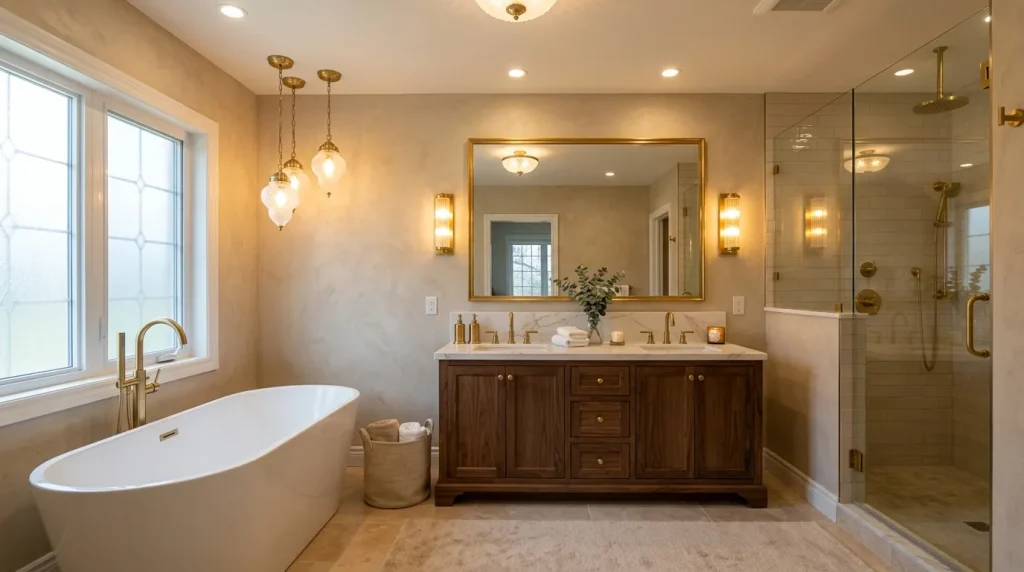
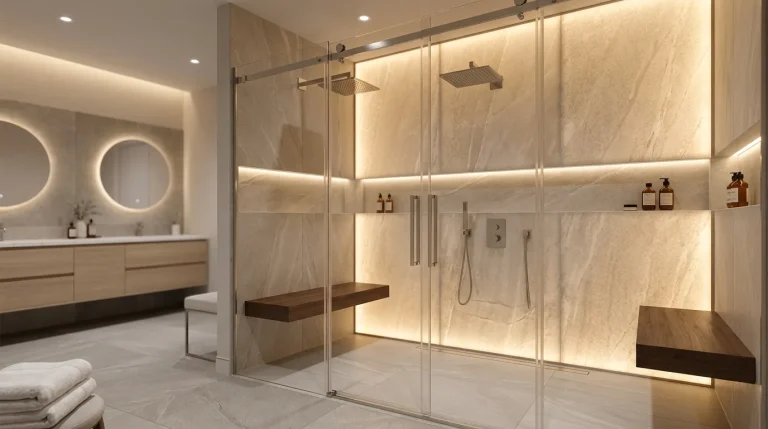
Lighting influences how every material, color, and texture appears throughout a room. Even carefully selected finishes may seem dull or overwhelming under poor illumination. Layering multiple light sources allows the environment to adapt to different needs, from bright morning routines to relaxing evening baths. The same layered approach is often used in minimalist kitchen designs, where balanced lighting helps highlight clean lines while keeping the space warm and inviting. Designers frequently recommend combining ambient, task, and accent lighting because each serves a distinct purpose while contributing to a more comfortable and visually balanced interior that functions well throughout the day.
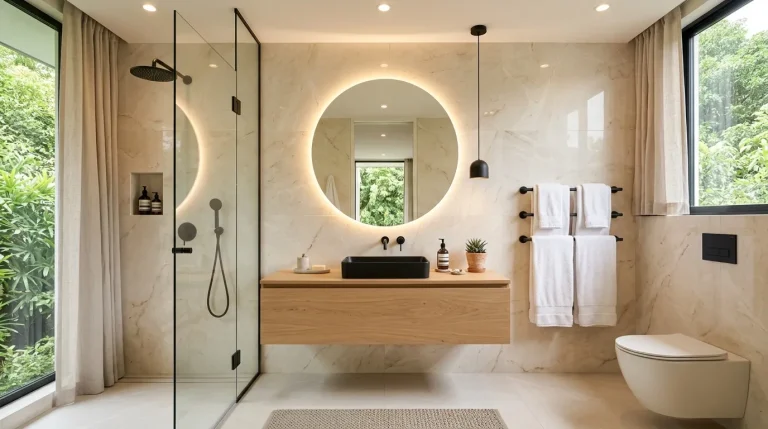
Research consistently highlights the connection between lighting quality and overall comfort within residential spaces. Warm-toned fixtures often create a welcoming atmosphere, while strategically placed mirrors help distribute natural and artificial light more effectively. I’ve noticed that even small bathrooms feel noticeably larger when shadows are softened and dark corners receive additional illumination. Investing in flexible lighting solutions enhances both appearance and functionality, ensuring decorative details remain attractive while supporting practical everyday activities with greater ease.
What Storage Solutions Keep the Space Organized
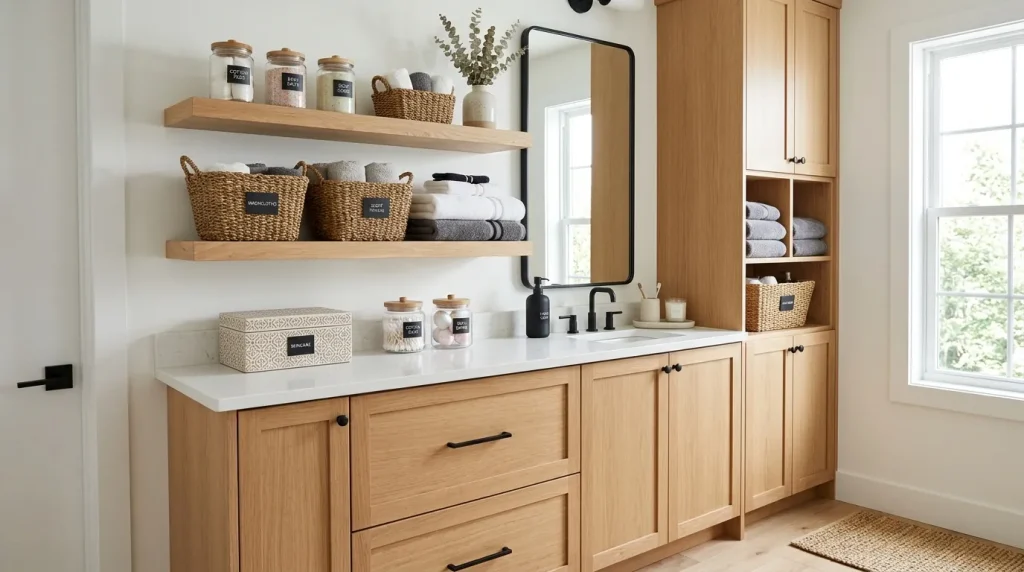
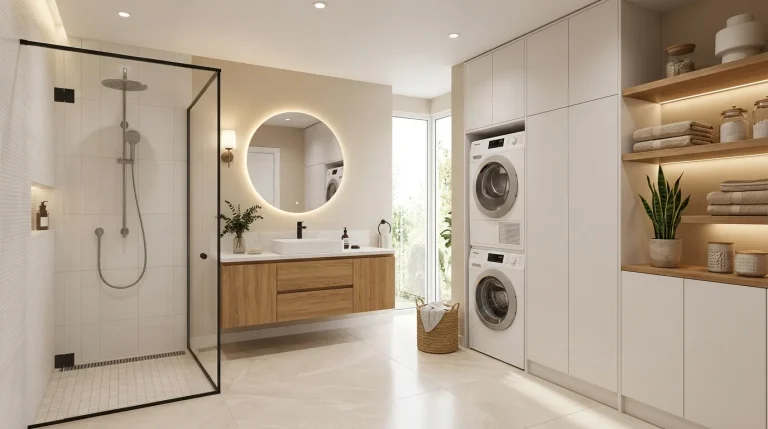
Thoughtful storage is essential for maintaining a beautiful bathroom because even the most attractive design loses its impact when everyday items accumulate on visible surfaces. Creating dedicated places for toiletries, cleaning products, and extra linens reduces visual distractions while making routines more efficient. Built-in cabinets, floating shelves, and multifunctional furniture all provide valuable organization without sacrificing style. Many professionals recommend planning storage early in the design process so practical needs are seamlessly integrated into the finished layout rather than added later.
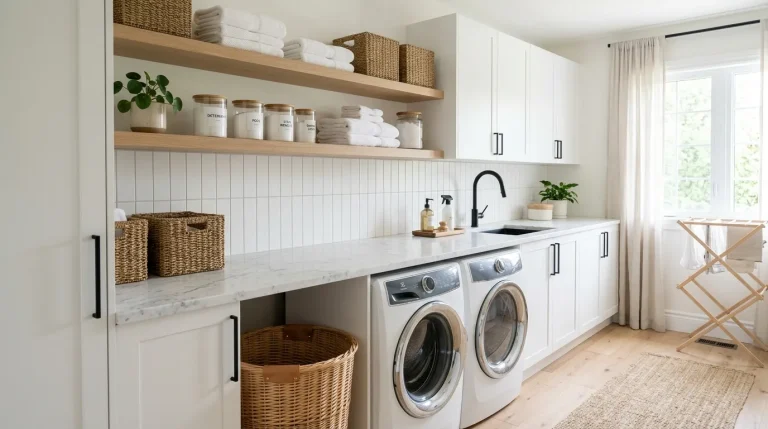
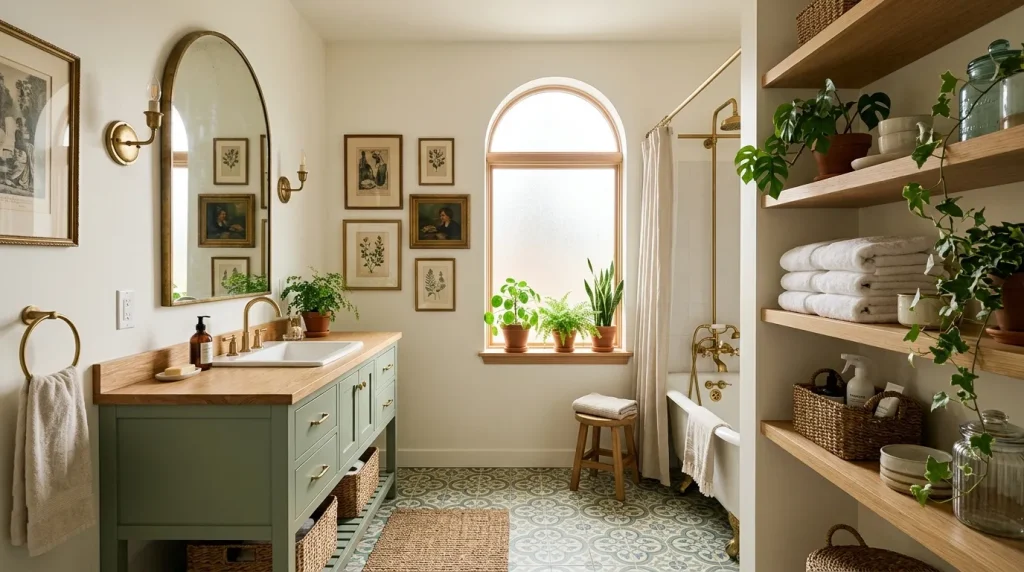
In my experience, combining concealed storage with carefully displayed essentials produces the most balanced results. Closed cabinets keep frequently used items out of sight, while open shelving offers space for attractive containers, plants, or decorative accents that reinforce the room’s character. Clear organization also simplifies cleaning and reduces the likelihood of unnecessary clutter building over time. By treating storage as an important design feature instead of an afterthought, homeowners can preserve both functionality and visual harmony for years to come.
How to Select Materials That Work Together
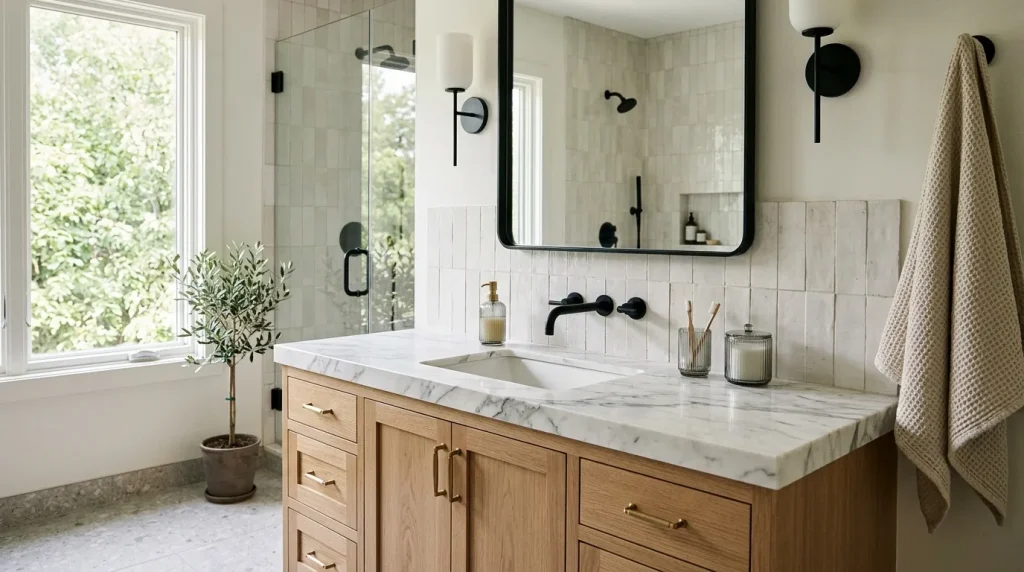
Choosing materials thoughtfully creates a strong foundation for a bathroom that feels cohesive rather than disconnected. Instead of selecting every finish independently, consider how wood, stone, metal, glass, and ceramics interact when viewed together. Each material contributes its own visual weight, texture, and character, making balance more important than uniformity. Many designers recommend narrowing selections before shopping to avoid impulse purchases that may clash with the overall vision. This deliberate process results in a space that feels refined, practical, and visually consistent.
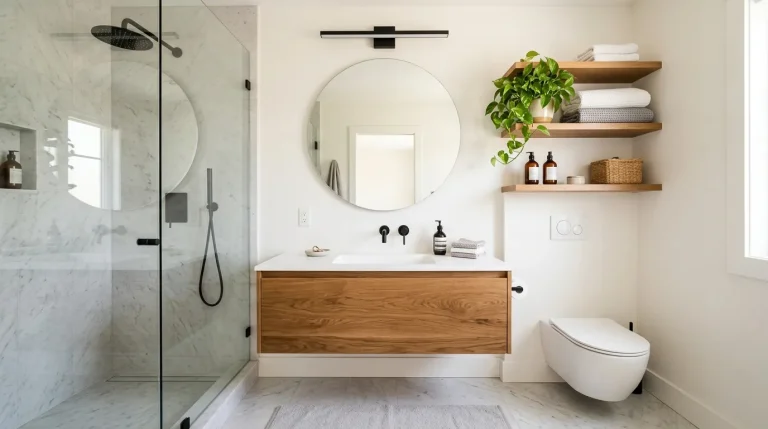
I’ve found that limiting the number of dominant materials makes decorating much less stressful while still allowing plenty of personality. For example, pairing warm wood with natural stone and one consistent metal finish creates a timeless framework that accommodates changing accessories over time. Research suggests people perceive coordinated material palettes as calmer and more organized because repeated finishes create subtle visual connections. These relationships help every design decision support the overall composition instead of competing for attention.
How to Create Visual Flow Throughout the Room
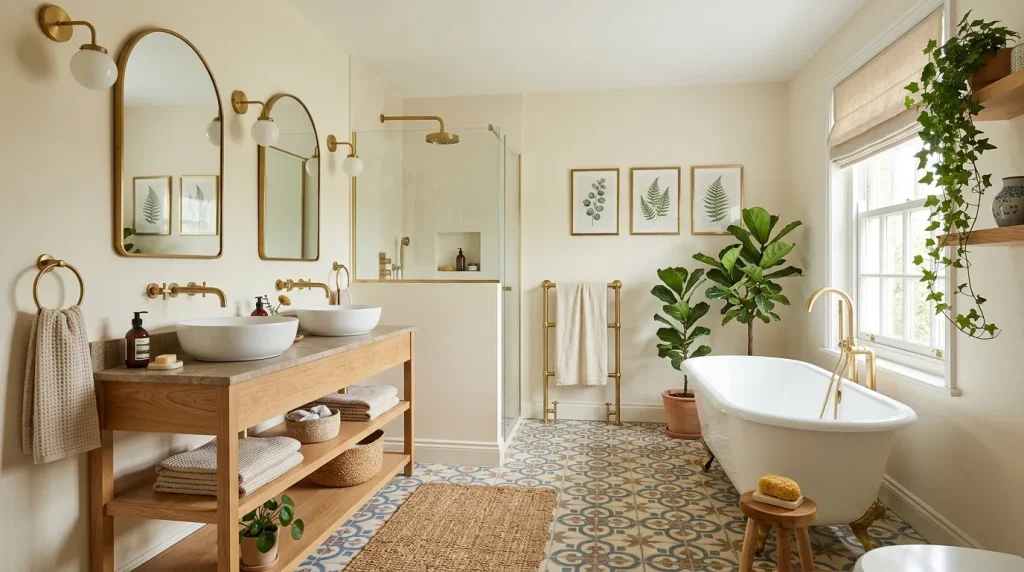
A well-designed bathroom feels comfortable because the eye naturally moves from one feature to the next without interruption. This sense of visual flow comes from repeating colors, materials, shapes, or finishes throughout the room. Rather than introducing entirely new elements in every corner, thoughtful repetition creates familiarity while allowing distinctive features to remain memorable. Designers often rely on this principle because it encourages balance, reduces visual confusion, and helps different decorative influences feel connected within one cohesive environment that appears intentional instead of accidental.
In my experience, repeating subtle details produces stronger results than duplicating large statement pieces. Matching cabinet hardware with lighting finishes or echoing accent colors through artwork and textiles creates consistency without making the room feel predictable. Research into interior perception suggests that repeated visual cues improve the feeling of order and comfort because the brain recognizes familiar patterns. Establishing these connections allows bold decorative choices to feel grounded while supporting a calm, welcoming atmosphere throughout the entire space.
How to Maintain Lasting Style and Everyday Function
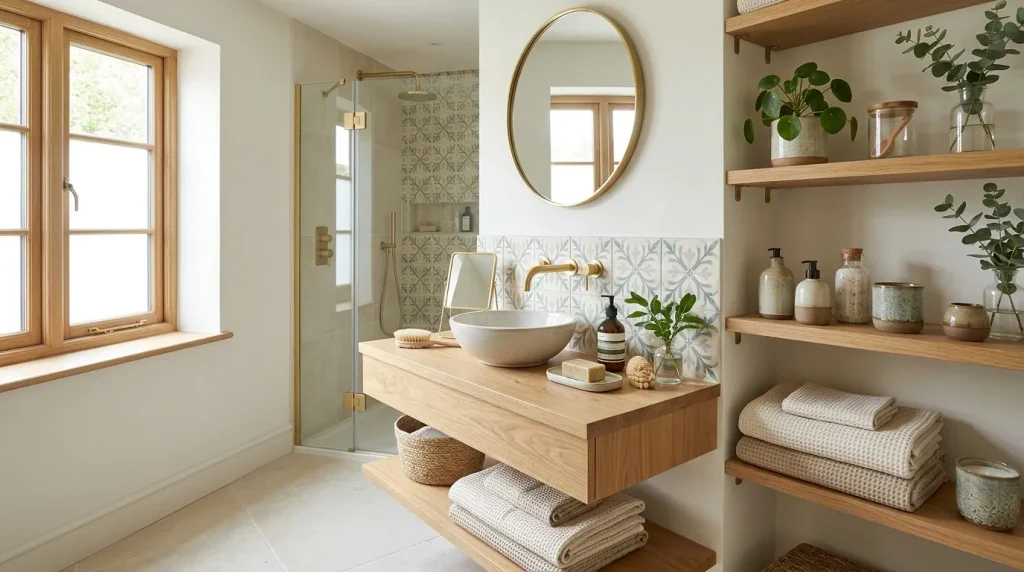
A beautifully designed bathroom retains its appeal when everyday maintenance supports the original vision. Regular cleaning, thoughtful organization, and small preventive tasks help preserve finishes, protect decorative accents, and extend the life of quality materials. Rather than waiting for clutter or wear to become noticeable, creating simple weekly habits keeps the room consistently inviting. Many professionals recommend viewing maintenance as part of the design process because even the most carefully planned interior gradually loses its impact without consistent attention and care.
In my experience, practical routines make beautiful spaces easier to enjoy over the long term. Returning accessories to designated places, replacing worn textiles promptly, and caring for natural materials prevent unnecessary deterioration while preserving visual harmony. Periodically reassessing decorative arrangements also helps identify opportunities to simplify or refresh the space without major expense. These small, consistent habits ensure the bathroom continues to feel welcoming, organized, and functional while reflecting the thoughtful design choices made from the beginning.
Bringing Every Design Element Together Confidently
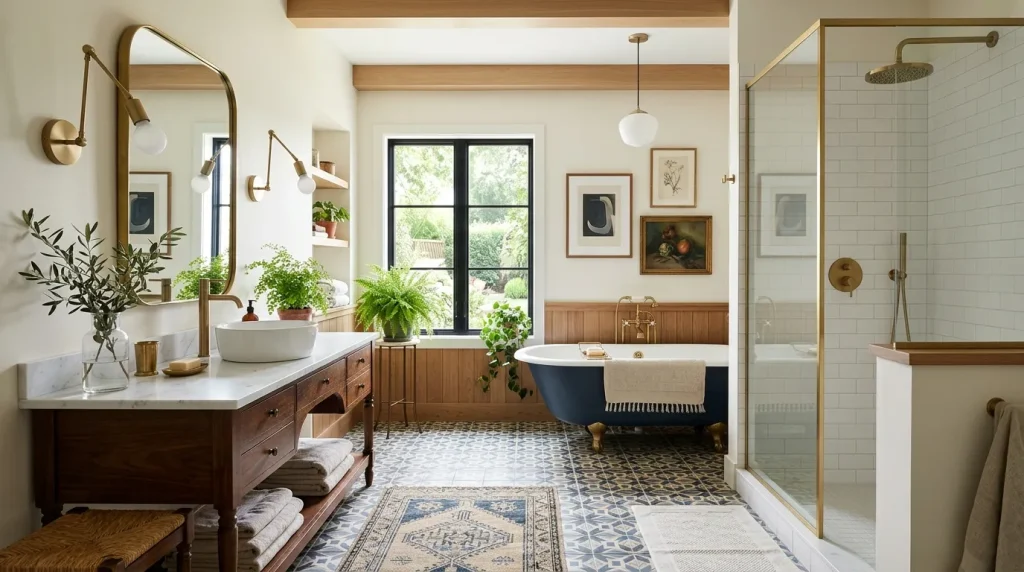
Designing a room with mixed influences becomes much less intimidating once each decision supports a consistent overall vision. Instead of focusing on individual decorative pieces, consider how color, texture, lighting, materials, storage, and personal details interact to create a complete environment. Thoughtful planning encourages confident choices while reducing the temptation to follow every new trend. Research and professional practice consistently demonstrate that successful interiors rely on balance, repetition, and intentional contrast rather than strict decorating rules or perfectly matched collections.
I’ve observed that the most satisfying spaces are rarely completed in a single weekend. They develop gradually as homeowners discover pieces that genuinely reflect their lifestyles and preferences. Allowing the design to evolve creates greater authenticity while avoiding unnecessary purchases driven by impulse. When every addition has purpose and complements the broader composition, the finished room feels comfortable, expressive, and enduring. That patient approach transforms decorating into an enjoyable creative process with results that remain rewarding for many years.
Conclusion:
Creating a beautiful eclectic bathroom doesn’t require following strict decorating rules or filling the room with countless statement pieces. Instead, it comes from understanding how color, texture, proportion, lighting, materials, and personal details work together to create balance and character. I’ve seen how applying these principles thoughtfully helps homeowners make confident decisions while avoiding common design mistakes. Keep this guide as a reference whenever you plan updates, revisit it as your style evolves, and share it with anyone looking to create a bathroom that feels authentic, welcoming, and uniquely their own. Thoughtful design grows over time, and every intentional choice brings you closer to a space you’ll enjoy for years.
Clara Whitmore
Clara specializes in interior styling, seasonal home trends, and cozy living spaces. She loves combining classic design elements with modern touches to create homes that feel personal, welcoming, and effortlessly stylish.