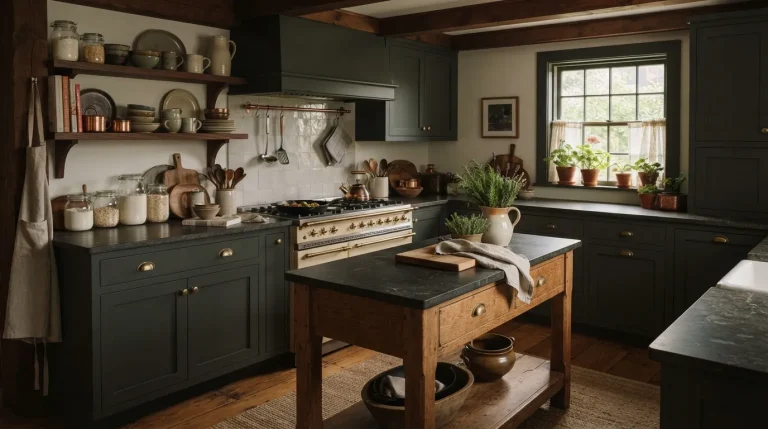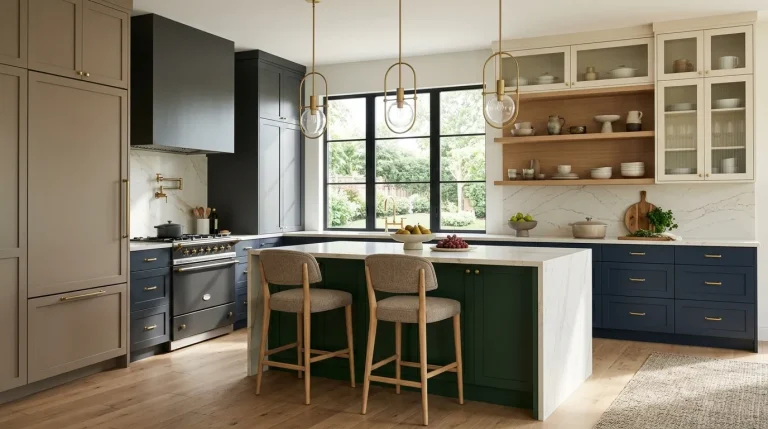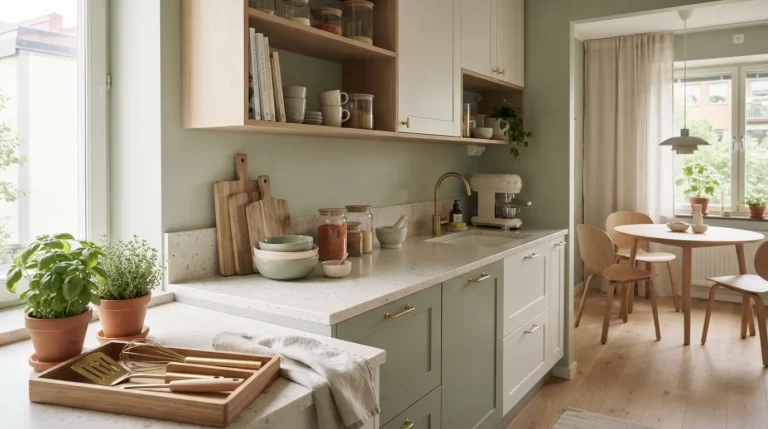
Minimalist Kitchen How to Create a Stylish Space That Feels Bigger

Table of Contents
The Big Picture
A minimalist kitchen is more than a popular design trend—it is a thoughtful approach to creating a space that feels brighter, more organized, and surprisingly spacious. Even if your kitchen is small, the right design choices can dramatically improve how it looks, functions, and feels every day.
Many homeowners struggle with cluttered countertops, limited storage, and layouts that make cooking feel stressful instead of enjoyable. In my experience, the biggest transformation rarely comes from expensive renovations. Instead, it comes from understanding the principles behind smart layouts, intentional organization, balanced materials, and timeless design decisions that work together beautifully.
This guide explores the essential concepts that make streamlined kitchens both practical and inviting. You’ll learn how color, lighting, storage, furniture, materials, and everyday habits influence comfort, efficiency, and visual space. Along the way, you’ll also discover common mistakes to avoid and practical strategies that professionals often recommend for creating a kitchen that remains functional for years to come.
Whether you’re planning a complete remodel or simply looking for meaningful improvements, this comprehensive resource will help you make informed decisions with confidence. By understanding why these design principles work, you’ll be able to create a kitchen that supports your lifestyle while maintaining a clean, welcoming, and effortlessly stylish atmosphere.
Understanding the Core Principles of Minimalist Kitchen Design
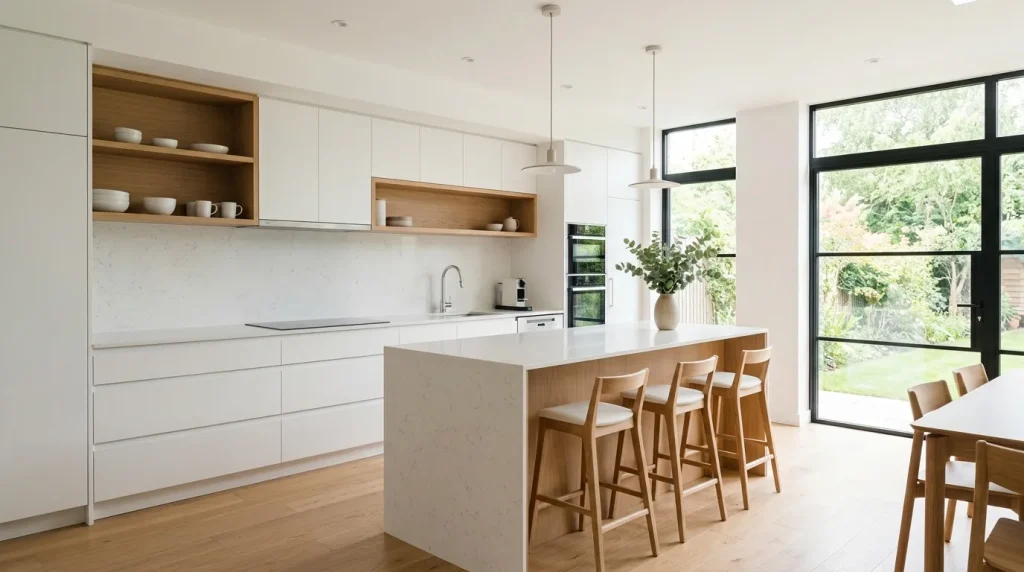
The appeal of a thoughtfully simplified kitchen goes far beyond appearance. At its core, this design philosophy focuses on keeping only what serves a clear purpose while removing unnecessary visual distractions. Every cabinet, countertop, and decorative element contributes to a sense of balance rather than competing for attention. Research shows that organized environments can improve concentration and reduce feelings of stress, making this approach valuable for daily living. Instead of feeling empty, a carefully planned space feels calm, intentional, and welcoming for everyone who uses it.
A successful minimalist kitchen combines practical function with understated beauty. Rather than hiding personality, it highlights meaningful details through quality materials, thoughtful layouts, and carefully chosen finishes. I’ve noticed that homeowners often feel their kitchens become easier to clean and maintain after reducing unnecessary items and improving organization. Even in smaller homes, this approach creates an inviting atmosphere where cooking, dining, and gathering feel more enjoyable. Understanding these principles provides a strong foundation before making design decisions or purchasing new furnishings and accessories.
How Color Choices Influence Space and Mood
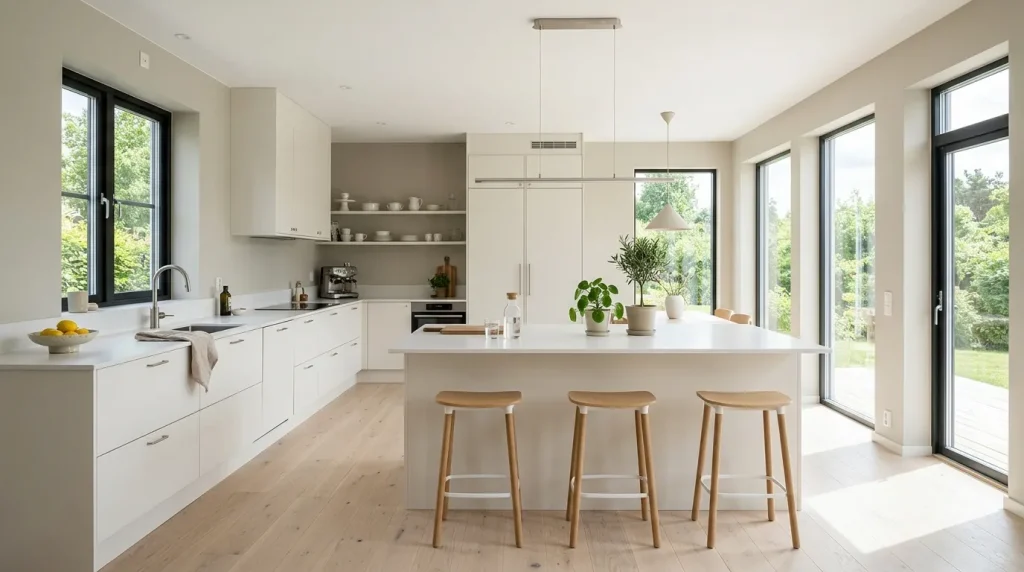
The colors surrounding a kitchen influence far more than its appearance. Light, balanced palettes reflect natural and artificial light, helping walls seem farther apart while creating a welcoming atmosphere. Neutral shades also reduce visual interruptions, allowing architectural details and quality materials to stand out naturally. Research shows that brighter interiors are often associated with improved comfort, better focus, and a greater sense of cleanliness. These qualities make thoughtful color selection one of the most effective ways to enhance both everyday enjoyment and long-term satisfaction.
Choosing complementary tones creates harmony without making the room feel monotonous. Soft whites, warm beiges, gentle grays, and natural wood finishes work together because they provide subtle contrast while maintaining visual continuity. In my experience, adding one restrained accent color through ceramics, textiles, or greenery introduces personality without overwhelming the space. This balanced approach keeps the kitchen feeling timeless rather than following short-lived design trends, making future updates easier and reducing the need for frequent redecorating.
Selecting Materials That Balance Beauty and Durability
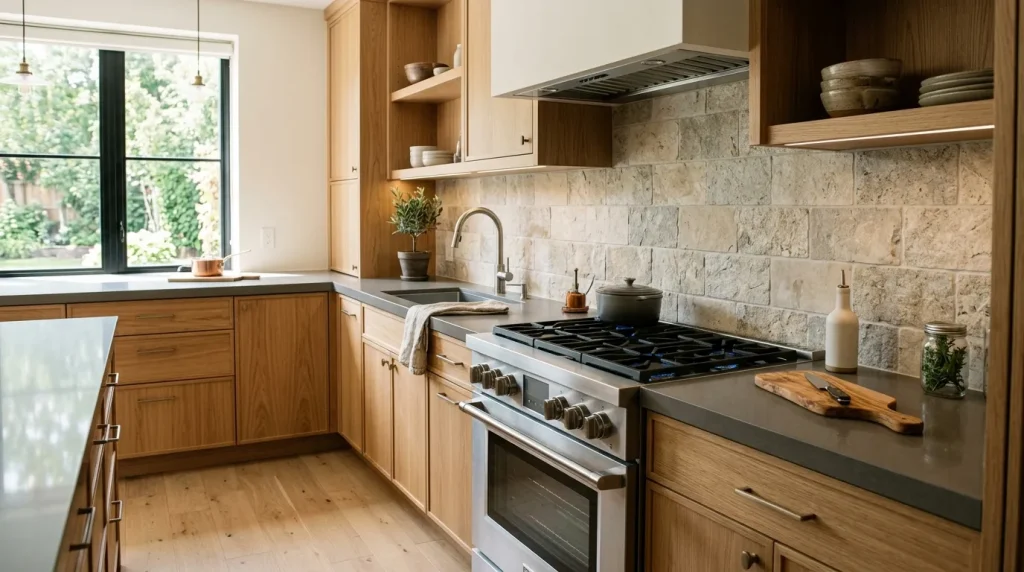
The materials chosen for a kitchen shape both its appearance and everyday performance. Durable surfaces withstand moisture, heat, and frequent cleaning while maintaining their visual appeal over time. Natural wood, engineered quartz, ceramic tile, and high-quality laminates remain popular because they combine practicality with refined aesthetics. Many professionals recommend evaluating maintenance requirements alongside appearance, ensuring each material supports the lifestyle of the household rather than creating unnecessary upkeep or costly repairs in the future.
Texture also plays an important role in preventing simple interiors from feeling flat or sterile. Smooth cabinetry paired with natural wood grain or subtle stone veining introduces depth without creating visual clutter. I’ve noticed that combining only a few complementary finishes often produces a more sophisticated result than mixing numerous competing materials. Limiting selections encourages consistency throughout the room while allowing craftsmanship and quality to become the primary focus instead of decorative excess or constantly changing design trends.
Creating Better Storage Without Adding Visual Clutter
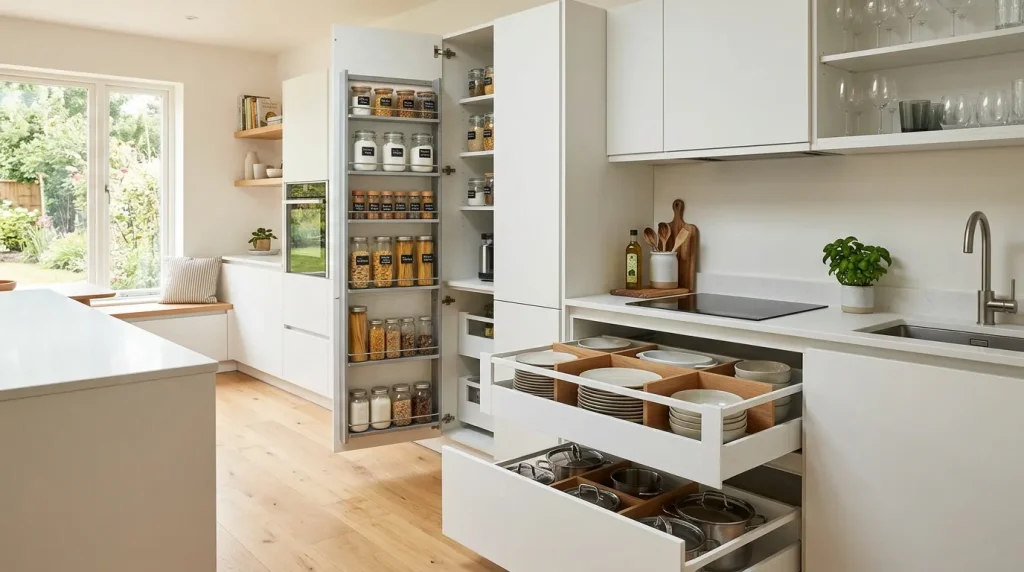
Well-designed storage transforms how a kitchen functions by reducing visible clutter and improving accessibility. Instead of relying on crowded countertops or overflowing cabinets, effective storage systems assign every item a logical place. Frequently used cookware, utensils, and pantry essentials remain easy to reach while seasonal or rarely used items stay neatly tucked away. Research consistently suggests that organized environments reduce decision fatigue and make routine household tasks feel less stressful, especially during busy mornings or family meal preparation.
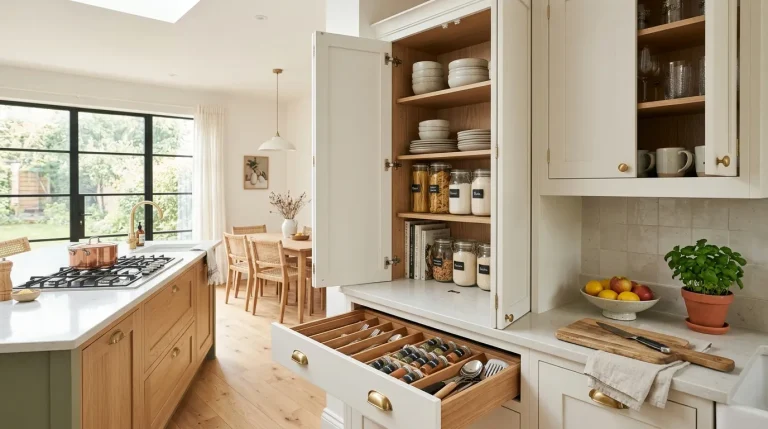
Storage solutions should support daily habits rather than forcing complicated organizing systems. Deep drawers, pull-out shelves, vertical dividers, and adjustable cabinet organizers help maximize available space without sacrificing convenience. I’ve found that homeowners often maintain organization more successfully when storage feels intuitive instead of restrictive. Small improvements, such as grouping similar items together or keeping countertops mostly clear, create lasting benefits that extend beyond appearance, making cooking, cleaning, and entertaining noticeably more efficient.
How Lighting Shapes Comfort and Functionality
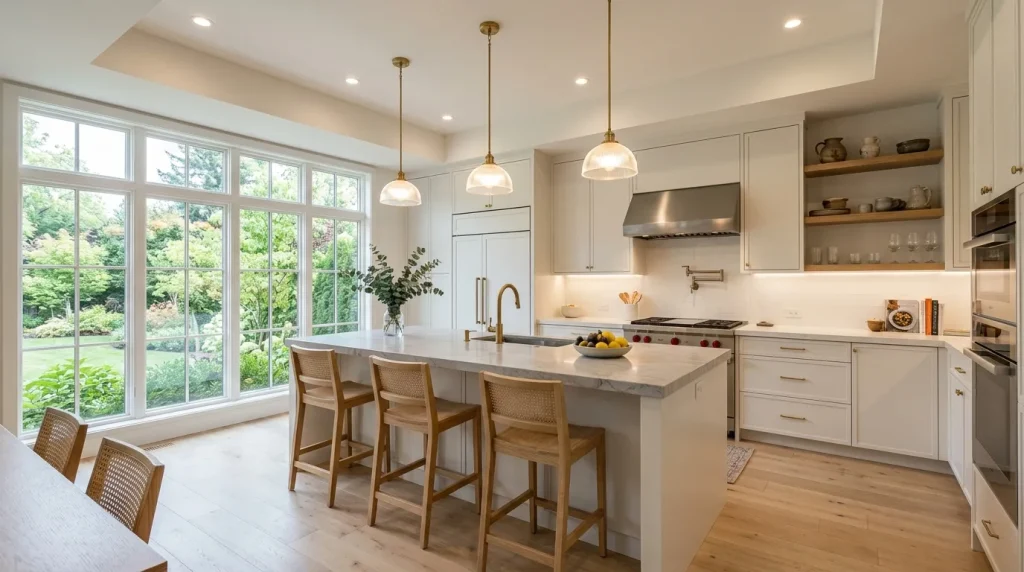
Lighting does much more than brighten a room. It influences how colors appear, how comfortably people prepare meals, and how spacious the environment feels throughout the day. A layered lighting plan combines ambient, task, and accent illumination to eliminate dark corners while creating visual balance. Research shows that appropriate lighting improves visibility, reduces eye strain, and enhances overall comfort during everyday activities. These practical benefits make lighting one of the most valuable investments when designing a functional, welcoming cooking space.
Natural daylight should remain the primary source whenever possible because it provides accurate color perception and creates an uplifting atmosphere. Artificial lighting then fills gaps during evenings or cloudy weather without overpowering the room. In my experience, under-cabinet lighting dramatically improves food preparation by illuminating countertops directly where detailed tasks occur. Combining different light sources allows homeowners to adjust brightness for cooking, dining, entertaining, or relaxing, creating a flexible environment that performs well throughout every part of the day.
Why Decluttering Improves Daily Kitchen Efficiency
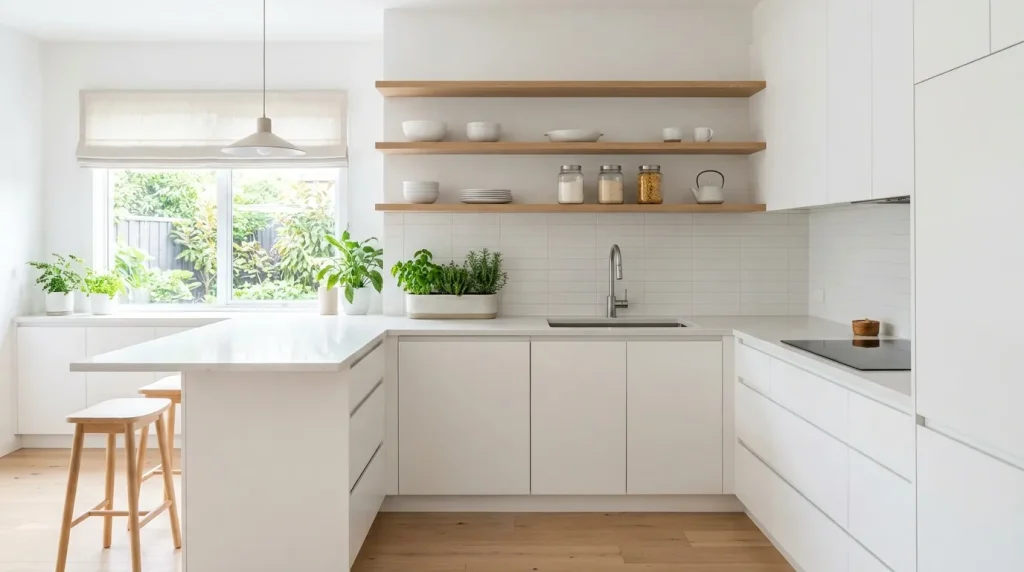
Removing unnecessary items creates more than a visually appealing kitchen. It simplifies everyday routines by making frequently used tools easier to find and work surfaces easier to maintain. Excess belongings often consume valuable storage, increase cleaning time, and create unnecessary distractions during meal preparation. Studies have found that organized environments can improve productivity and reduce feelings of overwhelm, allowing people to focus on cooking and spending quality time with family rather than constantly managing clutter.
Effective decluttering begins with evaluating how often each item is genuinely used. Appliances, utensils, and serving pieces that remain untouched for months may deserve storage elsewhere or thoughtful donation. I’ve observed that many households rediscover valuable cabinet space simply by removing duplicates and rarely used gadgets. Regularly reviewing possessions also prevents clutter from gradually returning, helping maintain an organized kitchen that continues supporting efficient routines without requiring major cleaning sessions or frequent organizational overhauls.
Choosing Furniture That Supports a Cleaner Look
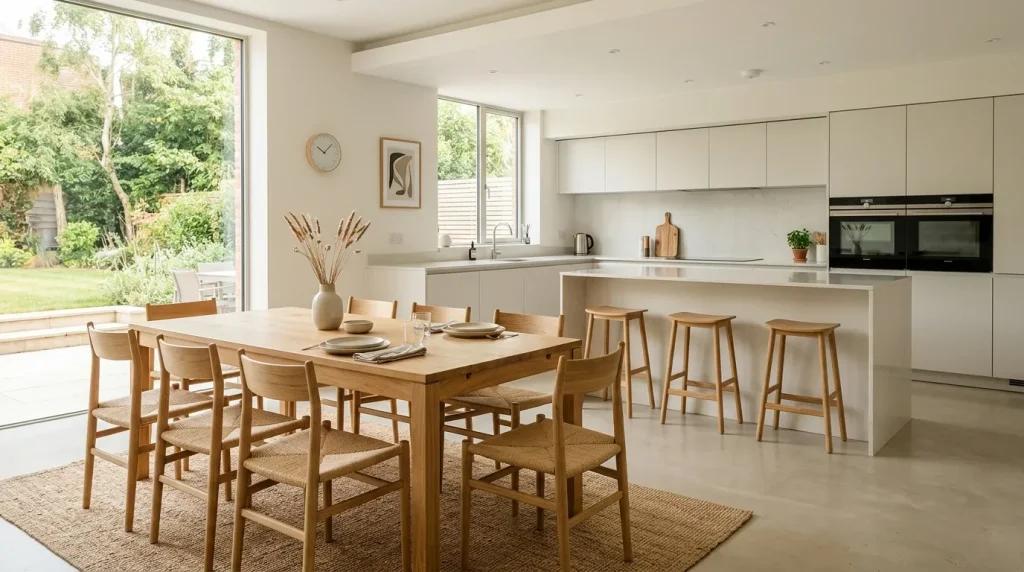
Furniture influences how spacious and comfortable a kitchen feels because every piece contributes to the room’s overall visual weight. Clean-lined tables, streamlined seating, and thoughtfully scaled islands preserve openness while providing practical functionality. Rather than filling every available corner, carefully selected furnishings encourage comfortable movement and improve circulation. This same balance of beauty and function is what makes a thoughtfully planned feminine bedroom design feel elegant without becoming cluttered. Many interior professionals recommend prioritizing proportion over quantity, ensuring each piece serves a meaningful purpose without making the room feel crowded or difficult to navigate..
Selecting durable, timeless furniture also supports long-term satisfaction and reduces unnecessary replacements. Natural wood, quality metal, and easy-to-maintain finishes often remain attractive despite years of daily use. In my experience, homeowners appreciate flexible furniture that adapts to changing needs, such as extendable tables or movable seating. This thoughtful approach creates a balanced environment where comfort, practicality, and visual simplicity work together, helping the kitchen remain functional and welcoming as household routines naturally evolve.
Understanding the Importance of Hidden Storage Solutions
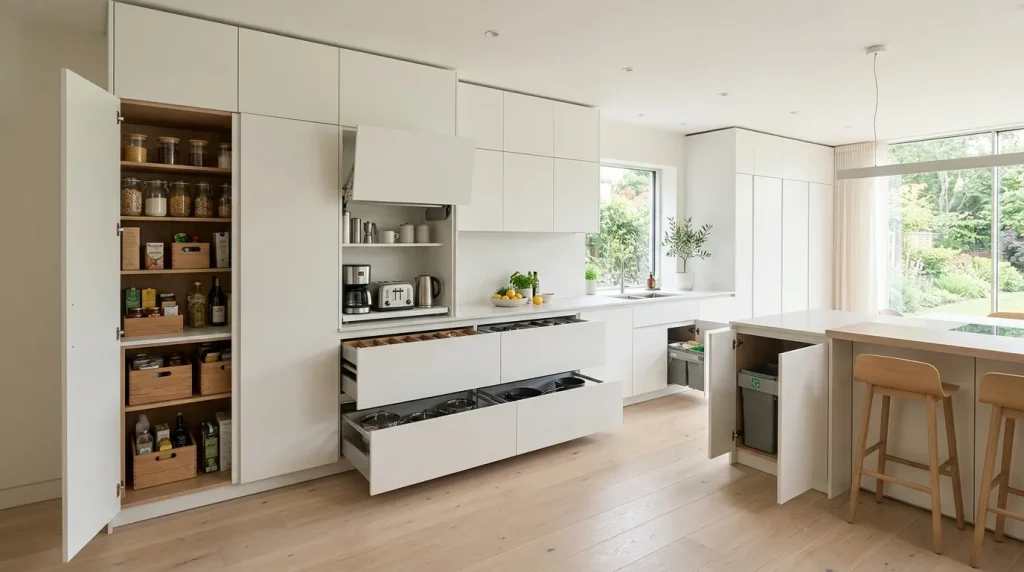
Hidden storage allows essential items to remain accessible without dominating the room’s appearance. Appliance garages, pull-out pantry systems, concealed recycling bins, and integrated organizers help maintain clean surfaces while supporting efficient daily routines. When frequently used items have dedicated storage locations, kitchens feel calmer and more organized even during busy meal preparation. Many experts recommend concealed storage because it reduces visual distractions and allows architectural features, quality materials, and thoughtful design details to receive greater attention.
Planning concealed storage begins with understanding daily habits instead of simply increasing cabinet capacity. Frequently used appliances should remain convenient, while seasonal equipment can occupy less accessible spaces. In my experience, customized drawer dividers and adjustable shelving often provide greater long-term value than adding extra cabinets alone. These adaptable systems evolve alongside changing household needs, ensuring the kitchen remains organized, practical, and visually balanced without requiring constant rearrangement or expensive future modifications.
Common Design Mistakes That Reduce Visual Space
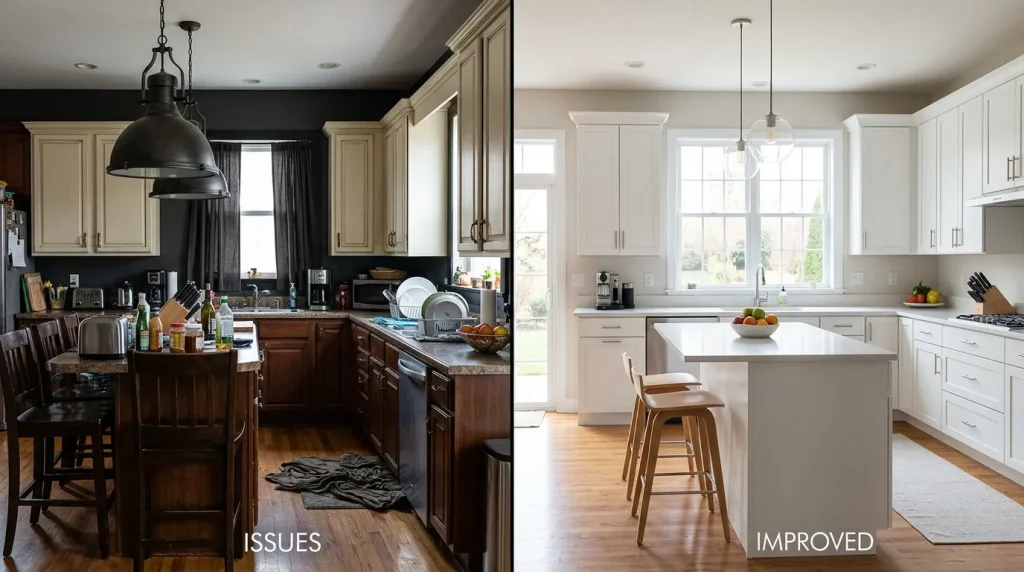
Many kitchens feel smaller than necessary because of design decisions that unintentionally interrupt visual flow. Oversized furniture, excessive decorative accessories, competing finishes, and crowded countertops create unnecessary distractions that make the room appear confined. Even high-quality materials can lose their impact when too many styles compete for attention. Design professionals frequently recommend evaluating every addition based on both appearance and purpose, ensuring each element contributes positively to comfort, functionality, and the overall sense of spaciousness.
Another common mistake involves prioritizing appearance while overlooking practical daily use. Limited storage, poor lighting placement, and awkward appliance positioning often lead to clutter because essential items remain difficult to organize. I’ve observed that correcting a few functional issues usually improves the room’s appearance without requiring a complete renovation. Careful planning before purchasing furniture, finishes, or decorative pieces helps prevent expensive revisions and supports a kitchen that feels comfortable, efficient, and visually balanced for years.
How to Adapt the Design for Different Home Sizes
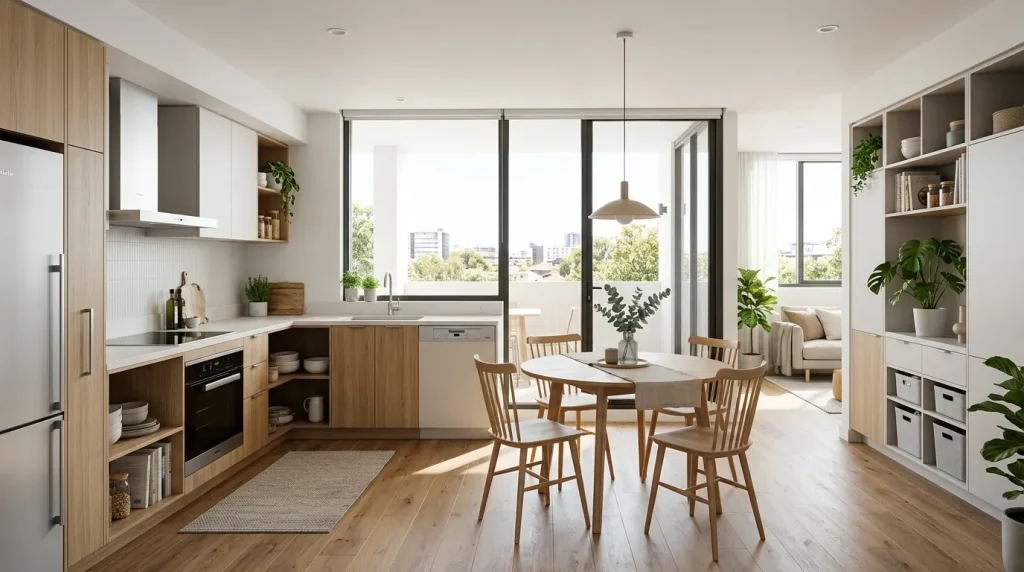
Every home presents unique opportunities and limitations, making adaptability an essential part of successful kitchen planning. Smaller apartments often benefit from multifunctional furniture, vertical storage, and integrated appliances, while larger homes can comfortably accommodate expanded preparation areas and generous pantry storage. Regardless of size, maintaining clear circulation paths and balanced proportions helps preserve comfort and efficiency. Understanding how available space influences design decisions allows homeowners to create practical environments without sacrificing visual harmony or everyday usability.
Flexible planning also prepares the kitchen for changing household needs over time. Adjustable shelving, movable furniture, and adaptable storage systems make future updates easier without requiring extensive remodeling. In my experience, homes that prioritize flexibility remain functional through family growth, lifestyle changes, or evolving cooking habits. Designing with long-term adaptability in mind ensures every square foot serves a meaningful purpose, allowing the kitchen to remain welcoming, organized, and efficient regardless of available space or future requirements.
How to Plan Future Updates Without Major Renovations
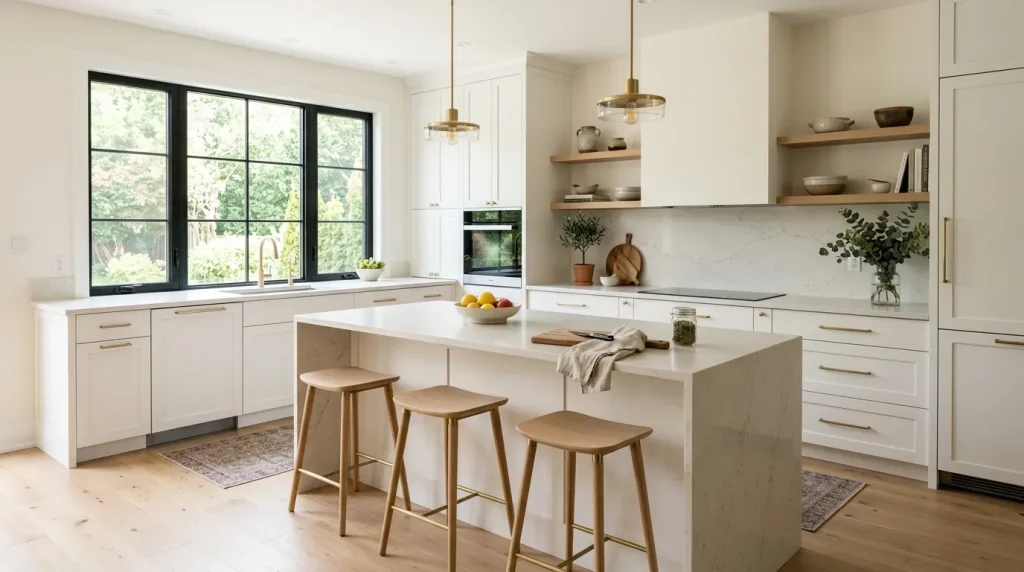
Creating a kitchen with future updates in mind allows homeowners to refresh the space without expensive structural changes. Choosing timeless cabinetry, neutral finishes, and adaptable layouts provides a versatile foundation that can evolve with changing preferences. Smaller updates, such as replacing lighting fixtures, bar stools, cabinet hardware, or decorative accessories, often deliver a noticeable transformation at a fraction of renovation costs. Many professionals recommend investing in permanent features with lasting appeal while reserving trend-driven elements for accessories that are easier and more affordable to replace.
Long-term planning also reduces renovation fatigue by encouraging thoughtful decisions instead of impulsive purchases. Before introducing new finishes or furnishings, it helps to evaluate how they complement existing materials and daily routines. I’ve found that homeowners who establish a cohesive design direction from the beginning enjoy greater flexibility when refreshing their kitchens over time. This measured approach protects earlier investments while making future improvements feel intentional, practical, and consistent with the overall character of the home.
To Sum It Up
Creating a beautiful kitchen isn’t about removing everything you own—it’s about making thoughtful decisions that improve both appearance and everyday living. From choosing durable materials and effective lighting to planning efficient storage and building lasting organizational habits, each principle contributes to a space that feels calm, functional, and welcoming. A well-designed minimalist kitchen proves that simplicity can deliver exceptional comfort, efficiency, and timeless style.
I’ve seen how understanding these core ideas helps homeowners make smarter design choices with greater confidence. Use this guide as a reference whenever you plan updates, revisit it as your needs evolve, and share it with others who want to create a kitchen that feels larger, works better, and remains enjoyable for many years.
Elira Montclair
Elira writes about timeless home decor, kitchen styling, and practical interior ideas. Her work blends warm, inviting aesthetics with simple decorating tips that make everyday spaces feel beautiful and comfortable.