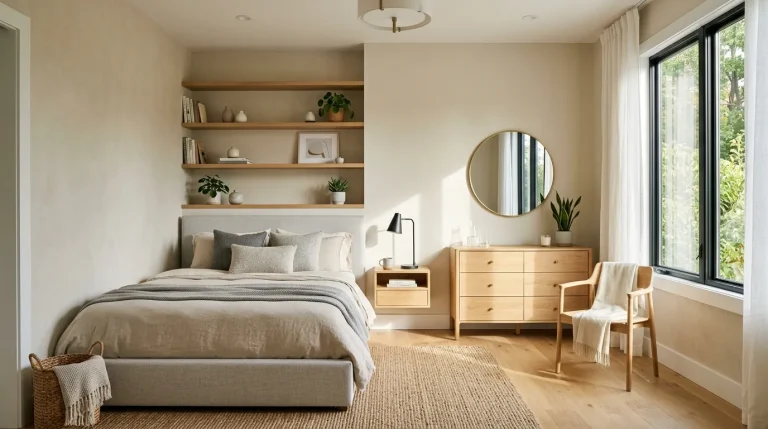
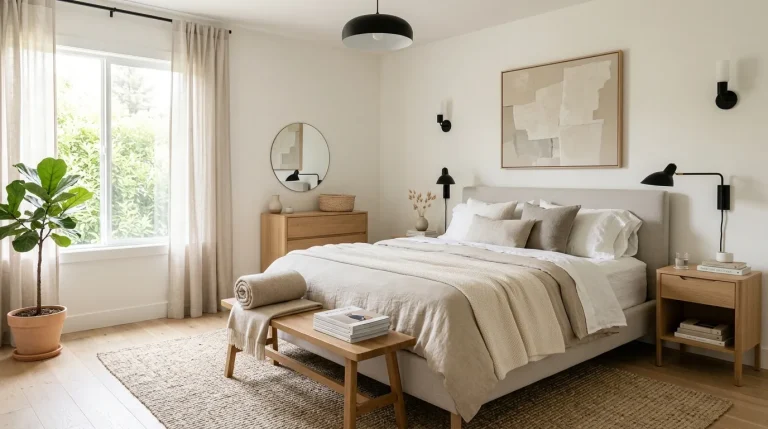
Minimalist Home Ideas That Make Every Room Feel Peaceful

Introduction:
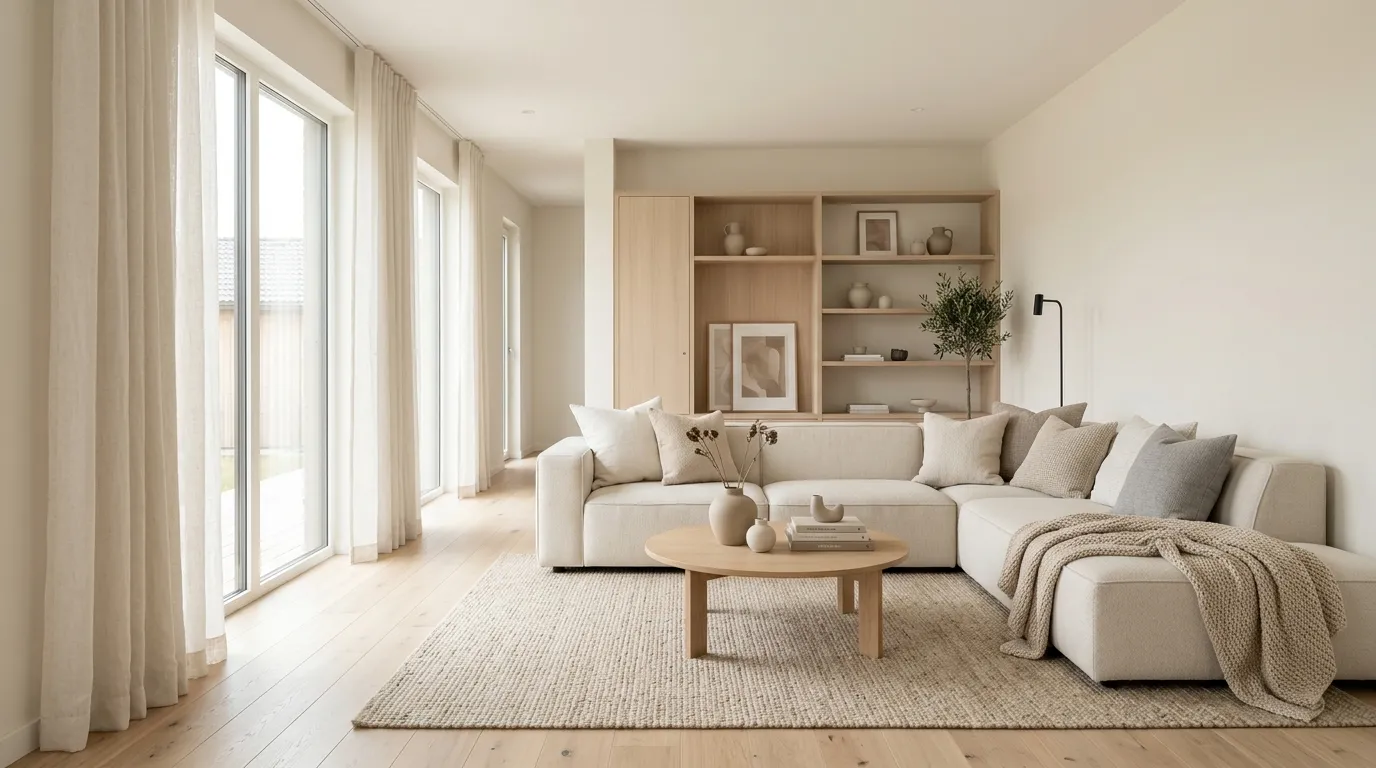
A minimalist home is more than just a design style—it’s a feeling of calm the moment you walk through the door. Imagine walking into a space where everything feels open, soft, and intentionally placed. No visual clutter, no noise—just peace. That’s exactly what this article is about.
If you’ve been craving a home that feels lighter, more organized, and emotionally relaxing, you’re in the right place. In my experience, even small design changes like neutral tones or hidden storage can completely shift the mood of a room. I’ve seen many people transform stressful, crowded spaces into peaceful retreats just by simplifying what they own and how they arrange it. This guide will show you beautiful, practical ideas that make every room feel balanced, airy, and effortlessly calm—perfect for Pinterest inspiration and real-life living.
1.Soft Neutral Living
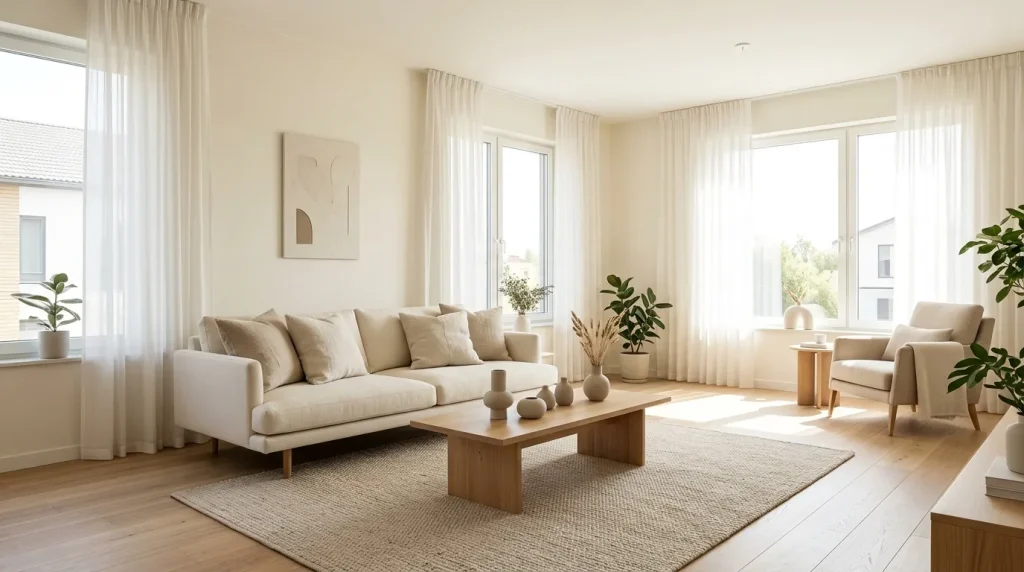
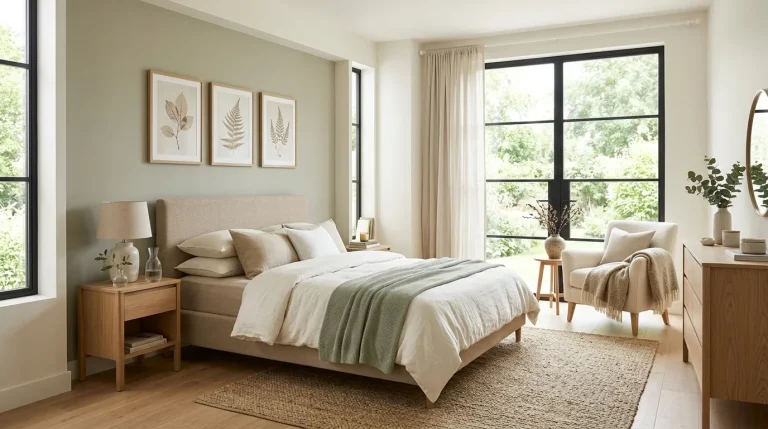
A soft neutral palette instantly changes how a space feels, especially when you’re aiming for a peaceful home environment. In my experience, rooms with beige, ivory, and warm sand tones always feel more open and less stressful to the eye. This approach works beautifully for anyone who wants a calm visual break after a busy day. It also makes decorating easier because every piece naturally blends instead of competing for attention in the room.
What makes this idea powerful is how effortlessly it creates balance without adding extra decor. Many homeowners notice that once they switch to soft tones, their space feels instantly more intentional and less chaotic. A homes minimalist built on neutral shades also adapts easily to seasonal changes. You can refresh the mood with small accents while keeping the base clean, consistent, and timeless without overwhelming the senses.
2.Hidden Storage Walls
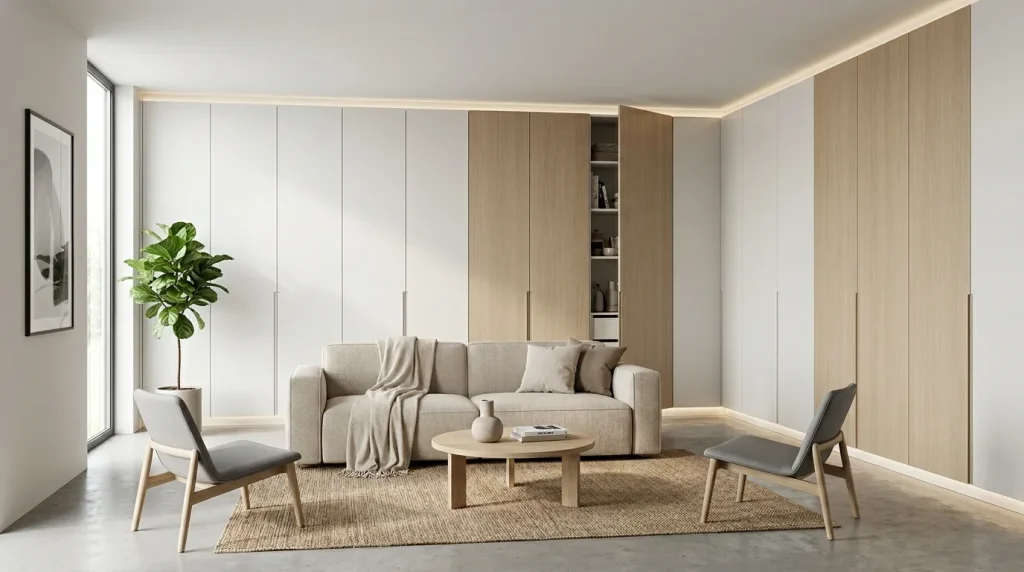
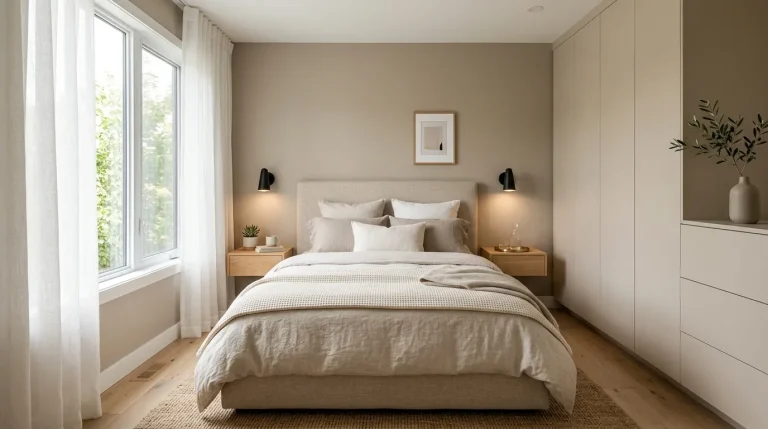
Hidden storage is a game changer for achieving a truly calm environment. Instead of exposing shelves filled with items, everything is tucked away behind clean panels or built-in cabinetry. In many modern homes I’ve seen, this approach completely transforms how spacious and organized a room feels. It allows the design itself to take center stage without distraction from everyday clutter or scattered objects.
The beauty of this concept is how effortlessly it supports a minimalist lifestyle. A minimalists home feels more intentional when storage is invisible yet functional. It reduces mental overload because your eyes only see clean lines and open space. This design choice also helps maintain long-term order, since everything has a designated place hidden behind a calm, unified exterior.
3.Low Profile Furniture
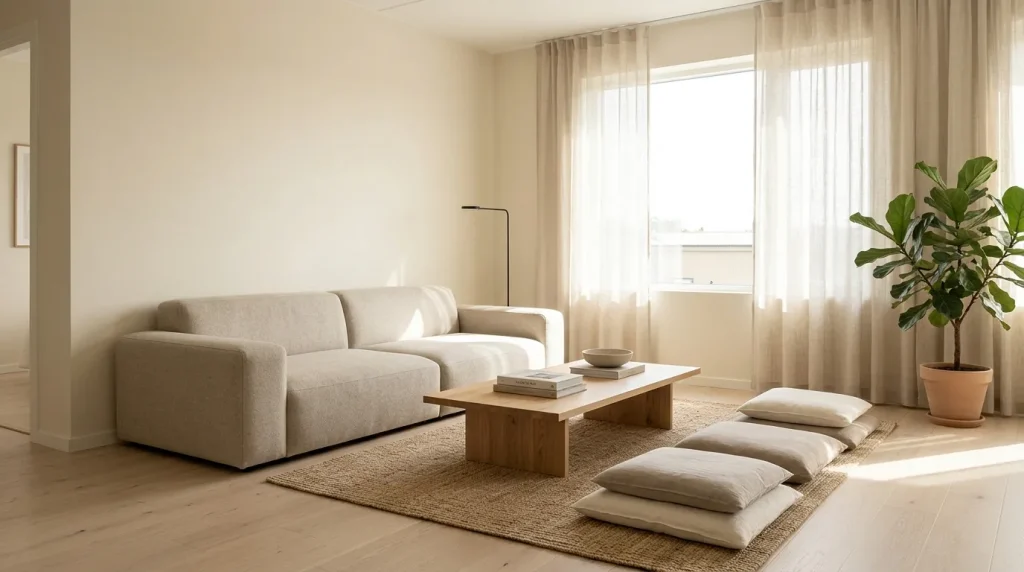
Low-profile furniture is one of the easiest ways to make a room feel instantly more peaceful. When sofas, tables, and chairs sit closer to the ground, the entire space feels wider and less crowded. I’ve noticed in many compact homes that this simple shift creates a surprising sense of openness. It also helps the eye move smoothly across the room without interruptions, which naturally supports a calmer visual experience.
This design approach works especially well in a minimalists home because it removes unnecessary visual height and bulk. Instead of heavy, oversized furniture, the room feels light and breathable. Many designers recommend this style for small spaces because it improves balance without requiring more square footage. The result is a modern, relaxed environment that feels intentional, uncluttered, and visually soothing every day.
4.Bare Wall Balance
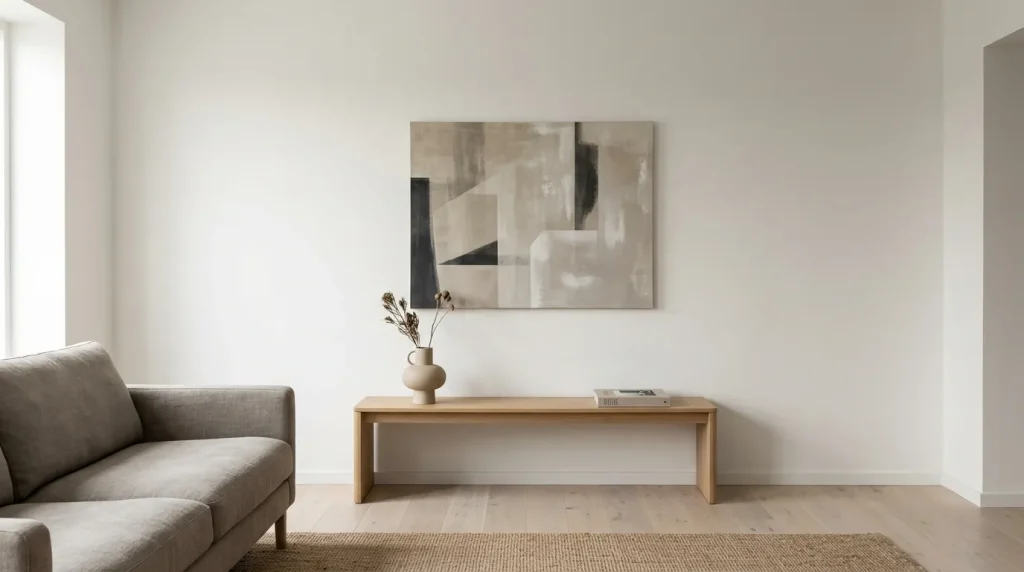
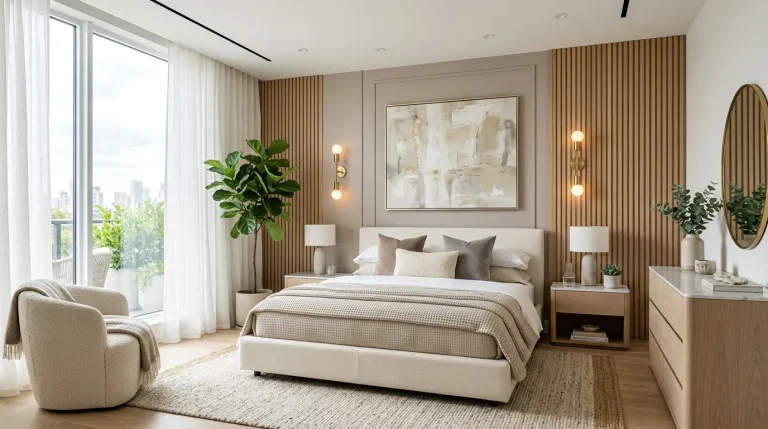
Bare wall balance is about giving the eyes space to rest. Instead of filling every wall with decor, you intentionally leave areas open and uncluttered. I’ve seen this technique transform even busy rooms into calm, gallery-like spaces. A single artwork or subtle decor piece becomes more powerful when surrounded by clean, empty space that allows it to stand out naturally.
This approach works especially well in a home minimalist because it embraces simplicity as a design feature. Empty space is not seen as missing—it becomes part of the aesthetic. Designers often use this principle to create emotional calm and visual clarity. The result is a home that feels structured, peaceful, and thoughtfully designed without overwhelming detail.
5.Open Floor Flow
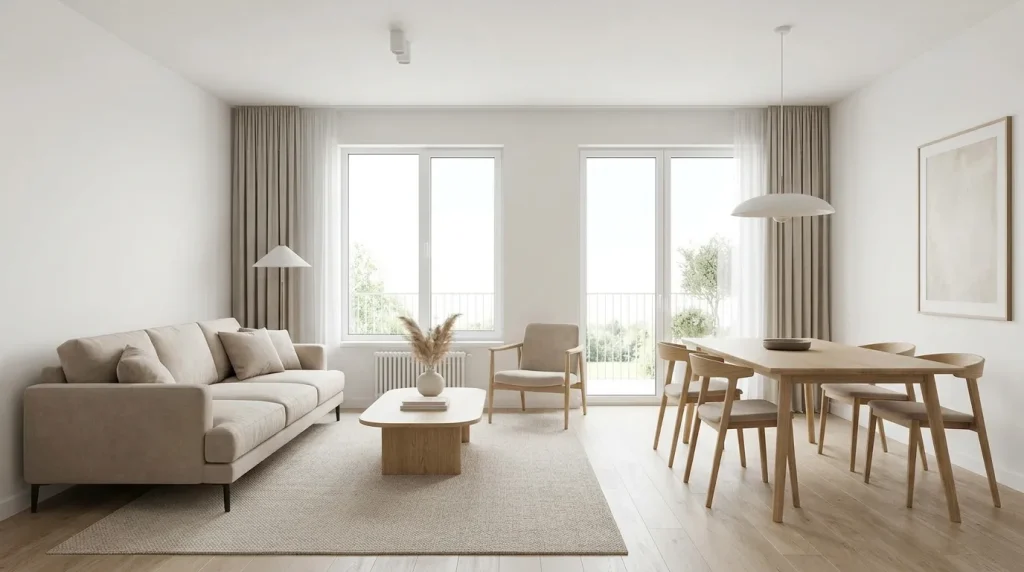
Open floor flow is one of the most powerful ways to create a peaceful home environment. When rooms connect without heavy partitions, the space feels naturally more expansive. I’ve noticed that even in smaller apartments, removing visual barriers instantly improves comfort and movement. The eye travels freely from one area to another, which reduces tension and makes the entire home feel more cohesive and calm throughout the day. This relaxed sense of connection is also a defining feature in Bohemian Kitchen spaces, where layered textures and open layouts help create a warm, effortless atmosphere that feels inviting and lived in.
This layout works beautifully in a home minimalist because it supports simplicity and openness. Instead of dividing spaces with walls or bulky furniture, each zone blends gently into the next. Designers often use this approach to maximize both light and functionality. The result is a home that feels airy, balanced, and easy to live in, with every area flowing naturally into the next without interruption.
6.Muted Accent Corners
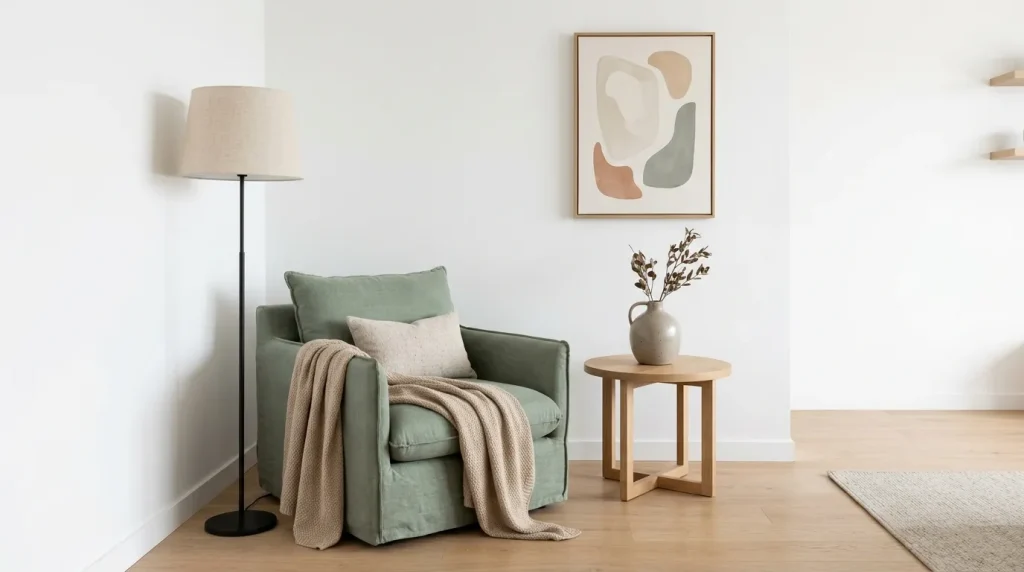
Muted accent corners are a simple way to bring life into a neutral space without disrupting its calm feeling. Instead of filling the entire room with color, you introduce small, intentional accents in specific areas. I’ve seen this work especially well in living rooms where one quiet corner becomes a styled moment without overpowering the rest of the space.
This approach fits perfectly into a home minimalist because it keeps the overall palette soft and controlled. A single chair, plant, or decor object in a muted tone can transform an unused corner into something visually meaningful. The result is a space that feels thoughtfully styled, gently expressive, and still completely calm and uncluttered.
Conclusion:
Creating a peaceful space doesn’t require a full renovation—just thoughtful, intentional choices that support simplicity and calm. These ideas show how a minimalist home can feel warm, stylish, and deeply relaxing at the same time. From soft tones to hidden storage and open layouts, each detail works together to create balance and visual ease.
I’ve seen how small changes like these can completely transform how people feel in their homes. Save these ideas on Pinterest, try one or two in your own space, and notice the difference in your daily mood. Share them with someone who needs a calmer, more beautiful home environment—it might inspire their next big change too.
Clara Whitmore
Clara specializes in interior styling, seasonal home trends, and cozy living spaces. She loves combining classic design elements with modern touches to create homes that feel personal, welcoming, and effortlessly stylish.