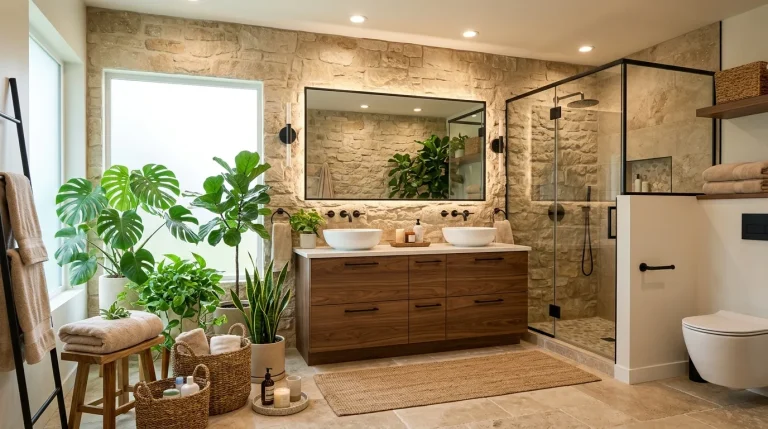
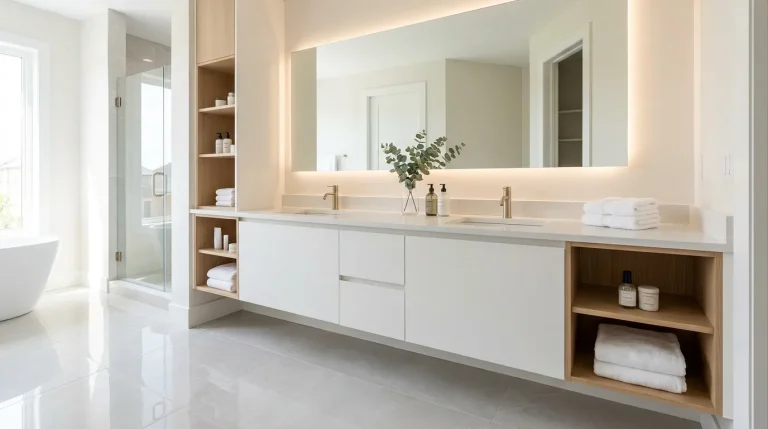
How to Design a Laundry Room Bathroom Combo That Works

Introduction:
Designing a laundry room bathroom combo may seem challenging at first, but with the right planning, it can become one of the most practical and efficient spaces in your home. Whether you’re renovating a compact apartment, updating a family bathroom, or making better use of limited square footage, understanding how these multifunctional spaces work is the key to achieving lasting results.
This guide explains the essential principles behind creating a room that balances functionality, comfort, durability, and style. You’ll learn how to evaluate available space, choose the right layout, plan plumbing and ventilation, select moisture-resistant materials, improve storage, and avoid common design mistakes. Rather than focusing only on appearance, this article explores the practical decisions that make everyday life easier.
In my experience, the most successful projects begin with careful planning rather than expensive finishes. I’ve seen homeowners achieve impressive transformations simply by understanding how each design decision affects the room’s long-term usability. By the end of this guide, you’ll have the knowledge and confidence to create a well-organized, efficient space that serves both laundry and bathroom needs while adding lasting value to your home.
Understanding Why Combined Utility Spaces Are Becoming Popular
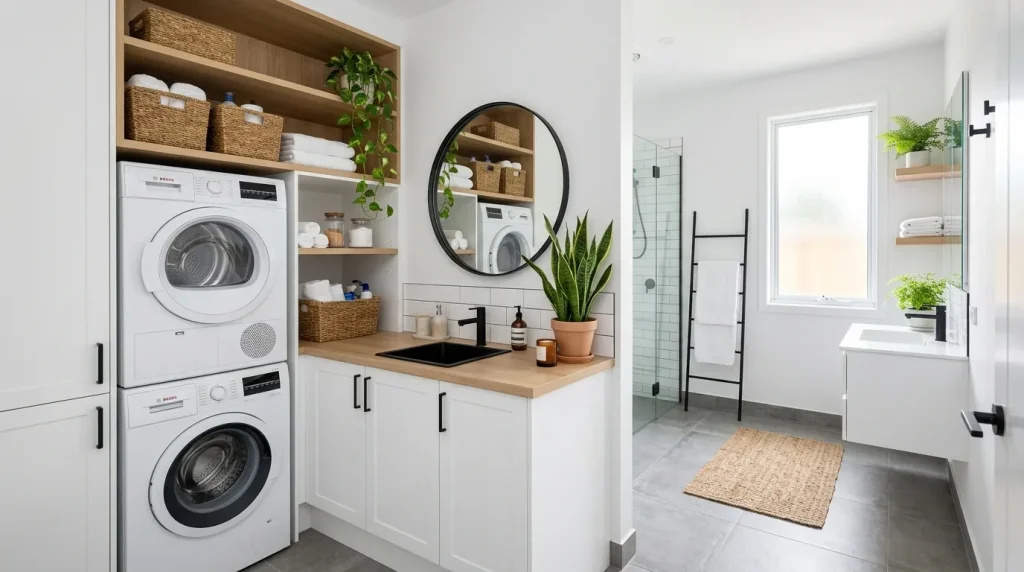
Modern homes are increasingly embracing multifunctional spaces because every square foot has become more valuable than ever. A combined bathroom and laundry area allows homeowners to make better use of limited space without sacrificing everyday convenience. This approach is especially common in apartments, compact houses, and renovation projects where expanding the home’s footprint is impractical. Research shows that thoughtful space planning can improve both efficiency and comfort while reducing unnecessary movement during daily routines. Understanding why this layout has gained popularity provides a strong foundation before making any design or remodeling decisions.
Beyond saving space, these dual-purpose rooms can simplify household tasks by bringing related functions into one organized area. In my experience, homeowners often appreciate having laundry facilities close to water connections already required for bathrooms, making renovations more practical and cost-effective. A carefully planned laundry room bathroom combo can also improve storage opportunities, reduce plumbing complexity, and create a cleaner overall layout. When designed thoughtfully, the room feels intentional rather than crowded, allowing every fixture, cabinet, and appliance to serve a clear purpose within the available footprint.
How to Evaluate Your Available Floor Space
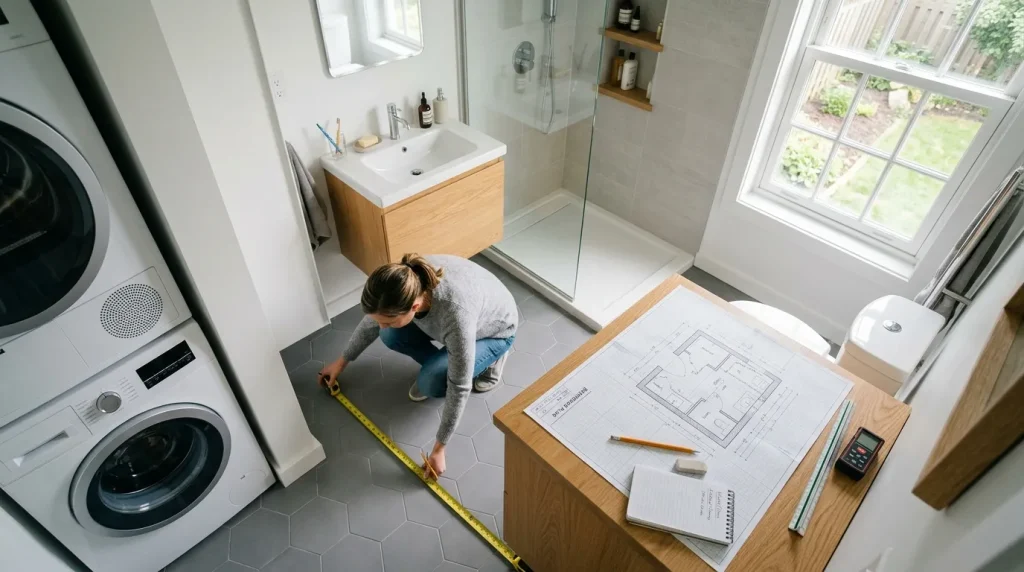
Every successful remodeling project begins with understanding the physical limitations of the room before selecting fixtures or finishes. Measuring wall lengths, ceiling height, door swings, window placement, plumbing locations, and electrical outlets helps reveal realistic design possibilities. Many professionals recommend creating a scaled floor plan because visual estimates often overlook important clearance requirements. Careful measurements also reduce expensive mistakes when ordering cabinetry, appliances, or custom storage solutions. Spending extra time during this planning stage usually leads to smoother installation and fewer unexpected adjustments during construction.
Evaluating usable space involves more than recording room dimensions. Consider how people move through the area while carrying laundry baskets, opening appliance doors, or accessing bathroom fixtures. Adequate circulation prevents the room from feeling cramped and improves everyday comfort. I’ve noticed that homeowners who test furniture placement using painter’s tape on the floor often identify potential obstacles before construction begins. This simple exercise makes it easier to balance storage, accessibility, and functionality while ensuring every element fits naturally within the available layout.
Choosing the Most Functional Room Layout
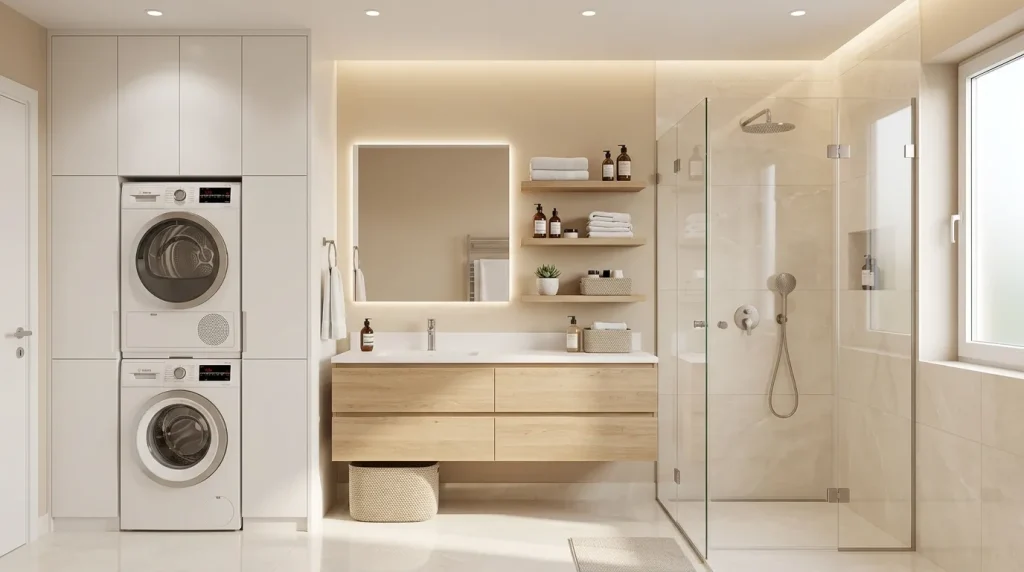
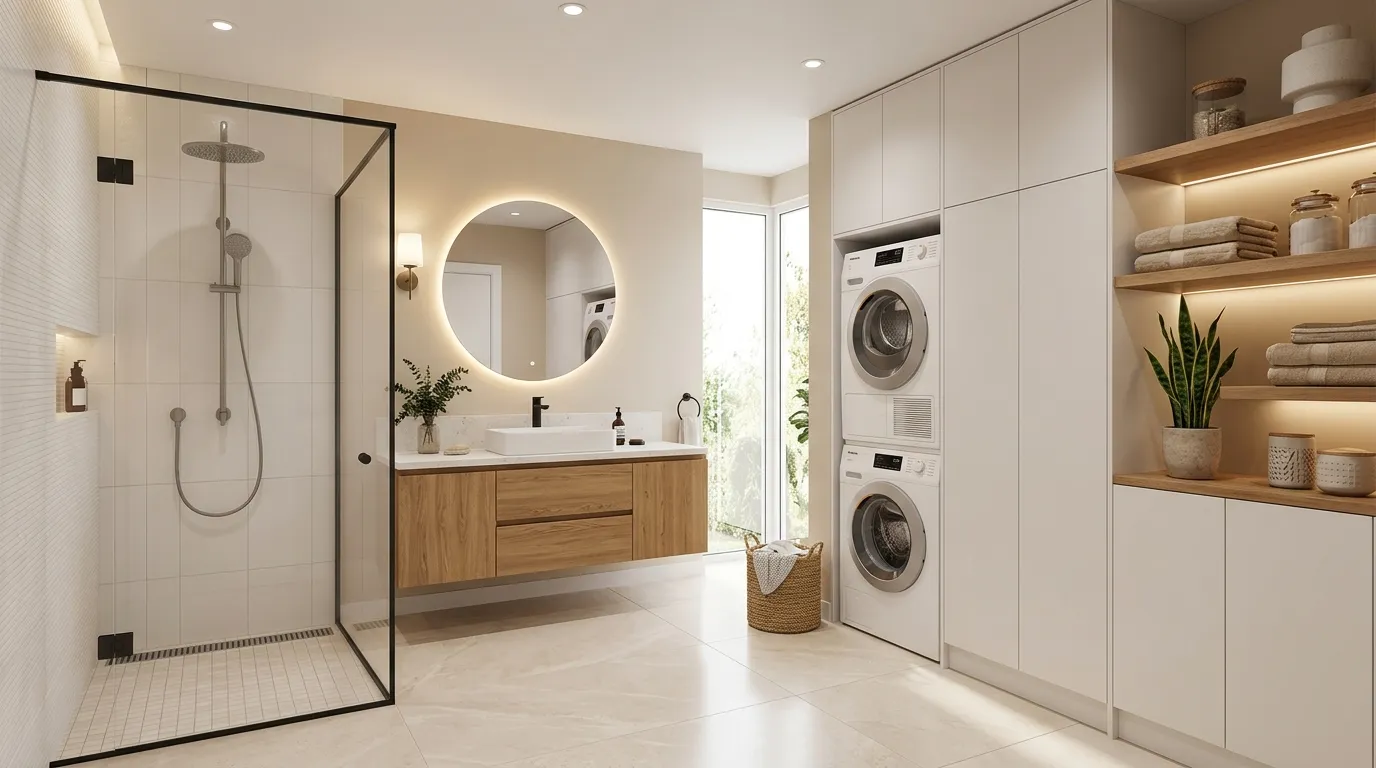
Selecting the right room arrangement determines how efficiently the space functions for years to come. The ideal layout depends on room dimensions, plumbing locations, appliance size, and household routines. Some homes benefit from stacking laundry appliances to free valuable floor space, while others work better with side-by-side machines beneath a continuous countertop. The objective is creating logical work zones that support both bathroom use and laundry tasks without unnecessary interference. A balanced layout makes daily activities feel smoother, more comfortable, and less stressful for everyone using the room.
Functionality should always guide design decisions before decorative features receive attention. Positioning frequently used fixtures within easy reach, maintaining comfortable walking paths, and planning accessible storage all contribute to a more practical environment. Studies have found that efficient layouts reduce wasted movement and improve overall user satisfaction during everyday household routines. In my professional experience, the most successful multifunctional rooms prioritize convenience first, allowing attractive finishes and decorative details to enhance an already well-organized foundation rather than compensate for poor planning.
Selecting Moisture-Resistant Materials That Last
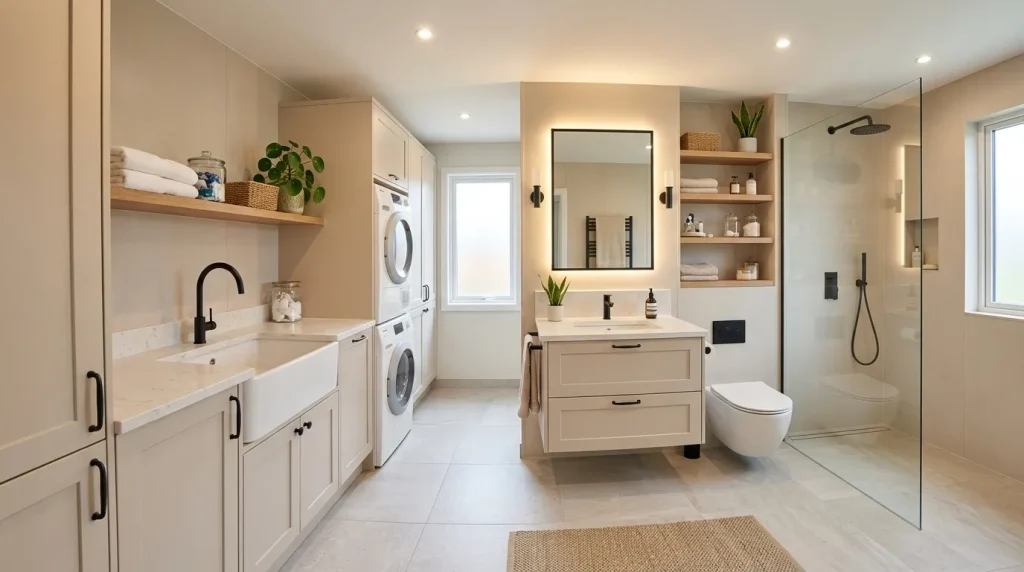
Choosing durable materials is one of the smartest investments in a room regularly exposed to humidity, steam, and water. Flooring, cabinetry, countertops, and wall finishes should resist moisture without losing their appearance over time. Porcelain tile, quartz surfaces, waterproof paint, and engineered cabinetry are popular choices because they combine durability with easy maintenance. Many experts recommend selecting materials designed specifically for high-moisture environments rather than standard household finishes. This approach helps preserve the room’s appearance while reducing future repair and replacement costs.
Long-lasting materials also make everyday cleaning easier, an important advantage in spaces that serve multiple purposes. Smooth, non-porous surfaces resist stains, mold, and mildew while maintaining a fresh appearance with minimal effort. In my experience, homeowners appreciate finishes that continue looking attractive after years of regular use rather than requiring constant maintenance. Balancing durability with visual appeal creates a room that feels welcoming without sacrificing practicality. Investing in quality materials from the beginning often proves more economical than replacing worn finishes only a few years later.
Creating Smart Storage Without Reducing Comfort
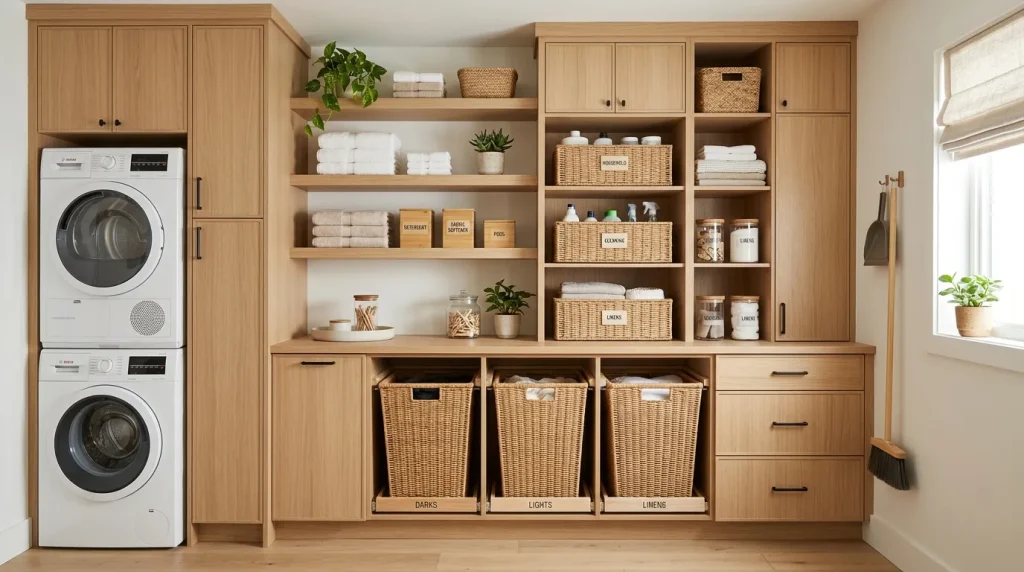
Storage plays a major role in keeping multifunctional rooms clean, organized, and enjoyable to use every day. Towels, detergents, toiletries, cleaning products, and laundry supplies all require dedicated spaces that remain easily accessible without creating visual clutter. Vertical cabinetry, floating shelves, hidden compartments, and pull-out organizers maximize storage while preserving valuable floor space. A thoughtfully designed laundry rooms bathroom combo should encourage organization by ensuring every frequently used item has a practical location. This reduces daily frustration while helping the room remain tidy even during busy household routines.
Comfort should never be sacrificed simply to increase storage capacity. Overcrowding a room with cabinets can make movement difficult and create a confined atmosphere. Instead, focus on efficient organization strategies that balance accessibility with openness. I’ve noticed that combining closed storage for everyday supplies with a few open shelves for decorative accents creates both functionality and visual warmth. This balanced approach keeps essential items nearby while allowing the room to feel spacious, welcoming, and pleasant to use throughout the day.
Designing Proper Ventilation to Control Humidity
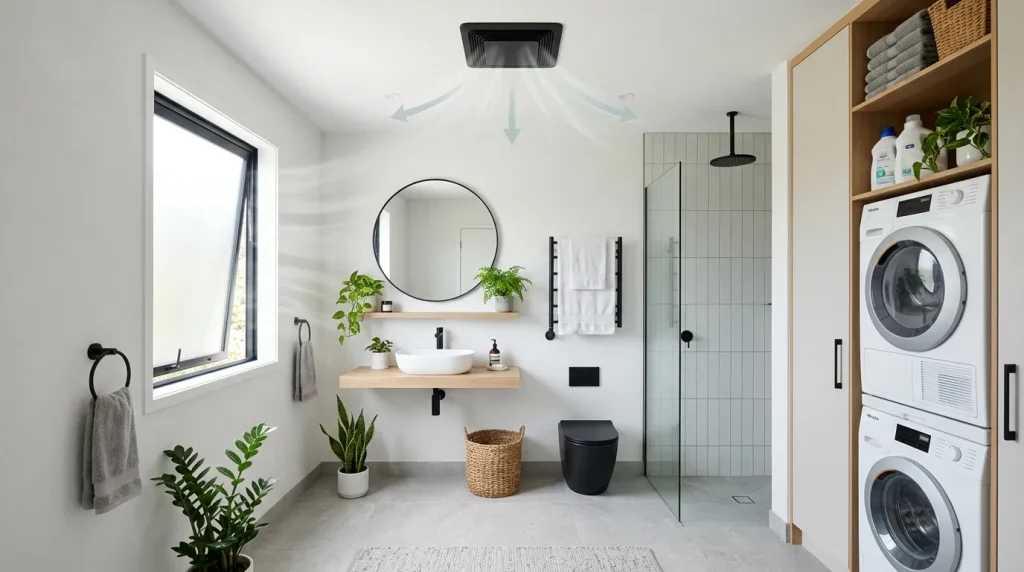
Good ventilation is essential in any room where moisture is produced regularly from showers and washing machines. Without proper airflow, humidity can linger, increasing the likelihood of mold growth, unpleasant odors, and premature wear on finishes. An efficient exhaust fan, combined with natural ventilation whenever possible, helps remove excess moisture before it becomes a problem. Research shows that maintaining balanced indoor humidity protects both building materials and indoor air quality. Planning ventilation early ensures the room remains healthier, more comfortable, and easier to maintain over time.
Ventilation should operate efficiently without creating excessive noise or energy consumption. Modern exhaust systems often include humidity sensors that activate automatically when moisture levels rise, improving convenience while reducing unnecessary operation. In my experience, homeowners frequently underestimate how much difference proper airflow makes until they notice cleaner surfaces and fresher air after installation. Regularly cleaning vents and replacing filters where applicable also helps maintain consistent performance. A well-ventilated space supports both comfort and long-term durability throughout every season.
How Lighting Improves Safety and Everyday Function
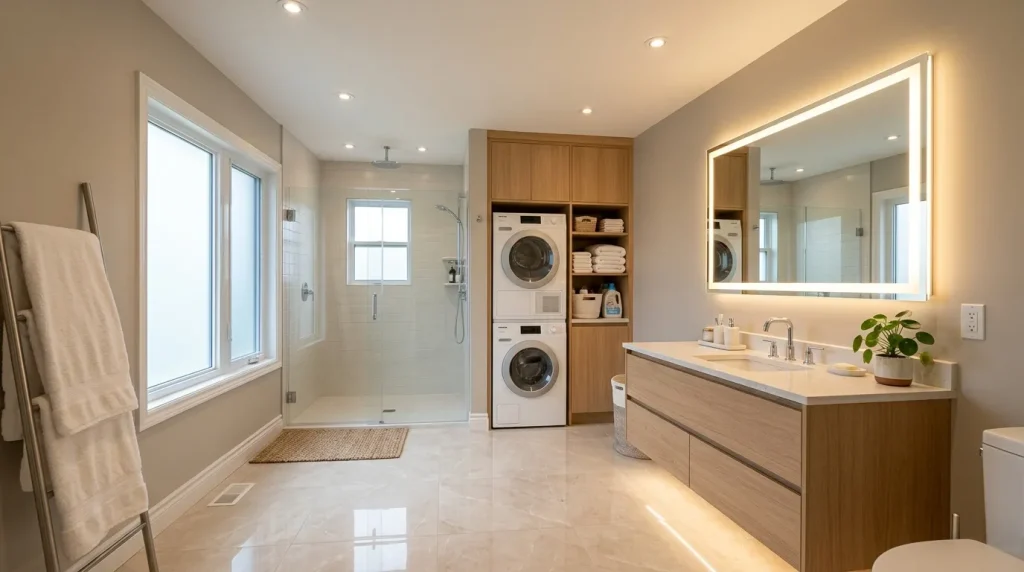
Lighting does far more than enhance appearance because it directly affects safety, comfort, and the efficiency of everyday tasks. Washing clothes, folding laundry, shaving, applying makeup, and cleaning all require clear visibility. Combining ambient, task, and accent lighting creates balanced illumination throughout the room while minimizing harsh shadows. Many professionals recommend using moisture-rated fixtures in areas exposed to steam or water for added reliability. Thoughtfully layered lighting makes the room feel larger, supports daily routines, and contributes to an inviting atmosphere regardless of the time of day.
Natural daylight adds another valuable layer by making colors appear more accurate and reducing dependence on artificial lighting during daytime hours. Where windows are limited, bright LED fixtures with a natural color temperature provide excellent visibility while remaining energy efficient. I’ve noticed that evenly distributed lighting often makes compact spaces feel significantly more open and welcoming. Positioning lights carefully around mirrors, storage areas, and appliances also minimizes dark corners, helping every part of the room remain practical, safe, and visually comfortable for daily use.
Choosing Appliances That Fit Your Household Needs
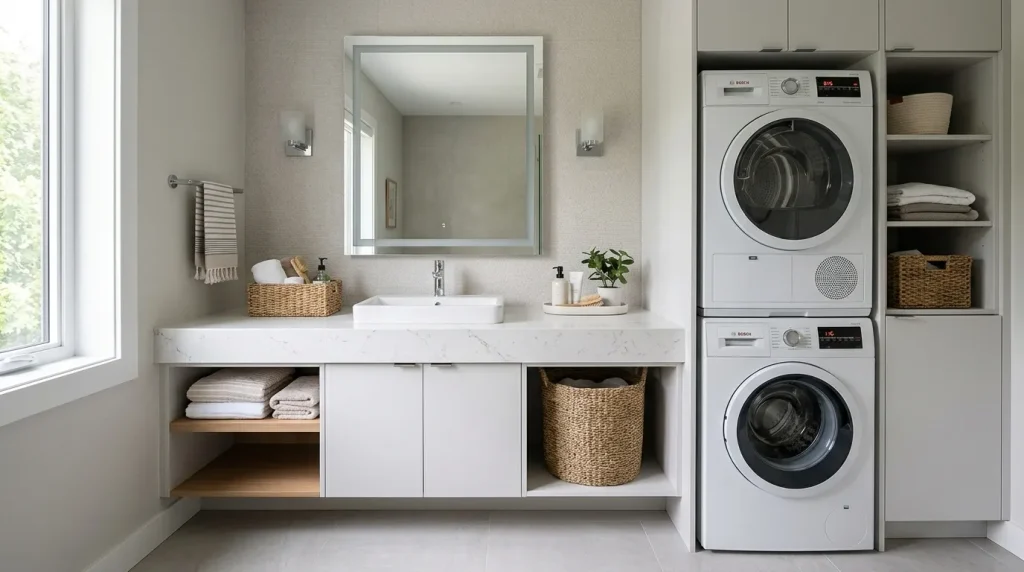
Selecting the right appliances begins with understanding how your household uses the space each day. Family size, available floor area, laundry frequency, and energy efficiency should all influence purchasing decisions. Compact front-loading machines, stackable units, and combination washer-dryers can save valuable space while still providing dependable performance. Studies have found that energy-efficient appliances reduce long-term utility costs while consuming less water and electricity. Comparing dimensions, capacity, operating noise, and maintenance requirements helps ensure new equipment supports both convenience and long-term satisfaction.
Appliance placement deserves careful consideration because accessibility affects everyday comfort. Doors should open fully without blocking walkways or interfering with nearby fixtures, allowing users to load, unload, and maintain machines easily. In my professional experience, leaving enough clearance around appliances also simplifies future servicing and replacement if needed. Choosing reliable models with features that genuinely match household routines often proves more valuable than paying for unnecessary technology. A thoughtful balance between efficiency, performance, and available space creates a room that functions smoothly for years.
Balancing Style and Function in One Space
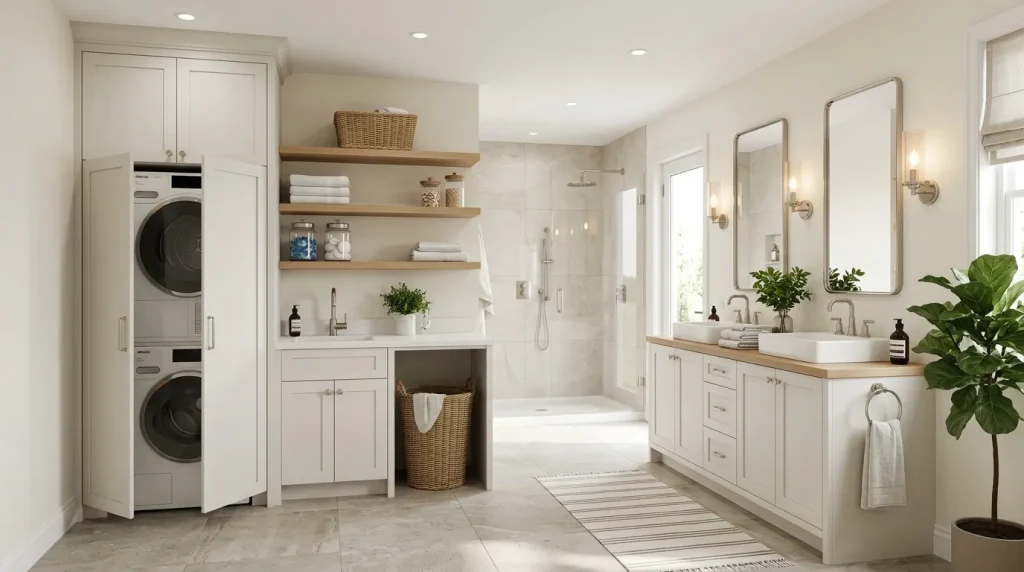
Creating a room that looks beautiful while remaining highly practical requires thoughtful design decisions from the beginning. Decorative finishes should complement the room’s functional purpose rather than compete with it. Coordinating colors, cabinetry, hardware, and flooring creates visual harmony, allowing laundry appliances to blend naturally into the overall design. Many interior designers recommend selecting timeless materials and neutral palettes because they remain attractive through changing trends. A balanced design supports everyday activities while maintaining an inviting atmosphere that feels organized instead of purely utilitarian. The same balance of style and function is essential in recreational spaces as well, and these small adult game room ideas show how smart layouts can maximize comfort and usability without sacrificing visual appeal.
Function should always remain the guiding principle behind every decorative choice. Attractive storage solutions, durable finishes, and carefully selected accessories contribute to both appearance and usability without introducing unnecessary clutter. I’ve observed that rooms designed with restraint often feel more luxurious than those filled with excessive decorative elements. Adding a few carefully chosen textures, artwork, or greenery creates warmth while preserving the clean, organized feeling essential for a multifunctional environment. This balance allows the room to remain practical while reflecting the homeowner’s personal style.
Common Design Mistakes and How to Avoid Them
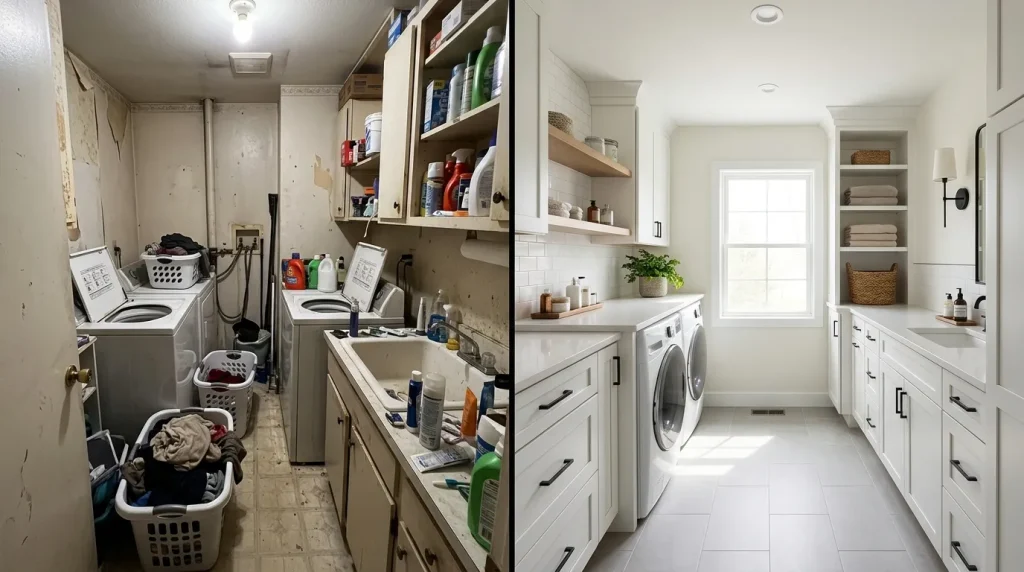
Even carefully planned renovation projects can encounter problems when important design principles are overlooked. Common mistakes include insufficient storage, poor ventilation, overcrowded layouts, inadequate lighting, and selecting materials unsuited for humid environments. These issues often reduce comfort while increasing maintenance requirements over time. Many professionals recommend reviewing complete floor plans several times before construction begins to identify potential weaknesses. Taking time to evaluate every design decision helps prevent expensive corrections while improving the room’s long-term functionality, durability, and overall user satisfaction.
Successful projects usually result from careful planning rather than expensive materials alone. I’ve seen many homeowners achieve impressive results simply by prioritizing circulation space, practical storage, and quality workmanship from the beginning. Seeking professional advice when needed can also reveal solutions that may not be immediately obvious during early planning stages. Learning from common mistakes allows future decisions to become more informed and cost-effective. By approaching each stage thoughtfully, homeowners create multifunctional spaces that remain attractive, efficient, and enjoyable to use well into the future.
Maintaining Your Space for Lasting Performance
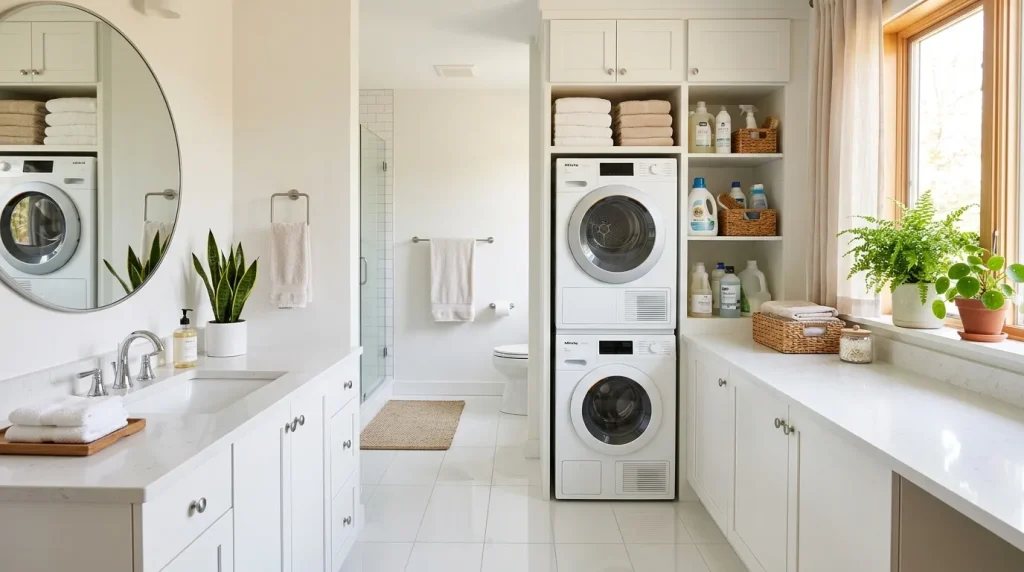
Even the best-designed spaces require consistent care to remain attractive and functional over the years. Regular cleaning prevents soap residue, detergent buildup, dust, and moisture from damaging finishes or affecting appliance performance. Establishing a simple maintenance routine also helps identify small issues before they become expensive repairs. Research shows that preventive maintenance extends the lifespan of household fixtures and equipment while improving overall efficiency. Cleaning ventilation systems, checking plumbing connections, and inspecting sealants periodically all contribute to a healthier and more dependable living environment.
Maintenance should be viewed as an investment rather than an inconvenience because it protects both appearance and functionality. In my experience, homeowners who schedule routine inspections experience fewer unexpected repairs and lower long-term maintenance costs. Simple habits, such as wiping wet surfaces, keeping storage organized, and ensuring proper airflow after showers, make a noticeable difference over time. A consistently maintained room continues supporting daily routines efficiently while preserving the value of the renovation and providing lasting comfort for everyone in the household.
Planning for Future Household Needs and Flexibility
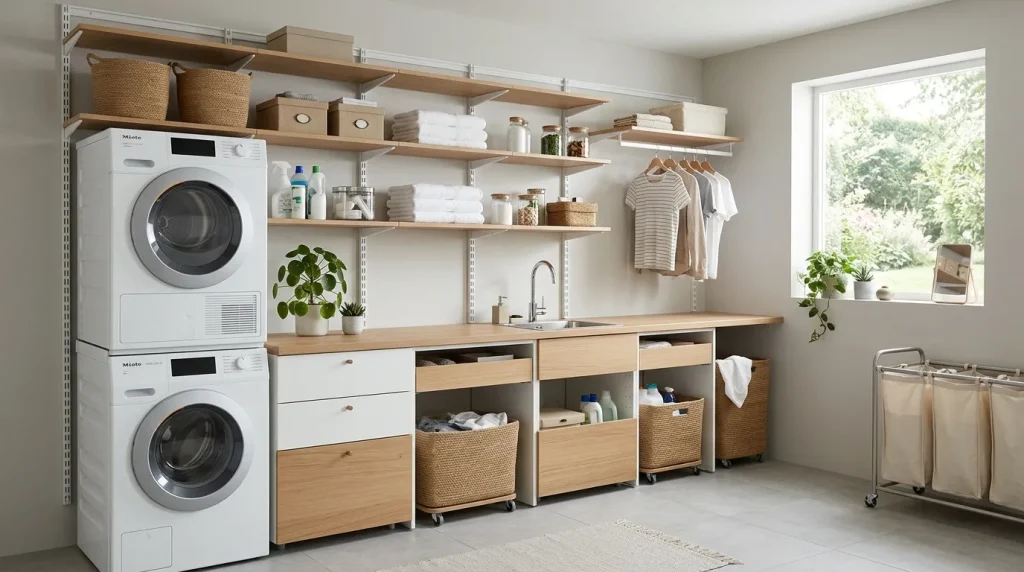
Household needs often evolve over time, making flexibility an important consideration during the planning stage. Growing families, aging homeowners, changing accessibility requirements, or future appliance upgrades can all influence how the room functions years later. Designing adaptable storage, leaving adequate service access, and selecting versatile layouts allow the space to accommodate future changes with minimal disruption. Many professionals encourage planning beyond immediate needs because thoughtful flexibility reduces renovation costs while extending the useful life of the overall design. Long-term thinking creates a more resilient and practical space.
Future-focused planning also encourages smarter investment decisions today. Choosing quality materials, reliable fixtures, and adaptable storage systems helps the room remain functional despite changing lifestyles or household routines. I’ve observed that homeowners who prioritize flexibility rarely regret allocating additional attention to long-term usability during renovations. A carefully designed laundry rooms bathroom combo should continue serving the household efficiently as needs evolve, minimizing unnecessary remodeling while supporting everyday comfort. Preparing for future changes ensures the room remains a valuable, dependable part of the home for many years.
Conclusion:
A thoughtfully designed laundry room bathroom combo is much more than a space-saving solution. It combines smart planning, durable materials, efficient layouts, and practical storage into a room that supports everyday living with greater comfort and convenience. By understanding the principles covered throughout this guide, you can make informed decisions that improve functionality while creating a space built to last.
I’ve seen how applying these proven design strategies helps homeowners avoid costly mistakes and enjoy better results for years to come. Use this guide as a trusted reference during your planning process, revisit it whenever you need direction, and share it with anyone looking to create a more efficient and beautifully organized home.
Elira Montclair
Elira writes about timeless home decor, kitchen styling, and practical interior ideas. Her work blends warm, inviting aesthetics with simple decorating tips that make everyday spaces feel beautiful and comfortable.