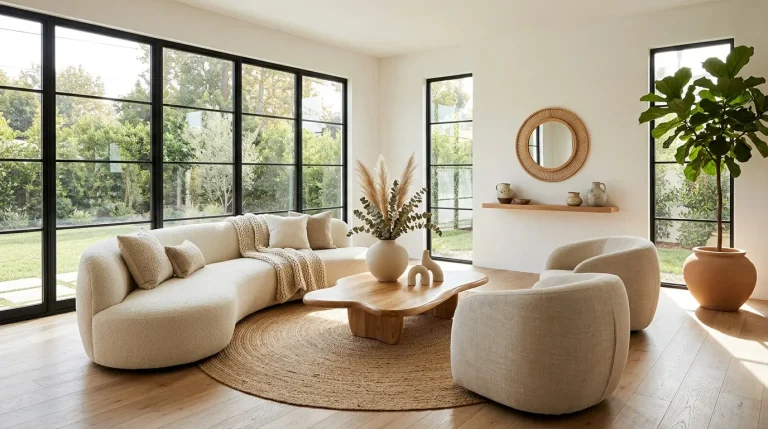
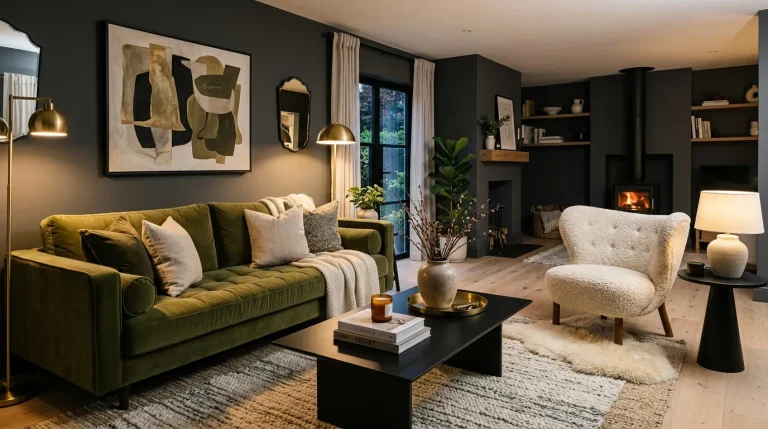
Moody Neutral Living Room Ultimate Guide for a Calm Luxe Home

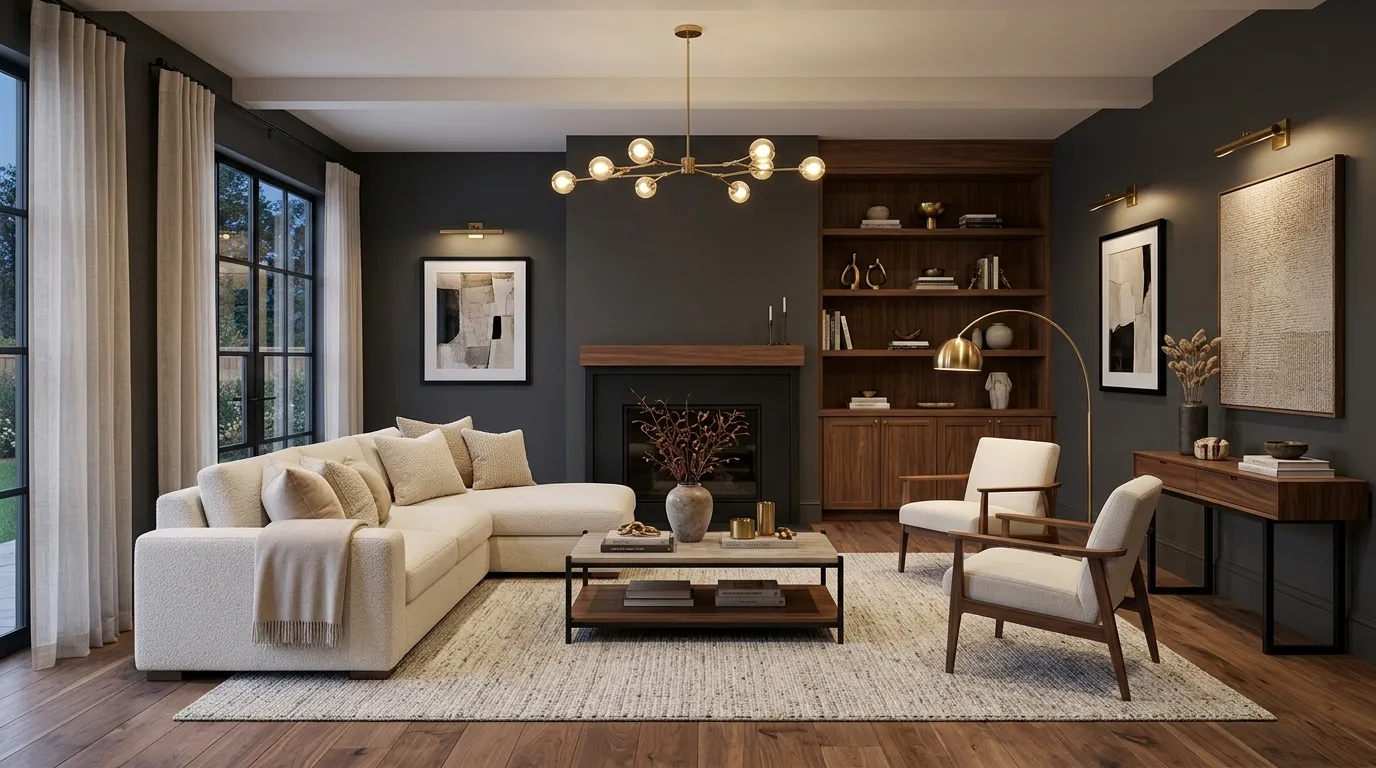
Introduction:
A moody neutral living room offers more than beautiful aesthetics—it creates a calming retreat that feels elegant, comfortable, and effortlessly timeless. If you’ve ever admired interiors that feel warm without being overly colorful or luxurious without appearing extravagant, you’re about to discover the principles behind that balanced look.
This guide explores the design concepts that make these spaces so inviting, from choosing harmonious color palettes to understanding how lighting, texture, furniture, and natural materials work together. Rather than focusing on fleeting decorating trends, you’ll learn practical strategies that can be adapted to homes of different sizes, layouts, and personal styles.
In my experience, the most successful living rooms are built around thoughtful planning instead of expensive purchases. I’ve noticed that even small changes—such as improving lighting, layering fabrics, or selecting complementary finishes—can dramatically change how a room feels every day. Throughout this guide, you’ll gain a deeper understanding of why these design choices matter, how professionals approach them, and how you can confidently apply the same principles to create a home that feels peaceful, functional, and beautifully refined for years to come.
What Defines a Dark and Neutral Living Space?
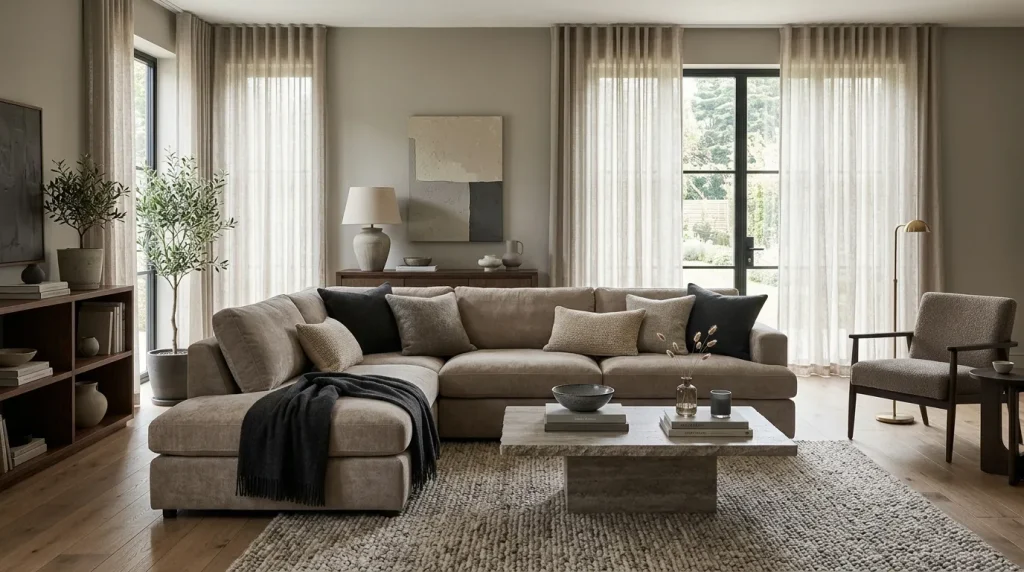
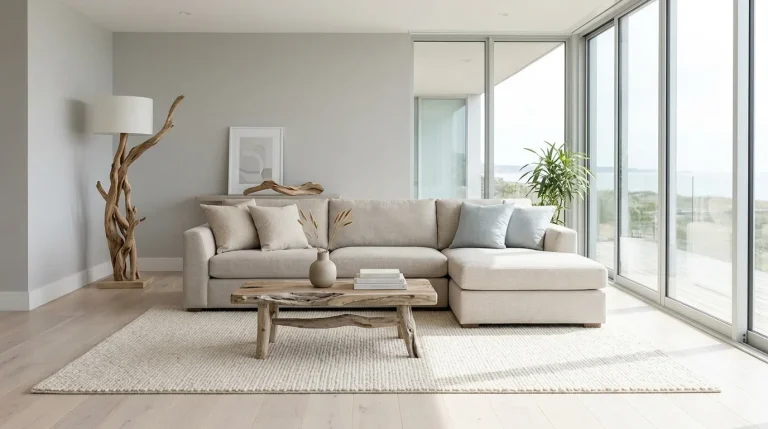
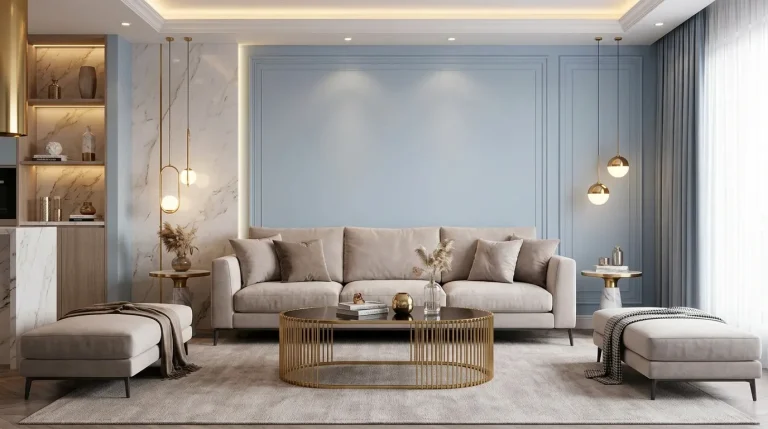
The appeal of darker neutral interiors goes far beyond following a design trend. These spaces combine understated colors with layered textures to create rooms that feel restful, elegant, and welcoming throughout the year. Instead of relying on bold contrasts, they use subtle differences in tone to add depth and character. A moody neutral living room typically features shades like charcoal, greige, taupe, warm gray, soft brown, and creamy ivory, blended thoughtfully to achieve balance without overwhelming the senses or making the room feel heavy. The same layered approach works beautifully in other parts of the home as well, and these eclectic bathroom ideas show how mixing textures, finishes, and carefully chosen colors can create spaces with warmth and personality.
Understanding this design approach helps homeowners make intentional decorating decisions instead of simply copying inspiration photos. Research shows that muted environments can encourage relaxation because they reduce visual clutter and create a sense of order. In my experience, the most inviting interiors are rarely built around one dramatic color. Instead, they rely on carefully layered neutrals, varied materials, and thoughtful lighting that allow every element to contribute quietly, resulting in a comfortable space that feels timeless rather than tied to temporary decorating trends.
Why Layered Neutral Colors Create Lasting Depth
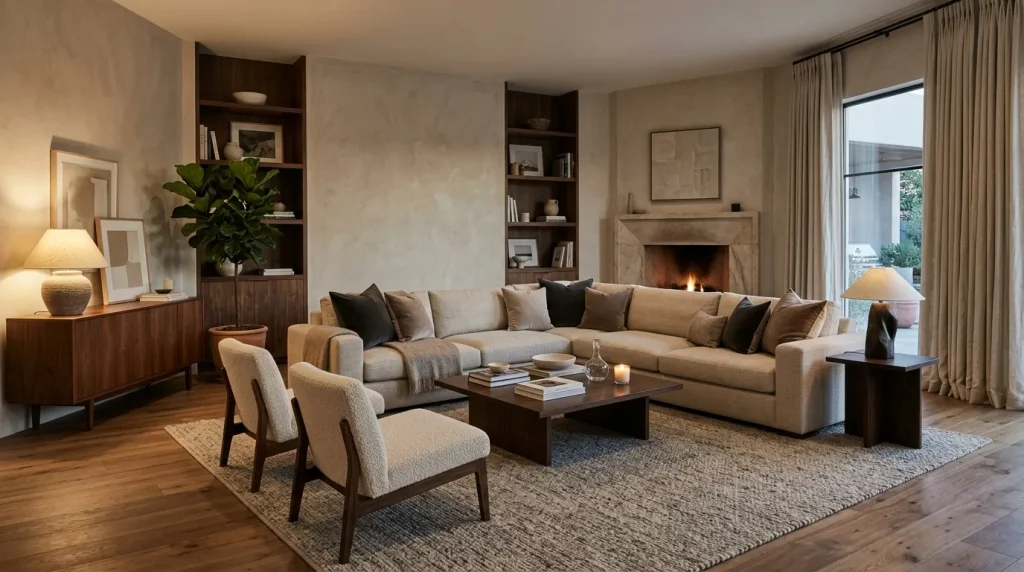
At first glance, neutral colors may appear simple, but successful interiors depend on thoughtful layering rather than using a single shade repeatedly. Combining warm and cool undertones introduces subtle variation that keeps the room visually engaging without feeling busy. Designers often mix lighter upholstery with darker furniture, textured textiles, and natural wood finishes to establish gentle contrast. This layered effect creates richness while maintaining harmony, allowing every object to stand out naturally instead of competing for attention within the overall design.
Many people mistakenly believe neutral palettes lack personality, yet the opposite is often true when different textures and finishes work together. I’ve noticed that spaces using woven fabrics, matte paint, stone surfaces, and rich wood grains feel significantly more dynamic than rooms relying only on color differences. Professionals frequently recommend viewing samples together under natural and evening lighting before making final decisions. This practical step reveals how undertones interact throughout the day, preventing unexpected combinations once the room is fully furnished.
How Lighting Shapes the Overall Atmosphere
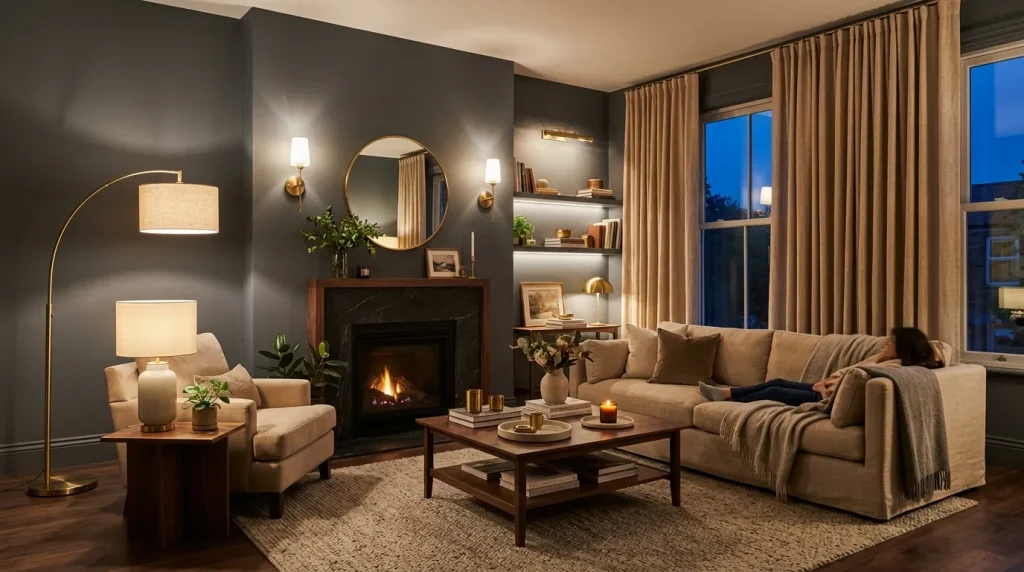
Lighting is often the hidden element that determines whether a room feels welcoming or uncomfortably dark. Even the most carefully selected palette can lose its warmth if illumination is poorly planned. Instead of depending on a single ceiling fixture, successful interiors combine ambient, task, and accent lighting to highlight textures while creating visual balance. Warm bulbs, diffused lampshades, and strategically positioned fixtures soften shadows, making darker color schemes appear rich and inviting rather than flat or enclosed, regardless of the room’s size.
Natural daylight also plays a significant role in how interior colors are perceived throughout the day. Rooms facing north, south, east, or west experience changing light conditions that influence wall colors and furnishings differently. In my experience, observing a space during morning, afternoon, and evening provides valuable insight before committing to permanent finishes. Many professionals recommend designing with multiple light sources because flexible lighting allows homeowners to adjust the atmosphere for relaxing, entertaining, reading, or everyday family activities without changing the overall décor.
Understanding Texture as an Essential Design Element
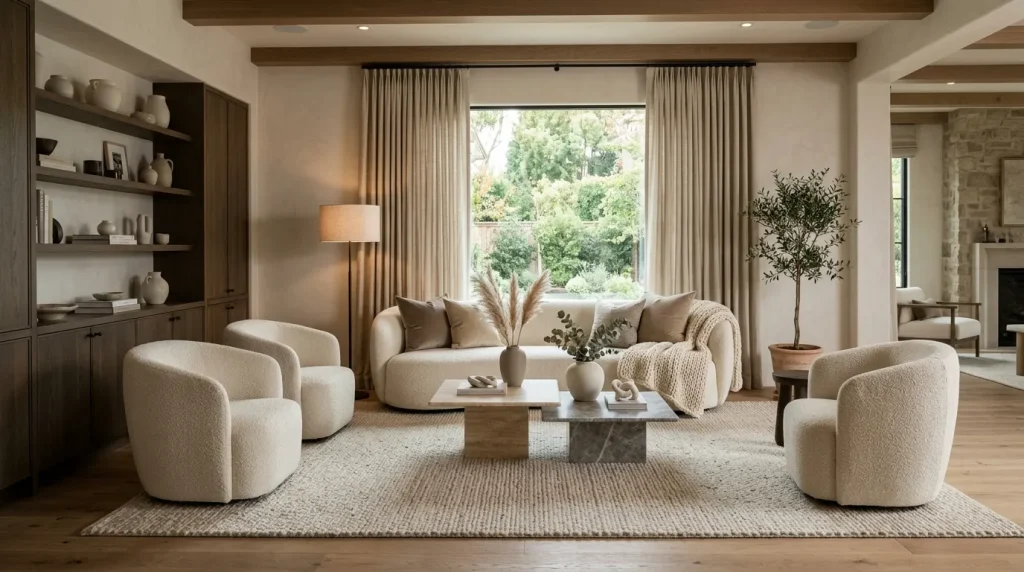
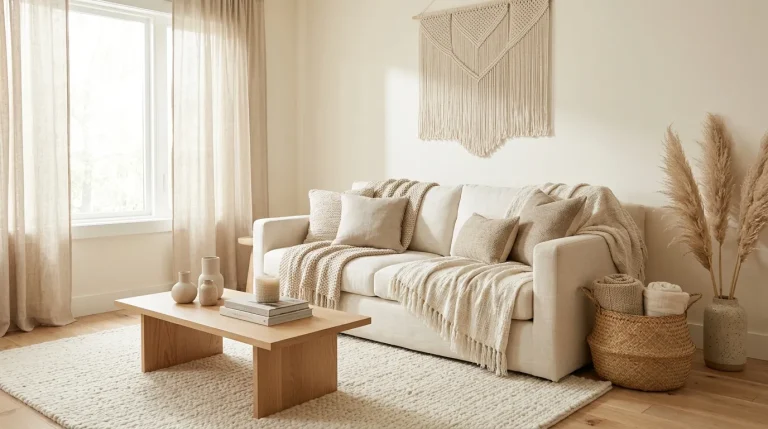
Texture transforms a restrained color palette into an engaging environment by adding visual and tactile interest without introducing unnecessary patterns. When similar shades appear across multiple materials, every surface contributes its own character while maintaining harmony. Soft upholstery, woven fabrics, polished stone, matte ceramics, warm wood, and brushed metals each reflect light differently, creating gentle movement throughout the room. This layered approach prevents neutral spaces from appearing flat while preserving the calm atmosphere that many homeowners seek.
Many beautifully designed homes rely more on texture than bold color to create lasting visual appeal. In my experience, combining at least four or five distinct materials produces noticeable richness while remaining cohesive. Designers frequently balance smooth finishes with rougher natural elements to avoid monotony. For example, pairing velvet cushions with linen curtains, wooden furniture, and a wool rug introduces enough variation to keep the room interesting from every angle without overwhelming the overall aesthetic or disrupting its peaceful character.
Why Furniture Shapes Balance and Visual Flow
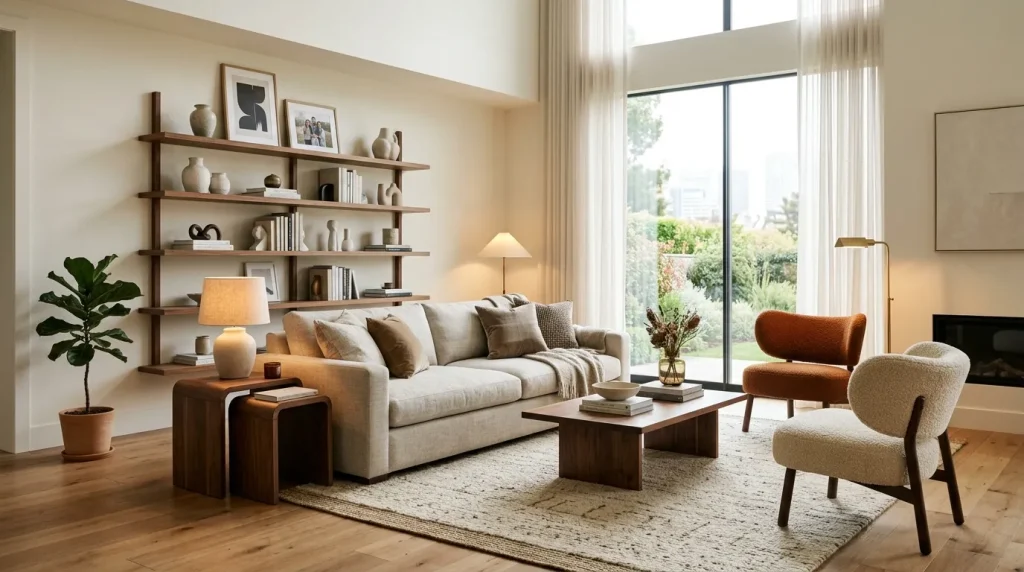
Furniture does much more than provide seating because it establishes the room’s structure, circulation, and visual rhythm. Well-proportioned pieces help the eye move naturally across the space while preventing crowded or empty areas. Before purchasing anything, measure the room carefully and identify natural walking paths. Choosing furniture with complementary scale ensures every item supports the overall composition. Balanced layouts encourage comfortable conversation, improve functionality, and make even modest spaces feel more refined and intentionally designed.
Successful arrangements prioritize both appearance and everyday usability instead of sacrificing one for the other. I’ve observed that leaving generous breathing room around major furniture pieces immediately makes interiors feel calmer and more luxurious. Many experts recommend starting with the largest item, usually the sofa, before positioning secondary seating, tables, and storage. This practical sequence simplifies planning, maintains proportional balance, and helps every furnishing contribute to a cohesive environment that remains comfortable for daily living and entertaining alike.
The Importance of Contrast Without Overpowering the Room
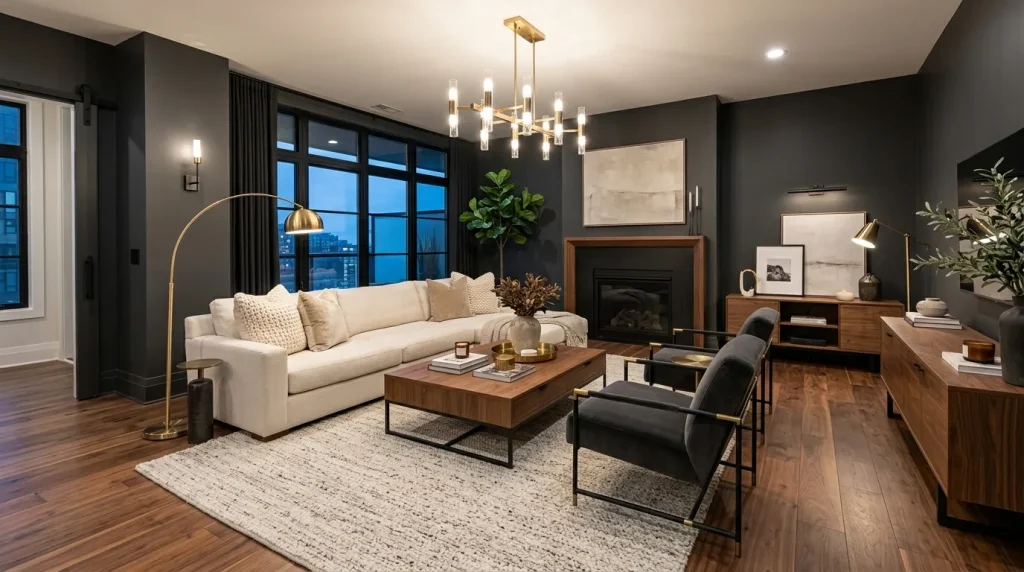
Contrast gives a room definition, helping individual elements stand out while preserving overall harmony. Without thoughtful variation, similar shades can blend together and reduce visual interest. Effective contrast does not require dramatic color changes. Instead, designers often rely on differences in lightness, texture, material, and finish. Pairing darker furniture with lighter upholstery or combining matte surfaces alongside reflective accents creates dimension naturally. These subtle relationships help establish focal points while maintaining the calm, refined atmosphere that many homeowners appreciate.
Many people assume stronger contrast automatically creates a more luxurious appearance, yet balance usually delivers better long-term results. I’ve observed that carefully controlled differences feel far more elegant than extreme combinations competing for attention. Designers frequently recommend introducing darker accents gradually through artwork, lighting fixtures, decorative objects, or side tables before committing to major permanent features. This measured approach allows homeowners to evaluate the overall balance and make confident adjustments while preserving comfort, cohesion, and visual sophistication throughout the space.
Why Thoughtful Storage Supports a Relaxing Environment
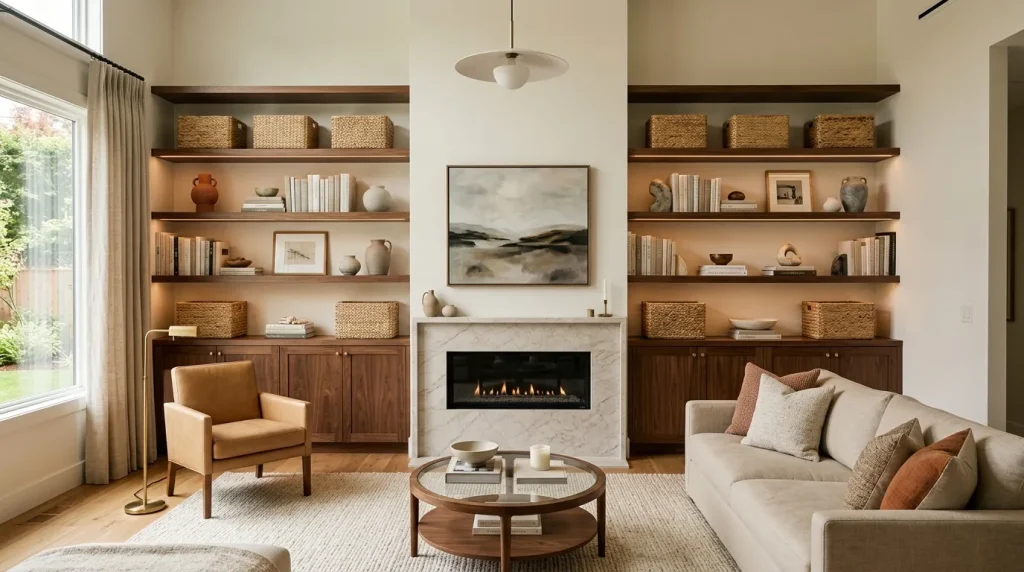
An organized living room naturally feels calmer because every object has a designated place. Effective storage reduces visual noise, allowing carefully selected furniture, artwork, and decorative accents to become the focus instead of everyday clutter. Built-in cabinetry, multifunctional coffee tables, storage ottomans, and attractive baskets all help maintain order while supporting daily routines. Thoughtfully concealed storage also simplifies cleaning and makes the room easier to enjoy, whether relaxing alone, entertaining guests, or spending time together as a family.
Research consistently suggests that tidy environments contribute to improved concentration and reduced feelings of stress. In my experience, homeowners are more likely to maintain organization when storage solutions are convenient and attractive rather than hidden away in distant rooms. Professionals often recommend balancing open shelving with closed cabinets so favorite decorative items remain visible while less attractive necessities stay out of sight. This practical approach creates an interior that feels welcoming, functional, and effortlessly composed throughout everyday life.
How Artwork Adds Personality Without Overwhelming Neutrals
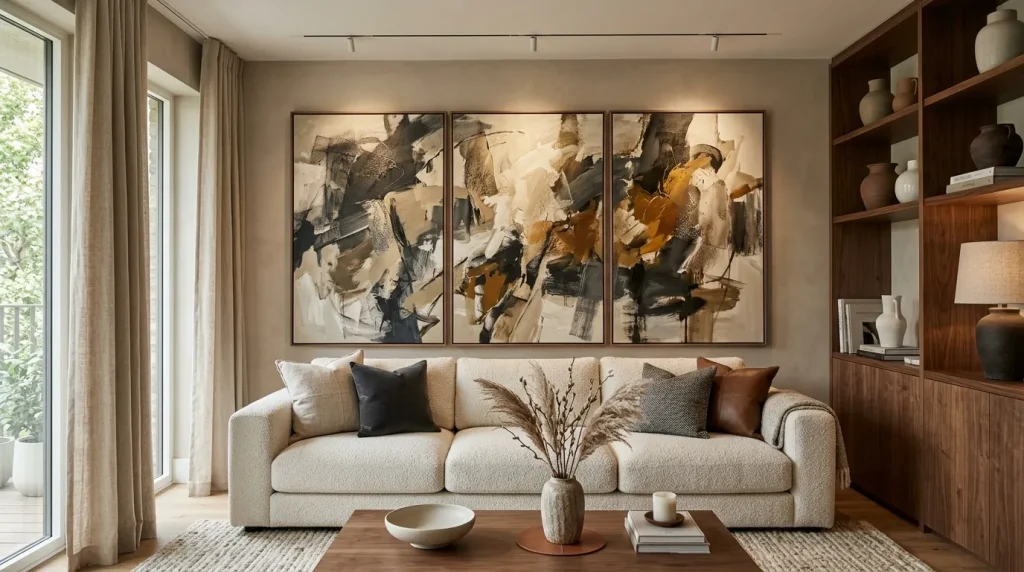
Artwork introduces individuality by reflecting personal taste while reinforcing the room’s overall aesthetic direction. Instead of selecting pieces solely because they match existing colors, consider artwork that contributes emotion, movement, or subtle contrast. Large-scale pieces often create stronger impact than numerous smaller frames, helping establish a clear focal point without making walls feel crowded. Abstract compositions, nature-inspired imagery, and textured mixed-media works frequently complement restrained interiors because they add visual interest while preserving an atmosphere of calm sophistication.
Many professionals encourage choosing artwork that feels meaningful rather than simply fashionable. I’ve found that rooms become more memorable when displayed pieces reflect personal experiences, favorite destinations, or creative interests instead of temporary decorating trends. Proper placement also matters, with artwork generally positioned at comfortable viewing height and scaled appropriately to surrounding furniture. These thoughtful decisions help each piece feel integrated into the overall design, enhancing character without disrupting the room’s balanced and timeless appearance.
Common Decorating Mistakes and How to Avoid Them
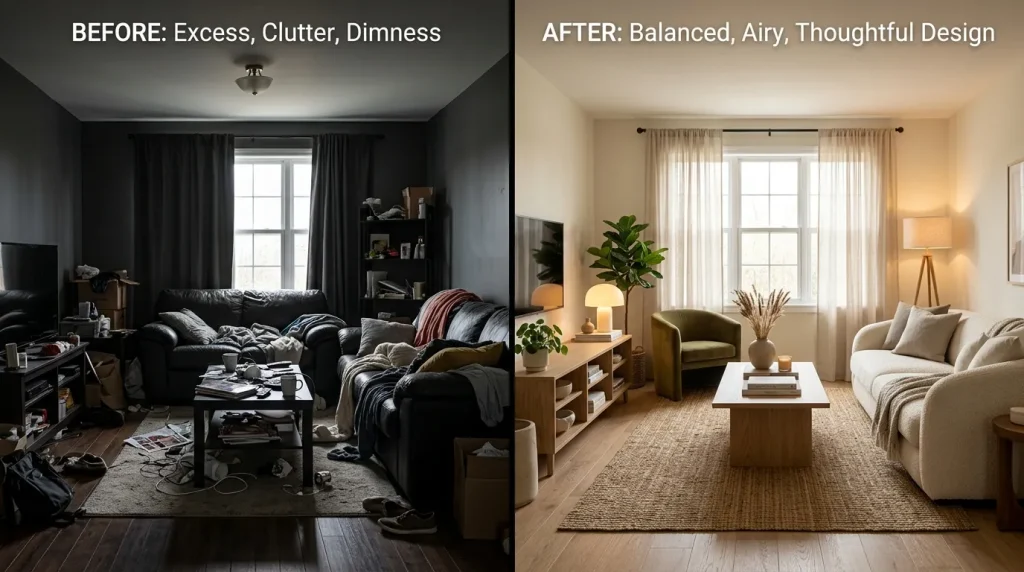
Even carefully planned interiors can lose their appeal when a few common mistakes disrupt balance and comfort. One frequent issue is relying on a single neutral shade throughout the room, which often creates a flat appearance instead of the intended sophistication. Another mistake involves overlooking natural light or choosing furniture that overwhelms the available space. Decorative accessories can also become distracting when every surface is filled. Recognizing these challenges early allows homeowners to make informed decisions before investing in costly furnishings, finishes, or permanent renovations.
I’ve observed that successful rooms are usually edited just as carefully as they are decorated. Many professionals recommend stepping away after completing a space, then returning later with fresh perspective to identify unnecessary items or awkward layouts. Photographing the room can also reveal proportion issues that are less noticeable in person. Making gradual adjustments rather than rushing major purchases encourages better long-term results, helping homeowners create interiors that remain comfortable, functional, and visually balanced through changing seasons and evolving personal preferences.
How Seasonal Updates Keep the Space Feeling Fresh
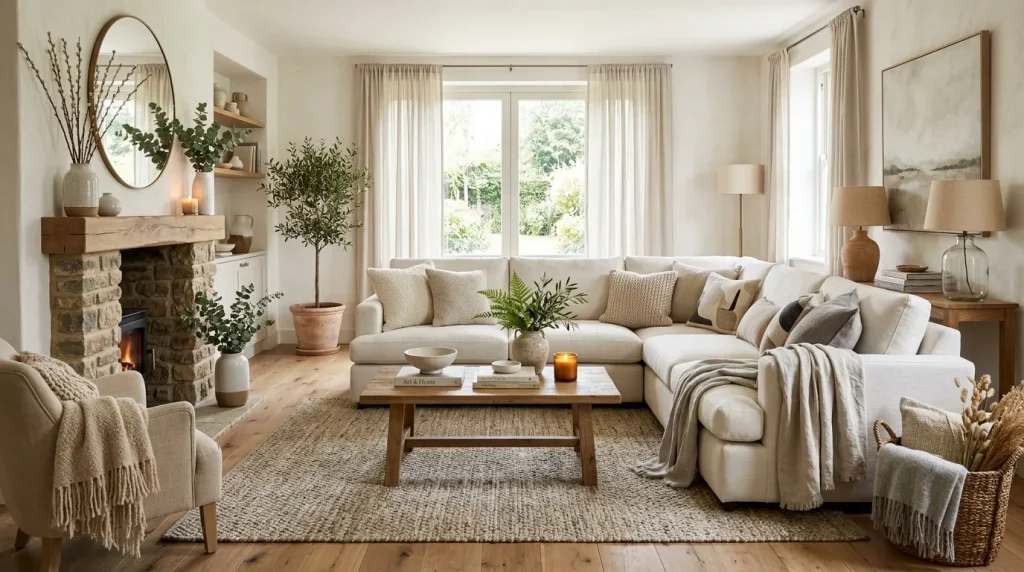
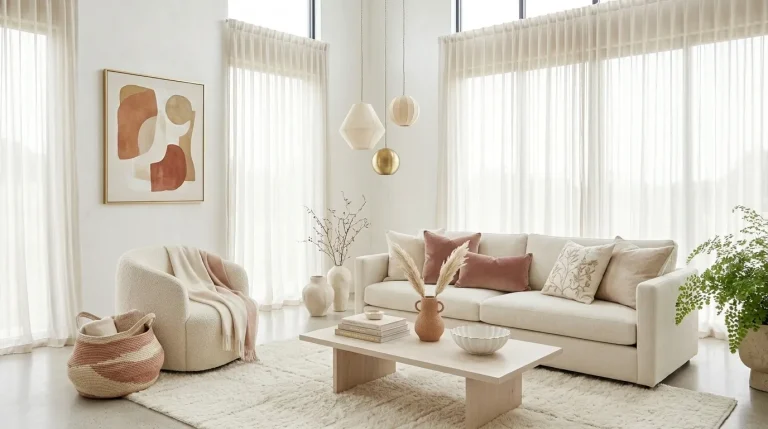
Refreshing a living room for different seasons does not require replacing major furniture or changing the entire color palette. Small updates through textiles, greenery, artwork, and decorative accessories can subtly transform the atmosphere while preserving the room’s core design. Lightweight fabrics and fresh botanical arrangements suit warmer months, whereas chunky knit throws, rich textures, and warm candlelight create additional comfort during colder seasons. These simple adjustments help the space feel current without sacrificing consistency or requiring significant financial investment.
In my experience, homeowners enjoy their interiors longer when seasonal changes remain intentional and restrained. Rather than introducing trendy colors that quickly feel dated, many designers recommend rotating natural materials, textured fabrics, and organic decorative elements already within the home’s overall palette. This approach maintains visual harmony while offering enough variation to keep the environment interesting throughout the year. Thoughtful seasonal styling also encourages regular maintenance, ensuring the room continues to feel welcoming, organized, and carefully curated over time.
Creating a Home That Feels Calm Every Day
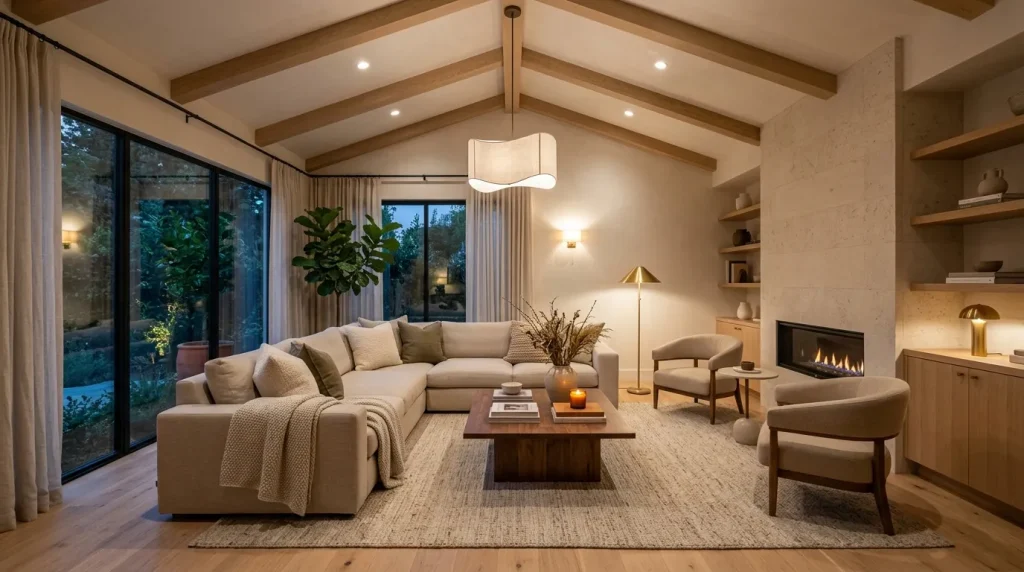
A truly relaxing home is created through intentional decisions that support comfort, functionality, and emotional well-being rather than simply following current decorating trends. Every element, from lighting and furniture placement to textures and storage, contributes to how the room feels during everyday life. The most successful interiors encourage slowing down, spending meaningful time with family, or enjoying quiet moments alone. When each design choice serves both beauty and practicality, the living room naturally becomes a place people look forward to using every day.
Research continues to highlight the positive influence thoughtfully designed environments can have on daily comfort and overall satisfaction. I’ve seen how small improvements, such as better lighting, simplified layouts, and carefully layered materials, can completely transform the way people experience their homes. Lasting success rarely comes from dramatic changes but from consistent attention to quality, balance, and personal needs. Approaching design with patience and purpose creates an inviting environment that remains timeless, functional, and enjoyable for many years.
Why Thoughtful Design Creates Lasting Value
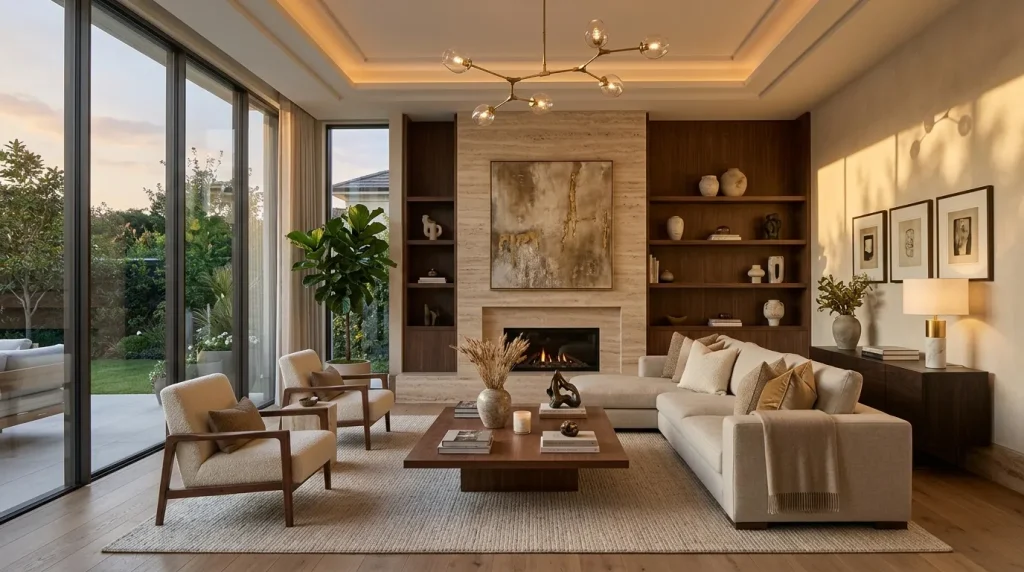
Thoughtful interior design delivers benefits that extend well beyond visual appeal. A carefully planned moody neutral living room supports everyday comfort, adapts to changing lifestyles, and provides a timeless foundation that evolves gracefully with new furnishings or decorative accents. By prioritizing balanced color relationships, quality materials, functional layouts, and layered lighting, homeowners create environments that remain enjoyable for years instead of requiring frequent redesigns. These principles encourage confident decorating decisions while reducing costly mistakes and unnecessary replacements over time.
In my experience, the most memorable homes succeed because every design decision reflects purpose rather than impulse. Research consistently suggests that comfortable, organized, and visually balanced environments contribute to greater daily satisfaction and long-term enjoyment. Applying the concepts explored throughout this guide allows readers to create interiors that feel welcoming, refined, and highly functional without depending on passing trends. With patience, thoughtful planning, and attention to detail, lasting elegance becomes an achievable goal for homes of nearly every size and style.
Conclusion:
Creating a beautiful living room is about understanding how thoughtful design choices work together rather than following temporary trends. From selecting balanced color palettes and layering natural textures to planning lighting, furniture, storage, and meaningful accessories, each element contributes to a space that feels welcoming and timeless. A moody neutral living room succeeds because it combines comfort, function, and understated elegance in equal measure. I’ve seen how applying these principles can completely transform everyday living, making homes feel calmer and more enjoyable. Revisit this guide whenever you plan updates, put these ideas into practice, and share it with others who want to create a lasting, luxurious home.
Clara Whitmore
Clara specializes in interior styling, seasonal home trends, and cozy living spaces. She loves combining classic design elements with modern touches to create homes that feel personal, welcoming, and effortlessly stylish.