Moody Living Room Makeover With 7 Simple Designer Tricks

Introduction:
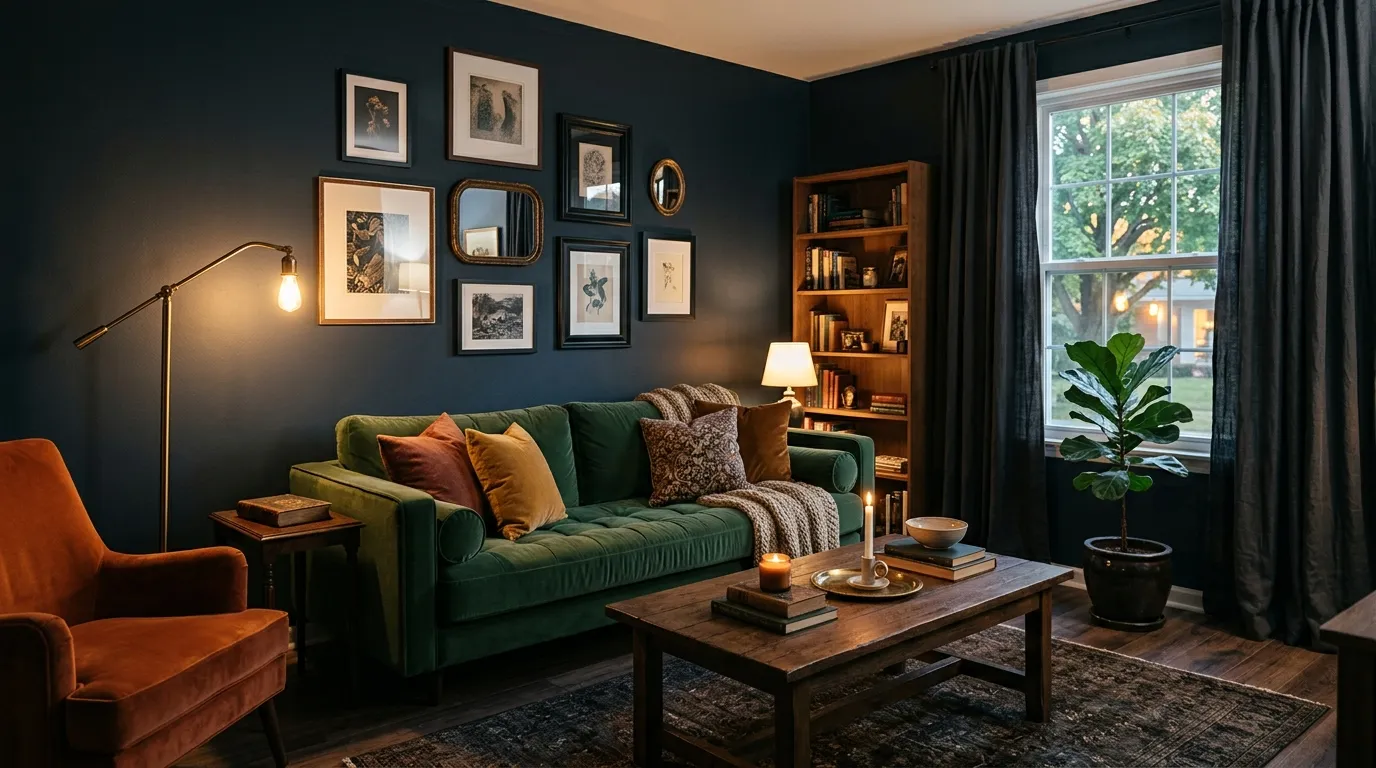
A moody living room can completely change the way your home feels. The right mix of lighting, texture, and darker tones instantly creates a space that feels cozy, elevated, and effortlessly stylish.
If your living room feels flat, unfinished, or lacking personality, small design upgrades can make a dramatic difference without requiring a full renovation. This article shares simple designer-inspired ideas that help darker interiors feel warm, balanced, and visually expensive while still staying practical for real everyday living. From layered lighting to soft textures and bold contrast, each idea focuses on creating depth and comfort in a modern way. In my experience, even one thoughtful change can completely shift the atmosphere of a room and make the entire home feel calmer, richer, and more intentional.
1.Charcoal Accent Wall
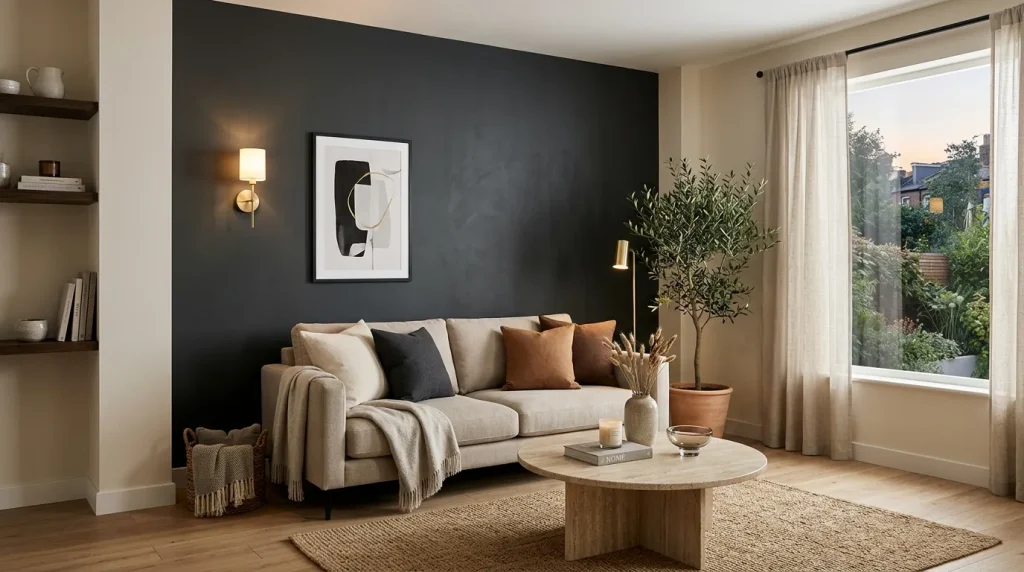
A dark accent wall can completely reshape how a living room feels without requiring a full renovation. The rich charcoal tone creates depth that immediately makes the space look more layered, polished, and intentional. I’ve noticed this works especially well when the rest of the room stays soft and neutral because the contrast feels balanced instead of heavy. Large furniture pieces suddenly appear more expensive, and even simple decor becomes visually stronger against a darker backdrop. This approach also helps open layouts feel more grounded, which is why many designers use deep tones to create a cozy but elevated atmosphere.
One reason this design trick works so well is because it changes the way lighting interacts with the room. Warm lamps, candles, and soft ceiling lights reflect beautifully against darker paint, creating a calm glow that instantly feels inviting. In my experience, many people worry dark walls will make a room feel smaller, but the opposite often happens when the space is styled correctly. Keeping surrounding textures soft and minimal prevents the area from feeling crowded. This simple update can give a living room a dramatic designer finish while still feeling modern, relaxed, and highly livable every day.
2.Layered Lighting
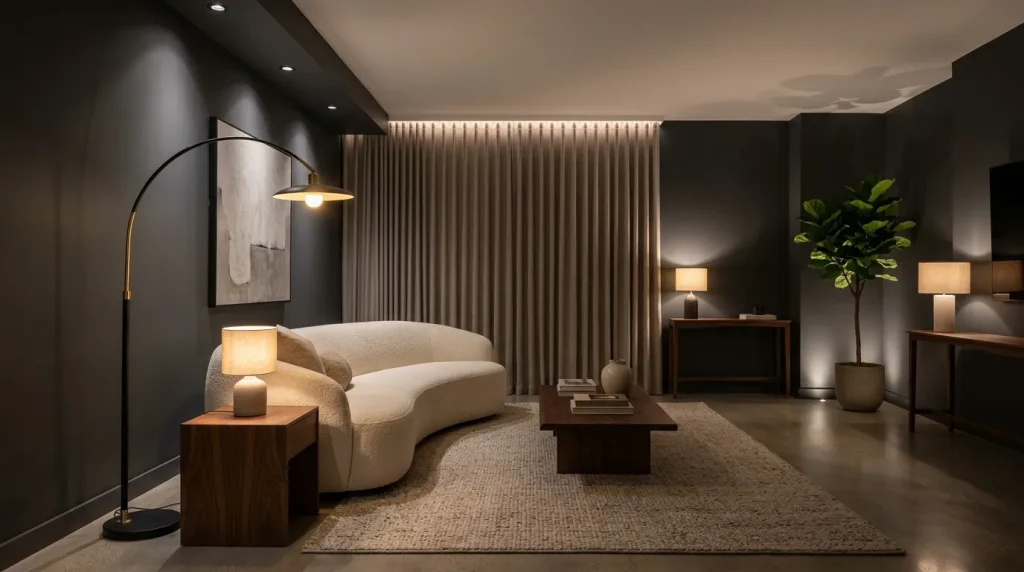
Lighting changes everything in a darker interior, especially when the goal is creating warmth instead of heaviness. A single overhead light often leaves the room looking flat, while layered lighting creates softness and depth throughout the entire space. Combining floor lamps, wall sconces, and small table lamps helps distribute warmth evenly without overwhelming the design. That’s why many designers recommend using several lower-intensity light sources instead of one bright central fixture. The result feels instantly calmer and more inviting, especially during evenings when the soft glow highlights textures, fabrics, and darker finishes beautifully.
I’ve seen this work well in many homes because lighting can completely shift the emotional feel of a moody livings room aesthetic without requiring major decorating changes. Warm bulbs against darker walls create subtle contrast that makes furniture and decor appear more styled and intentional. Even simple spaces start looking luxurious when shadows feel soft instead of harsh. This setup also improves functionality because different lights can serve different moods throughout the day. A reading lamp beside the sofa, for example, adds comfort while also visually balancing the room. In a moody livings room aesthetic, thoughtful lighting often becomes the detail that ties everything together effortlessly.
3.Textured Neutral Sofa
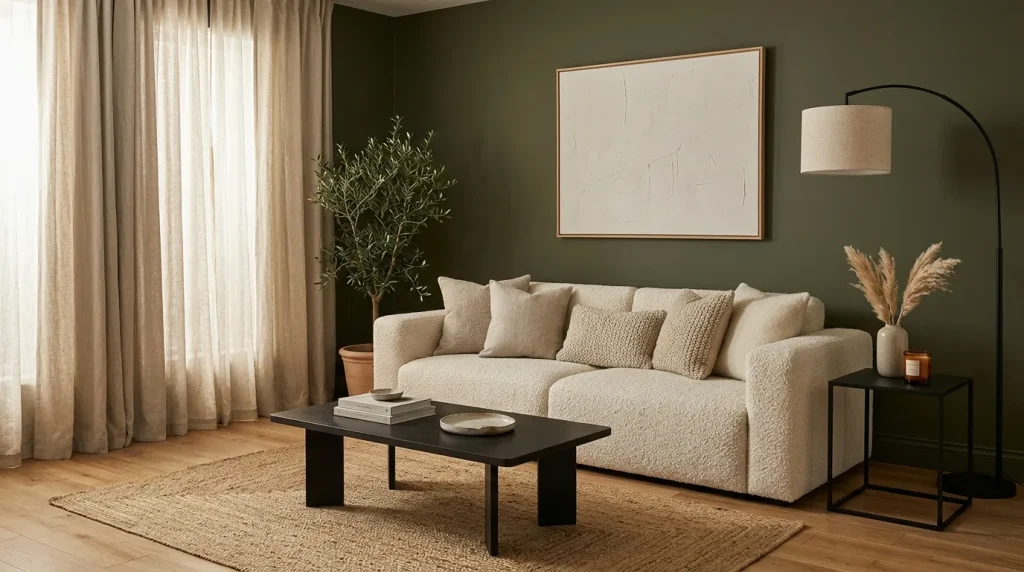
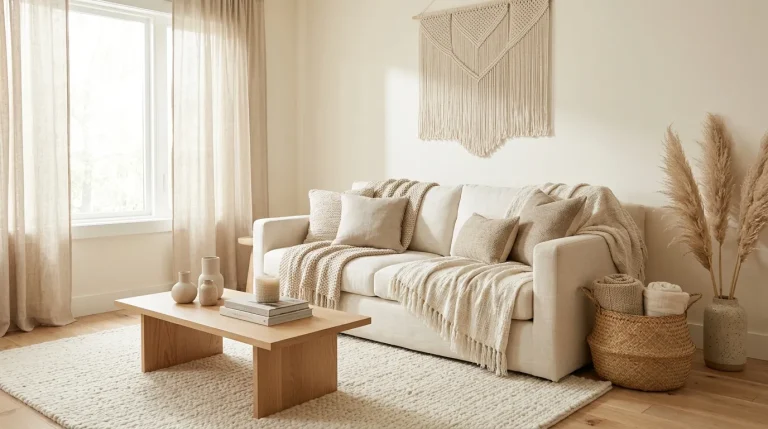
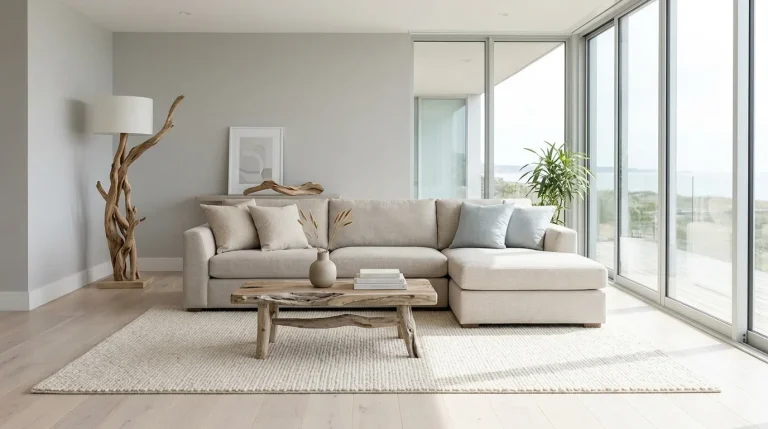
A textured neutral sofa is one of the easiest ways to soften deeper colors without losing the dramatic atmosphere people love. Boucle, linen, and woven fabrics add quiet visual interest that keeps the room from looking overly flat or heavy. The contrast between soft seating and darker surroundings creates balance that feels stylish but comfortable enough for everyday living. I’ve noticed this combination photographs beautifully as well because lighter textures naturally stand out against deeper walls and flooring. Even small living rooms benefit from this approach because the lighter furniture keeps the space visually open and airy.
Another reason this works so effectively is because textured fabrics make the entire setup feel warmer and more welcoming. Smooth leather or glossy finishes can sometimes feel too sharp in darker interiors, while woven materials add softness that instantly changes the mood. In my experience, people spend more time relaxing in spaces that feel visually comfortable rather than overly styled. Layering neutral cushions or soft throws can also make the seating area feel more curated without adding clutter. This creates a refined look that feels high-end but still practical enough for real homes and everyday routines.
4.Black Marble Details
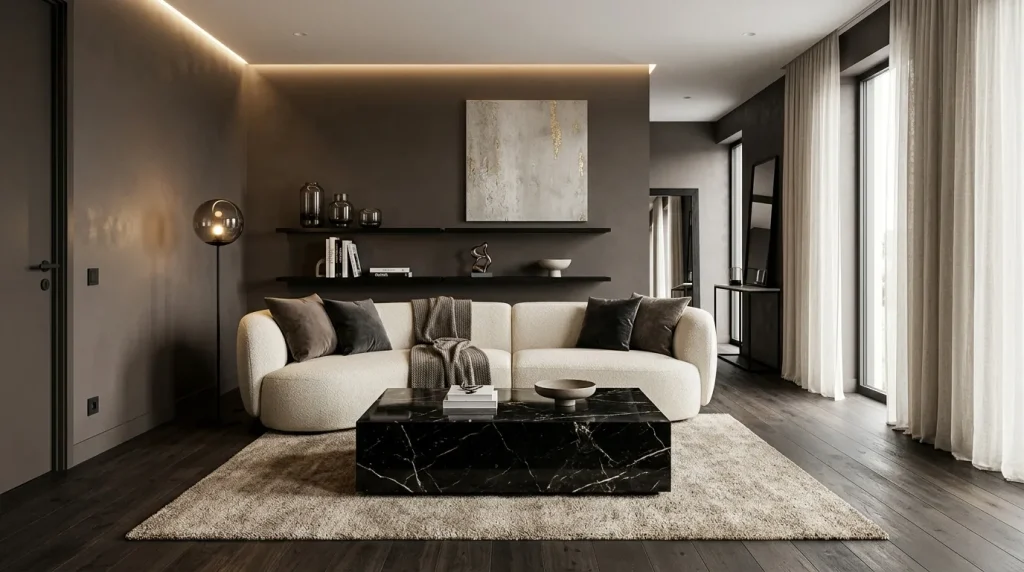
Black marble instantly adds a polished designer feel while still keeping the room modern and understated. Whether used on a coffee table, side table, or fireplace detail, the subtle veining creates texture that prevents dark interiors from feeling too flat. I’ve noticed even one marble surface can completely shift the visual quality of a room because it reflects light in a soft, sophisticated way. The contrast between matte finishes and polished stone adds depth that feels intentional rather than overwhelming. This combination also works especially well with neutral seating because it creates balance without introducing excessive color or clutter.
One reason designers repeatedly use marble in darker interiors is because it introduces movement while maintaining a clean palette. Solid black furniture can sometimes feel visually heavy, but marble surfaces soften that effect through natural texture and reflection. Warm lighting bouncing off polished stone creates a subtle glow that makes the room feel layered and expensive. In my experience, this trick works best when surrounding decor stays minimal so the stone becomes a statement instead of competing with other details. In a moody decor living room , even small marble accents can make the overall design feel dramatically more refined and elevated.
5.Floor-Length Curtains
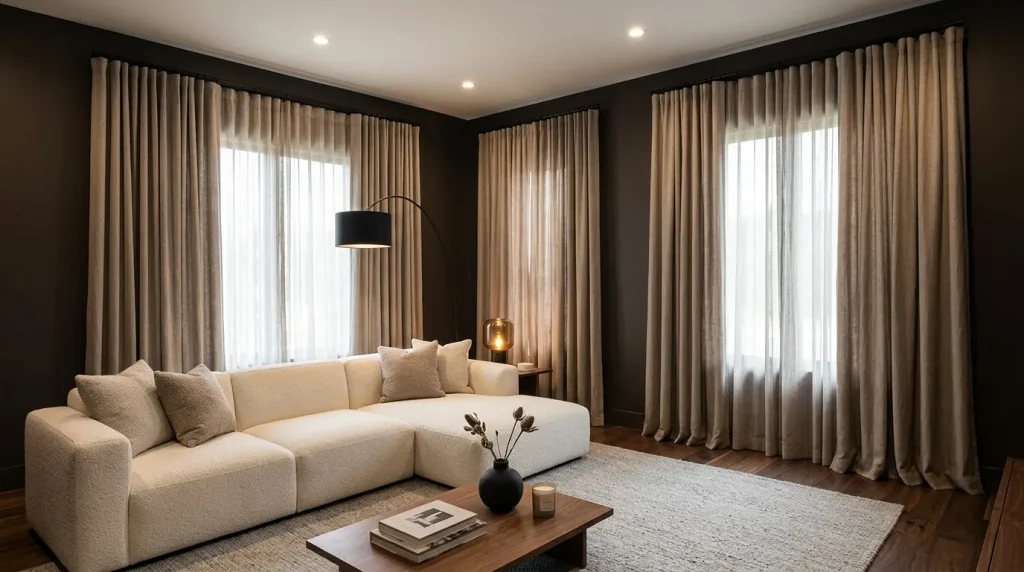
Long curtains have a surprisingly powerful effect on how polished a living room feels. Hanging them close to the ceiling draws the eye upward, making the room appear taller and more architectural even when the space itself is small. The soft vertical lines also balance heavier furniture and darker walls beautifully. That’s why many designers recommend full-length curtains instead of shorter panels that visually cut the room in half. I’ve seen this work especially well in apartments where ceilings feel low because the added height creates a cleaner, more expansive appearance without requiring structural changes or expensive upgrades.
Fabric texture also plays a major role in making darker interiors feel warm instead of overwhelming. Linen blends, soft woven materials, and matte fabrics diffuse sunlight gently throughout the room while keeping the atmosphere relaxed and cozy. During evenings, layered lighting against soft curtains creates subtle shadows that add even more depth to the space. In my experience, darker rooms feel significantly more comfortable when there’s a balance between structured furniture and softer textile elements. This simple update makes the entire room feel intentionally styled while still maintaining a calm, modern, and highly livable atmosphere every day.
6.Warm Wood Contrast
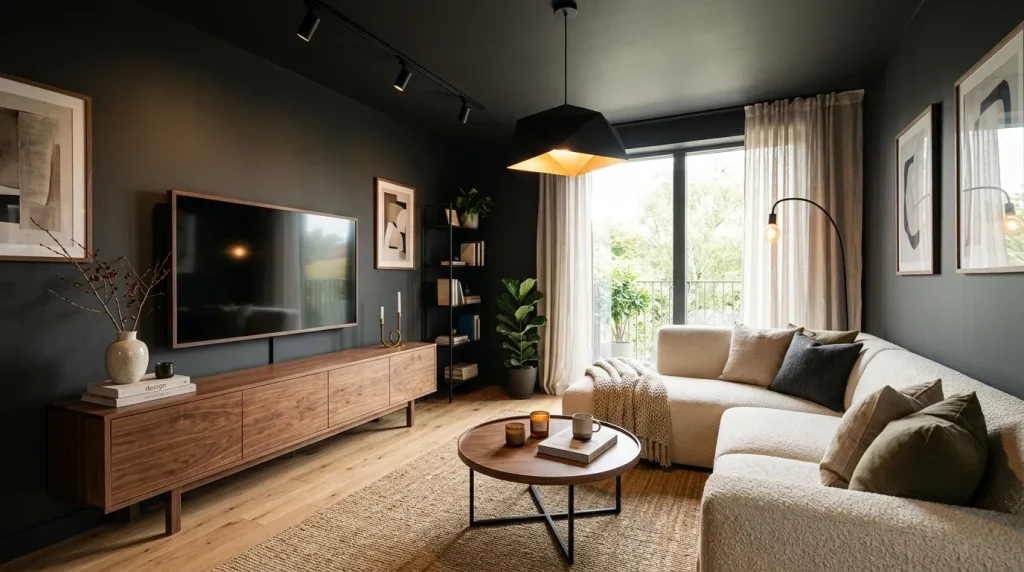
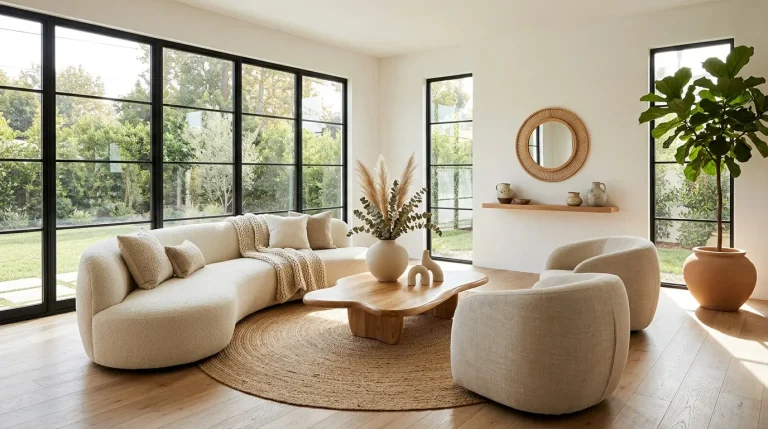
Warm wood elements create the balance that many darker interiors need to feel comfortable and welcoming. Walnut, oak, and medium-toned wood finishes soften deeper colors by introducing natural warmth that instantly changes the mood of the room. A wooden media console, coffee table, or shelving unit can break up darker surfaces while still maintaining a modern aesthetic. I’ve noticed rooms often feel more expensive when natural textures are mixed with matte finishes because the contrast adds quiet depth. This approach also keeps the space from looking overly styled or too monochromatic, which can sometimes happen in darker designs.
The key is moderation. This is a technique often used in design styles like scandinavian bedroom ideas: 25 simple ways to create a stress-free, clutter-free calm space where balance, softness, and natural materials work together to create a calm and intentional atmosphere. Instead of overwhelming the space with dark elements, just a few carefully placed accents are enough to create harmony. Designers often use this method to guide the eye and highlight key furniture pieces. When paired with soft textures and natural light, the contrast feels refined rather than harsh. It adds a subtle modern edge while still keeping the overall atmosphere calm, airy, and visually harmonious, making the space feel both stylish and comfortably livable.
Another reason this designer trick works so well is because wood tones make lighting feel richer and more organic throughout the space. Warm ambient lamps reflecting against natural materials create a softer atmosphere that feels calm during both daytime and evening hours. In my experience, even minimalist rooms become noticeably more inviting when warm textures are layered thoughtfully beside darker walls and furniture. That subtle contrast creates a lived-in feeling without sacrificing the clean aesthetic people want from modern interiors. Small wood details often become the element that makes a rooms design moody living feel balanced, grounded, and visually complete.
7.Oversized Artwork
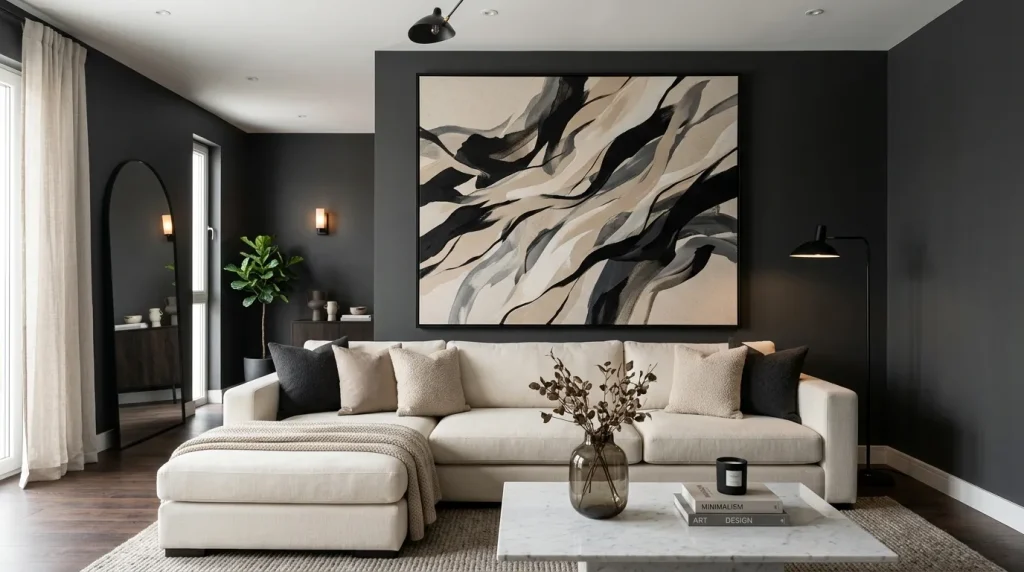
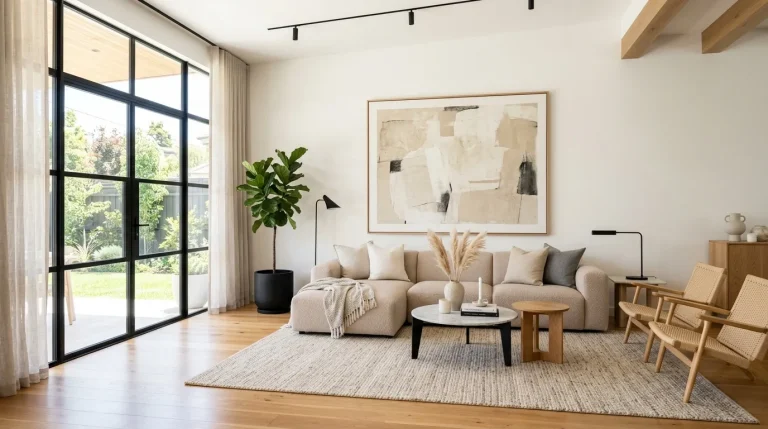
Large-scale artwork can completely transform the visual energy of a living room without requiring multiple decor pieces. One oversized piece feels cleaner and more modern than several smaller frames because it creates a strong focal point without adding clutter. Abstract designs with neutral or monochrome tones work especially well in darker interiors because they add movement while maintaining a calm aesthetic. I’ve noticed this trick immediately makes simple rooms feel professionally styled, even when the furniture itself is minimal. The scale also helps balance large walls, making the overall space feel more intentional and visually connected from every angle.
Artwork becomes even more impactful when paired with layered lighting and soft textures throughout the room. Warm lamps reflecting against darker walls naturally highlight larger art pieces, creating subtle depth that feels sophisticated instead of overwhelming. In my experience, oversized art also helps renters personalize their space without making permanent changes. That’s why many designers recommend statement artwork as one of the fastest ways to elevate a room visually. In a moody living room style, bold but minimal artwork can create drama while still preserving the calm, modern atmosphere that makes darker interiors feel cozy and luxurious.
Conclusion:
Creating a stylish home does not always require expensive renovations or complicated decorating decisions. Sometimes the smallest updates, like softer lighting, warmer textures, or deeper wall tones, completely transform how a space looks and feels. These ideas are designed to help you build a moody living room that feels cozy, modern, and easy to enjoy every day. I’ve seen how simple design changes can make even ordinary rooms feel far more elevated and inviting. Save these ideas to Pinterest for future inspiration, try a few in your own space, and share this article with anyone looking to create a calmer and more luxurious living area.
Clara Whitmore
Clara specializes in interior styling, seasonal home trends, and cozy living spaces. She loves combining classic design elements with modern touches to create homes that feel personal, welcoming, and effortlessly stylish.