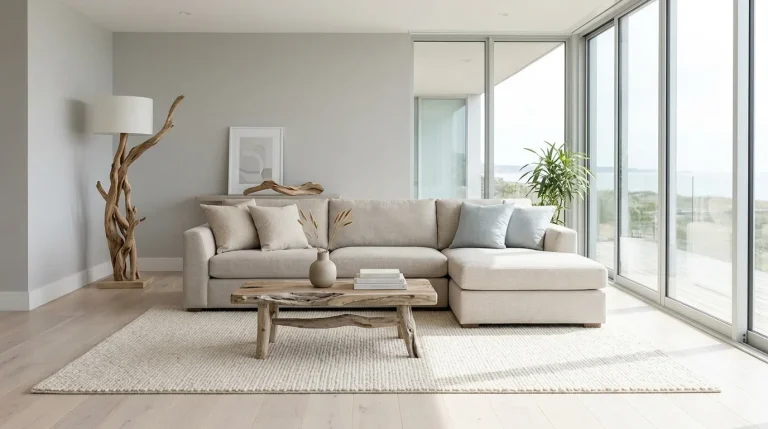
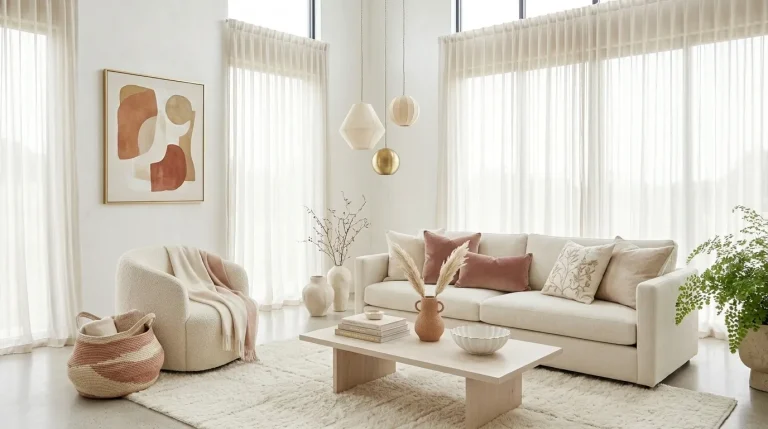
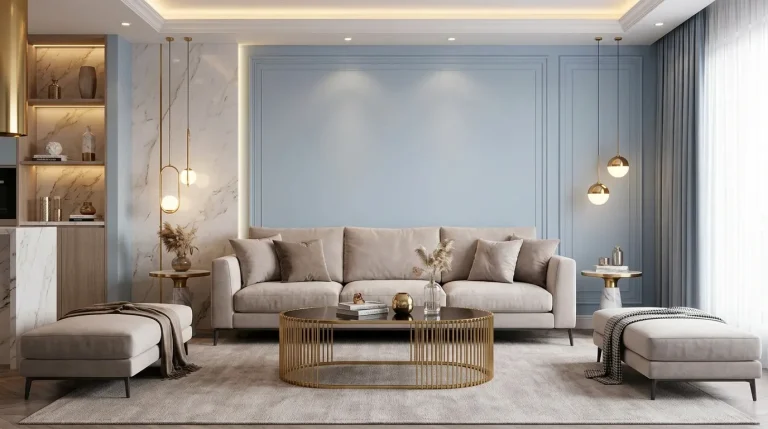
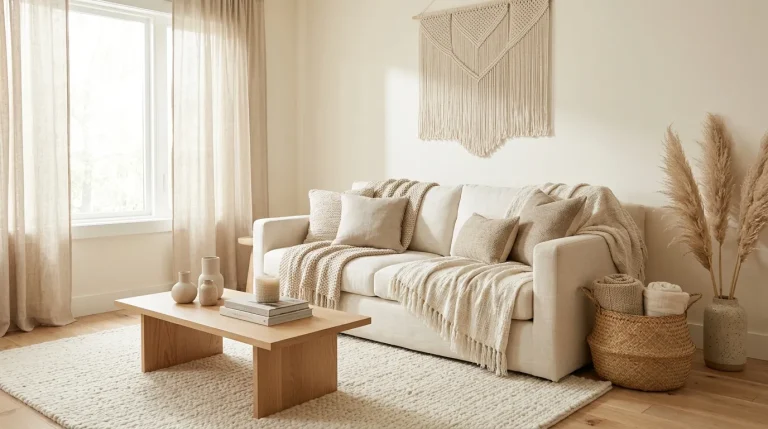
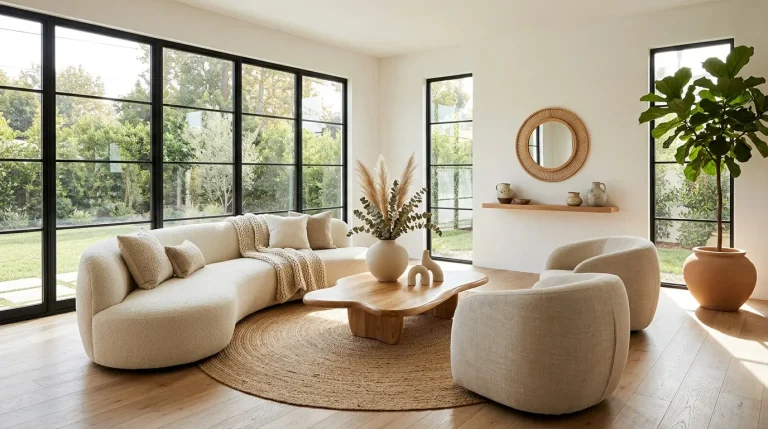
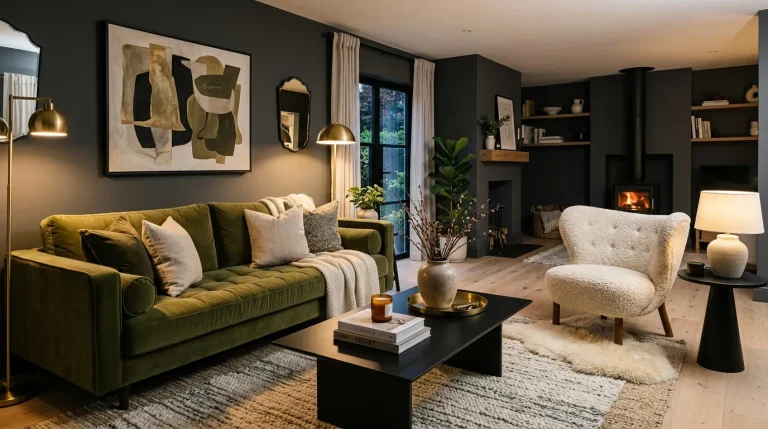
Cozy Living Room Essential Tips for a Relaxing Designer Feel

Introduction:
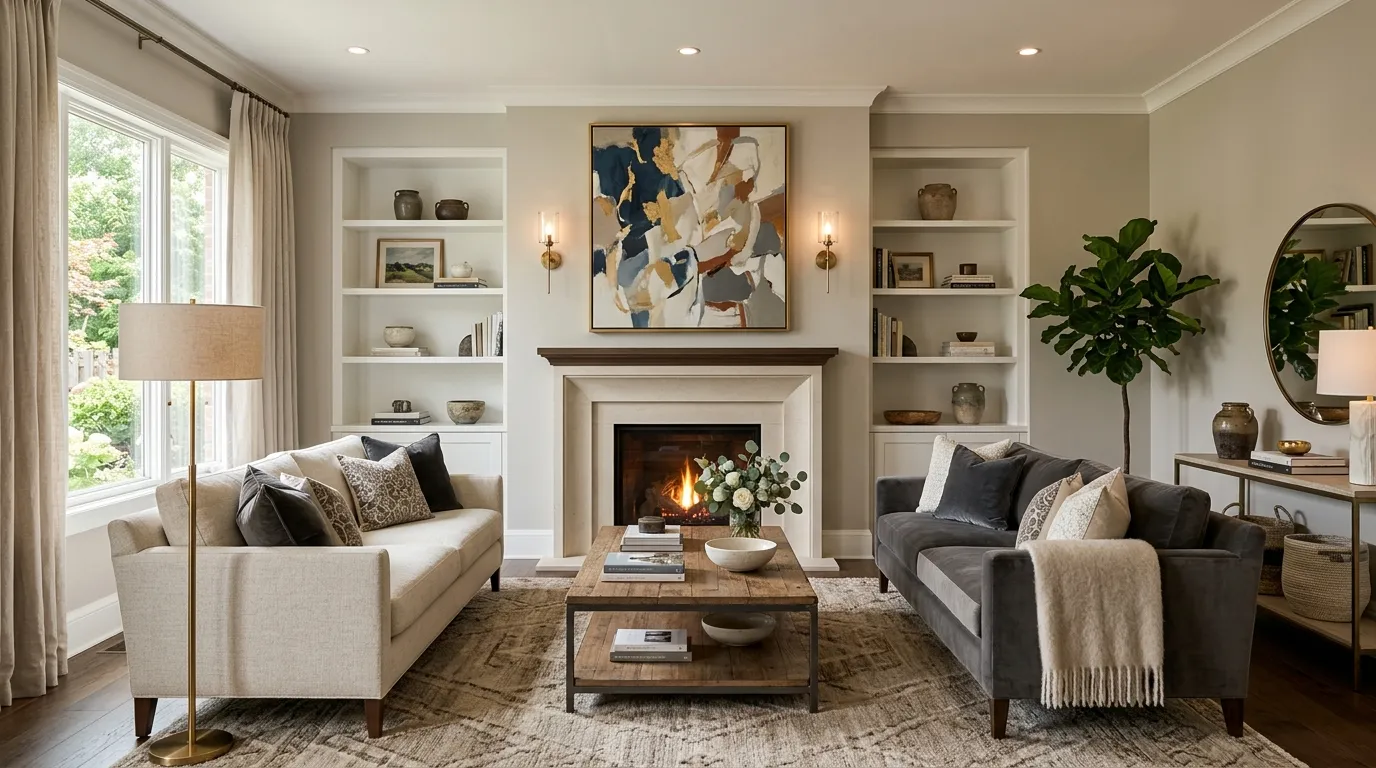
Creating a comfortable home begins with understanding how design choices influence the way we live, relax, and connect. A cozy living room is more than a collection of furniture and decorations; it is a carefully planned environment that combines comfort, function, and personal style. This guide explores the essential principles behind creating a welcoming space, from lighting and furniture arrangement to textures, colors, storage, and thoughtful decor. In my experience, the most enjoyable rooms are those designed around real daily habits. Readers will discover practical insights to create interiors that feel balanced, peaceful, and genuinely personal.
How to Understand the Foundations of a Comfortable Space
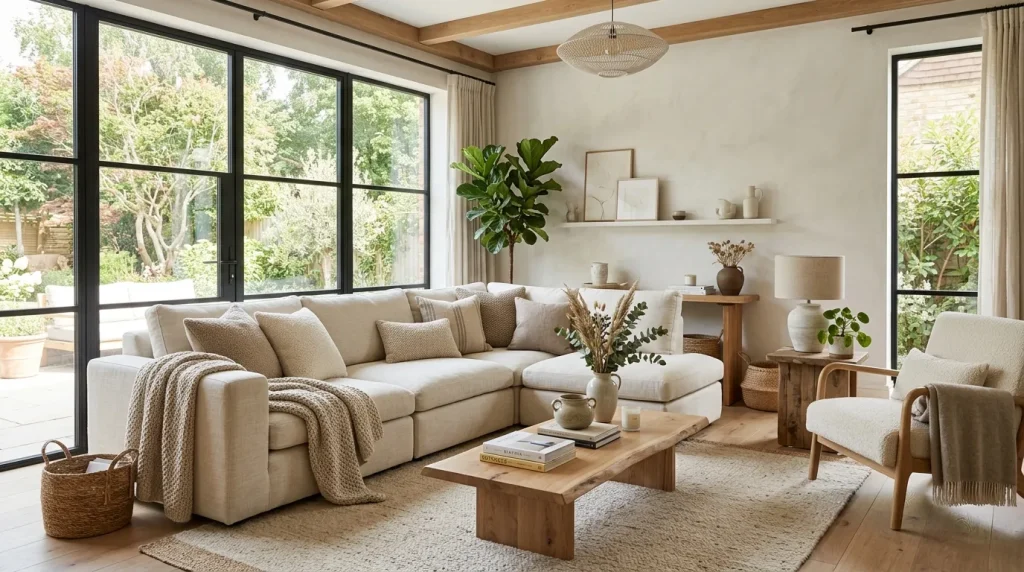
Creating a truly inviting space begins with understanding the elements that influence comfort, balance, and emotional connection. A cozy living room is not simply about adding cushions or blankets; it involves combining thoughtful design principles such as proportion, texture, lighting, and furniture placement. These elements work together to create an environment where people naturally want to relax and spend time. Research in environmental psychology suggests that well-designed spaces can influence mood, stress levels, and feelings of belonging. Understanding these foundations helps homeowners make intentional choices instead of randomly adding decorative items that may not improve the overall atmosphere.
Many professionals recommend starting with how a room feels before focusing on how it looks. A comfortable environment should support everyday activities, whether someone is reading, entertaining guests, or enjoying quiet evenings. In my experience, the most successful interiors usually reflect the lifestyle of the people using them rather than following temporary trends. For example, a family room may benefit from durable fabrics and flexible seating, while a smaller apartment might need multifunctional furniture. When these practical needs guide design decisions, the result feels natural, personal, and visually harmonious.
How Lighting Influences the Overall Room Atmosphere
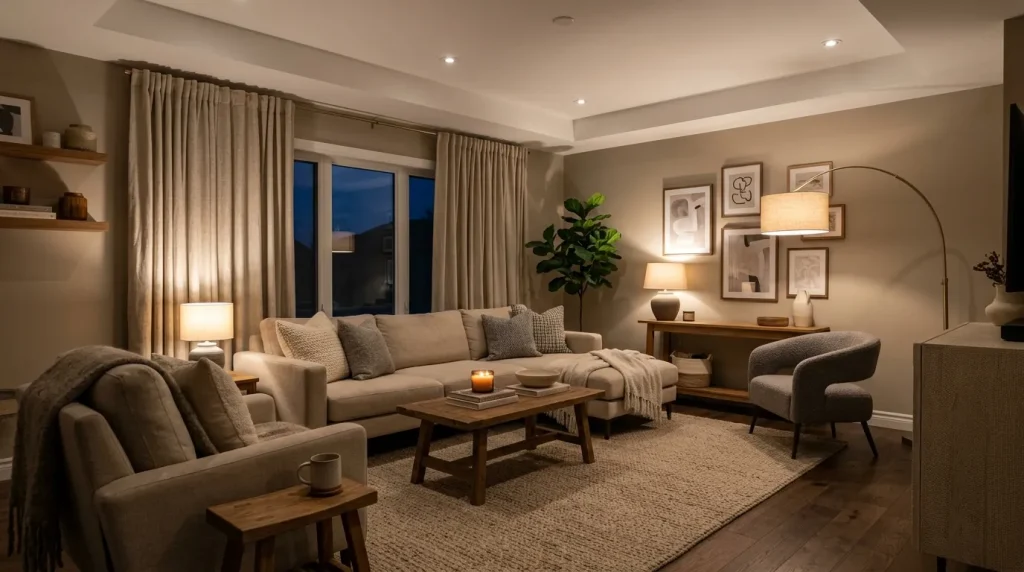
Lighting plays a major role in shaping how people experience an interior because it affects both visual comfort and emotional response. The right combination of natural and artificial light can make a room feel larger, warmer, and more welcoming. Soft lighting helps create a relaxing environment, while harsh overhead lighting can make spaces feel cold or uncomfortable. Studies on indoor environments show that balanced lighting contributes to better mood and comfort levels. Choosing layered lighting, including lamps, wall fixtures, and natural sunlight, allows homeowners to adjust the atmosphere based on different activities throughout the day.
A thoughtful lighting plan considers both function and design rather than relying on one central fixture. For example, reading areas benefit from focused illumination, while conversation spaces often need softer ambient lighting. I’ve observed that many beautifully designed homes feel comfortable because they use lighting to highlight textures, artwork, and architectural details. Warm-toned bulbs, dimmable options, and strategically placed fixtures can transform ordinary rooms into peaceful retreats. Understanding these choices allows homeowners to create a space that feels inviting at every hour without requiring expensive renovations.
How Color Choices Affect Emotional Comfort
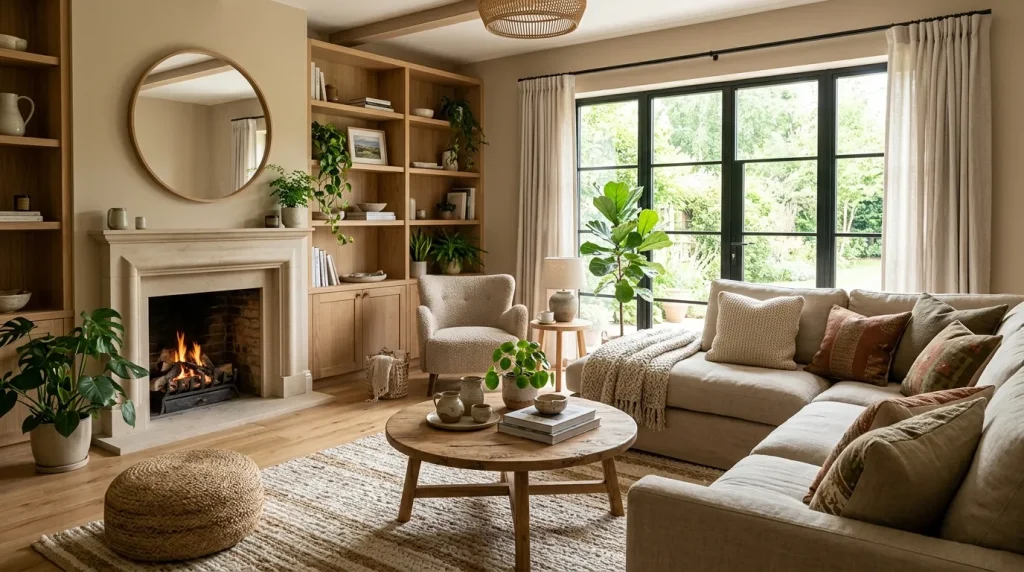
Color has a powerful influence on how people perceive and experience a room because different shades can create specific emotional responses. Warm neutrals, soft earth tones, and balanced natural colors often help establish a relaxing environment by creating visual harmony. A cozy livings room design typically uses colors that feel comfortable over long periods rather than relying only on bold trends. Research in color psychology suggests that surrounding colors may influence feelings of calmness, energy, or relaxation. Choosing a thoughtful palette allows homeowners to create spaces that support their lifestyle while maintaining a timeless and welcoming appearance.
Selecting the right colors involves considering natural light, furniture finishes, and personal preferences rather than following strict design rules. For example, a room with limited sunlight may benefit from warmer shades that add brightness, while a naturally bright area can support deeper tones. I’ve observed that successful interiors often combine a primary color with subtle accent shades to prevent the space from feeling overwhelming. Using textiles, artwork, and accessories to introduce color changes also allows flexibility. This approach creates a balanced atmosphere while making future updates easier and more affordable.
What Storage Solutions Help Maintain Visual Calm
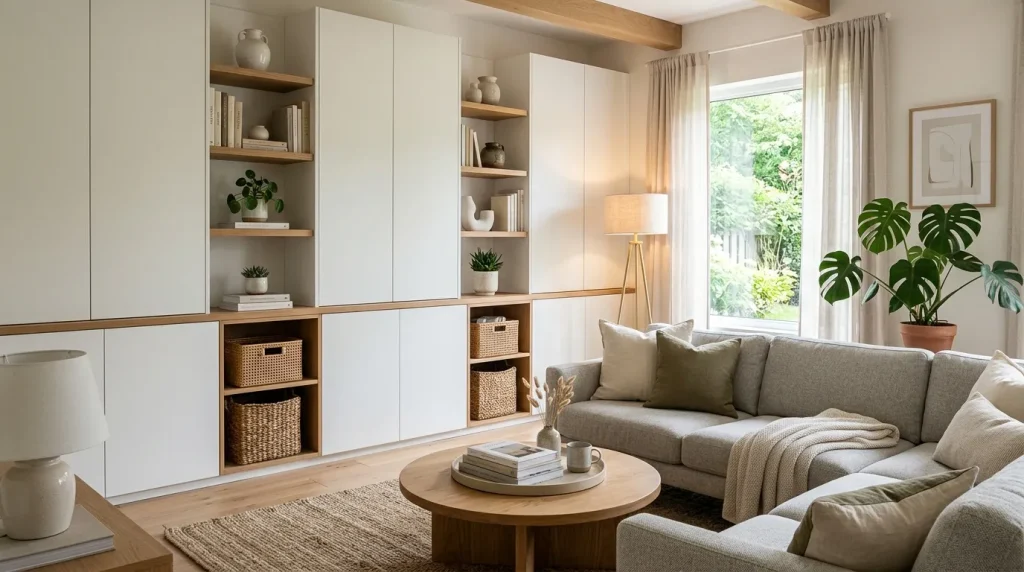
Organization plays an essential role in creating a comfortable environment because visual clutter can affect how people experience and enjoy a room. Effective storage solutions help maintain order while allowing everyday items to remain accessible. A well-planned space considers where blankets, electronics, books, toys, and personal belongings should be stored so surfaces remain clear and relaxing. Research on environmental psychology indicates that organized surroundings can support feelings of control and reduce visual stress. Incorporating practical storage into interior design helps create a cleaner appearance while improving the functionality of daily routines.
The best storage options combine usefulness with aesthetic appeal, allowing necessary items to become part of the design rather than distractions. Furniture with built-in compartments, stylish baskets, shelving units, and multifunctional tables can maximize available space without sacrificing beauty. Many professionals recommend evaluating storage needs based on lifestyle instead of adding random organizational products. I’ve noticed that homeowners often feel more relaxed when every item has a designated place. Creating this sense of order supports a peaceful atmosphere and helps maintain the long-term comfort of the room.
What Focal Points Create Better Visual Balance
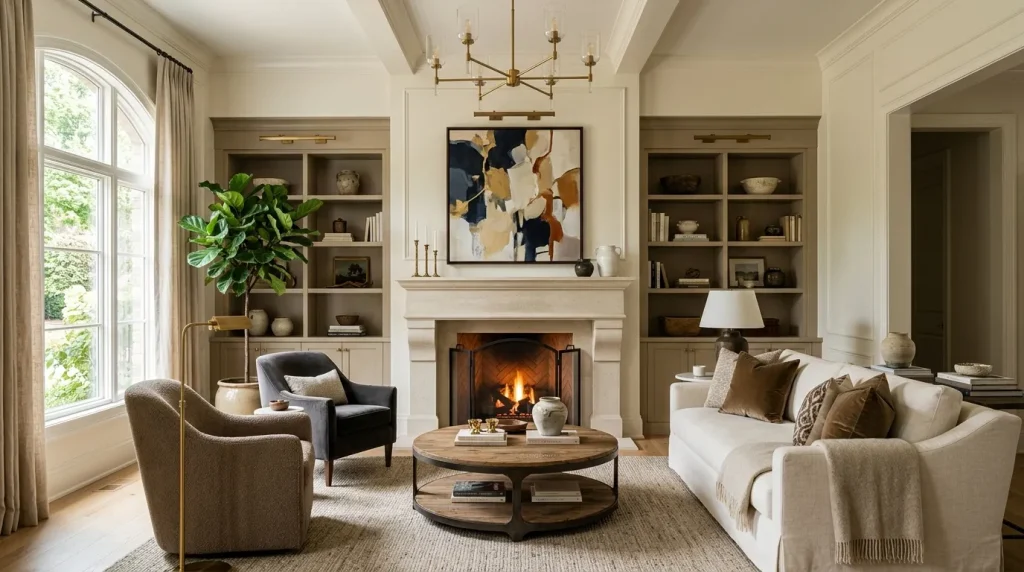
A strong focal point helps organize the visual structure of a room by giving the eye a natural place to rest when entering the space. This design principle creates balance and prevents interiors from feeling confusing or disconnected. Common focal points include fireplaces, artwork, architectural features, statement furniture, or carefully designed media areas. Understanding how focal points work allows homeowners to arrange furniture and decorations more effectively. Interior designers often use this technique because it creates a sense of order and makes rooms feel intentionally designed rather than randomly assembled.
Creating a successful focal point does not always require dramatic features or expensive upgrades. A thoughtfully displayed painting, a beautifully styled bookshelf, or an attractive seating arrangement can provide enough visual interest. I’ve observed that rooms feel more comfortable when the main feature supports the lifestyle of the people using it. For example, a fireplace may encourage conversation, while a large window view can create a peaceful atmosphere. By identifying and enhancing existing features, homeowners can improve the room’s character while maintaining a natural and balanced appearance.
How Seasonal Changes Keep Interiors Feeling Fresh
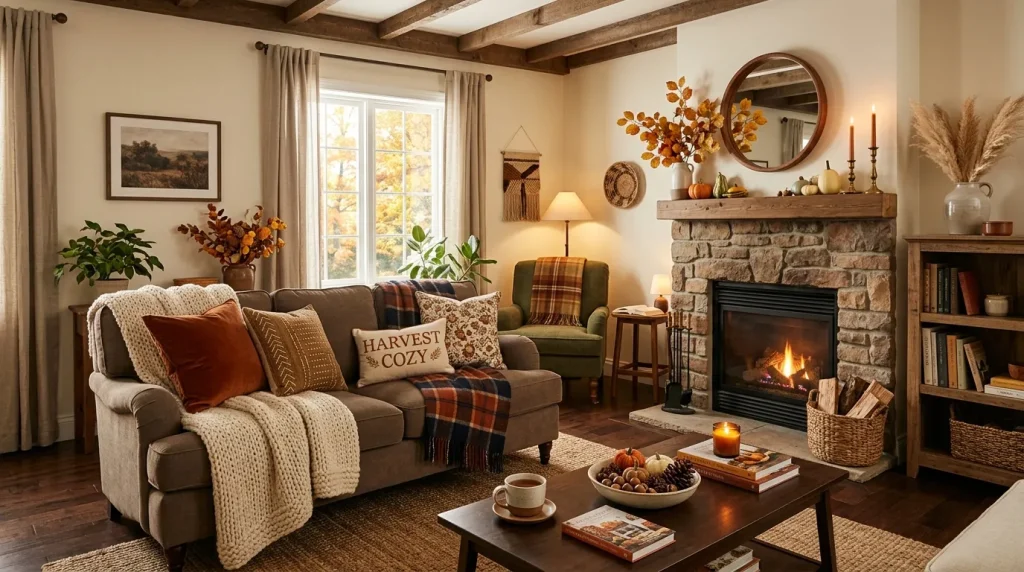
Adapting a room with seasonal updates allows homeowners to maintain freshness without completely redesigning their interiors. Small changes in textiles, colors, accessories, and natural elements can influence how a space feels throughout the year. Seasonal adjustments help align the environment with changing weather, activities, and personal preferences. For example, heavier fabrics and warmer tones may create comfort during colder months, while lighter materials and fresh greenery can make spaces feel airy in warmer seasons. This flexible approach supports long-term enjoyment while keeping the design visually interesting. Many of these evolving preferences are reflected in current home remodel trends, which emphasize adaptable, timeless spaces that can be refreshed with simple design updates rather than major renovations.
Successful seasonal styling focuses on thoughtful updates rather than unnecessary spending or constant replacement of items. Many experts recommend choosing versatile foundational pieces and changing only smaller decorative elements when desired. I’ve noticed that people often appreciate their homes more when they make simple adjustments that reflect the current season. Swapping cushion covers, rearranging accessories, or adding natural flowers can create noticeable improvements. These small practices help maintain a welcoming atmosphere while allowing the room to evolve naturally with changing lifestyles and preferences.
How Space Planning Improves Everyday Functionality
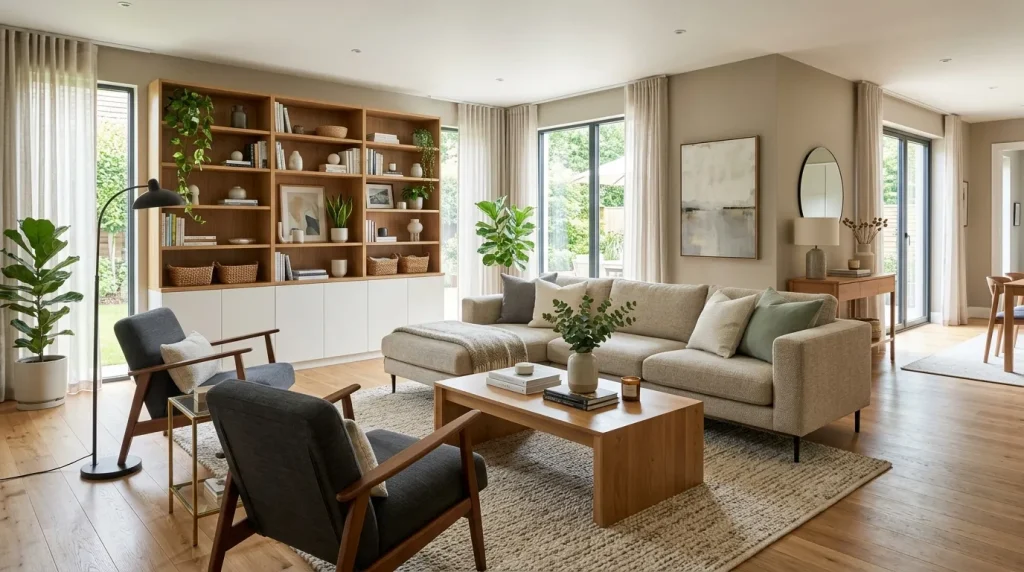
Effective space planning helps a room perform better by ensuring every area supports the activities that happen there. A beautiful interior should not only look appealing but also make daily routines easier and more enjoyable. Good planning considers movement patterns, furniture scale, available space, and the relationship between different zones. Designers often analyze how people enter, sit, move, and interact within a room before making layout decisions. This approach prevents overcrowding and creates a smoother experience. Understanding these principles allows homeowners to design environments that feel comfortable, practical, and naturally organized.
Many homeowners struggle with rooms that feel either empty or cramped because furniture choices are not matched to the available area. A thoughtful layout considers the size of each piece and leaves enough space for comfortable movement. In my experience, rearranging existing furniture can sometimes create a bigger improvement than purchasing new items. For example, positioning seating closer together can encourage conversation, while keeping pathways open improves accessibility. These practical adjustments help transform a room into a functional environment that supports relaxation and everyday living.
What Common Design Mistakes Reduce Room Comfort
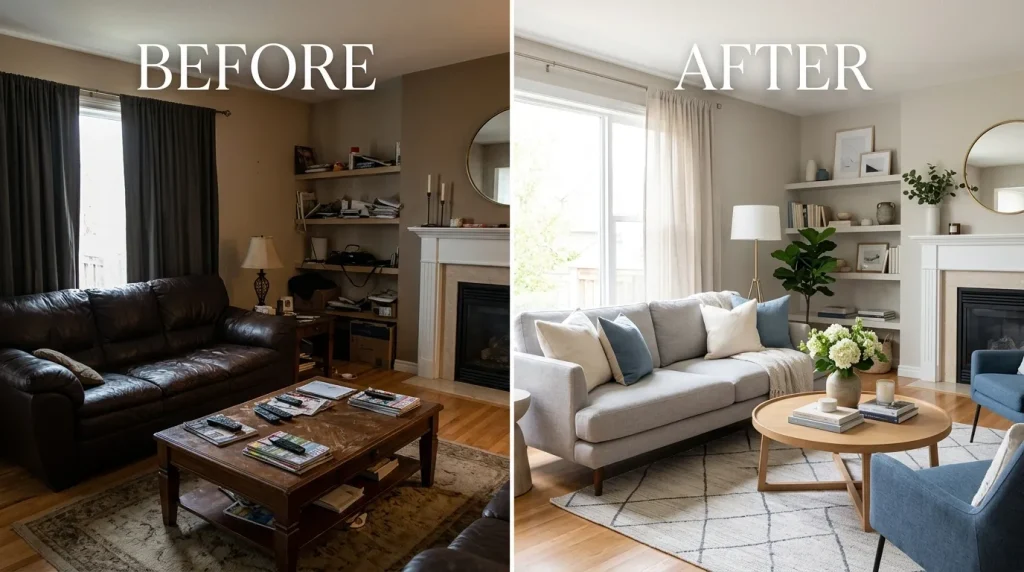
Many interior problems occur because design decisions focus too heavily on appearance while ignoring practical comfort and usability. Common mistakes include overcrowding furniture, choosing unsuitable lighting, ignoring room proportions, and adding too many decorative elements. These issues can make even attractive spaces feel uncomfortable or difficult to use. Understanding potential challenges before making changes helps homeowners avoid unnecessary expenses and create better results. Professional designers often evaluate function first because a room must work well before it can achieve a polished visual appearance.
One frequent mistake is copying a design trend without considering whether it matches personal needs or lifestyle habits. I’ve noticed that spaces often feel less successful when they prioritize photographs over real-life use. For example, a beautiful chair placed in an inconvenient location may never be enjoyed, while excessive decorations can create maintenance challenges. Experts recommend making choices based on comfort, purpose, and long-term satisfaction. By recognizing these common problems, homeowners can make informed decisions and develop interiors that feel both stylish and genuinely livable.
How Flexible Design Supports Changing Lifestyle Needs
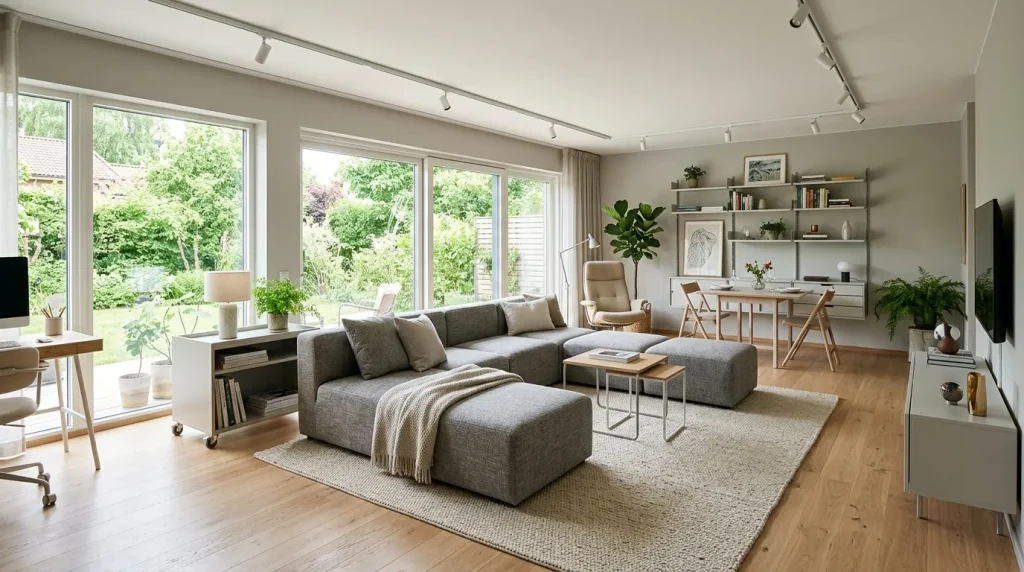
The way a room feels over time depends heavily on how well it adapts to changing needs and routines. A flexible interior design approach allows homeowners to adjust furniture, storage, and decorative elements as their lifestyles evolve. This matters because homes often serve multiple purposes, from relaxation to socializing and daily activities. Designers frequently recommend creating adaptable layouts that can support different situations without requiring complete redesigns. A thoughtful arrangement helps maintain comfort while keeping the environment visually appealing and practical for long-term use. Flexible choices also allow rooms to remain functional as families grow or preferences change naturally.
In my experience, the most successful interiors are those that provide freedom without sacrificing style or personality. For example, movable seating, versatile tables, and adaptable lighting options can help a room serve different purposes throughout the day. Many experts suggest investing in foundational pieces that offer durability and flexibility rather than following short-term trends. This approach makes updates easier and more affordable because smaller changes can refresh the atmosphere when needed. I’ve observed that adaptable spaces often feel more comfortable because they evolve alongside the people using them. This creates a stronger connection between design choices and everyday living.
How Visual Flow Creates a More Harmonious Interior
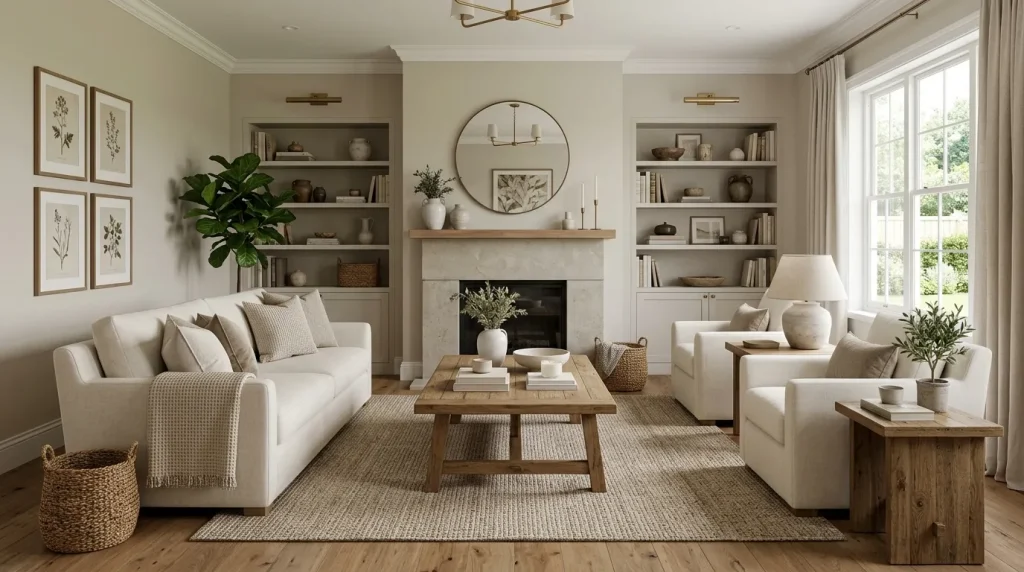
Creating a balanced visual flow helps a room feel calmer and more organized because the eye can naturally move through the space without confusion. This principle involves coordinating furniture placement, colors, textures, and decorative elements so each part contributes to the overall design experience. Interior specialists often use visual balance to prevent areas from appearing too heavy or disconnected. Symmetry, repetition, and proportion are useful tools that create harmony while allowing personal expression. Understanding these concepts helps homeowners make thoughtful decisions instead of adding random items that may disrupt the room’s atmosphere. Good flow improves both beauty and usability.
A room with strong visual flow usually feels easier to enjoy because every element appears connected and purposeful. I’ve noticed that many people improve their interiors simply by adjusting spacing and removing unnecessary distractions rather than buying new furniture. For instance, aligning artwork with furniture heights or repeating similar materials can create a more polished appearance. Research on design principles shows that organized visual patterns can influence how comfortable people feel within an environment. These techniques are especially helpful in smaller homes where every choice affects the perception of space. Careful planning creates a welcoming atmosphere that feels intentional.
How Technology Integrates With Modern Comfort
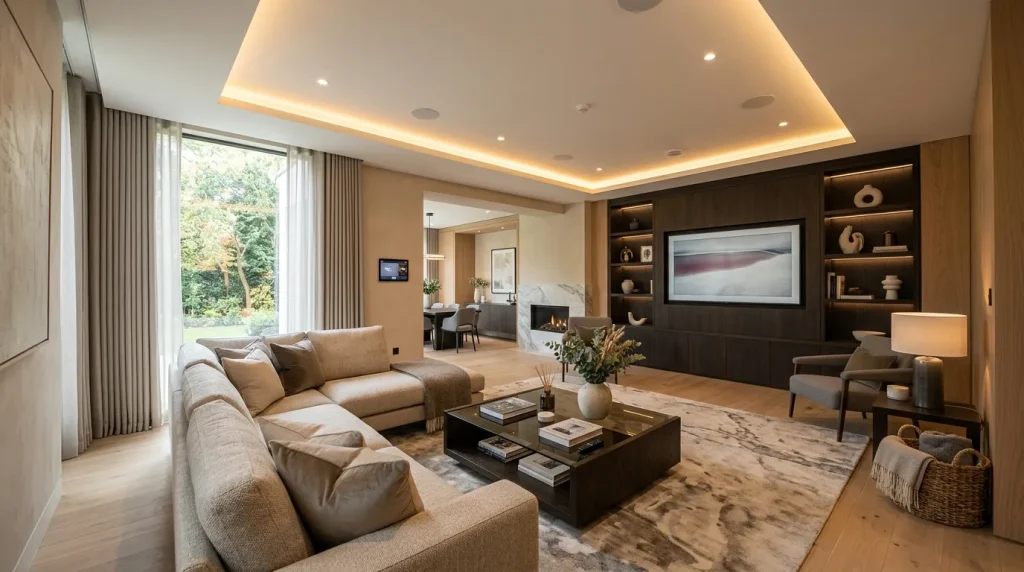
Technology can enhance everyday comfort when it is thoughtfully integrated into interior design rather than becoming the main focus of the room. Modern solutions such as smart lighting, automated climate controls, and convenient entertainment systems can improve usability while maintaining a clean appearance. Many homeowners benefit from technology that supports routines without creating unnecessary complexity. Research on smart home environments suggests that convenience features can improve satisfaction when they are designed around user needs. A balanced approach ensures technology adds value while preserving warmth and comfort within the overall living environment.
A successful technology setup focuses on simplicity, accessibility, and harmony with the existing design style. I’ve observed that people often enjoy smart features more when they blend naturally into their surroundings instead of attracting constant attention. For example, adjustable lighting can create different moods throughout the day while hidden charging solutions reduce clutter. Many professionals recommend selecting reliable systems that solve real problems rather than adding features simply because they are popular. This thoughtful strategy helps create modern interiors that remain comfortable, practical, and welcoming for everyday use for everyone.
How Maintenance Preserves Long-Term Room Quality
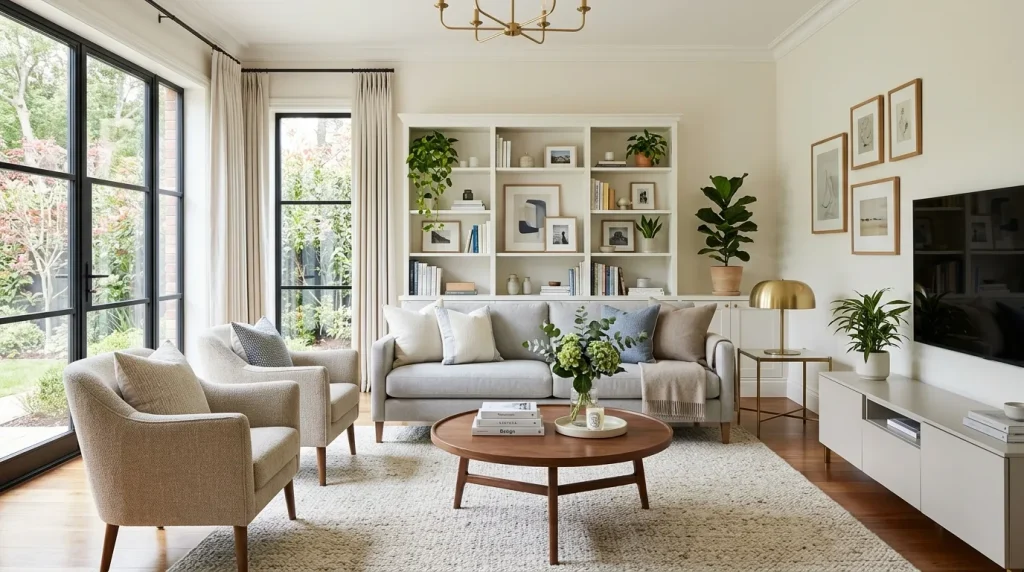
Regular maintenance helps preserve the comfort and appearance of an interior by protecting furniture, materials, and decorative elements from unnecessary wear. A well-maintained room remains more inviting because cleanliness and organization support the original design intention. Simple habits such as cleaning fabrics, caring for wood surfaces, and refreshing accessories can extend the lifespan of important pieces. Experts often emphasize that consistent care is more effective than waiting until major problems appear. This proactive approach helps homeowners protect their investment while keeping the space attractive and comfortable throughout many years ahead.
Long-term quality depends on understanding that design is an ongoing process rather than a one-time project. I’ve noticed that homeowners who create simple care routines often enjoy their spaces more because the environment continues to feel fresh and functional. For example, rotating textiles, repairing small issues, and updating worn accessories can prevent larger challenges later. Many professionals recommend choosing durable materials from the beginning because quality foundations make maintenance easier. A thoughtful care routine protects the room’s character and allows homeowners to continue enjoying a beautiful relaxing and practical environment.
Conclusion:
Building a welcoming home starts with applying thoughtful design principles that support comfort, function, and personal expression. Throughout this guide, you learned how lighting, furniture placement, textures, colors, storage, and sustainable choices influence the way a space feels. A cozy living room becomes more meaningful when it reflects real lifestyles while maintaining balance and beauty. I’ve seen how understanding these ideas can completely change how people approach interior design decisions. Use these insights as a reference when improving your home, and share them with others who want to create a more relaxing and inviting environment.
Clara Whitmore
Clara specializes in interior styling, seasonal home trends, and cozy living spaces. She loves combining classic design elements with modern touches to create homes that feel personal, welcoming, and effortlessly stylish.