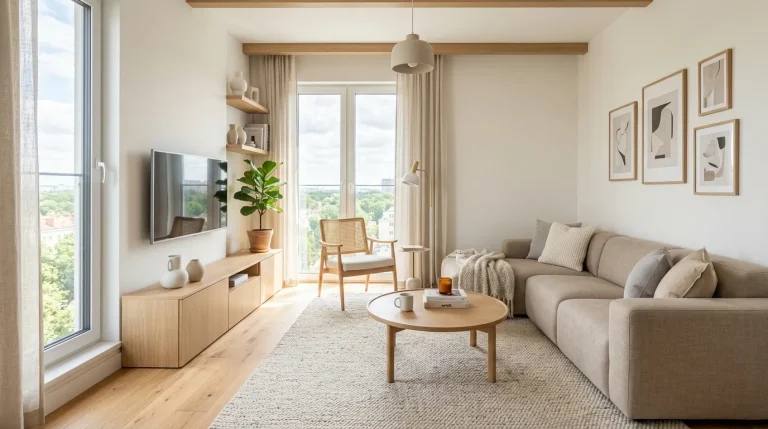
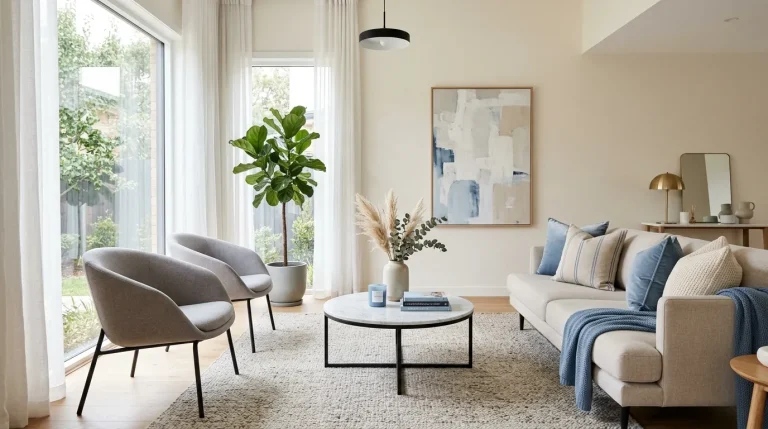
Home Remodel Trends Ultimate Guide to a More Functional Home

Introduction:
Your home should do more than look beautiful—it should make everyday life easier, calmer, and more enjoyable. Home remodel trends are changing as homeowners focus on creating spaces that support real needs, from flexible layouts to smarter technology and sustainable improvements.
This comprehensive guide explores the ideas shaping modern renovations and explains how thoughtful design choices can improve comfort, efficiency, and long-term value. Whether you are planning a complete transformation or making smaller updates, understanding these principles can help you avoid common mistakes and create a home that truly works for your lifestyle. In my experience, the most successful remodels begin with understanding how people actually use their spaces, not simply following temporary design trends.
Understanding the Shift Toward Functional Home Design
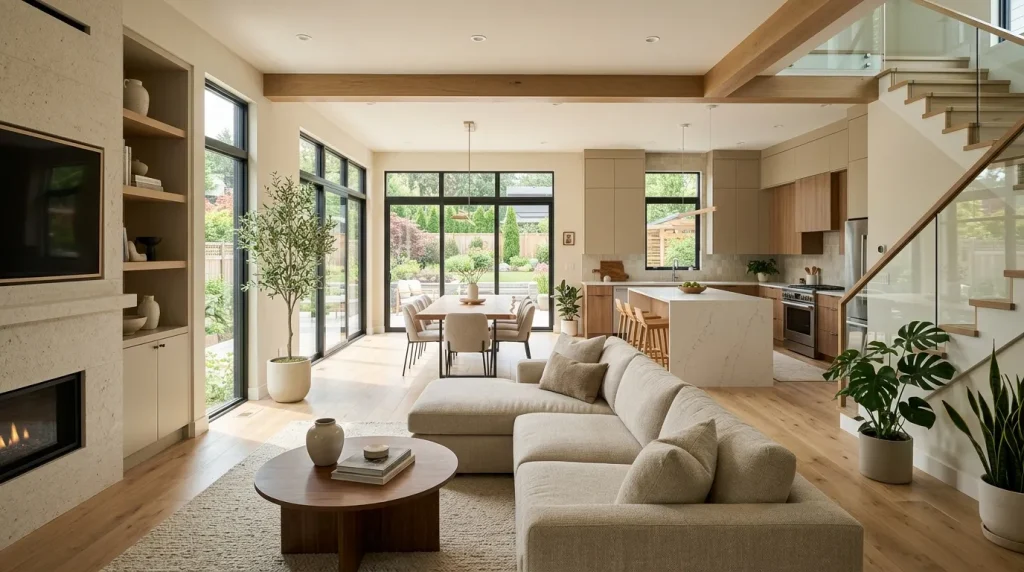
Homes are evolving beyond simple visual upgrades as homeowners seek spaces that support everyday comfort and efficiency. Functional remodeling focuses on improving how rooms work, not just how they appear. This approach considers movement, storage, technology, and lifestyle needs before making design decisions. Research shows that well-planned environments can improve satisfaction and reduce daily frustrations. Many professionals recommend evaluating current routines first because a successful renovation should solve real problems while adding long-term value. For example, a kitchen redesign may prioritize workflow improvements and accessible layouts rather than only decorative changes.
Modern renovation strategies often combine practical planning with thoughtful design principles to create adaptable living areas. In my experience, homeowners achieve better results when they focus on how they use each space throughout the day. Flexible rooms with multipurpose features can accommodate changing needs, from remote work to family activities. This mindset has become central to current homes remodel trend because it emphasizes comfort and sustainability. Simple changes like improved lighting, better insulation, and efficient storage systems can make homes feel more organized and enjoyable without unnecessary complexity or waste.
How Technology Is Transforming Modern Living Spaces
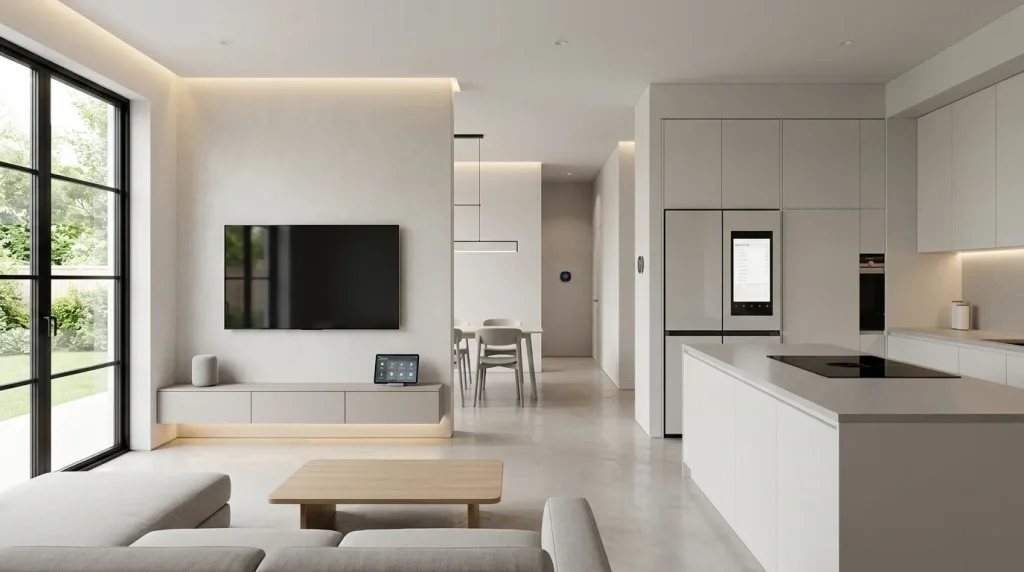
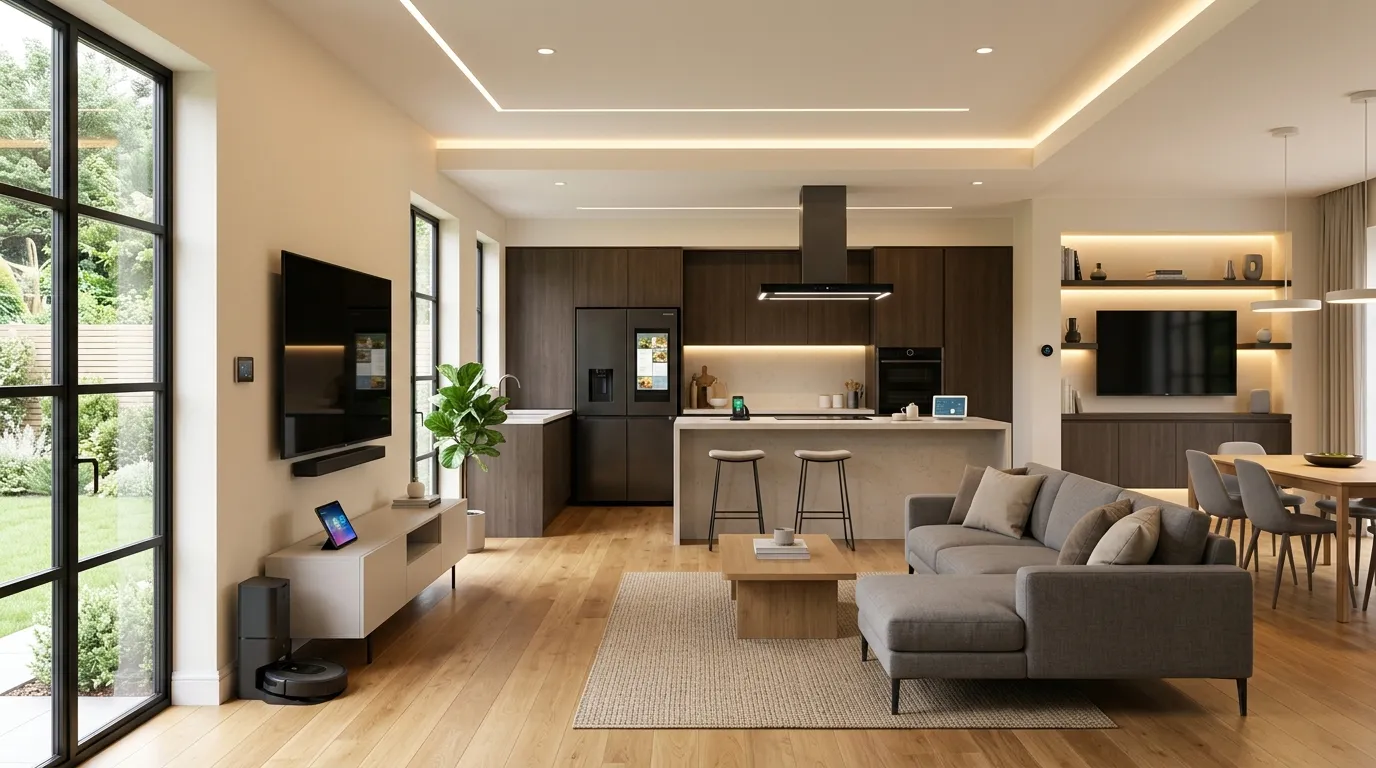
Technology is changing the way people interact with their homes by making everyday tasks easier and more efficient. Smart systems now allow homeowners to control lighting, security, temperature, and appliances with greater convenience. These improvements are not only about luxury but also about creating responsive environments that adapt to personal preferences. Studies suggest that connected home features can enhance energy management and improve overall comfort when properly planned. A remodel that includes technology should focus on practical benefits rather than adding unnecessary gadgets that may complicate daily routines or increase costs.
The most effective technology upgrades blend seamlessly into the home’s design while supporting real needs. Professionals often suggest choosing systems that are reliable, easy to operate, and compatible with future improvements. For instance, automated lighting can help create better moods while reducing energy use. I’ve noticed that homeowners appreciate technology most when it simplifies tasks instead of creating extra maintenance demands. Thoughtful integration ensures these features remain valuable over time and contribute to a more comfortable living experience. This balance between innovation and usability is essential for successful renovations today.
How Flexible Layouts Improve Everyday Home Function
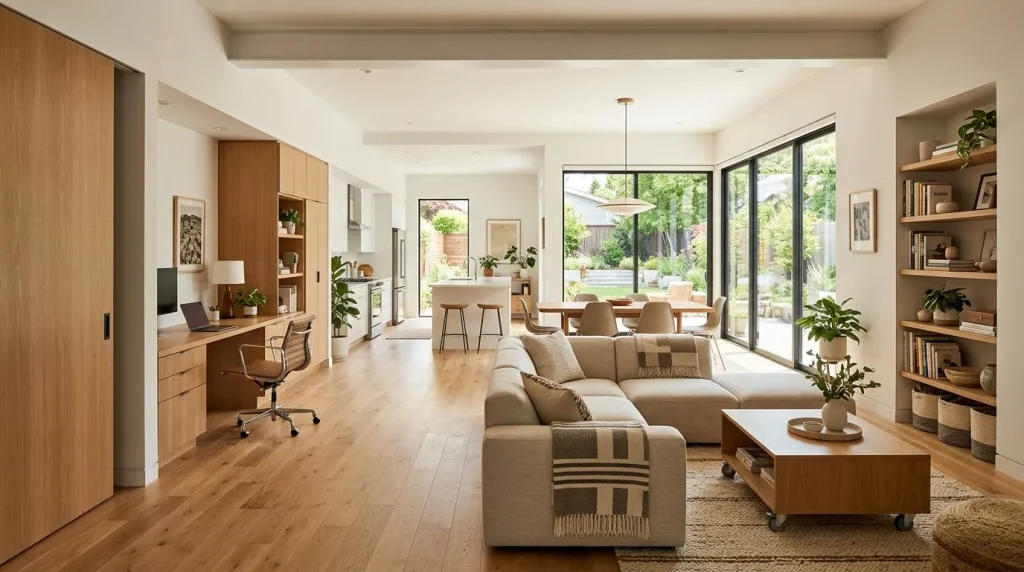
Flexible layouts are becoming increasingly important because modern households rarely use rooms for only one purpose. A well-designed space can adapt to changing routines, allowing homeowners to work, relax, entertain, and organize daily activities more easily. Instead of creating isolated rooms, many renovations focus on improving flow and usability between areas. Research on residential design shows that adaptable environments can increase satisfaction because they respond better to lifestyle changes. For example, a dining area may include workspace features, or a guest room may function as a home office when not occupied.
Creating flexibility requires careful planning rather than simply removing walls or enlarging spaces. Professionals often recommend analyzing traffic patterns, furniture placement, and future needs before making structural changes. I’ve noticed that homeowners are happier when renovations consider how their lives may change over time. Features such as sliding partitions, built-in storage, and convertible furniture can help spaces remain practical for years. These approaches reflect current homes remodel trend by prioritizing functionality, comfort, and adaptability. A flexible home design allows people to maximize available space without sacrificing style or personal expression.
Why Energy Efficiency Matters in Residential Improvements
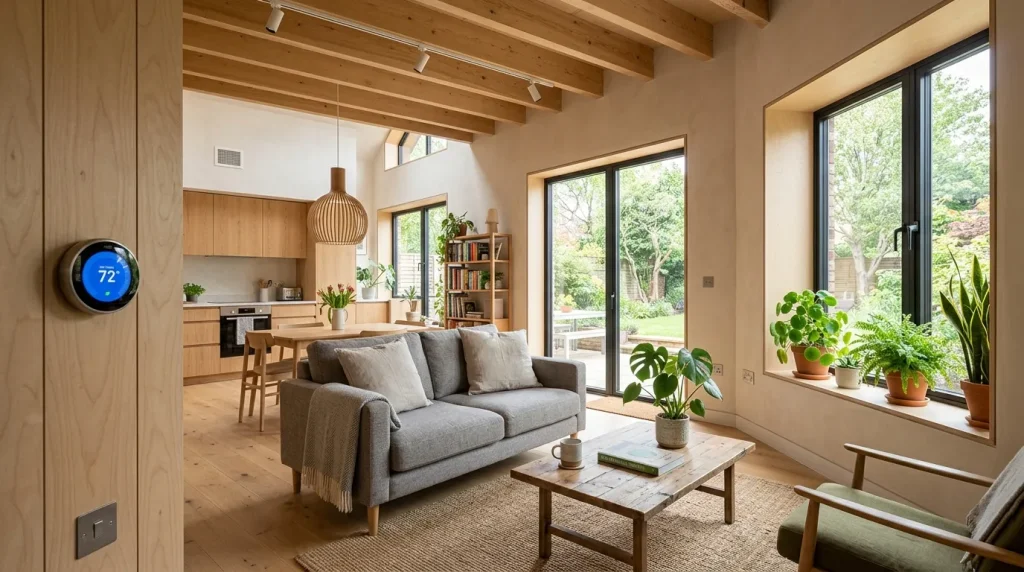
Energy efficiency has become a major priority for homeowners because it affects both comfort and long-term expenses. Renovations that improve insulation, ventilation, lighting, and heating systems can create healthier indoor environments while reducing energy consumption. Modern improvements often focus on making homes perform better rather than simply making them look newer. Studies have found that efficient upgrades can contribute to lower utility costs and improved temperature control throughout the year. Simple changes, such as replacing outdated fixtures or improving window performance, can create noticeable differences in everyday comfort and household management.
Planning energy improvements requires understanding how different systems work together within a home. Many experts recommend starting with an assessment of existing problems, such as drafts, poor lighting, or inconsistent temperatures. In my experience, homeowners often discover that small efficiency upgrades create some of the biggest improvements in daily living. These changes can also support environmental goals by reducing unnecessary resource use. Thoughtful remodeling combines practical solutions with modern technology to create homes that are more comfortable, economical, and prepared for future expectations. Efficiency is no longer an optional feature but a fundamental part of smart residential planning.
What Smart Storage Solutions Add to Home Design
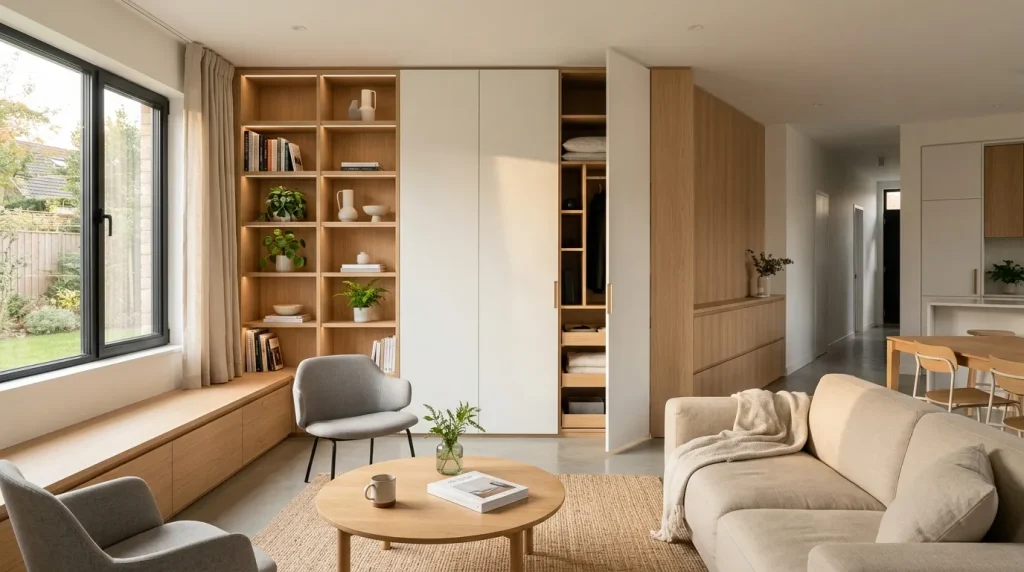
Storage has become one of the most important elements of modern home improvement because clutter can quickly affect comfort and functionality. Smart storage solutions focus on using available space efficiently while keeping everyday items accessible and organized. Instead of adding more furniture, homeowners are increasingly choosing built-in systems, hidden compartments, and multipurpose designs. Research on residential organization suggests that well-planned storage can improve how people experience their homes by reducing visual stress and improving daily routines. For example, a hallway cabinet or custom pantry can solve recurring organization challenges without requiring additional square footage.
Effective storage planning begins with understanding what items need to be stored and how frequently they are used. Professionals often recommend creating solutions that match specific household habits rather than relying on generic options. I’ve noticed that homeowners appreciate storage improvements most when they make everyday tasks faster and easier. Features like pull-out drawers, vertical shelving, and underutilized corner storage can dramatically increase functionality. As part of modern homes remodel trend, thoughtful organization has become a key factor in creating comfortable spaces that feel larger, cleaner, and more efficient without major structural expansion.
Why Aging-Friendly Features Are Becoming More Important
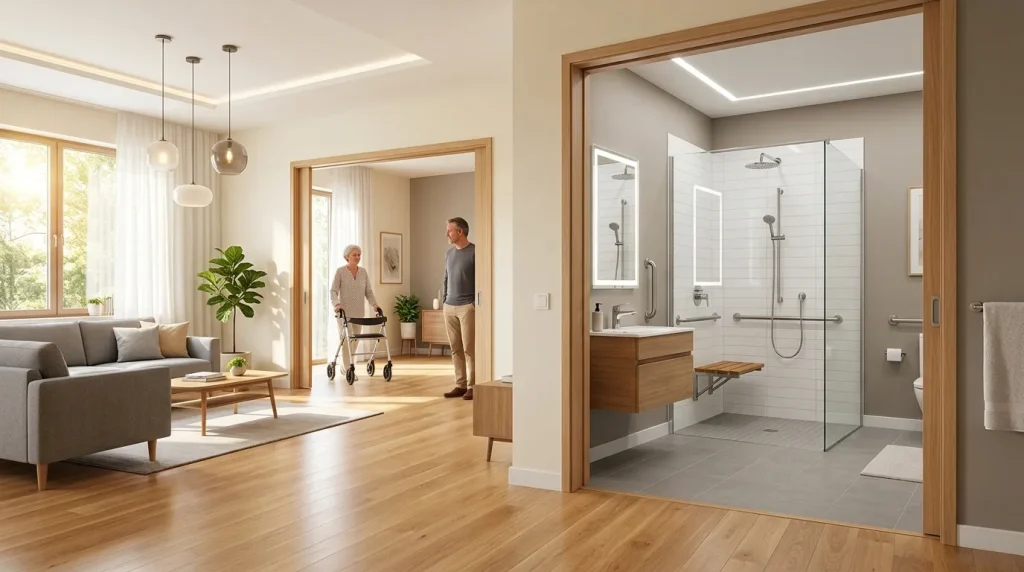
Aging-friendly design is gaining attention as homeowners consider how their spaces can support changing needs throughout life. Instead of waiting for mobility challenges to appear, many people are incorporating features that improve comfort and accessibility from the beginning. These improvements may include safer bathrooms, better lighting, wider pathways, and easier-to-use fixtures. Experts in residential planning often emphasize that universal design benefits everyone, not just older adults. Families with children, temporary injuries, or changing lifestyles can also benefit from homes that are easier to navigate and maintain. The same thoughtful planning is valuable in double desk home office layouts, where wider walkways and ergonomic furniture placement help create a workspace that remains comfortable and functional for multiple users over time.
Thoughtful accessibility improvements can be integrated without making a home feel clinical or limited in style. Designers increasingly focus on combining safety with attractive materials, modern finishes, and comfortable layouts. In my experience, homeowners are often surprised by how naturally these features blend into beautiful interiors. A walk-in shower, lever handles, or improved lighting can provide convenience while maintaining an elegant appearance. These considerations are becoming a significant part of renovation planning because they help create homes that remain functional, welcoming, and adaptable for many years.
What Material Choices Reveal About Long-Term Renovation Quality
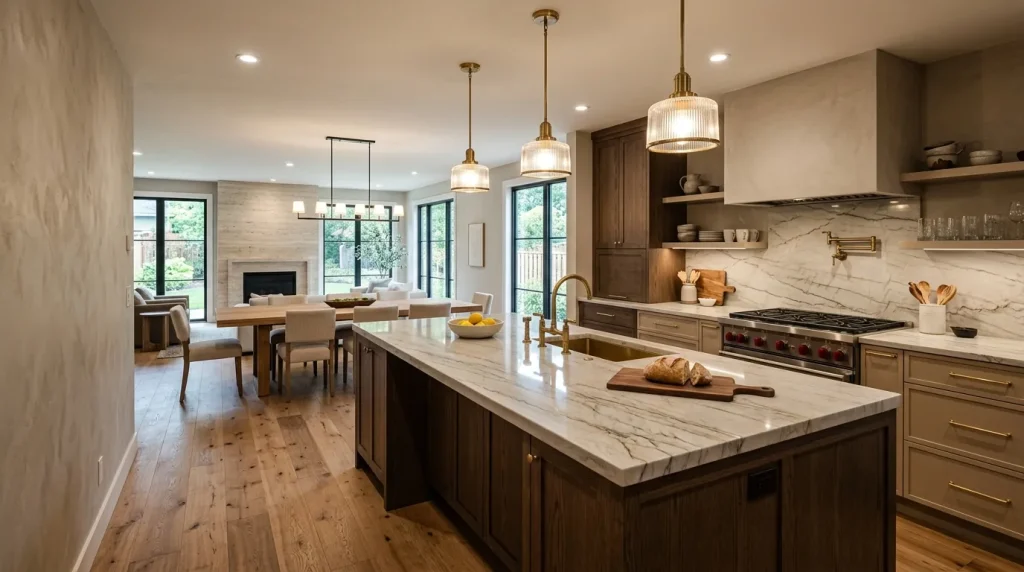
Material selection plays a major role in determining how well a renovation performs over time. While appearance is important, durable materials can influence maintenance requirements, comfort, and the overall lifespan of improvements. Homeowners are increasingly researching materials based on strength, sustainability, and practicality rather than choosing only according to current styles. Professionals often suggest considering factors such as moisture resistance, cleaning needs, and daily use before making decisions. For example, a kitchen surface should not only look attractive but also withstand frequent cooking activities and regular wear.
Choosing the right materials requires balancing budget, design goals, and long-term expectations. I’ve observed that many renovation challenges occur when homeowners prioritize short-term savings over lasting performance. Quality materials may require a higher initial investment but can reduce future repairs and replacement costs. Experts frequently recommend selecting timeless finishes that can adapt to changing preferences instead of following trends that quickly become outdated. Careful material choices help create homes that remain beautiful, functional, and valuable. This thoughtful approach is an essential part of planning successful residential improvements.
How Personalized Technology Creates Smarter Home Experiences
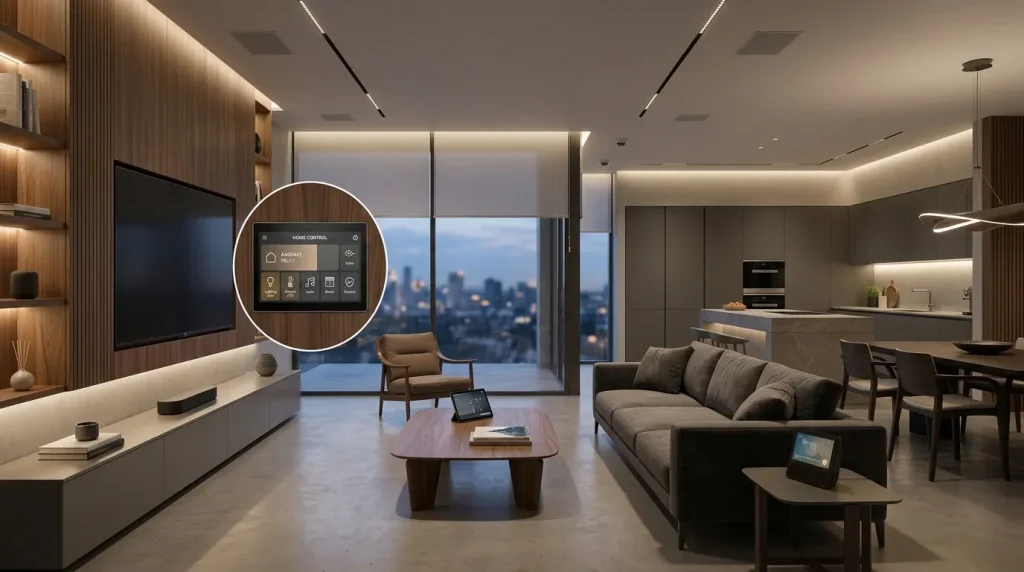
Smart technology continues to evolve as homeowners look for more convenient ways to manage their living environments. Modern systems can now connect multiple areas of a home, allowing better control over lighting, energy use, entertainment, and security. However, the most valuable technology solutions are those designed around specific household needs rather than added simply because they are available. Experts often recommend selecting features that improve efficiency and simplify routines. For example, automated climate control can help maintain comfort while reducing unnecessary energy use throughout the year.
The future of connected homes will likely focus on personalization, allowing systems to adapt to individual preferences and habits. In my experience, technology works best when it quietly supports daily life without becoming complicated to manage. Homeowners often appreciate features that save time, improve safety, or increase comfort without requiring constant attention. These improvements are becoming a major part of homes remodel trend as people seek environments that respond to their lifestyles. Thoughtful technology integration can create homes that feel more intuitive while maintaining warmth, style, and practicality.
Why Multi-Functional Rooms Are Becoming More Popular
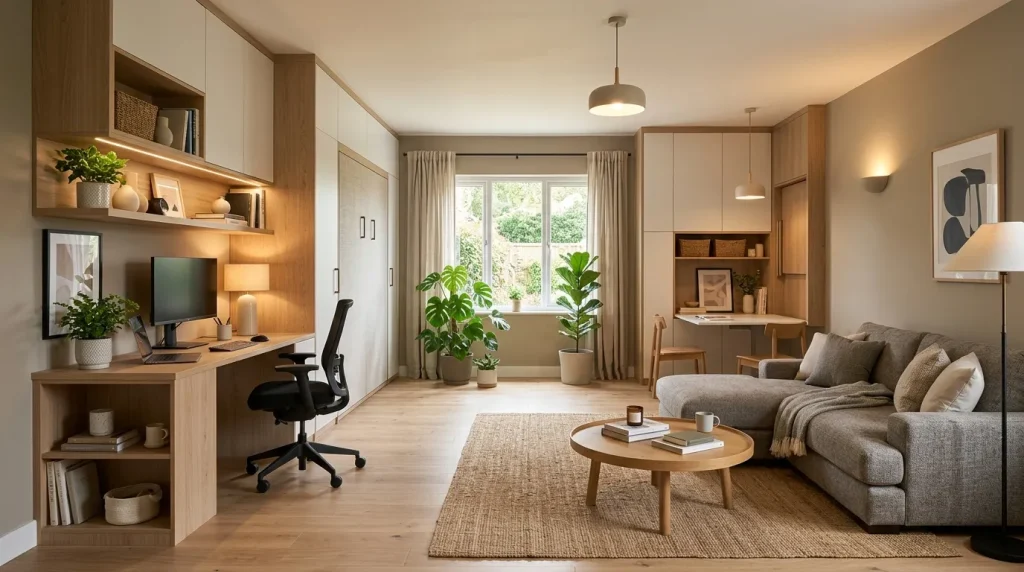
Changing lifestyles have increased the demand for rooms that serve multiple purposes instead of having one fixed function. Remote work, hobbies, family activities, and entertainment needs have encouraged homeowners to rethink traditional layouts. Multi-functional spaces allow people to maximize available areas while adapting to different daily requirements. Current renovation approaches often focus on creating rooms that can transition easily between activities. For example, a spare bedroom can include a workspace, storage solutions, and guest accommodations without feeling crowded or impractical.
Designing a flexible room requires careful consideration of furniture, lighting, and organization systems. Experts often recommend choosing adaptable features that support different activities without compromising comfort. In my experience, the most successful multi-purpose spaces are those where every element has a clear purpose. Foldable desks, movable furniture, and integrated storage can help maintain balance and efficiency. These improvements reflect changing home priorities as people seek greater value from every square foot. A thoughtfully designed flexible room can make a home more practical while supporting evolving personal and family needs.
Why Thoughtful Remodeling Creates Better Living Experiences
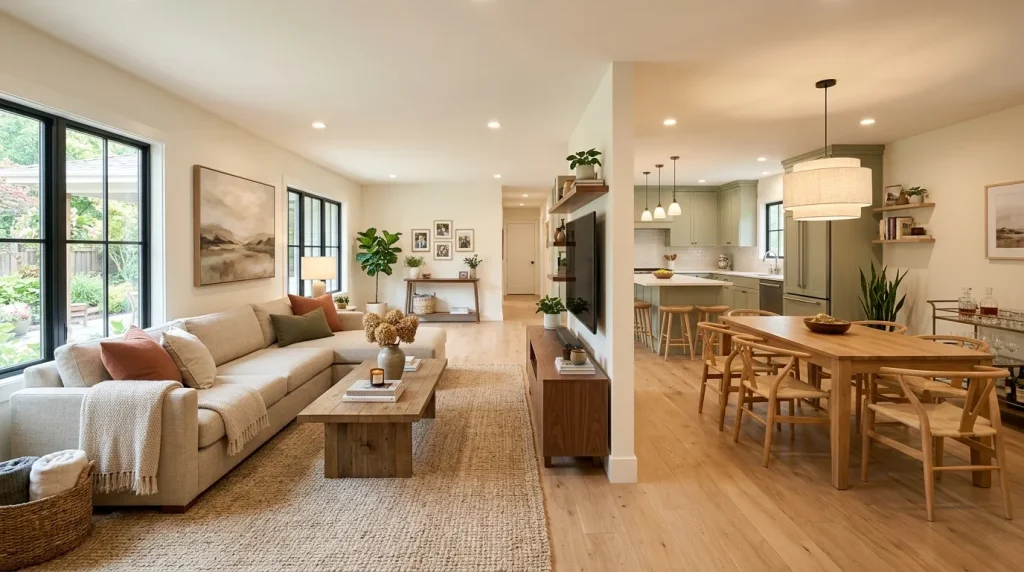
The future of residential improvement depends on balancing innovation, comfort, and practical solutions that genuinely improve daily life. Successful renovations are no longer measured only by appearance but by how effectively they support homeowners’ routines and long-term goals. Understanding the principles behind modern upgrades allows people to make smarter decisions about their properties. From efficient systems to adaptable designs, every choice can contribute to a more functional living environment. Current homes remodel trend demonstrate that thoughtful planning and informed choices create meaningful improvements for households seeking comfort and lasting value.
A well planned remodel is an opportunity to transform a house into a space that truly supports the people who live there. I’ve seen how understanding these principles can completely change the way homeowners approach renovation projects and make decisions with greater confidence. By focusing on function, quality, and personal needs, improvements become more meaningful and sustainable over time. Whether updating a single room or completing a larger project, applying these ideas helps create spaces that feel comfortable, efficient, and prepared for the future. Thoughtful remodeling is ultimately about creating better ways to live every day.
Conclusion:
A successful renovation is about creating a home that feels better, functions smarter, and continues to support your needs over time. By understanding the latest home remodel trends, homeowners can make informed choices about layouts, materials, technology, sustainability, and personalized features. The best improvements are those that solve real problems while adding comfort and lasting value. I’ve seen how thoughtful planning can completely transform the way people experience their homes. Use this guide as a reference when making renovation decisions, and share these insights with others who want to create spaces that are practical, inspiring, and built for the future.
Clara Whitmore
Clara specializes in interior styling, seasonal home trends, and cozy living spaces. She loves combining classic design elements with modern touches to create homes that feel personal, welcoming, and effortlessly stylish.