Cozy Home Decor Style Guide for a Warm and Welcoming Space

Introduction:
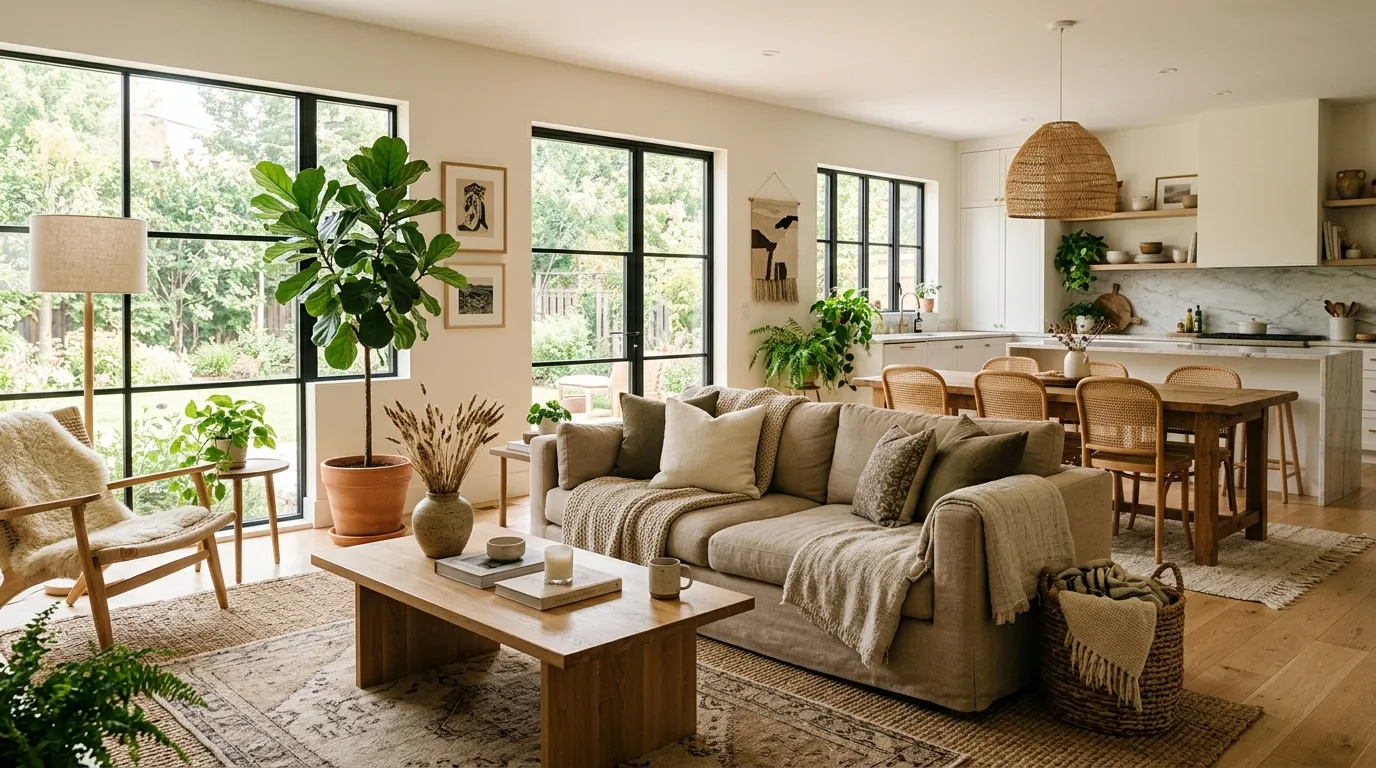
Cozy home decor is about much more than adding soft blankets or lighting a few candles. It is the art of creating a home that feels warm, welcoming, and comfortable while supporting the way you truly live every day. Whether you’re decorating a new space or refreshing a familiar one, understanding the principles behind inviting interiors helps you make thoughtful choices that last far beyond changing trends.
Many people struggle to create rooms that feel both beautiful and functional. In my experience, the most successful homes are not necessarily the most expensive or perfectly styled—they are the ones designed around everyday comfort, personal meaning, and practical living. Small, intentional changes often have a greater impact than dramatic makeovers.
This comprehensive guide explains the essential elements that shape a comfortable home, from color palettes and lighting to furniture placement, natural materials, texture, organization, and personal details. You’ll also learn why these design principles matter, how they influence the way a space feels, and how to apply them confidently in your own home. By the end, you’ll have a deeper understanding of what creates lasting warmth and timeless style, allowing you to build spaces that are as inviting as they are beautiful.
How to Define a Warm and Inviting Interior Style
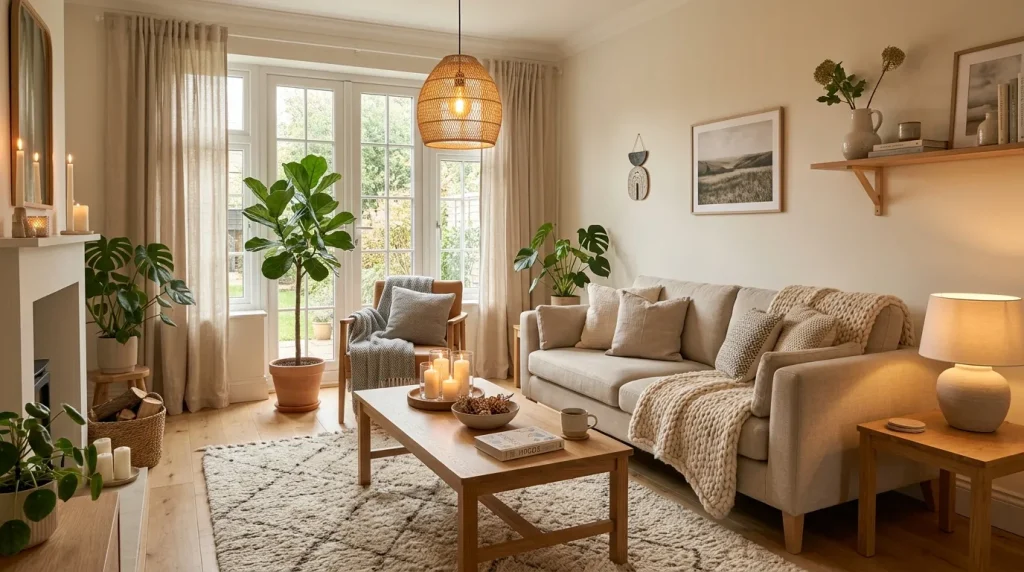
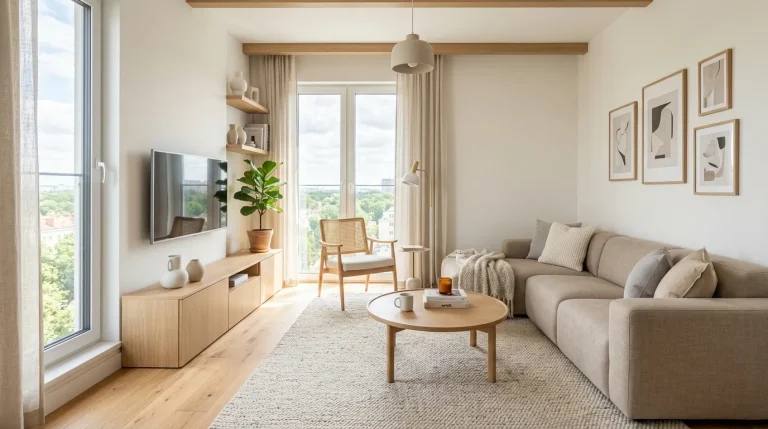
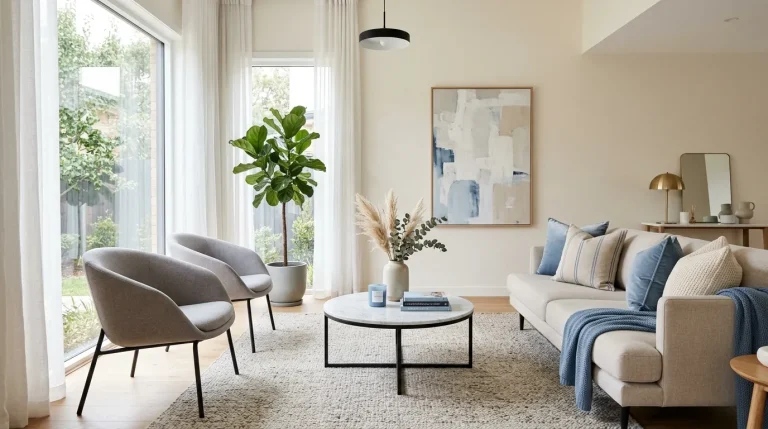
A truly welcoming home begins with understanding what creates a sense of comfort rather than simply following decorating trends. Warm interiors combine visual softness, practical function, and emotional connection to produce spaces where people naturally want to relax. Instead of focusing on expensive furnishings, they emphasize thoughtful choices that encourage everyday living. Many professionals recommend designing around how a room feels during daily routines, because genuine comfort comes from balancing beauty with usability rather than copying perfectly staged spaces from magazines or social media.
Creating this atmosphere involves combining colors, textures, lighting, and furniture in ways that support both relaxation and functionality. Research shows that environments with layered materials, comfortable seating, and warm lighting often promote feelings of calm and security. In my experience, homes that evolve gradually usually feel more authentic than those decorated all at once. Personal photographs, meaningful keepsakes, and well-loved furnishings often contribute just as much to comfort as carefully selected decorative pieces, making each room feel naturally lived in instead of overly styled.
Why Comfortable Spaces Improve Everyday Living
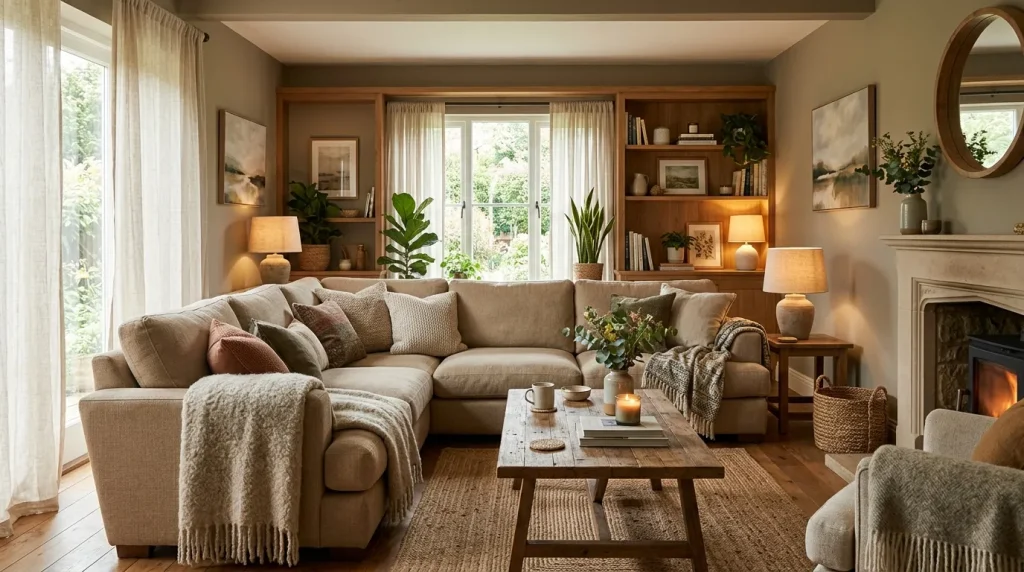
The way a home feels can influence mood, productivity, and overall well-being more than many people realize. Comfortable surroundings encourage relaxation after busy days while also supporting meaningful conversations, hobbies, and quiet moments. Studies have found that thoughtfully designed environments can reduce stress by minimizing visual clutter and creating a stronger sense of order. This explains why many homeowners prioritize warmth and simplicity over constantly changing trends that quickly lose their appeal or become difficult to maintain.
Daily routines become noticeably more enjoyable when rooms are arranged around real activities rather than appearances alone. A comfortable reading chair beside soft lighting, accessible storage for everyday essentials, and welcoming gathering areas all contribute to smoother living. I’ve noticed that families often spend more quality time together when shared spaces feel inviting instead of overly formal. Small adjustments made with daily habits in mind frequently create a greater positive impact than expensive renovations focused only on visual appeal.
Understanding the Elements That Create Lasting Comfort
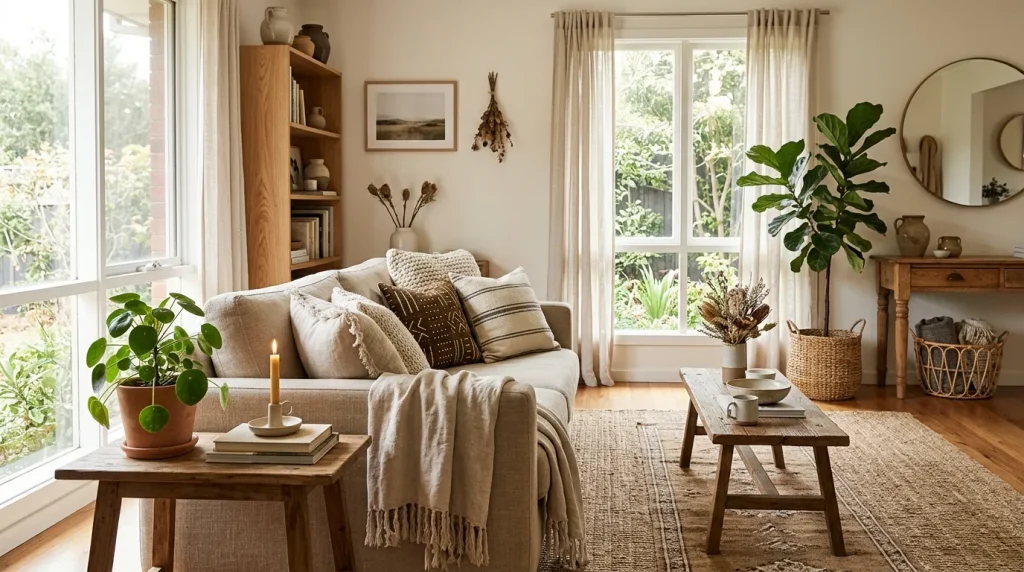
Creating cozy home decor that remains appealing over time depends on combining several design elements into one harmonious environment. Texture, lighting, proportion, color, and thoughtful organization all work together to create a welcoming atmosphere without overwhelming the space. Rather than relying on a single statement piece, lasting comfort develops through many carefully balanced details. Research consistently highlights that layered environments often feel richer and more relaxing because they engage the senses without creating unnecessary visual distraction.
Each design element serves a practical purpose while contributing to the overall feeling of warmth. Soft textiles improve comfort, natural materials introduce visual richness, and adjustable lighting helps rooms transition from active mornings to restful evenings. In my experience, homeowners achieve the best long-term results by introducing improvements gradually instead of replacing everything at once. This thoughtful approach allows each addition to complement existing furnishings, resulting in interiors that feel intentional, balanced, and genuinely welcoming for everyday living.
How Color Choices Influence the Feeling of a Room
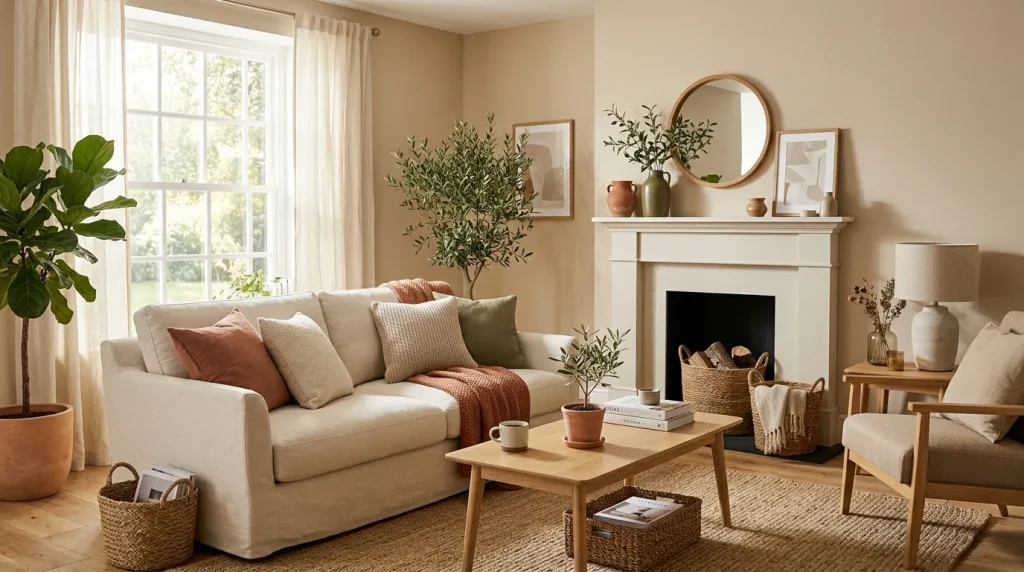
Color does far more than shape a room’s appearance because it also influences how people emotionally experience the space. Warm neutrals, earthy greens, soft browns, and muted terracotta shades often create a sense of relaxation without overwhelming the eye. Research suggests that balanced, low-saturation color palettes encourage calm by reducing unnecessary visual stimulation. Instead of selecting colors solely because they are trendy, many designers recommend considering how each shade interacts with natural light, furnishings, and the activities that regularly take place within the room.
Successful color planning also involves creating smooth transitions between adjoining spaces rather than treating every room independently. Gentle contrasts help define different areas while maintaining a connected flow throughout the home. I’ve observed that homeowners who introduce color gradually usually feel more confident about their decorating decisions because each addition can be evaluated before larger changes are made. Layering similar tones through walls, textiles, artwork, and accessories often creates greater depth than relying on bold color contrasts alone.
Why Layered Textures Add Visual and Physical Warmth
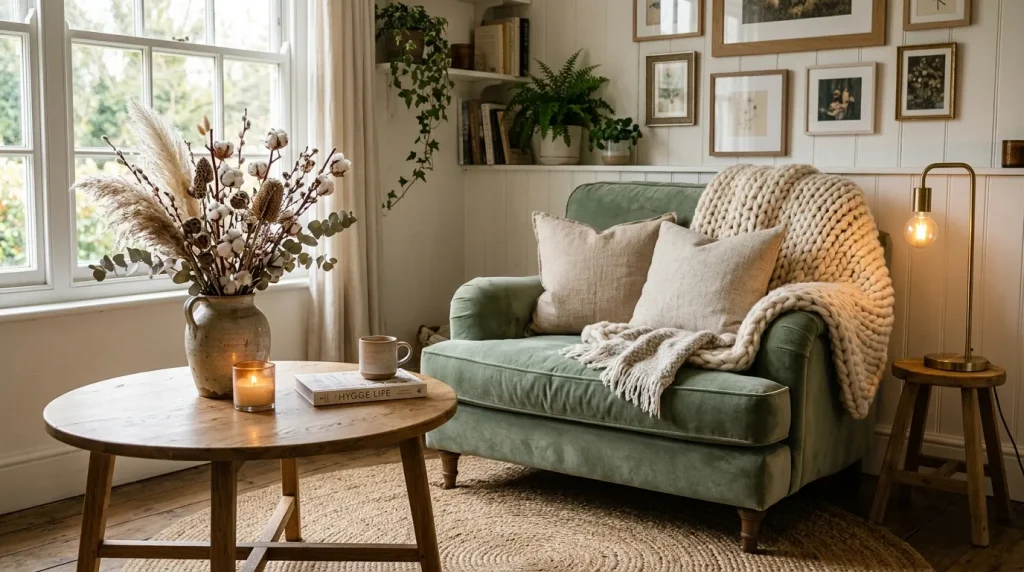
One of the most effective ways to make interiors feel welcoming is by combining different textures throughout the space. Even when using a simple color palette, varied materials create visual richness that prevents rooms from appearing flat or lifeless. Soft fabrics, woven baskets, natural wood, stone surfaces, and handcrafted ceramics each contribute their own character. Designers frequently explain that people respond not only to what they see but also to the tactile qualities suggested by different materials, making texture an essential part of comfortable interior design.
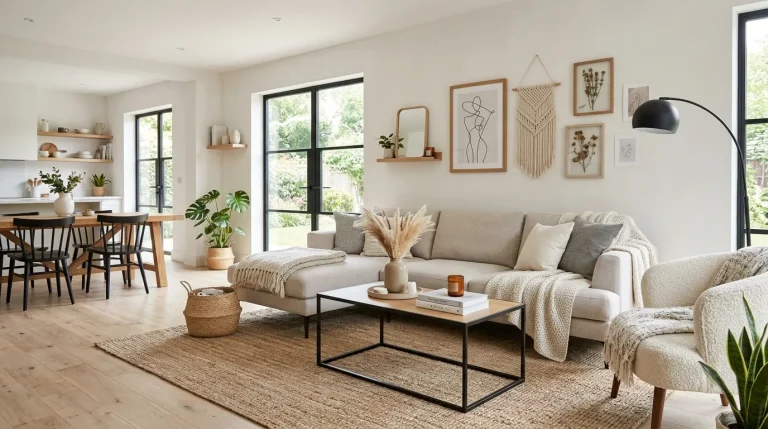
Layering textures works best when contrasts remain balanced instead of competing for attention. A smooth leather chair beside a chunky knit throw or a sleek wooden table resting on a woven rug introduces subtle variety without creating visual clutter. In my experience, adding texture gradually produces a more authentic result than purchasing matching decorative collections all at once. Carefully mixing finishes, fabrics, and natural materials creates depth while helping every room feel lived in, welcoming, and comfortable throughout every season.
The Importance of Lighting for Everyday Comfort
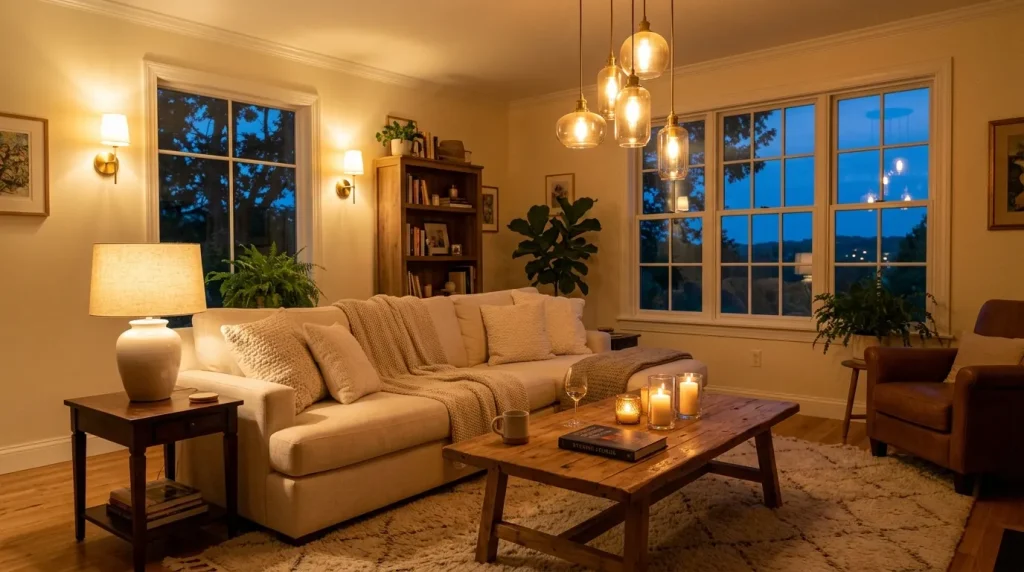
Lighting shapes the atmosphere of a home more dramatically than almost any decorative accessory. Bright overhead fixtures may support productivity during busy hours, while softer ambient lighting encourages relaxation later in the day. Studies have shown that warmer light temperatures often promote a greater sense of comfort than cooler lighting in residential environments. Instead of depending on one central ceiling fixture, professionals usually recommend combining several light sources to create flexibility for different activities and changing moods throughout the day.
Thoughtful lighting design also improves functionality while enhancing visual balance across the room. Floor lamps, table lamps, wall sconces, candles, and natural daylight each serve different purposes while contributing to an inviting environment. I’ve noticed that homes with layered lighting feel more adaptable because brightness can easily change according to the occasion. Small adjustments, such as replacing harsh bulbs with warmer alternatives or repositioning lamps, often make a surprisingly noticeable difference without requiring major renovations or significant expense.
How Natural Materials Enhance Interior Warmth
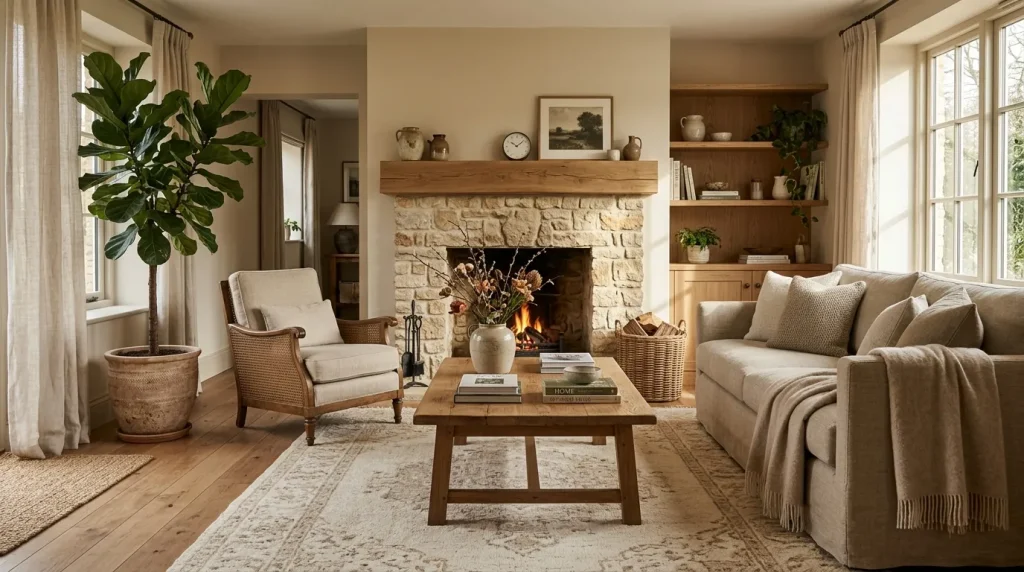
Natural materials bring an unmistakable sense of authenticity that manufactured finishes often struggle to replicate. Wood, stone, cotton, linen, wool, leather, and woven fibers introduce subtle variations in texture and color, giving rooms greater depth and character. Research suggests that incorporating organic materials into living spaces may help create environments people perceive as calmer and more restorative. Rather than competing for attention, these elements work together to establish visual harmony while supporting a timeless style that remains appealing through changing design trends.
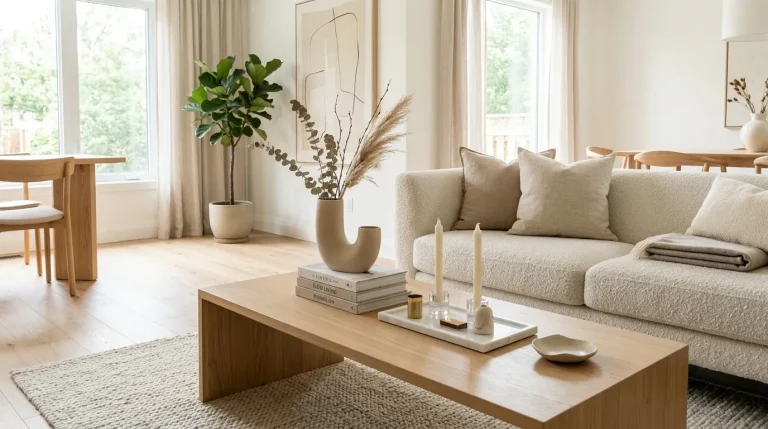
Using natural finishes does not require replacing every piece of furniture or completing an extensive renovation. A wooden coffee table, woven storage baskets, linen curtains, or handcrafted ceramic accessories can gradually introduce warmth without overwhelming existing décor. In my experience, mixing several organic materials creates a richer appearance than relying on a single finish throughout the room. Allowing each material to showcase its natural grain, texture, and imperfections helps interiors feel genuine, welcoming, and comfortably lived in every season.
Why Thoughtful Furniture Placement Improves Functionality
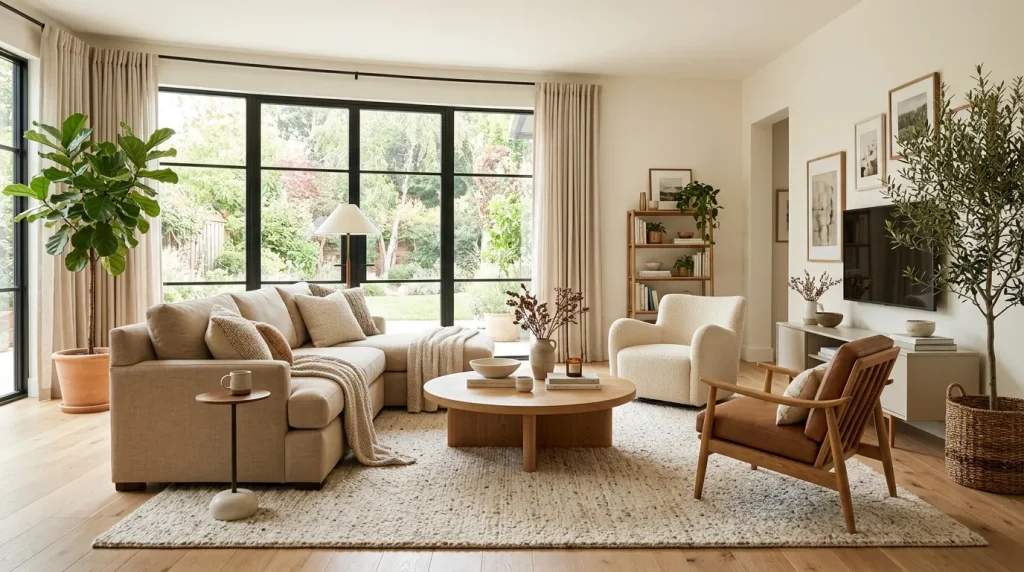
Furniture arrangement influences how comfortably people move, gather, and relax within a home. Even beautifully selected furnishings can feel awkward if they interrupt natural walking paths or separate conversation areas. Designers often begin by identifying the room’s primary purpose before deciding where major pieces should be positioned. Whether the space supports family gatherings, reading, entertaining guests, or quiet evenings, the layout should make these activities feel effortless while maintaining an open and visually balanced environment.
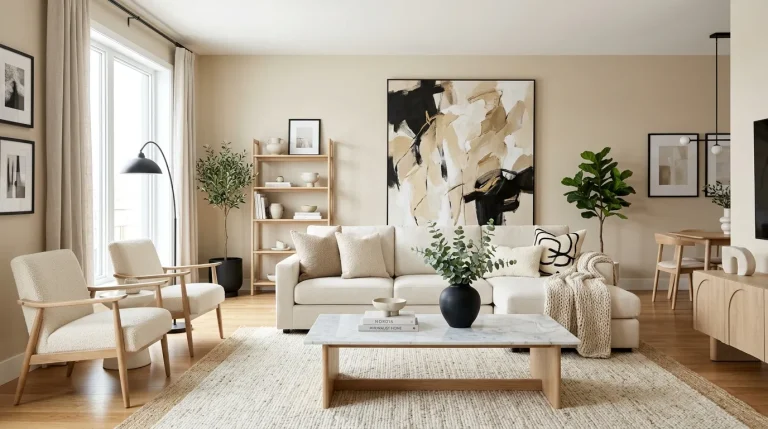
Successful layouts encourage interaction without making rooms appear crowded or empty. Leaving comfortable circulation space around furniture helps improve accessibility while allowing decorative features to stand out naturally. I’ve observed that homeowners frequently benefit from rearranging existing pieces before purchasing anything new, discovering more practical configurations without additional expense. Small adjustments, including repositioning chairs, floating a sofa away from the wall, or centering furniture around a focal point, often transform both comfort and functionality remarkably well.
How Personal Touches Make a House Feel Like Home
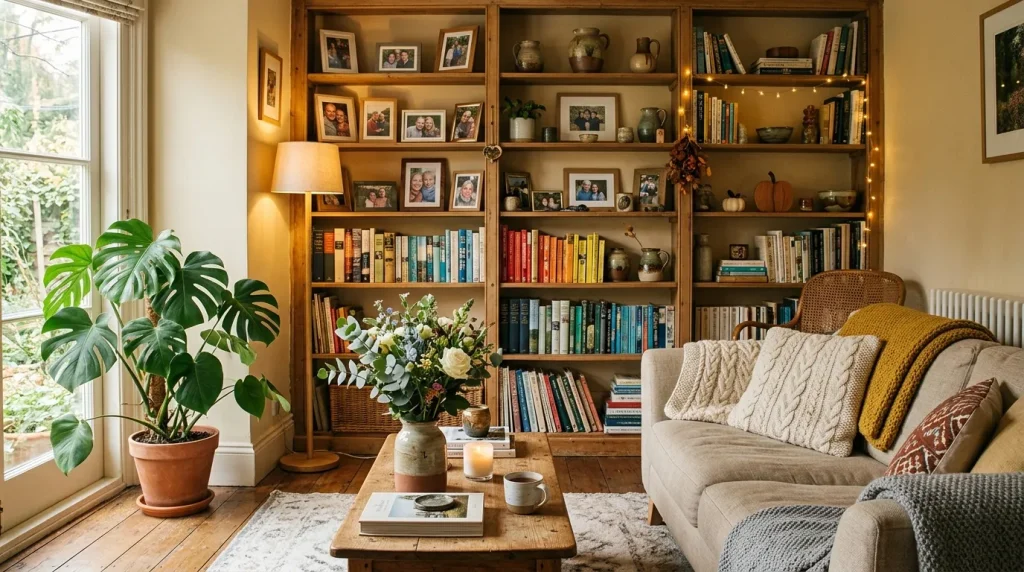
Beautiful interiors become memorable when they reflect the personalities, experiences, and daily lives of the people who live there. Meaningful objects often carry greater emotional value than expensive decorations because they tell stories and create lasting connections. Family photographs, travel souvenirs, handmade artwork, treasured books, or inherited furniture all contribute individuality that cannot be purchased from a showroom. These carefully chosen details help transform attractive rooms into spaces that genuinely support comfort, belonging, and everyday enjoyment.
Decorating with personal items works best when collections remain thoughtfully edited instead of filling every available surface. Displaying meaningful belongings in small groups creates visual interest while preventing unnecessary clutter from distracting the eye. In my experience, rotating seasonal decorations and favorite keepsakes throughout the year keeps interiors feeling fresh without requiring constant purchases. This balanced approach preserves sentimental value while ensuring each displayed item receives the attention it deserves within a calm, welcoming environment.
How Seasonal Updates Keep Interiors Feeling Fresh
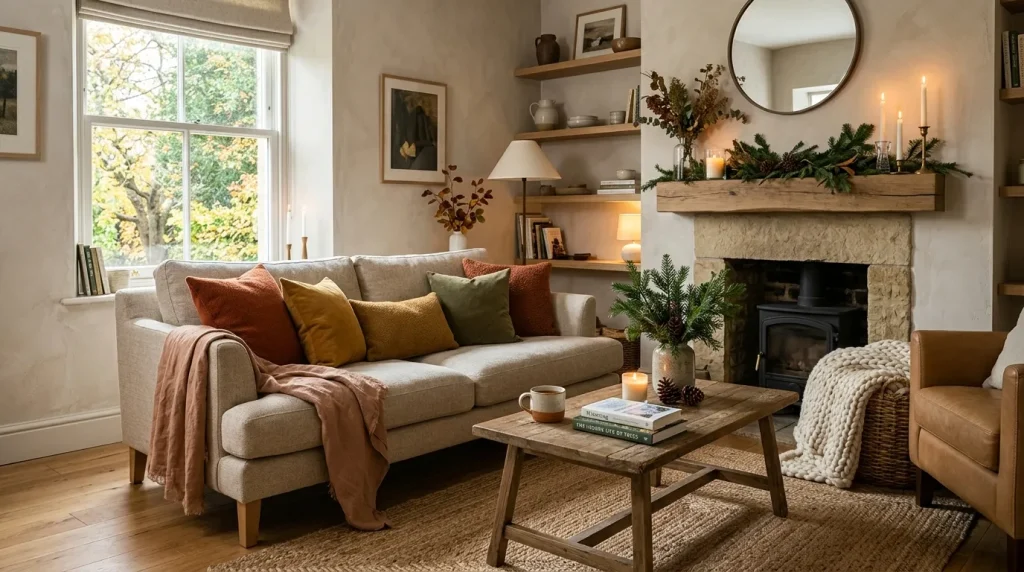
Refreshing a home throughout the year does not require major redecorating or frequent furniture replacements. Small seasonal updates allow rooms to reflect changing weather while preserving a consistent overall design. Lightweight fabrics, fresh greenery, and airy textures work beautifully during warmer months, while heavier blankets, richer colors, and warm lighting naturally suit cooler seasons. Designers often recommend building a timeless foundation first, making seasonal changes easier, more affordable, and visually balanced without disrupting the home’s overall character.
Thoughtful seasonal decorating also encourages homeowners to appreciate their spaces in new ways without creating unnecessary waste. Rotating decorative pillows, changing floral arrangements, or introducing natural elements collected during different times of the year can refresh familiar rooms. I’ve noticed that subtle adjustments usually create a stronger impact than dramatic overhauls because they preserve continuity while introducing welcome variety. This practical approach keeps interiors feeling inviting, comfortable, and relevant regardless of changing trends or seasonal preferences.
Why Organization Supports a Relaxing Home Environment
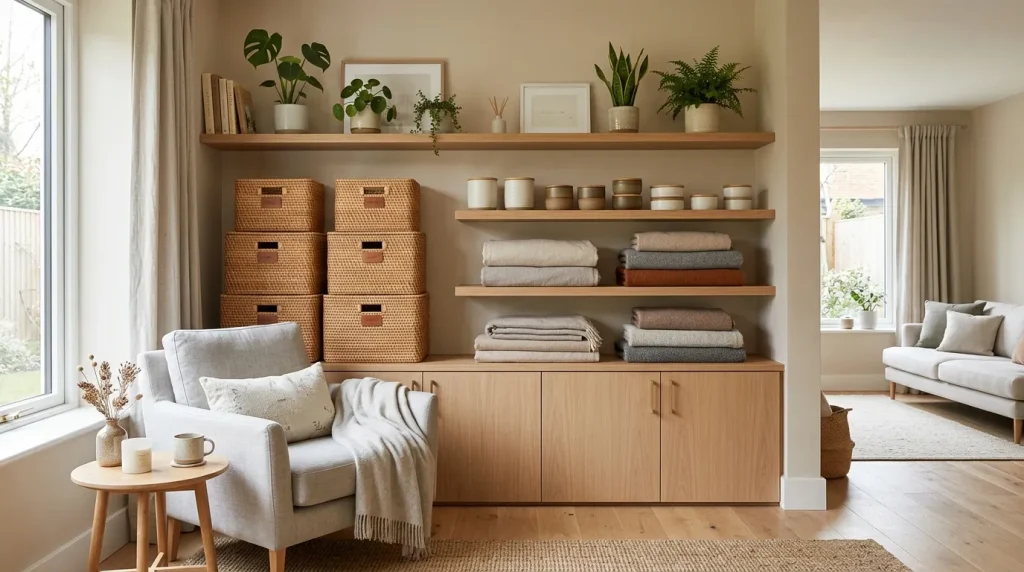
A peaceful home depends as much on thoughtful organization as attractive decoration. Even carefully designed rooms can feel stressful when everyday items constantly compete for attention or create visual clutter. Research has shown that organized environments often support better concentration and reduce feelings of overwhelm. Rather than striving for perfection, the goal is creating systems that make daily routines easier while allowing beautiful furnishings and meaningful decorative elements to remain the visual focus of each space.
Practical storage solutions should blend naturally into the overall design instead of appearing purely functional. Decorative baskets, built-in shelving, storage benches, and attractive cabinets help keep everyday essentials accessible without sacrificing style. In my experience, homeowners maintain organized spaces more successfully when storage reflects their actual habits rather than unrealistic expectations. Simple systems that are easy to follow every day usually outperform complicated organizational methods that become difficult to maintain over time.
How to Balance Comfort With Lasting Style
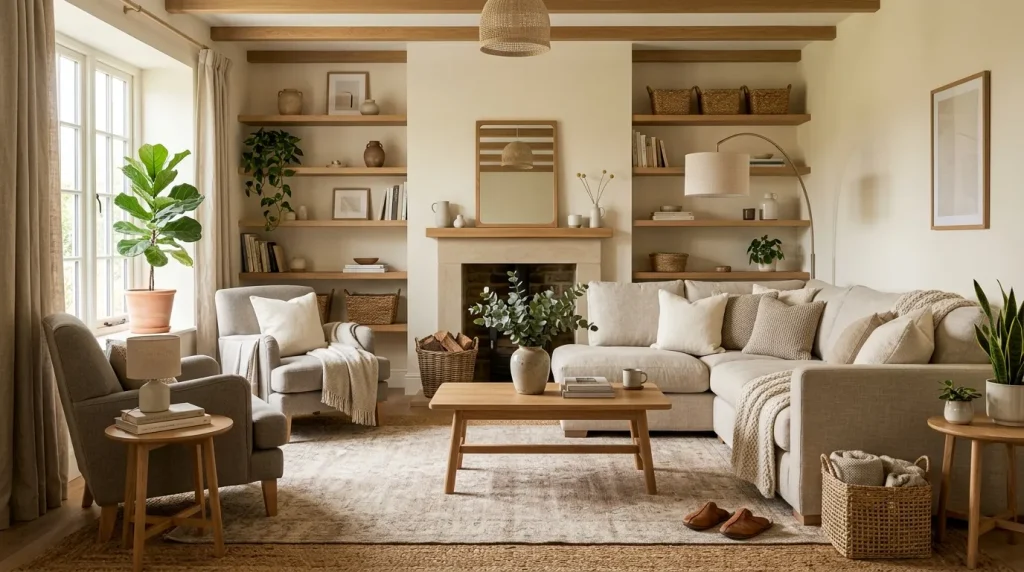
Many people assume they must choose between stylish interiors and comfortable living, but the strongest designs successfully combine both qualities. Lasting style comes from selecting pieces that serve everyday needs while maintaining visual harmony over time. Durable materials, classic shapes, and thoughtful proportions often remain attractive far longer than rapidly changing trends. This balanced approach creates spaces that continue supporting daily life without requiring frequent redesigns or expensive updates simply to remain visually appealing.
Achieving this balance requires evaluating every decorative choice through both practical and aesthetic perspectives. Comfortable seating, functional layouts, and quality materials should work alongside cohesive colors and carefully chosen accessories. I’ve observed that homes designed around real lifestyles tend to age more gracefully because they prioritize genuine usefulness over temporary fashion. When beauty and function support one another equally, interiors become more enjoyable, adaptable, and satisfying for years rather than just a single decorating season.
How to Create a Welcoming Entry Into Your Home
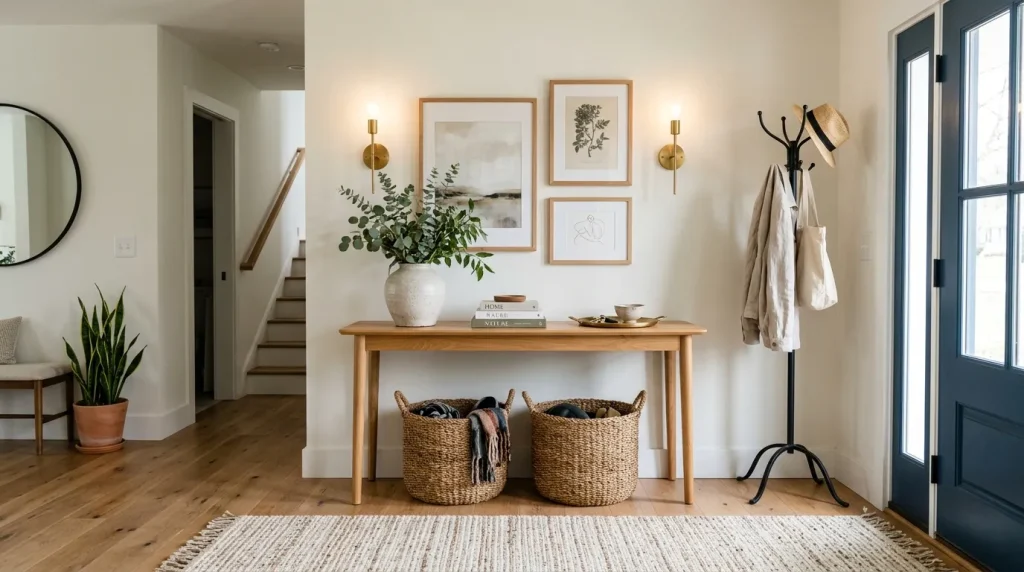
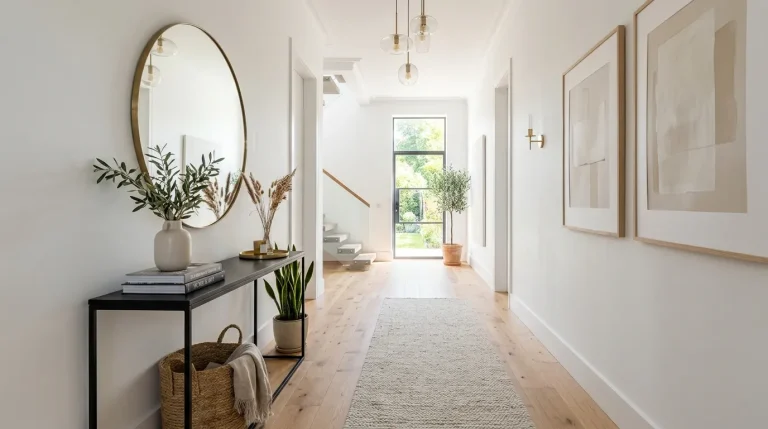
First impressions begin the moment someone walks through the front door, making the entryway an important part of the overall home experience. A thoughtfully arranged entrance signals warmth, organization, and hospitality before guests see the rest of the interior. Even compact spaces can feel inviting when they include practical storage, comfortable lighting, and carefully selected decorative accents. Designers often recommend treating this area as a transition zone that prepares people to move comfortably from the outside world into a calmer indoor environment.
An effective entry balances beauty with everyday function by accommodating daily routines without appearing cluttered. Hooks for coats, a bench for removing shoes, concealed storage, and welcoming decorative touches all contribute to a smoother experience. In my experience, small improvements in the entrance often influence how organized the entire home feels because they encourage consistent habits from the moment people arrive. Creating this welcoming transition supports both comfort and long-term practicality throughout the rest of the house.
Why Layering Décor Creates Visual Depth
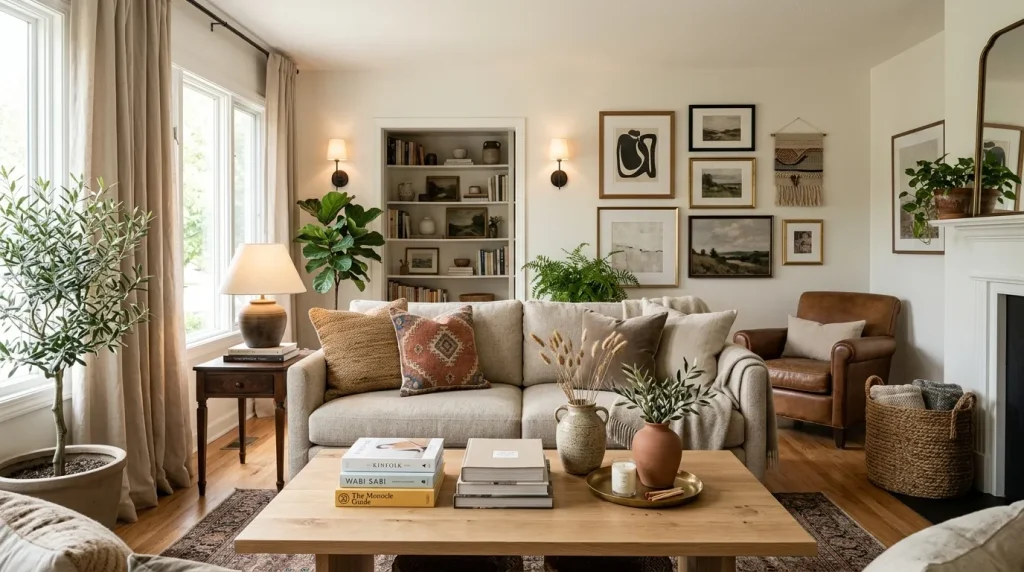
Rooms often feel more interesting when decorative elements are arranged in thoughtful layers instead of being displayed individually. Layering introduces variation in height, texture, shape, and scale, helping interiors appear collected over time rather than purchased all at once. Combining artwork, books, greenery, textiles, and decorative accessories creates visual movement while maintaining harmony. Research suggests that balanced layering encourages people to explore a space naturally because the eye discovers subtle details without becoming overwhelmed by excessive decoration.
Successful layering depends on restraint as much as creativity. Leaving open space between decorative groupings allows each element to stand out while preventing surfaces from feeling crowded. I’ve observed that homeowners achieve the best results when they begin with larger foundational pieces before gradually adding smaller accents for personality and balance. This measured approach creates interiors that feel complete, welcoming, and visually engaging while remaining practical enough for everyday living and easy long-term maintenance.
How Everyday Habits Preserve a Comfortable Home
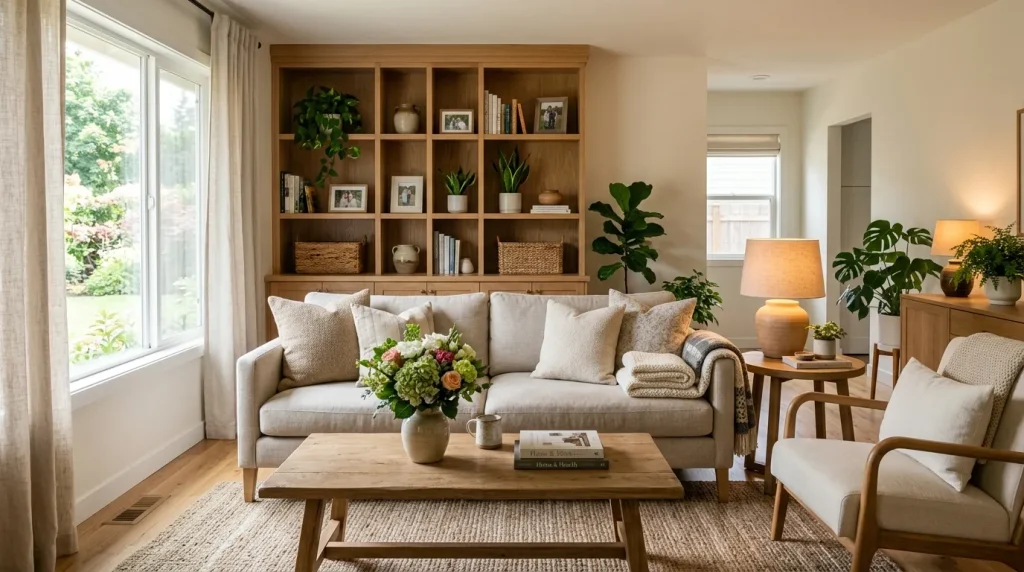
Beautiful interiors remain enjoyable when simple daily habits support the effort invested in decorating them. Regular tidying, maintaining textiles, caring for plants, and returning everyday items to their proper places help preserve both appearance and functionality. Many professionals emphasize that consistent maintenance prevents small tasks from becoming overwhelming projects. Instead of striving for perfection, creating manageable routines allows homeowners to enjoy their surroundings while protecting furnishings and decorative features from unnecessary wear over time. These same habits are especially valuable when maintaining kitchen counter decor, where keeping surfaces clean and thoughtfully styled helps the space remain both functional and visually appealing every day.
Long-term comfort also depends on periodically reassessing how rooms support changing lifestyles and household needs. Families grow, routines evolve, and spaces naturally adapt to new activities throughout the years. I’ve noticed that the most welcoming homes are rarely the most expensive; they are the ones that receive thoughtful attention through consistent care and meaningful updates. Small, sustainable habits ultimately protect the atmosphere people work so carefully to create, ensuring each room continues feeling inviting every day.
How Small Decorative Details Complete the Overall Design
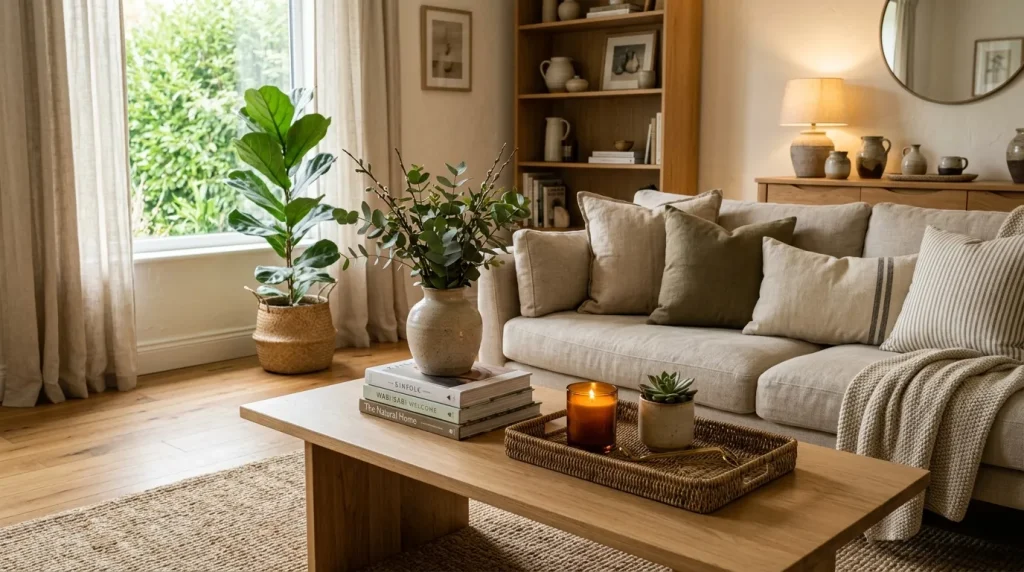
The finishing touches often determine whether a room feels thoughtfully designed or simply furnished. Decorative accessories provide opportunities to introduce personality, texture, and visual balance without overwhelming the space. Carefully chosen objects such as ceramics, books, artwork, candles, and plants help reinforce the home’s overall style while adding subtle points of interest. Rather than filling every shelf or tabletop, designers typically recommend selecting meaningful pieces that complement surrounding furnishings and contribute to a cohesive, welcoming atmosphere.
Successful styling also depends on thoughtful editing over time. Rearranging accessories, removing unnecessary items, and introducing occasional updates can refresh a room without requiring major purchases. In my experience, the most inviting interiors avoid excessive decoration and instead allow carefully selected details to stand out naturally. This measured approach creates visual harmony while ensuring every decorative element serves a purpose, whether practical, sentimental, or purely aesthetic, resulting in spaces that remain timeless and enjoyable.
Bringing Every Design Element Together Successfully
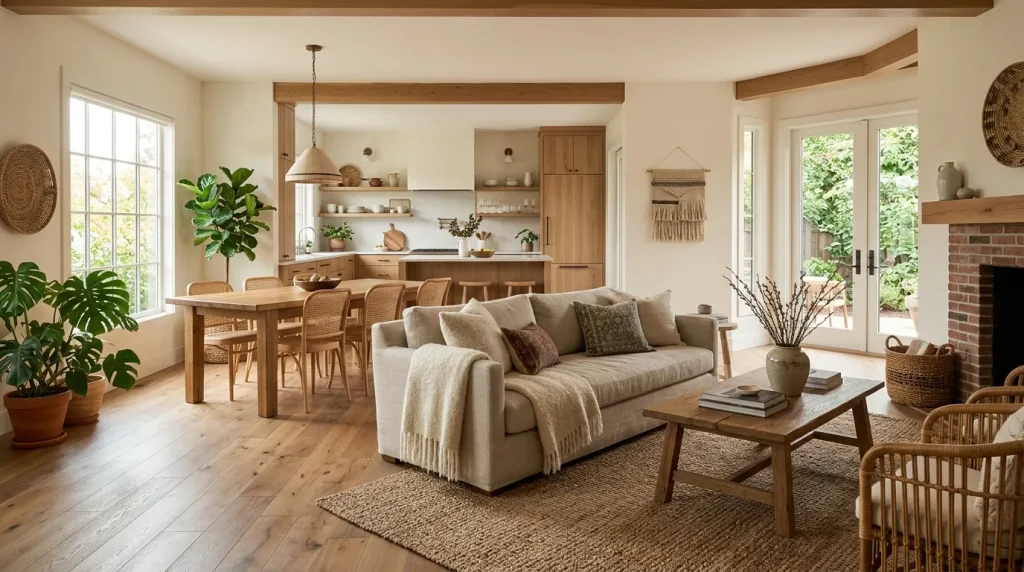
Creating cozy home decor is ultimately about combining thoughtful design principles into spaces that genuinely support everyday life. Color, texture, lighting, furniture placement, organization, natural materials, and meaningful personal touches each contribute to an environment that feels welcoming and functional. While every home reflects different lifestyles and preferences, these foundational concepts remain consistently valuable because they prioritize comfort alongside lasting visual appeal. Understanding how these elements interact allows homeowners to make confident decorating decisions that continue serving them well over time.
Lasting success rarely comes from following every new trend or copying another person’s interior exactly. Instead, it develops through intentional choices that reflect individual routines, practical needs, and personal experiences. I’ve seen how applying these principles gradually often produces the most satisfying results because homeowners gain confidence with each thoughtful improvement. By focusing on balance, authenticity, and everyday usability, anyone can create interiors that remain beautiful, adaptable, and welcoming for family members, guests, and daily life alike.
Conclusion:
A welcoming home is created through thoughtful decisions that balance beauty, comfort, and everyday functionality. By understanding how color, lighting, texture, natural materials, organization, and meaningful personal touches work together, you can make decorating choices that stand the test of time. Cozy home decor is not about following every trend but about creating spaces that genuinely support your lifestyle and bring comfort to everyone who enters. I’ve seen how these timeless principles transform ordinary rooms into places people truly enjoy living in. Revisit this guide whenever you need inspiration, apply the ideas at your own pace, and share it with others who want to create a warmer, more inviting home.
Elira Montclair
Elira writes about timeless home decor, kitchen styling, and practical interior ideas. Her work blends warm, inviting aesthetics with simple decorating tips that make everyday spaces feel beautiful and comfortable.