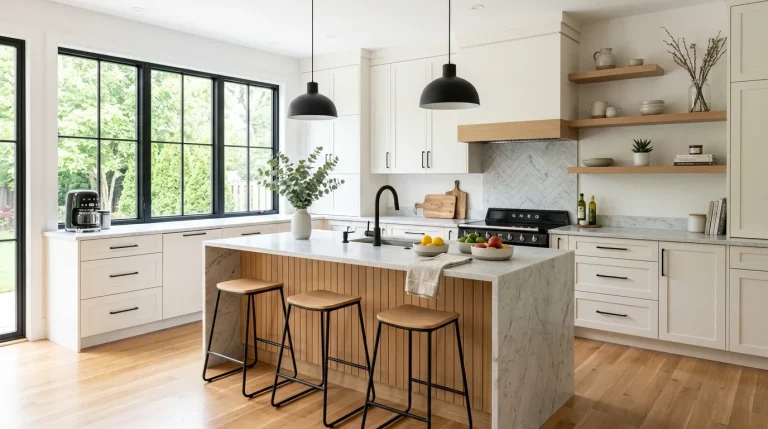
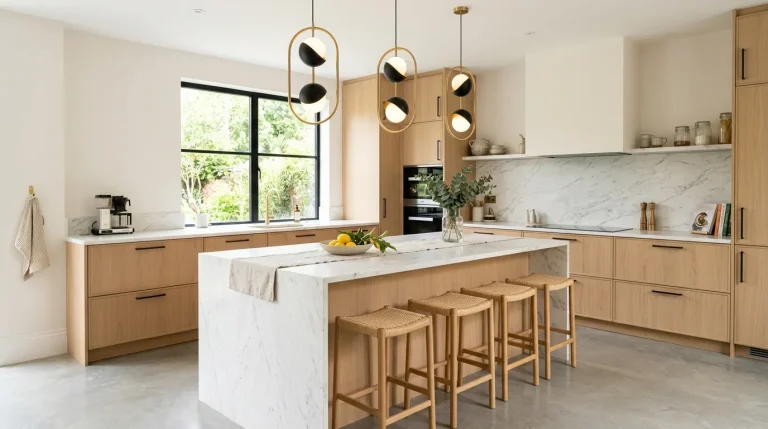
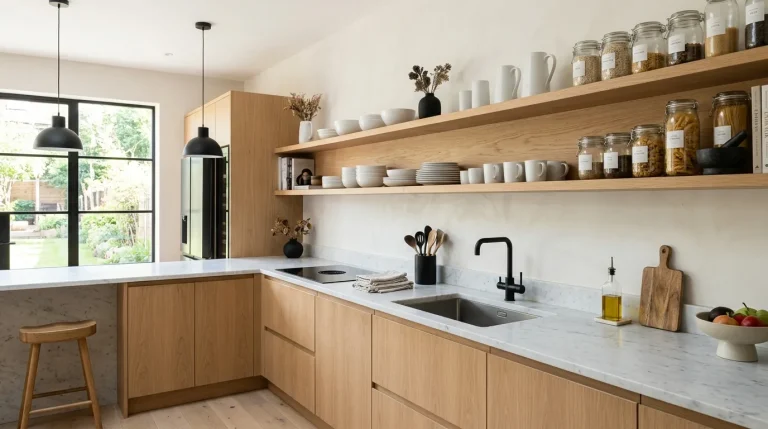
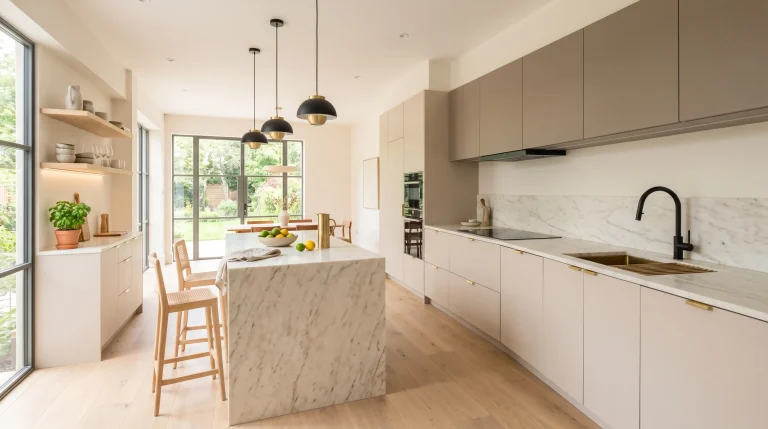
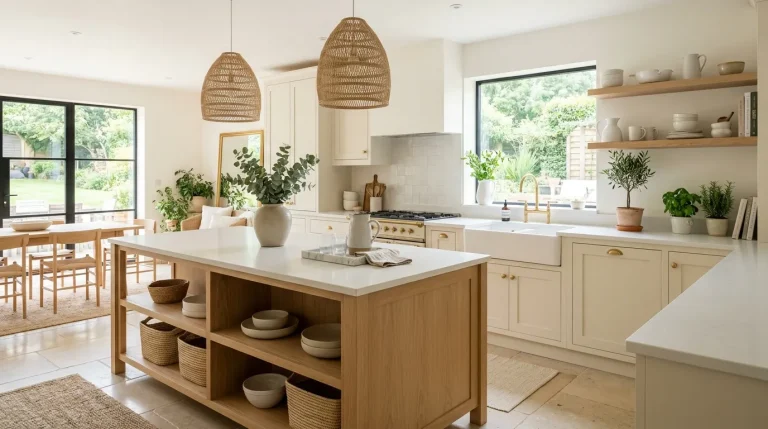
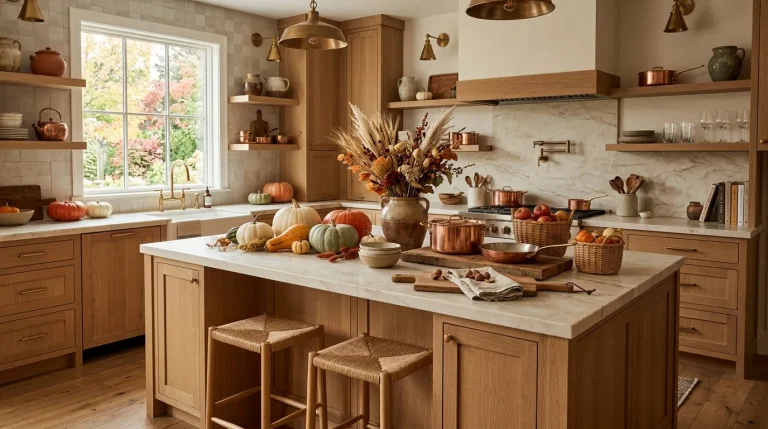
Kitchen Counter Decor Beginner Guide to a Beautiful Everyday Space

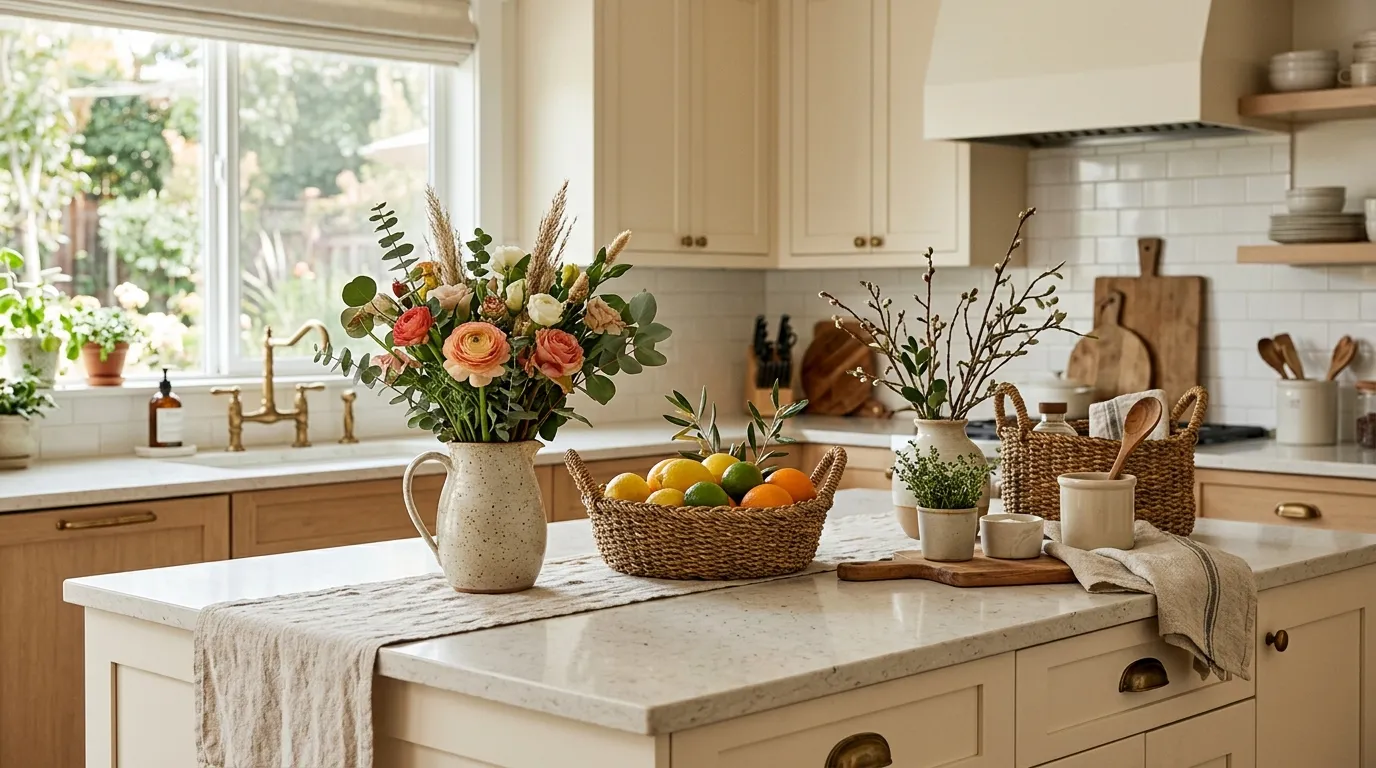
Introduction:
Kitchen counter decor can completely change how your kitchen looks, feels, and functions every single day. The right approach isn’t about filling every empty surface—it’s about creating a space that feels welcoming, organized, and practical while reflecting your personal style.
Whether you’re decorating a brand-new kitchen or refreshing one you’ve used for years, understanding the principles behind thoughtful countertop styling makes every design decision easier. From choosing functional accessories and balancing visual elements to organizing everyday essentials and maintaining a clutter-free appearance, every small detail contributes to a kitchen that supports your daily routine.
In my experience, the most successful kitchens aren’t necessarily the most expensive or trendiest. They’re the ones designed around real life. I’ve noticed that when countertops are intentionally styled with both beauty and function in mind, everyday activities like preparing meals, making coffee, or gathering with family become more enjoyable and less stressful.
This guide explores the concepts, strategies, and design principles that professionals use to create attractive, functional countertops that stand the test of time. By the end, you’ll understand not only what works, but why it works, giving you the confidence to create a beautiful everyday space that fits your home and lifestyle.
Understanding the Purpose of a Well-Styled Countertop
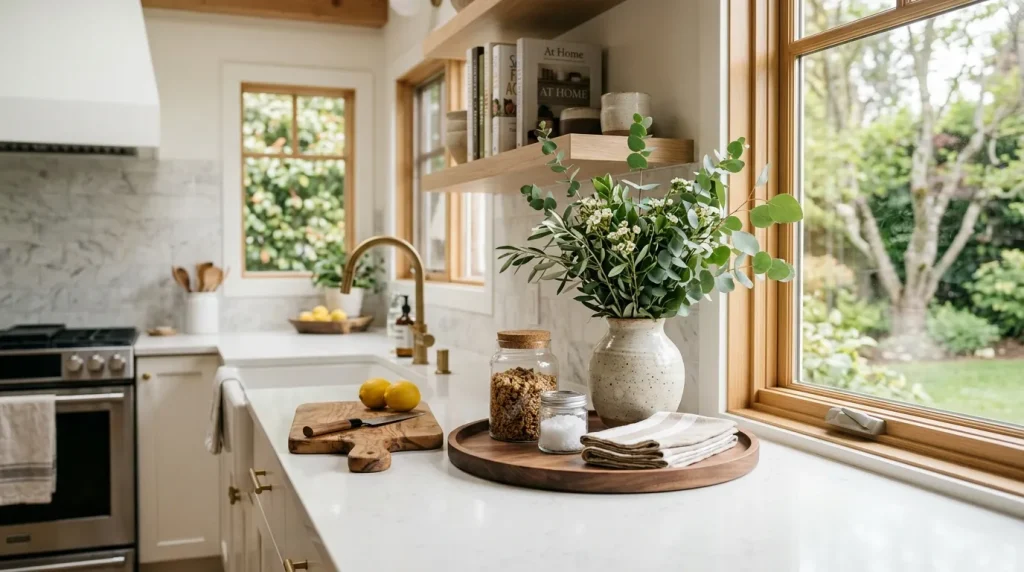
A beautifully arranged countertop does far more than improve appearances because it directly influences how a kitchen feels and functions every day. Whether preparing breakfast, making coffee, or organizing groceries, the surrounding environment affects comfort and efficiency. I’ve noticed that even simple styling choices can make routine tasks feel more enjoyable because they create visual order and reduce distractions. Instead of treating counters as empty workspaces or storage zones, many homeowners now view them as an extension of the room’s personality while still preserving valuable preparation space for daily activities.
Research into environmental psychology suggests that organized, visually balanced spaces often contribute to lower stress and greater satisfaction during everyday routines. That principle applies especially well in kitchens, where multiple activities happen throughout the day. Decorative objects become most effective when they also serve practical purposes, such as holding utensils, displaying fresh fruit, or storing frequently used ingredients. Understanding this balance helps people make thoughtful decorating decisions that support real-life habits instead of creating unnecessary clutter that quickly becomes difficult to maintain.
How to Balance Beauty and Everyday Function
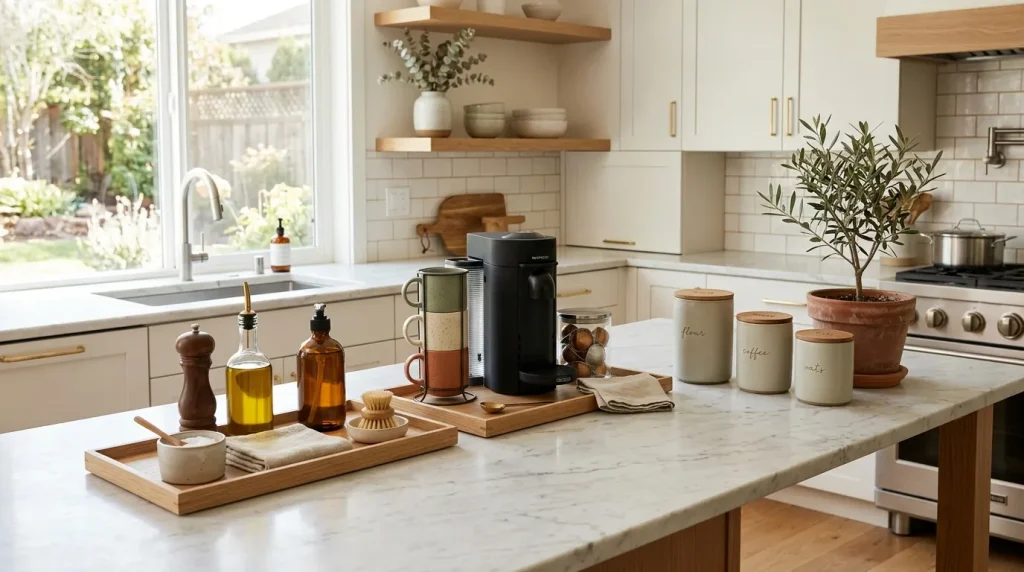
Creating an attractive cooking space becomes much easier when decoration supports everyday routines instead of competing with them. Many people begin with attractive accessories but eventually discover they interfere with meal preparation or cleaning. In my experience, the most successful arrangements start by identifying daily habits before selecting decorative elements. Items used every morning deserve convenient placement, while purely decorative pieces should occupy areas that rarely interrupt workflow. This thoughtful approach creates a space that remains beautiful throughout the day rather than looking appealing only immediately after being organized.
The most effective kitchen counter decor combines visual interest with genuine usefulness, allowing homeowners to enjoy attractive surroundings without sacrificing convenience. A carefully chosen tray, attractive utensil holder, or attractive cookbook stand can introduce character while serving practical purposes every day. Many professionals recommend limiting decorative groupings to specific zones instead of spreading accessories across every available surface. This strategy preserves generous workspace, simplifies cleaning, and creates stronger visual impact because each decorative arrangement has room to stand out naturally.
Why Visual Balance Creates a More Inviting Kitchen
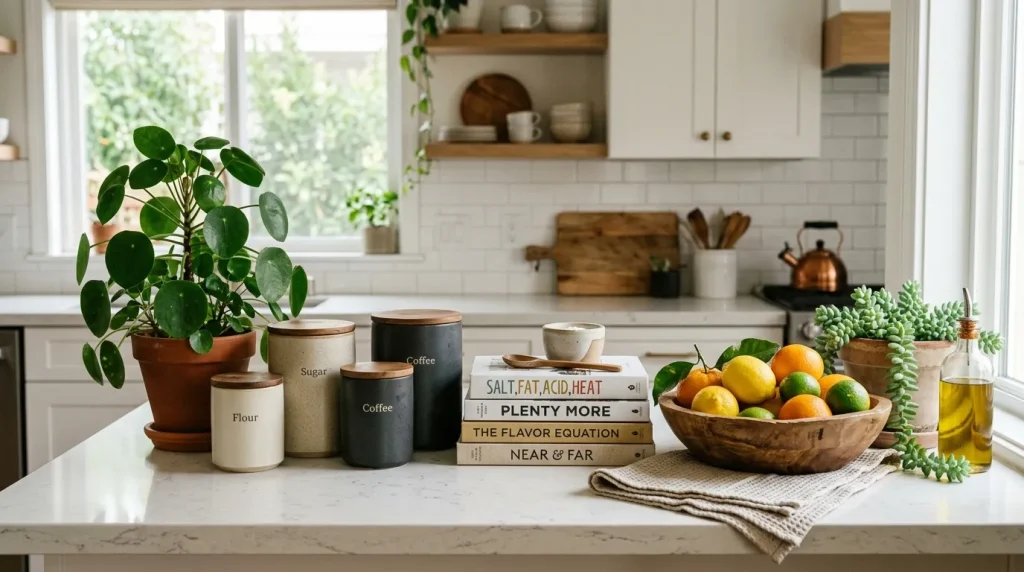
An inviting kitchen rarely depends on expensive materials alone because thoughtful visual balance often has a greater impact than luxury finishes. Differences in height, texture, shape, and spacing naturally guide the eye throughout the room without making it feel crowded. I’ve observed that kitchens become more comfortable when decorative objects vary slightly in size while sharing similar colors or materials. This subtle coordination prevents displays from appearing random and creates an effortless style that feels carefully considered rather than overly designed or excessively decorative.
Visual harmony also develops through repetition and restraint rather than constant variety. Repeating natural wood tones, matching ceramic finishes, or coordinating metal accents creates consistency that ties separate decorative pieces together. Meanwhile, leaving intentional empty areas prevents displays from feeling overwhelming and gives important items room to breathe. Designers frequently emphasize negative space because it highlights surrounding decorations instead of competing with them. Learning this principle helps homeowners confidently arrange surfaces that feel calm, welcoming, and timeless regardless of changing design trends.
Choosing Decorative Items That Add Lasting Value
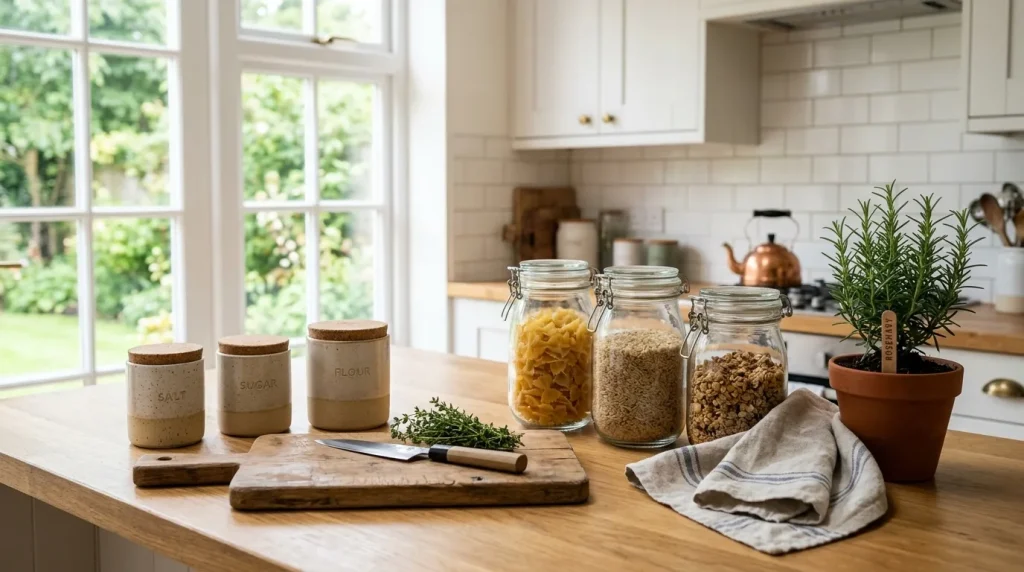
Selecting decorative accessories becomes much easier when every item contributes something meaningful beyond appearance. Beautiful objects certainly attract attention, but those that also improve organization or simplify daily routines provide lasting satisfaction. I’ve found that homeowners are less likely to replace décor when it serves multiple purposes, such as storing essentials or keeping frequently used tools within reach. Instead of following every trend, choosing timeless materials like wood, ceramic, stone, and glass often creates a space that remains appealing despite changing design styles and seasonal preferences.
Many design professionals encourage building decorative collections gradually rather than purchasing numerous accessories at once. This thoughtful approach allows each piece to complement existing colors, finishes, and household routines without creating visual competition. Quality often matters more than quantity because a few carefully chosen objects make a stronger impression than crowded displays filled with unrelated decorations. Over time, these intentional selections develop a cohesive look that feels personal, functional, and adaptable, making the kitchen more enjoyable while reducing unnecessary clutter and frequent redecorating.
How Color Influences the Overall Kitchen Atmosphere
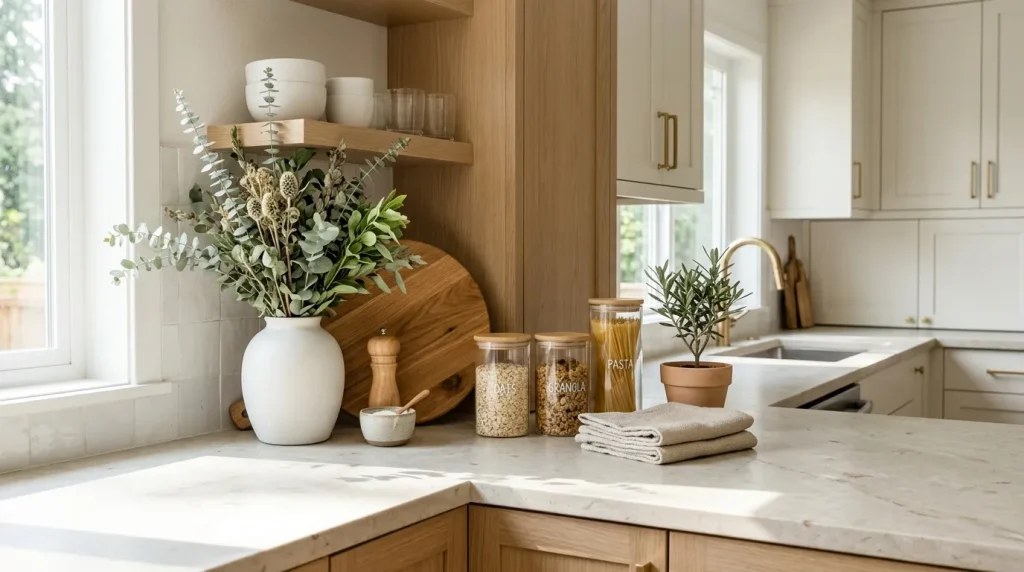
Color quietly shapes the mood of a kitchen long before individual decorative pieces capture attention. Light neutral shades often create an open, airy feeling, while deeper tones introduce warmth and contrast without overwhelming the space. Research shows that consistent color palettes help rooms feel more organized because the eye naturally processes coordinated elements more comfortably. Choosing a limited range of complementary colors allows decorative accessories to work together naturally instead of competing for attention, creating a setting that feels peaceful during both busy mornings and relaxed evenings.
Accent colors become most effective when introduced intentionally through small decorative details rather than dominating the entire countertop. Fresh greenery, seasonal fruit, textured linens, or ceramic containers can provide subtle color while remaining easy to update throughout the year. I’ve noticed that rotating a few accent pieces often refreshes the kitchen without requiring expensive renovations or complete redesigns. This flexible approach keeps the space feeling current while preserving the timeless foundation established by neutral surfaces and durable materials that withstand everyday use.
Creating Organized Zones for Everyday Convenience
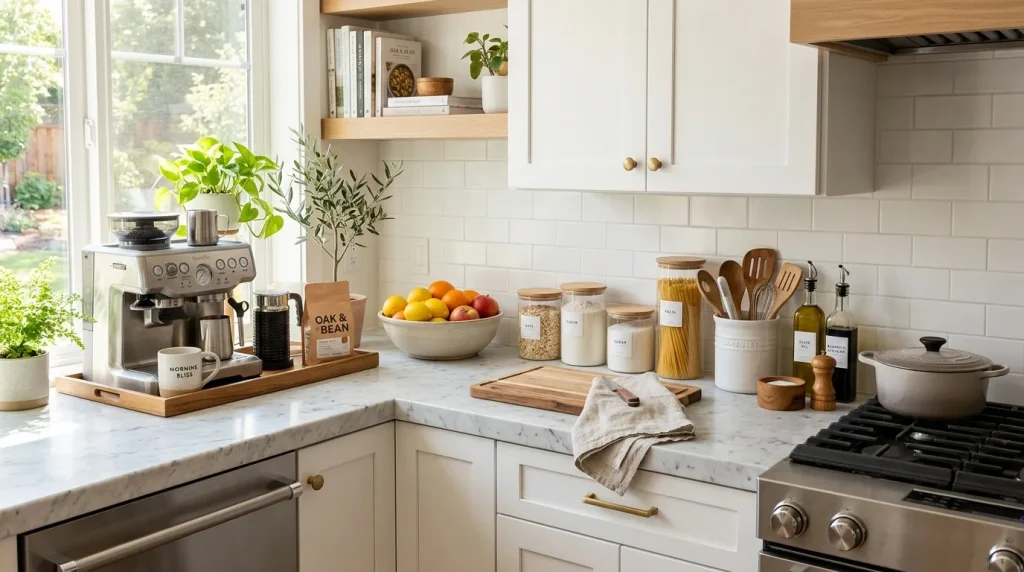
One of the simplest ways to improve both appearance and efficiency is by dividing countertop space into purposeful activity zones. Rather than scattering frequently used items across every surface, grouping related essentials together supports smoother daily routines. Coffee supplies, cooking utensils, baking ingredients, and fresh produce each benefit from dedicated locations that reduce unnecessary movement. In my experience, organized zones also make kitchens feel larger because every item has a logical place, preventing random accumulation that gradually overwhelms available workspace and creates unnecessary visual distractions.
Well-defined zones remain effective because they reflect how people naturally move through the kitchen during everyday tasks. Preparing breakfast, cooking dinner, or cleaning afterward becomes easier when related tools stay close together without overlapping other activities. Studies on workspace organization suggest that predictable layouts reduce mental effort by limiting the time spent searching for frequently used items. This practical structure supports efficiency while allowing decorative accents to enhance each area naturally, resulting in a space that feels both beautifully arranged and comfortably functional.
How Natural Materials Enhance Timeless Kitchen Style
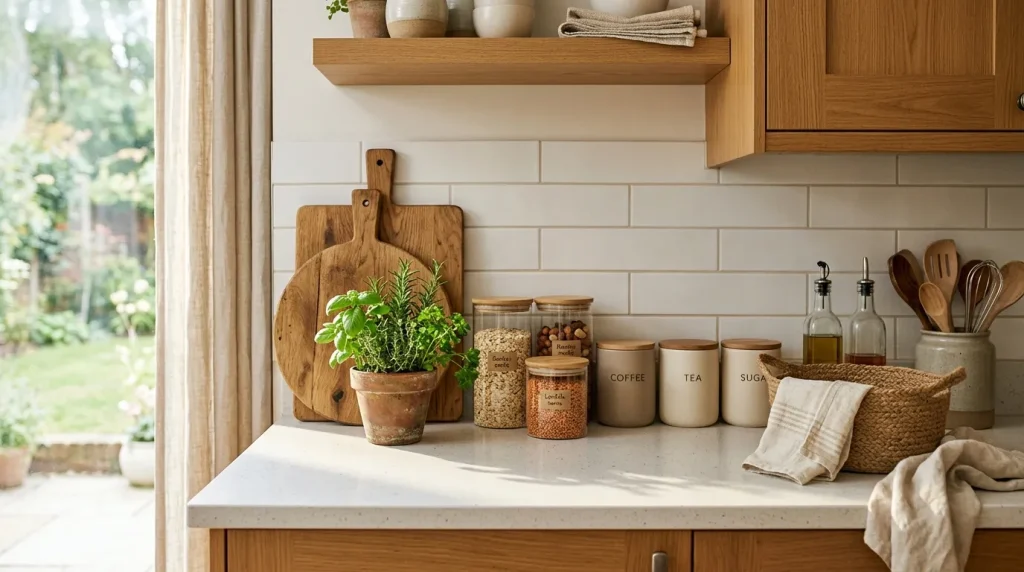
Natural materials have remained popular for decades because they bring warmth, texture, and authenticity to kitchens without relying on short-lived trends. Wood, stone, linen, ceramic, and glass each introduce subtle character while blending easily with many design styles. I’ve observed that combining several natural finishes creates depth without making the room feel busy because these materials share organic qualities that complement one another. Their understated appearance also helps decorative displays feel welcoming, allowing everyday objects to become attractive features instead of looking purely practical or overly decorative.
Durability provides another reason natural materials continue to outperform many decorative alternatives. Wooden boards develop rich character through regular use, while quality ceramic containers and glass jars often remain beautiful for years with proper care. Many professionals recommend investing in a few well-crafted pieces rather than replacing inexpensive accessories every season. This approach not only reduces unnecessary spending but also creates a more consistent visual identity. As these materials age gracefully, they contribute to a kitchen that feels comfortable, lived-in, and thoughtfully maintained.
Why Layering Creates Greater Visual Interest
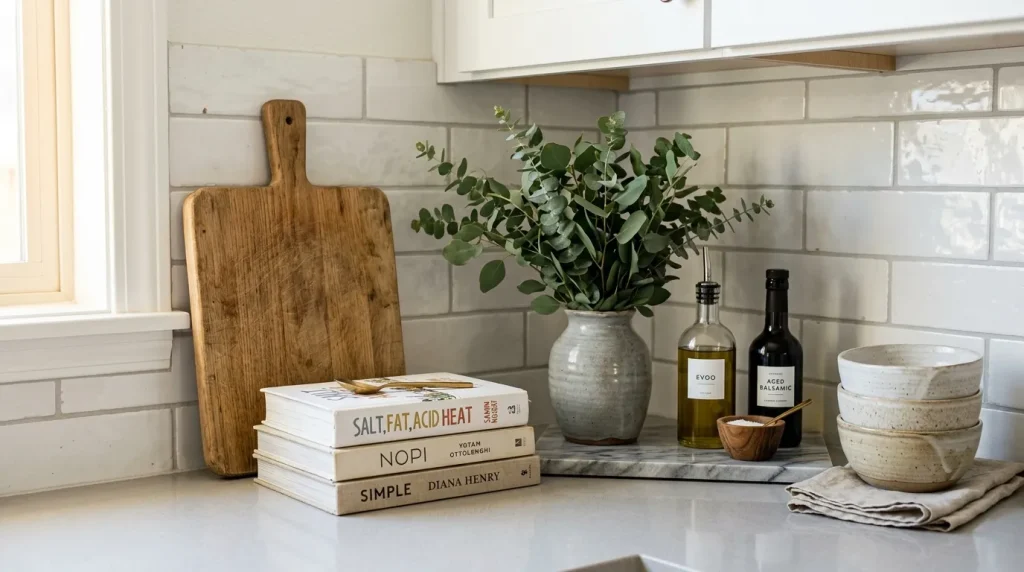
At first glance, professionally styled kitchens often appear effortless, yet their appeal usually comes from carefully layered decorative elements. Layering means arranging objects at different heights, depths, and textures so the display feels dimensional instead of flat. Rather than lining everything in a single row, placing taller pieces behind smaller accessories naturally guides the eye across the arrangement. This technique creates depth while helping individual items stand out, making even simple collections appear more polished and intentionally designed without requiring expensive decorative additions.
Successful layering depends on moderation rather than quantity. A cutting board placed behind a vase, accompanied by a small bowl or candle on a tray, often creates enough variation to make the arrangement feel complete. Research into visual composition suggests that balanced groupings are easier for the eye to process than scattered individual objects. I’ve found that limiting each grouping to a few complementary pieces keeps surfaces feeling open while still adding personality. The result is a display that looks refined, organized, and comfortable throughout everyday use.
What Makes Decorative Displays Feel Cohesive
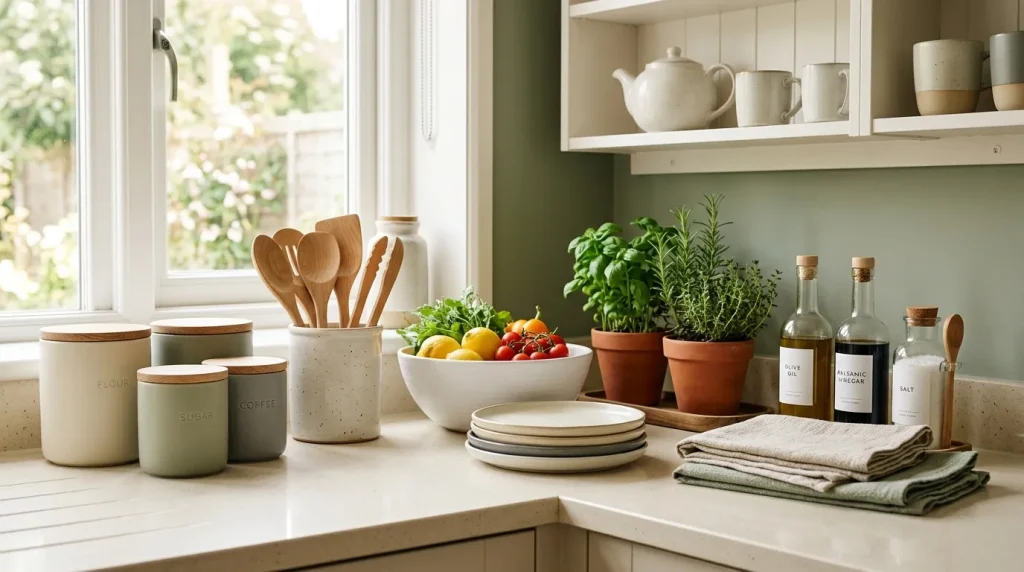
Cohesive decorating is less about matching every accessory and more about creating relationships between individual pieces. Similar colors, repeated textures, or consistent materials help separate objects feel connected even when their shapes differ. Homeowners often achieve better results by choosing a simple design direction before purchasing new decorations. Whether the preference leans toward modern, rustic, coastal, or traditional, maintaining consistency allows the overall arrangement to feel intentional instead of assembled from unrelated items collected over time without a clear visual purpose.
Consistency also extends beyond appearance into the way decorative pieces function together during everyday life. Storage containers, trays, and serving boards should complement each other while supporting regular household routines. In my experience, displays remain attractive longer when every item has both a visual and practical reason for being there. That thoughtful balance prevents unnecessary clutter and encourages homeowners to maintain their arrangements with minimal effort. Over time, this consistency creates a welcoming environment that feels polished, functional, and naturally reflective of personal style.
How Seasonal Updates Keep Spaces Feeling Fresh
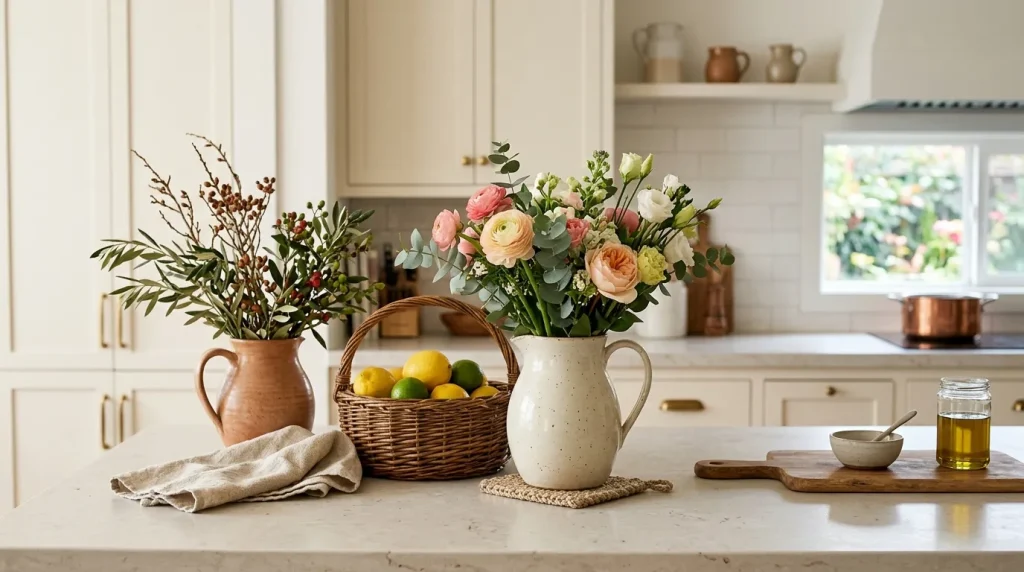
Refreshing a kitchen throughout the year does not require replacing every decorative accessory. Small seasonal adjustments can create noticeable visual interest while preserving a timeless foundation. Fresh flowers in spring, bowls of citrus during summer, textured pumpkins in autumn, or evergreen branches in winter introduce variety without overwhelming the space. I’ve noticed that homeowners often appreciate these subtle changes because they reflect the changing seasons while keeping the room familiar, comfortable, and practical for everyday living instead of feeling completely redesigned every few months.
Maintaining consistency is just as important as introducing seasonal variety. Permanent pieces such as wooden trays, ceramic canisters, or glass containers provide stability, while smaller accents deliver temporary visual updates. Many design experts recommend limiting seasonal decorations to one or two focal areas rather than scattering themed items across every surface. This approach keeps the room feeling elegant instead of crowded. It also makes decorating simpler because only a handful of accessories need rotating, saving time, storage space, and unnecessary expense throughout the year.
How Proper Lighting Enhances Decorative Arrangements
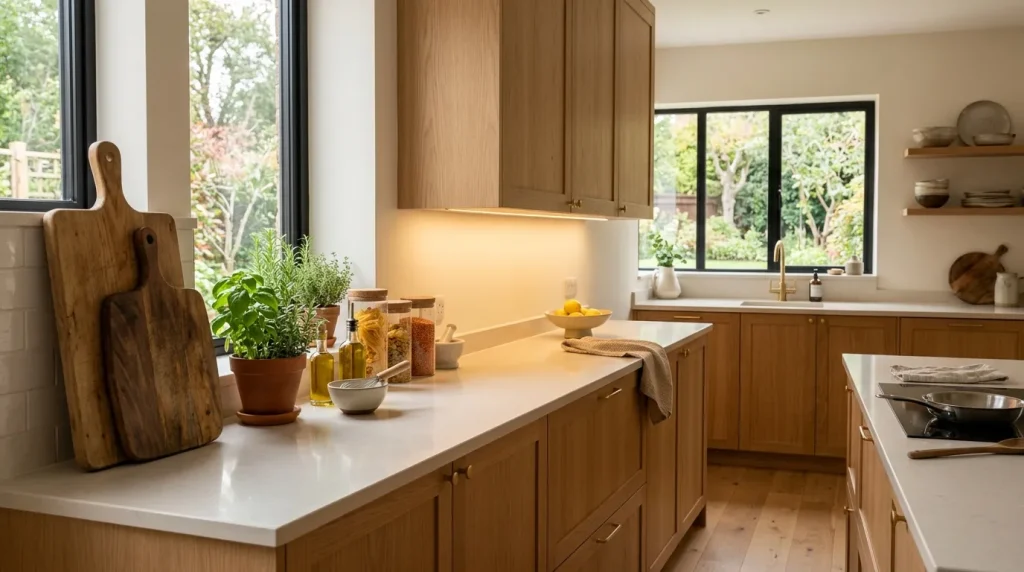
Lighting often determines whether decorative arrangements feel warm and inviting or flat and overlooked. Natural daylight reveals colors accurately and highlights textures that might otherwise go unnoticed. During evening hours, carefully placed task lighting or under-cabinet fixtures continue showcasing decorative displays while improving visibility for meal preparation. Research shows that layered lighting creates greater visual comfort because it reduces harsh contrasts and evenly distributes brightness throughout the room, allowing every carefully selected accessory to contribute naturally to the overall atmosphere.
The interaction between light and decorative materials also deserves careful attention. Matte ceramics, natural wood, polished glass, and stone surfaces each reflect illumination differently, adding subtle depth without requiring additional decorations. In my experience, even modest lighting improvements can transform the appearance of existing accessories more effectively than purchasing new decorative items. That’s why professionals frequently recommend evaluating lighting before making significant styling changes. Better illumination enhances beauty, supports functionality, and allows carefully arranged details to remain noticeable throughout every part of the day.
Why Regular Maintenance Preserves a Polished Look
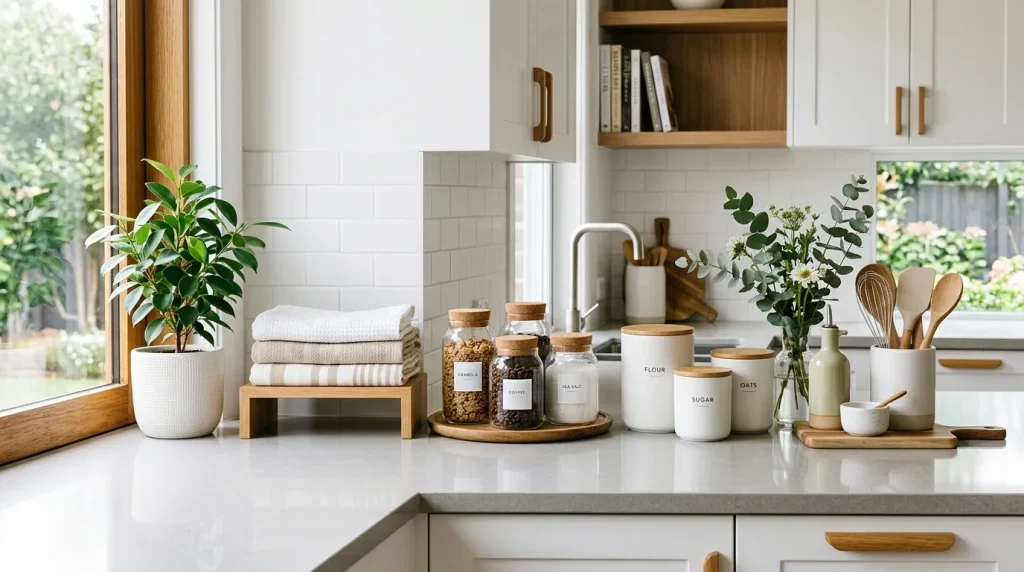
Even the most thoughtfully decorated kitchen gradually loses its appeal when regular maintenance becomes inconsistent. Dust, fingerprints, cooking residue, and unnecessary clutter slowly distract from carefully arranged displays, making the entire room appear less inviting. Fortunately, preserving an organized appearance usually requires only a few simple habits completed consistently. I’ve found that returning items to their designated places after daily use prevents accumulation while making larger cleaning sessions much faster and less overwhelming for busy households with changing schedules.
Routine maintenance also protects decorative accessories from unnecessary wear while extending their useful life. Wiping wooden boards, cleaning glass containers, trimming fresh greenery, and removing unused items help displays remain attractive throughout changing seasons. Many professionals recommend reviewing countertop arrangements every few weeks to ensure each object still serves a practical or visual purpose. This regular evaluation prevents overcrowding while encouraging thoughtful adjustments based on current needs. As a result, the kitchen continues feeling organized, welcoming, and enjoyable without requiring frequent complete redesigns.
Understanding Common Decorating Mistakes to Avoid
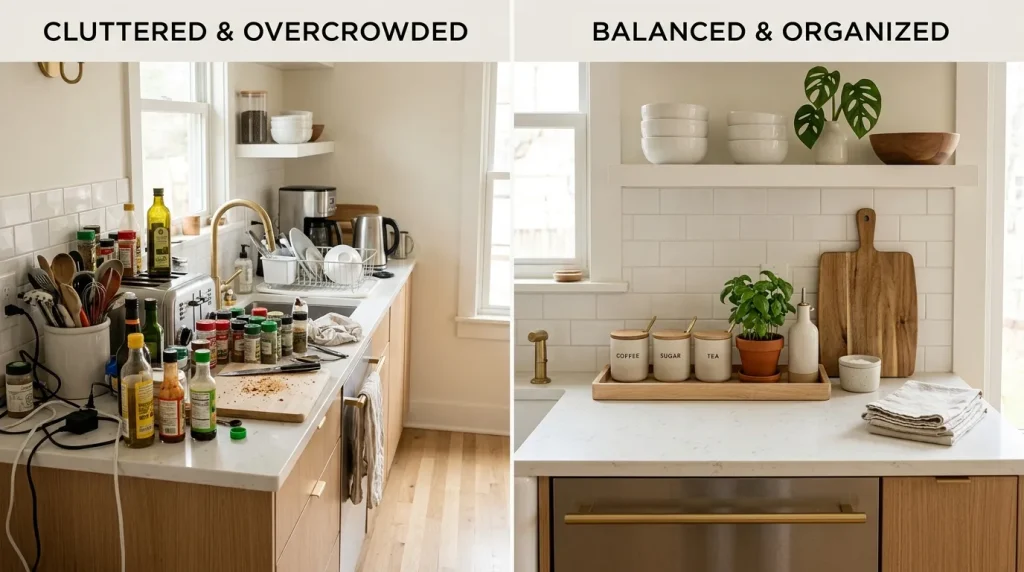
Decorating becomes much easier when homeowners understand the common mistakes that reduce both beauty and functionality. One frequent problem is filling every available surface with decorative objects, leaving little room for everyday activities. Another is mixing too many unrelated colors, textures, or design styles, which creates visual confusion instead of harmony. In my experience, people often underestimate the importance of empty space, yet those open areas help every decorative piece receive attention while making the room feel larger, calmer, and easier to maintain.
Ignoring practical needs can also limit long-term satisfaction with decorative arrangements. Accessories that block outlets, crowd preparation areas, or require constant moving during cooking quickly become frustrating despite their attractive appearance. Many professionals encourage evaluating displays from both aesthetic and functional perspectives before considering them complete. Asking whether every object contributes beauty, usefulness, or both helps simplify decorating decisions. This balanced mindset prevents unnecessary purchases while encouraging thoughtful choices that continue working well throughout changing routines and household needs.
How to Adapt Styling for Different Kitchen Sizes
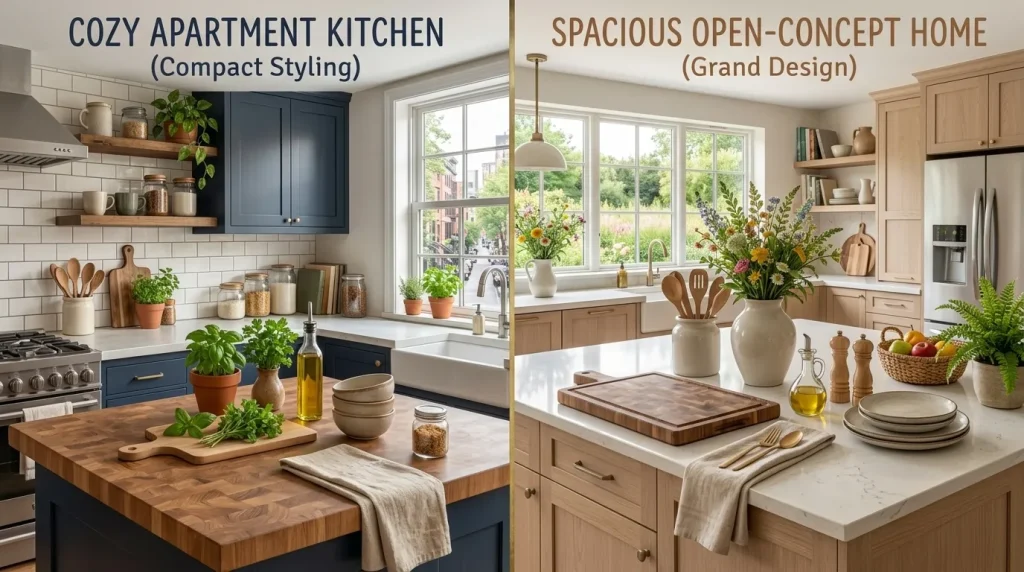
Every kitchen benefits from thoughtful decorating, but available space naturally influences the best styling approach. Smaller kitchens often perform better with fewer accessories that serve multiple purposes, helping preserve valuable preparation areas while maintaining visual interest. Larger kitchens, on the other hand, can comfortably accommodate more substantial decorative groupings without appearing crowded. Research into interior design consistently shows that proportional decorating creates greater harmony because accessories complement the available space instead of overwhelming or underutilizing it. The same principle applies to spring bedroom color schemes, where selecting colors and décor that suit the size of the room helps create a space that feels balanced, fresh, and visually cohesive.
Adapting decorative arrangements to room size encourages better balance and improves everyday functionality. Compact spaces benefit from vertical elements such as leaning cutting boards or slim vases, while expansive countertops may require larger trays or grouped accessories to avoid appearing empty. I’ve observed that homeowners achieve the best results when they evaluate how they actually use their kitchens before adding decorative pieces. This practical perspective ensures every arrangement supports daily routines while enhancing the room’s overall comfort, efficiency, and visual appeal.
How to Refresh Your Space Without Major Renovations
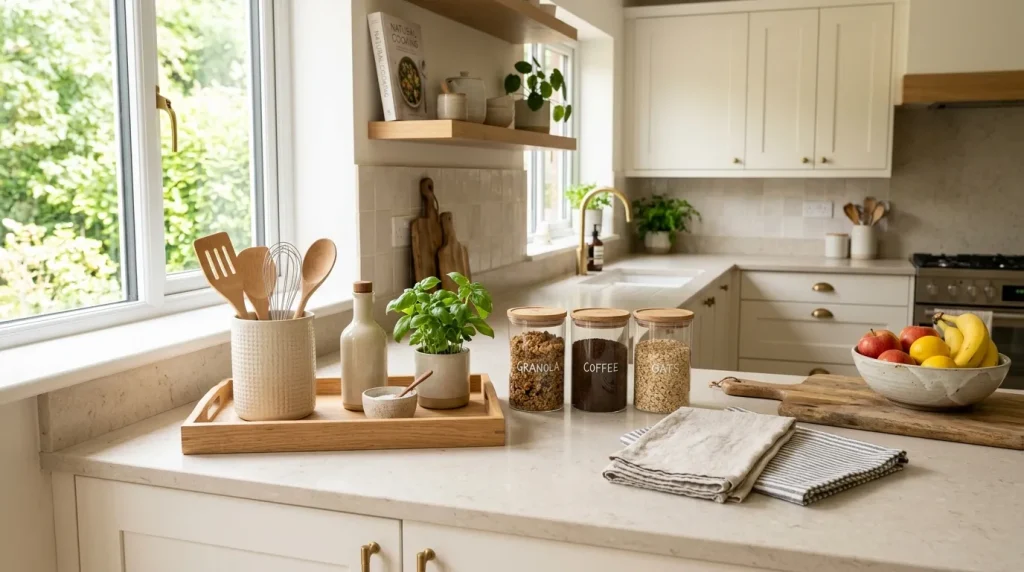
A kitchen can feel noticeably different without replacing cabinets or investing in expensive remodeling projects. Small, intentional updates often create the greatest visual impact because they focus attention on the most frequently used areas. Replacing worn containers, introducing fresh greenery, updating textiles, or rearranging existing accessories can instantly improve the overall appearance. I’ve found that many homeowners are surprised by how dramatically thoughtful adjustments change the atmosphere, especially when they emphasize organization, consistency, and practical everyday use rather than constantly purchasing new decorative items.
Successful refreshes begin by evaluating what already works before adding anything new. Removing unnecessary objects often creates a greater sense of openness than introducing additional decorations. Many experts recommend making one improvement at a time so each change can be evaluated carefully within the overall design. This gradual approach encourages smarter decorating decisions while reducing unnecessary spending. Over time, these small improvements create a kitchen that feels updated, comfortable, and intentionally designed without the disruption, cost, or complexity of a full renovation.
Bringing Everything Together for Everyday Enjoyment
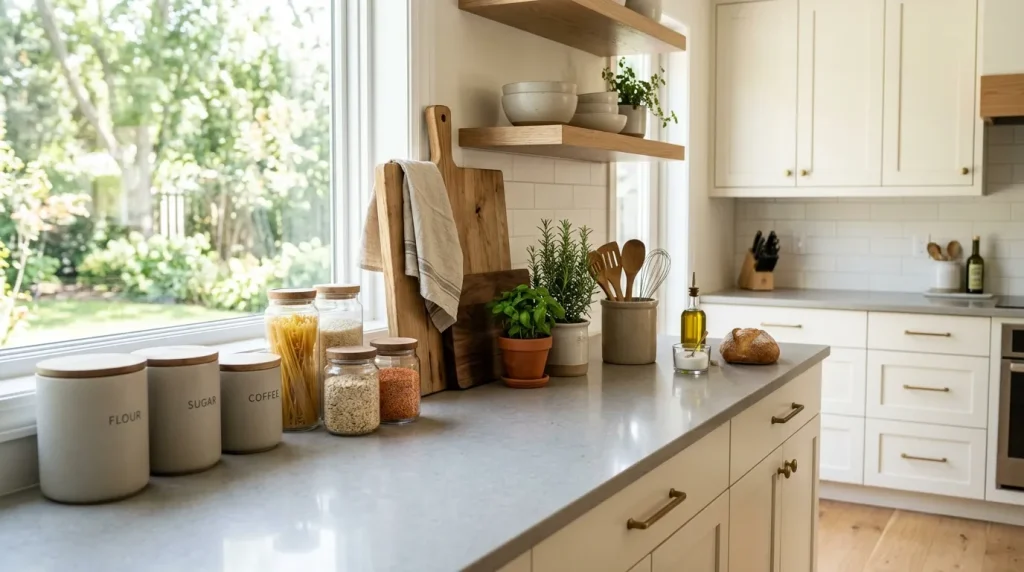
Creating lasting beauty in the kitchen is rarely about following every design trend or filling every available surface. Instead, it comes from understanding how organization, balance, lighting, materials, and personal preferences work together to support everyday living. When these principles are combined thoughtfully, kitchen counter decor becomes more than a decorative feature—it enhances comfort, improves functionality, and contributes to a welcoming environment that feels enjoyable throughout the day. Every small decision builds toward a space that reflects both practical needs and individual style.
I’ve seen how these decorating principles help people feel more connected to spaces they use every day because thoughtful design supports both efficiency and comfort. By focusing on purposeful choices instead of temporary trends, homeowners can create countertops that remain attractive and functional for years. Revisit these ideas whenever your needs change, experiment with gradual improvements, and remember that meaningful results often come from simple, consistent decisions. A well-planned kitchen continues rewarding daily routines while making ordinary moments feel a little more enjoyable.
Conclusion:
Creating a beautiful kitchen is about much more than adding decorative accessories. As you’ve learned throughout this guide, thoughtful planning, balanced design, functional organization, quality materials, and consistent maintenance all work together to create a space that feels both inviting and practical. Every principle builds upon the next, helping you make informed decorating decisions instead of relying solely on changing trends.
I’ve seen how understanding these design fundamentals gives homeowners greater confidence when updating their homes because they begin decorating with purpose rather than guesswork. Use this guide as a trusted reference whenever you want to refresh your kitchen counter decor, experiment with new ideas, or refine your existing style. Apply these principles gradually, share them with others looking for inspiration, and enjoy a kitchen that remains beautiful, functional, and welcoming every day.
Elira Montclair
Elira writes about timeless home decor, kitchen styling, and practical interior ideas. Her work blends warm, inviting aesthetics with simple decorating tips that make everyday spaces feel beautiful and comfortable.