How to Create a Halloween Aesthetic That Feels Magical

Introduction:
Creating a beautiful halloween aesthetic is about much more than placing a few pumpkins around your home. It’s about using color, lighting, texture, natural materials, and thoughtful design choices to create a space that feels warm, inviting, and filled with seasonal magic. Whether you prefer a subtle autumn-inspired look or a more dramatic and mysterious atmosphere, understanding the principles behind seasonal decorating helps you create a home that feels intentional rather than cluttered.
Many people struggle to balance festive decorations with their everyday style, often wondering which colors, materials, and decorative elements work best together. This guide explores the core concepts behind successful seasonal decorating, explaining not only what to use but also why these design choices make such a powerful impact. In my experience, the most memorable seasonal spaces aren’t necessarily the ones with the most decorations—they’re the ones where every detail works together to create a cohesive and welcoming environment.
Throughout this article, you’ll learn how lighting affects mood, why texture adds depth, how natural materials create authenticity, and how to layer decorations without overwhelming your space. Backed by practical observations and established design principles, this comprehensive guide will help you understand the foundations of beautiful seasonal styling so you can confidently create an atmosphere that feels magical year after year.
How Seasonal Colors Shape the Overall Atmosphere
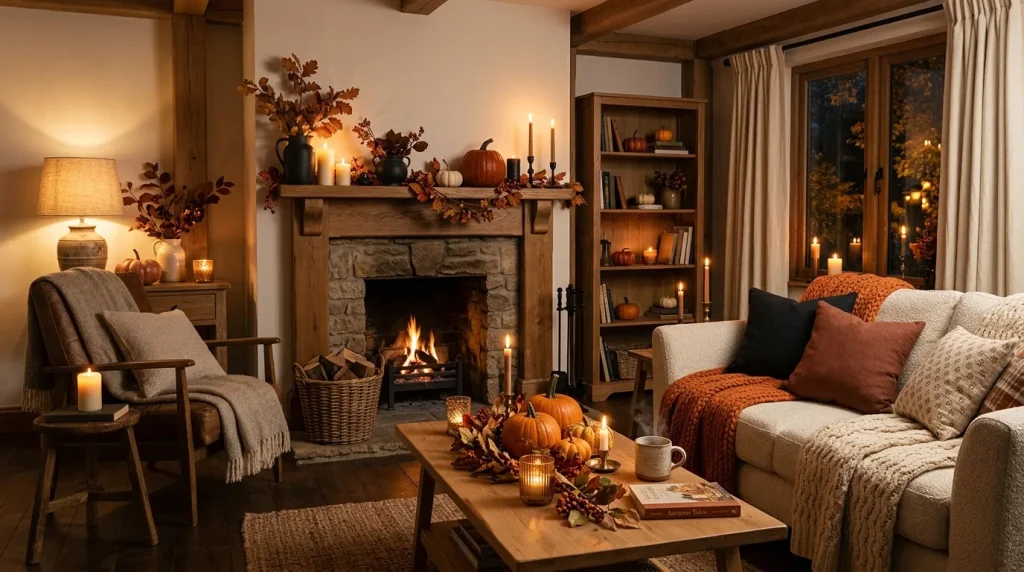
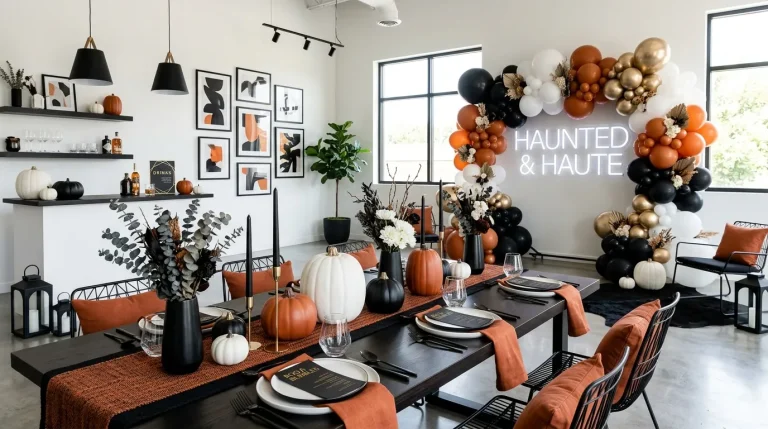
The colors you choose establish the emotional foundation of any seasonal decorating style. Warm oranges, earthy browns, creamy whites, soft blacks, and muted greens naturally remind people of changing leaves, harvest celebrations, and crisp autumn evenings. Together, these shades create an environment that feels comforting rather than overwhelming. Research shows that warm color palettes often encourage feelings of relaxation and nostalgia, making them especially effective during seasonal decorating. Understanding how colors influence mood helps create spaces that feel intentional instead of randomly decorated with festive accessories.
Rather than copying every trend, begin by selecting two or three dominant shades that complement your existing home. This creates visual harmony while leaving room for decorative accents that add personality. I’ve noticed that homes using a consistent palette often appear more elegant because every decoration feels connected to the larger design story. Layering different tones of the same color also prevents rooms from looking flat. Whether decorating a small apartment or a spacious home, thoughtful color coordination provides the foundation for a welcoming seasonal atmosphere that feels authentic and balanced.
Understanding the Essential Elements of Seasonal Decor
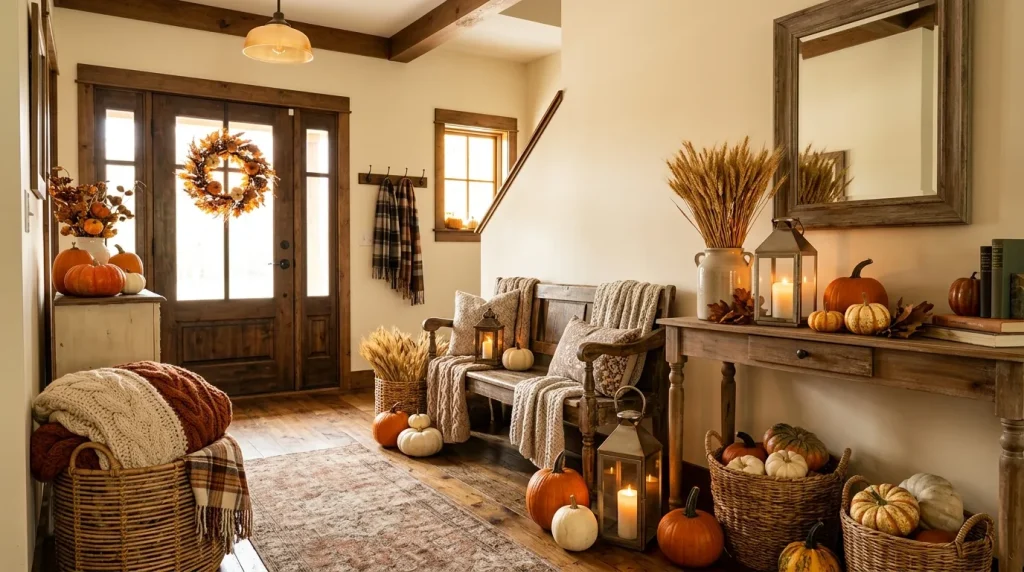
Beautiful seasonal decorating relies on combining several design elements that work together naturally. Texture, lighting, natural materials, decorative accents, and balanced color choices all contribute to creating an inviting environment. Instead of relying on one dramatic centerpiece, successful decorating layers smaller details throughout a room. This approach creates visual depth while allowing each decorative object to complement the others. Many interior designers recommend thinking about the entire space rather than individual decorations because harmony often produces a stronger visual impact than quantity.
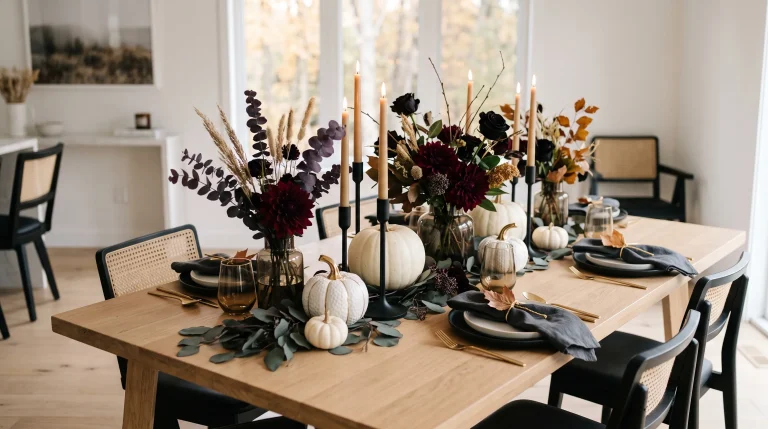
Natural materials play an especially important role because they introduce warmth and authenticity. Wooden trays, woven baskets, dried branches, linen fabrics, and ceramic accessories provide texture without making rooms feel crowded. In my experience, people often overlook texture even though it has a significant influence on how comfortable a room feels. Mixing smooth, rough, soft, and rustic surfaces creates interest while maintaining balance. When every decorative element supports the same overall style, the finished space appears carefully designed instead of cluttered with unrelated seasonal decorations.
Why Lighting Creates a Magical Seasonal Experience
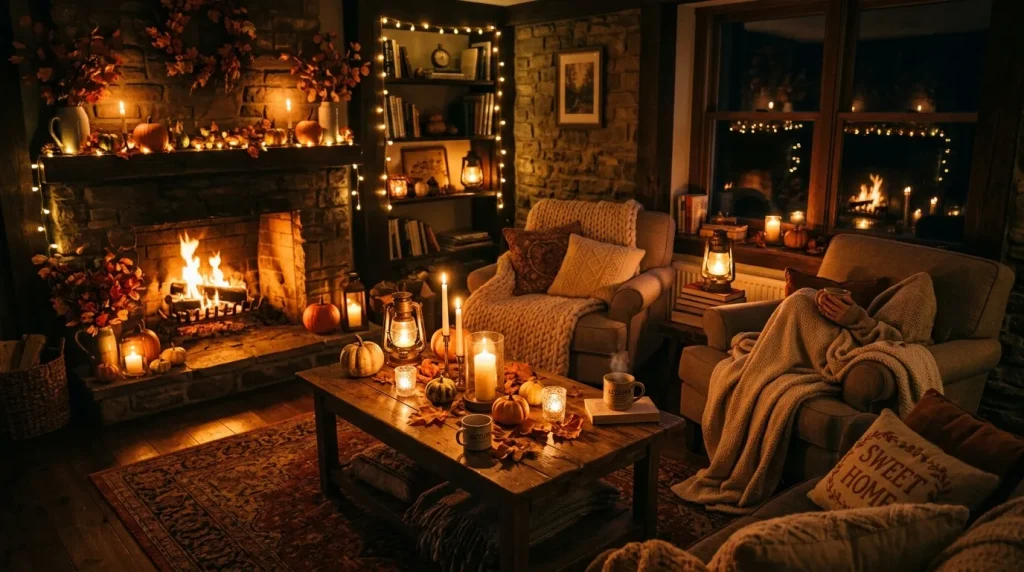
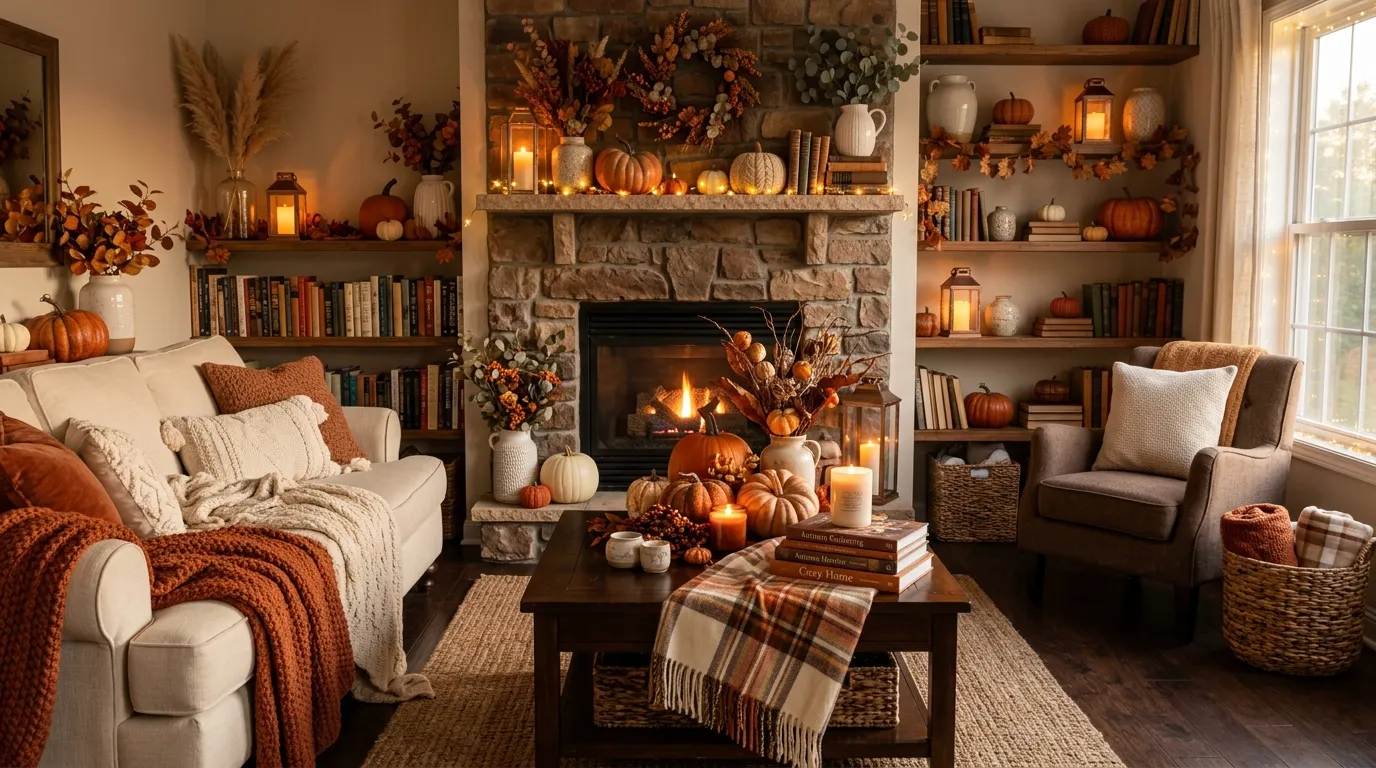
Lighting influences how every decoration is perceived, making it one of the most powerful tools for creating memorable seasonal interiors. Bright overhead lights often flatten textures and reduce visual warmth, while softer illumination highlights decorative details and creates depth. A carefully planned lighting arrangement encourages relaxation and enhances the comforting feeling associated with autumn gatherings. Studies have found that warm lighting can positively influence mood and make indoor spaces feel more welcoming. Even simple decorative pieces become more visually appealing under gentle, layered illumination.
Creating an inviting evening atmosphere does not require expensive renovations or complicated installations. Combining candles, lanterns, table lamps, fireplaces, and subtle string lights introduces multiple layers of light that work together naturally. I’ve observed that people often remember how a room feels more than individual decorations, and lighting contributes significantly to that emotional impression. During autumn evenings, soft illumination emphasizes textures, highlights seasonal colors, and creates a peaceful setting for relaxing, entertaining guests, or enjoying quiet moments at home.
How Natural Materials Add Authentic Seasonal Character
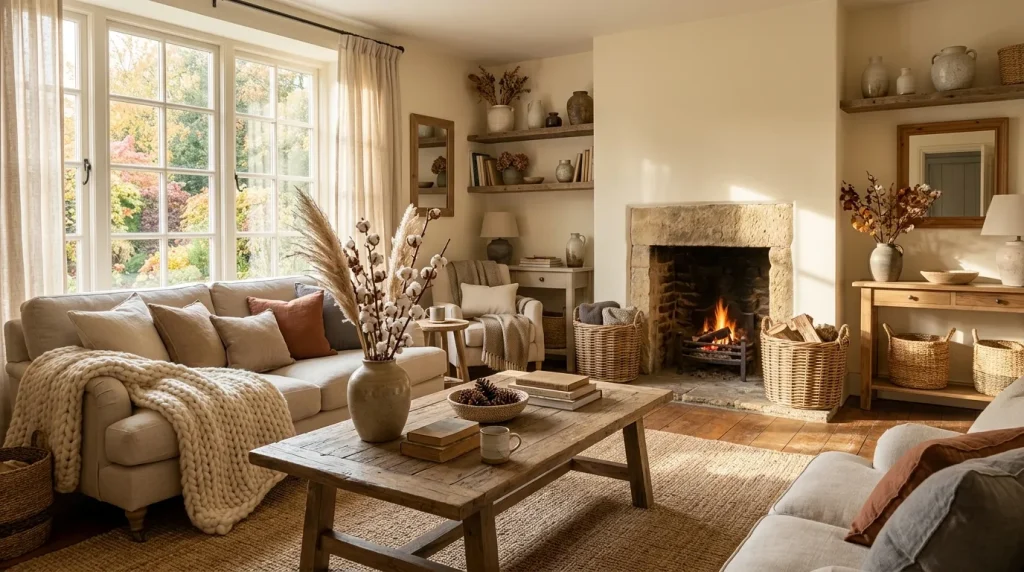
Natural materials instantly make seasonal decorating feel more genuine because they reflect the textures and colors found outdoors during autumn. Wood, wicker, stone, dried botanicals, linen, and wool introduce warmth that manufactured decorations often cannot replicate. These elements age beautifully throughout the season and blend effortlessly with many decorating styles, from rustic farmhouse to modern minimalism. Research shows that incorporating natural materials indoors can strengthen people’s connection to nature, creating spaces that feel calmer and more comfortable while supporting an inviting atmosphere.
Instead of filling every surface with themed decorations, focus on layering a few authentic materials throughout your home. A woven basket beside a sofa, a wooden tray on a coffee table, or dried branches displayed in a ceramic vase can transform a room without making it feel crowded. In my experience, these timeless details remain attractive long after seasonal trends change. Natural textures also pair well with existing furniture, allowing homeowners to refresh their spaces without completely redesigning the room each year.
Creating Balance Between Festive and Everyday Decor
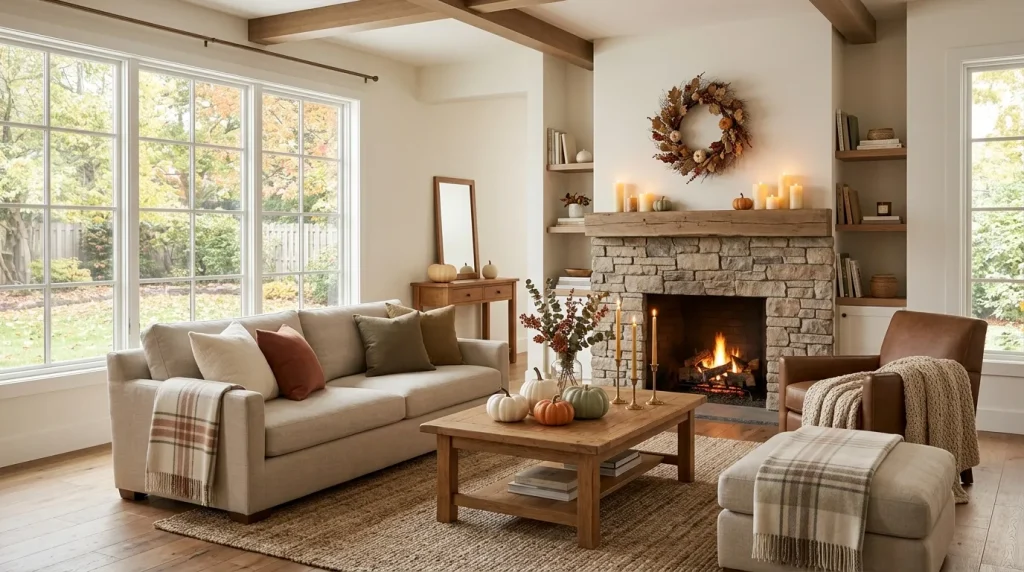
One of the biggest decorating challenges is making a home feel festive without overwhelming the space. An effective approach blends seasonal accents with everyday furnishings so the room remains functional and visually comfortable. Rather than replacing everything, carefully selected accessories enhance the existing design. This balanced method creates a polished appearance that feels intentional instead of temporary. Many professionals recommend allowing permanent furniture and architectural features to remain the foundation while seasonal details simply add warmth and personality.
A helpful strategy is to distribute decorative pieces evenly instead of concentrating them in one location. Small accents placed across shelves, tables, and entryways guide the eye naturally throughout the room while maintaining visual harmony. I’ve noticed that restrained decorating often creates a stronger impression because each item has room to stand out. When every corner is filled with decorations, individual pieces lose their impact. Balance allows seasonal charm to complement daily living rather than compete with it.
How to Layer Textures for Greater Visual Depth
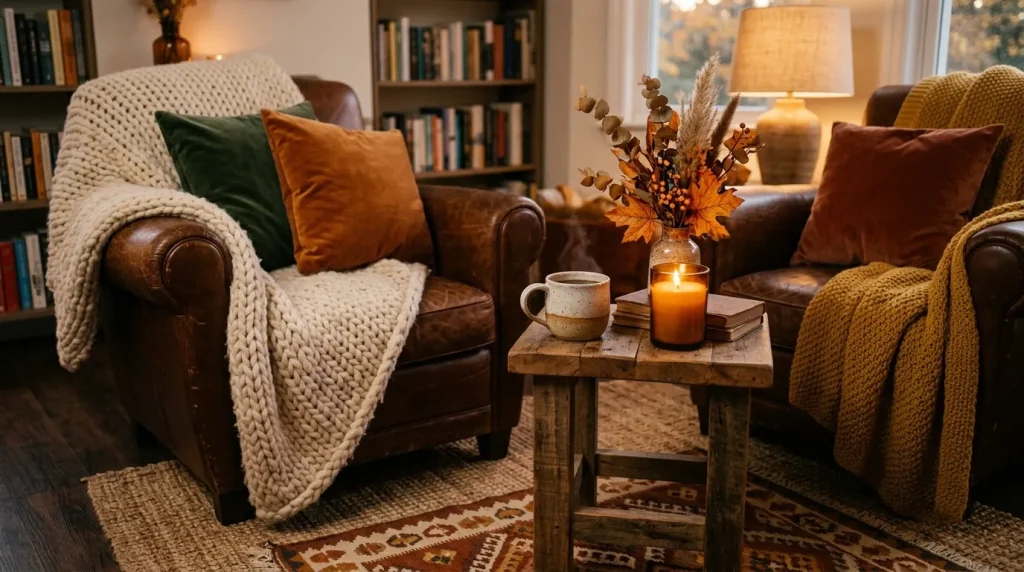
Texture is one of the most overlooked design principles, yet it dramatically changes how a room feels. Combining soft fabrics, rough wood, smooth ceramics, woven fibers, and natural greenery creates depth that flat decorative schemes cannot achieve. Even when using a limited color palette, varied textures keep the environment visually interesting. Interior designers frequently rely on texture to create warmth because it encourages the eye to explore different surfaces, making rooms feel richer and more thoughtfully designed without requiring excessive decoration.
Layering works best when each material serves a clear purpose instead of competing for attention. A knit throw over a linen chair, a woven rug beneath wooden furniture, or velvet cushions beside ceramic accessories creates subtle contrast that feels comfortable and refined. During a halloween aesthetic, texture becomes especially important because it softens darker colors and dramatic accents. Thoughtful layering ensures the space feels cozy and magical rather than overly themed, helping decorations blend naturally into the home’s existing style.
Why Thoughtful Decorations Feel More Memorable
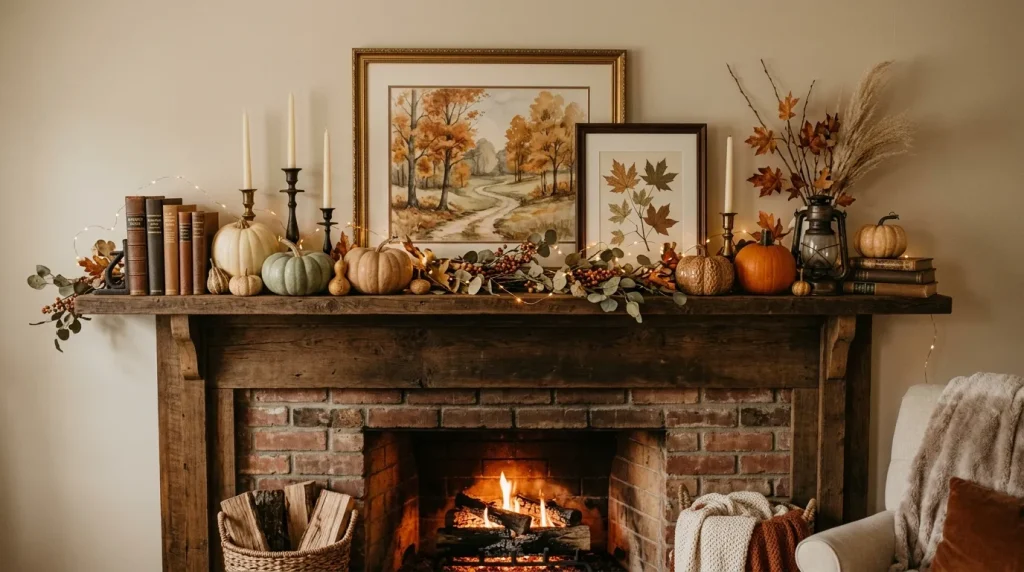
Meaningful decorating is rarely about owning the largest collection of seasonal accessories. Instead, it focuses on selecting items that complement one another and contribute to a consistent visual story. Every decorative piece should have a purpose, whether it introduces color, texture, height, or seasonal character. Studies on interior design suggest that thoughtfully arranged spaces often feel calmer and more welcoming because the eye can comfortably move through the room without unnecessary visual distractions. This intentional approach creates lasting impressions that guests naturally remember.
Rather than purchasing new decorations every year, consider building a collection of versatile pieces that can be reused in different arrangements. I’ve observed that homeowners who rotate familiar decorations often create more personal spaces than those who constantly follow changing trends. Mixing sentimental items with timeless accents also adds character while preventing the display from feeling like a showroom. A carefully curated collection develops naturally over time and reflects personal taste more authentically than decorating based solely on seasonal shopping.
How to Choose Decorations That Match Your Style
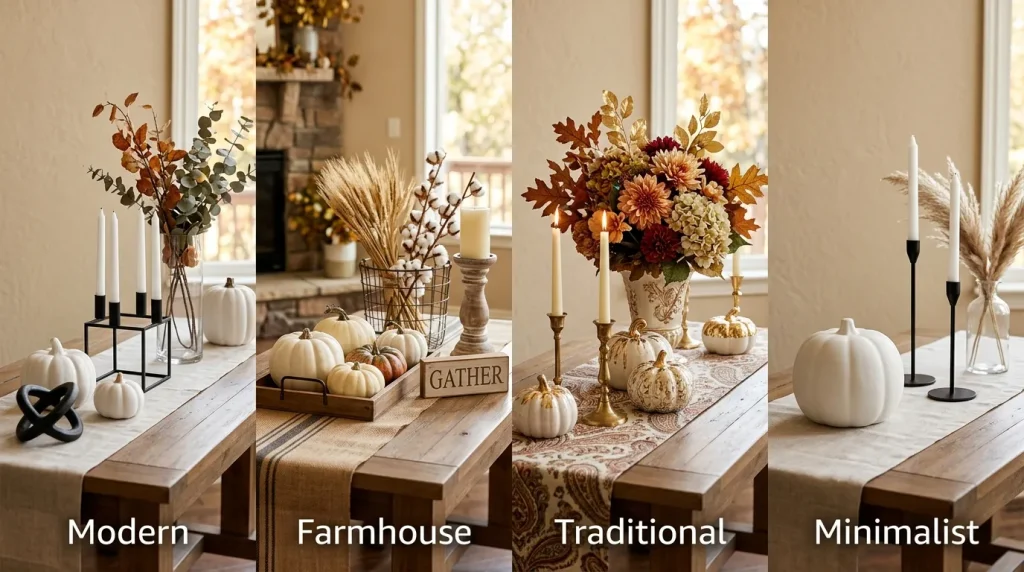
Every home has its own architectural character and decorating style, so seasonal accents should enhance rather than compete with that identity. A modern interior may benefit from simple shapes and neutral tones, while a farmhouse space often welcomes distressed wood, woven baskets, and vintage-inspired accessories. Understanding your home’s existing design makes decorating decisions easier because each new item naturally supports the overall aesthetic. Designers frequently recommend starting with the room’s permanent features before selecting temporary seasonal decorations. For example, a thoughtfully styled window seat can become a cozy focal point that reflects your home’s character while adapting beautifully to seasonal décor throughout the year.
Instead of copying another home’s appearance exactly, identify the decorative elements that fit your personal preferences and available space. In my experience, the most attractive seasonal interiors always feel authentic to the people living there. Choosing decorations that reflect your everyday taste creates continuity throughout the home while avoiding unnecessary clutter. Whether your style leans toward classic elegance, rustic comfort, or contemporary simplicity, consistency helps every decorative element feel intentional and visually connected.
Understanding the Importance of Layering Seasonal Accents
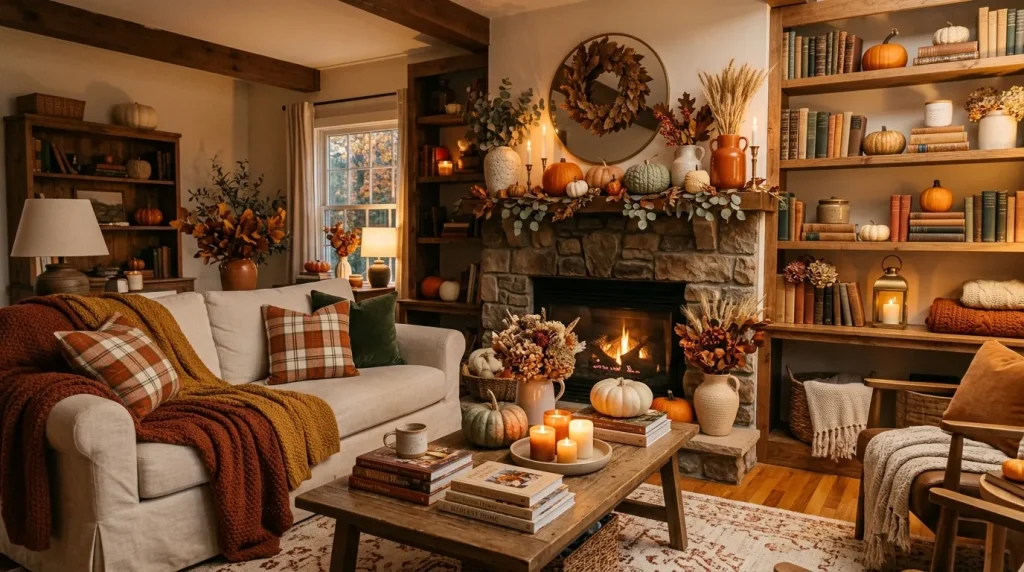
Layering decorative accents creates visual interest by guiding attention through different heights, textures, and focal points instead of concentrating everything in one place. Combining larger statement pieces with smaller accessories helps rooms appear thoughtfully styled while maintaining openness. This technique also allows each decoration to contribute without overwhelming the overall design. Many professionals recommend decorating in layers because it creates depth that feels natural and encourages people to appreciate the room as a complete environment rather than isolated displays.
When building a halloween aesthetic, begin with foundational pieces such as textiles, lighting, or natural materials before introducing decorative accents. This gradual approach keeps each addition purposeful and prevents visual overcrowding. I’ve noticed that layered decorating also makes seasonal updates easier because individual pieces can be replaced without disrupting the entire arrangement. Over time, this method creates interiors that feel balanced, inviting, and adaptable while preserving the magical atmosphere many people hope to achieve during autumn.
How to Create Inviting Seasonal Entryways
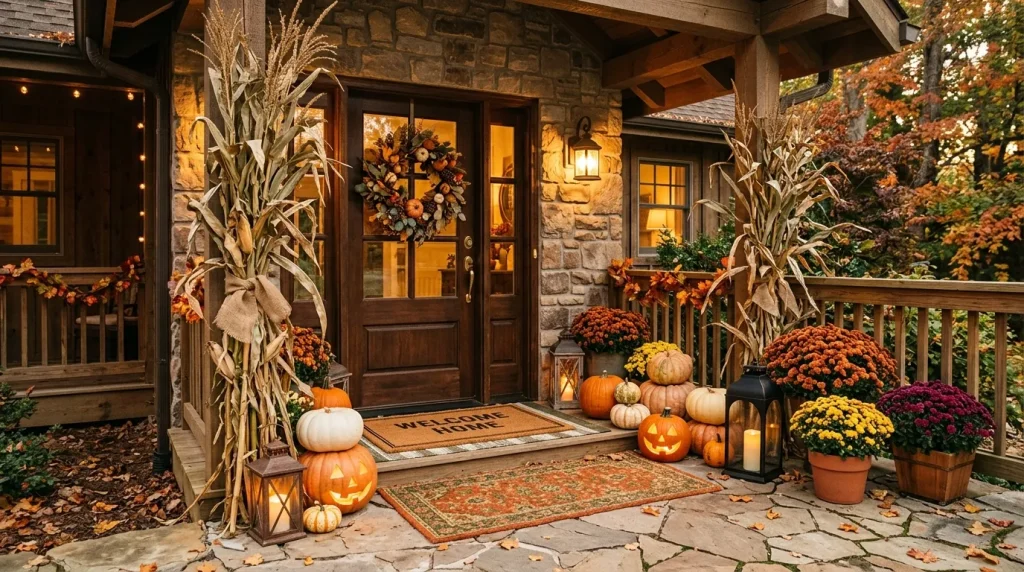
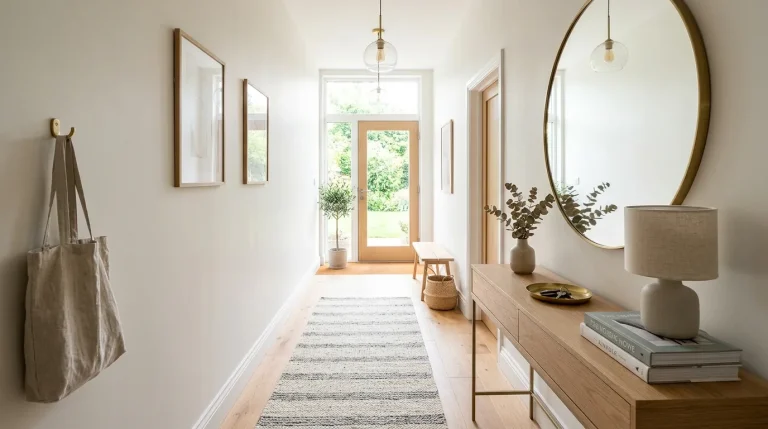
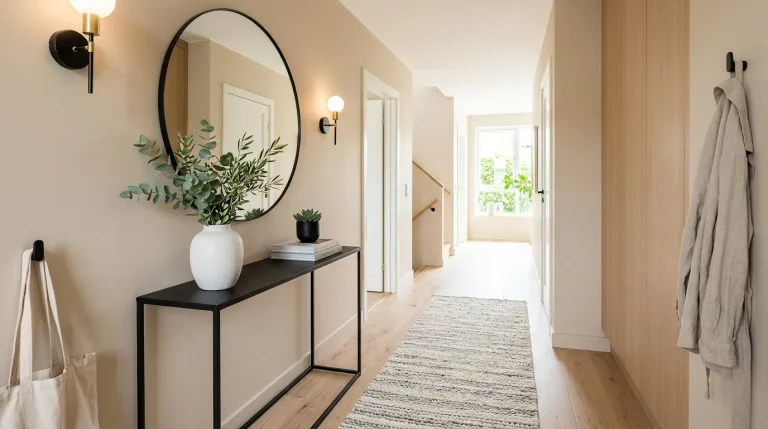
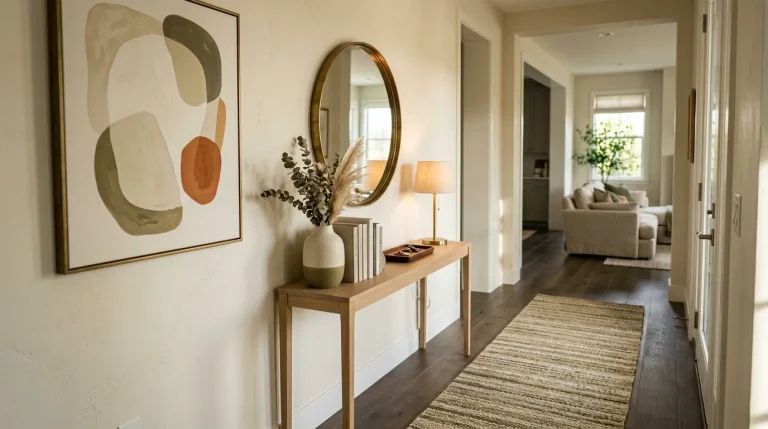
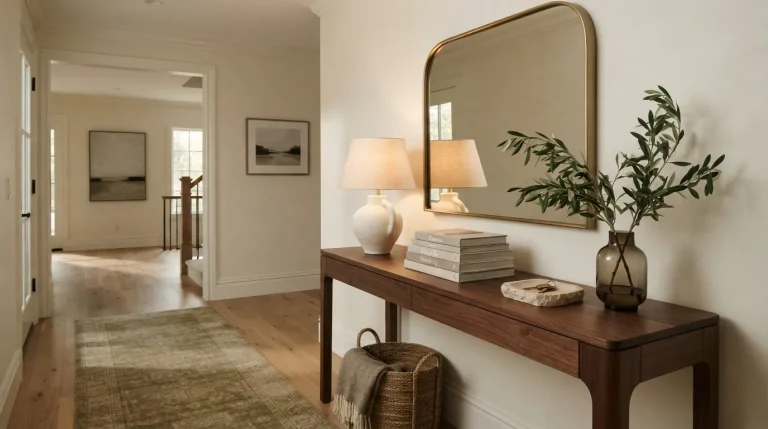
An entryway creates the first impression of your home and sets expectations for the atmosphere waiting inside. A thoughtfully arranged entrance introduces seasonal charm without overwhelming visitors with excessive decorations. Elements such as layered doormats, natural pumpkins, lanterns, wreaths, and potted plants establish warmth while remaining practical for everyday use. Research into environmental psychology suggests that welcoming entrances can positively influence how people perceive an entire home, making even simple decorative updates feel more meaningful and memorable.
When designing an entrance, consider both appearance and functionality. Leave enough walking space, ensure lighting supports evening visibility, and choose weather-resistant materials that maintain their appearance throughout the season. In my experience, balanced symmetry often creates a polished look, although asymmetrical arrangements can also feel natural when carefully planned. Rotating fresh plants or replacing weathered natural materials occasionally keeps the display looking vibrant while allowing your home’s personality to shine through from the moment guests arrive.
Why Cozy Textiles Enhance Seasonal Comfort
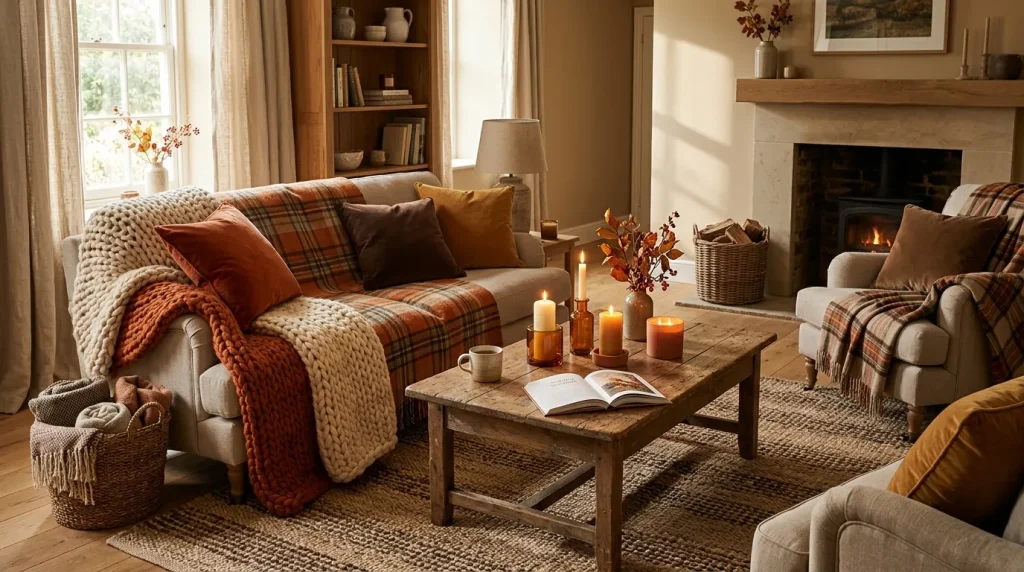
Soft furnishings contribute as much to seasonal decorating as ornaments or centerpieces because they influence both comfort and appearance. Blankets, cushions, curtains, and rugs soften hard surfaces while introducing warmth through texture and color. These additions also make living spaces feel more inviting during cooler months without requiring permanent design changes. Interior designers frequently recommend updating textiles seasonally because they offer one of the easiest ways to refresh a room while preserving the home’s existing furniture and overall design style.
Choose fabrics that complement your lifestyle as well as your decorative goals. Durable woven materials work well in busy family homes, while luxurious velvet or faux fur adds elegance to formal living spaces. I’ve observed that mixing several fabric textures creates greater depth than relying on one material alone. Even subtle changes, such as replacing lightweight summer cushions with heavier autumn-inspired fabrics, can transform the atmosphere and encourage people to spend more time relaxing comfortably indoors.
How Scent Completes the Seasonal Atmosphere
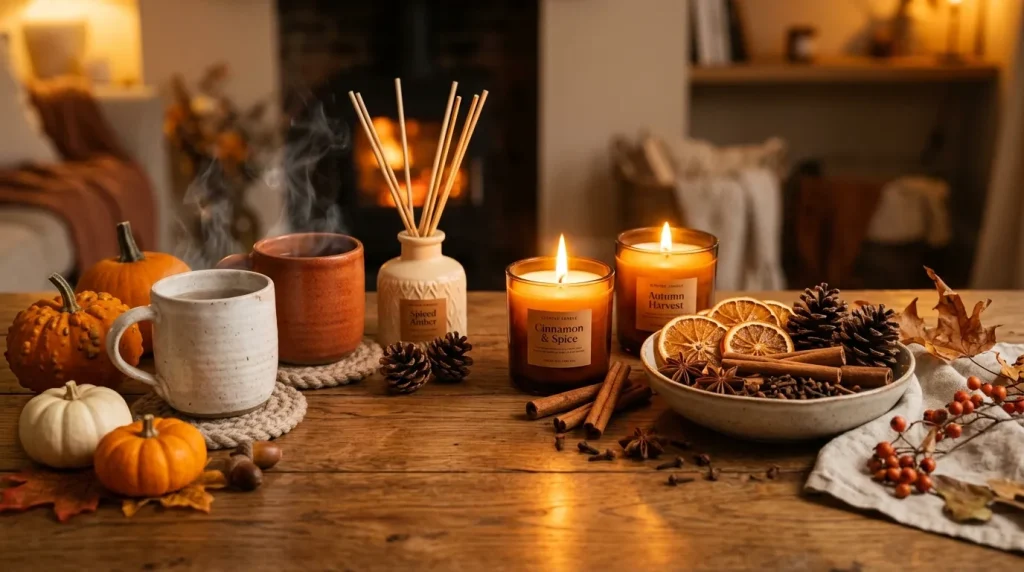
Visual design attracts attention first, but fragrance often creates the strongest emotional connection to seasonal memories. Familiar aromas such as cinnamon, apple, vanilla, cedarwood, pumpkin spice, and clove immediately remind many people of autumn traditions and cozy gatherings. Scientific research has shown that scent is closely linked to memory and emotion, making carefully selected fragrances an effective way to strengthen the overall atmosphere. Pairing complementary scents with thoughtful decorations creates a richer sensory experience than relying on visual elements alone.
Introduce fragrance gradually so it enhances rather than dominates the environment. Candles, essential oil diffusers, simmer pots, or naturally dried botanicals provide different levels of scent depending on the size of the room and personal preference. In my experience, subtle fragrance leaves a stronger lasting impression because it feels comfortable instead of overwhelming. Coordinating scents with colors, textures, and lighting creates a cohesive environment where every detail works together to support a warm, memorable seasonal experience.
Conclusion:
Creating a memorable halloween aesthetic begins with understanding the design principles that make a space feel warm, balanced, and inviting. By thoughtfully combining seasonal colors, layered textures, natural materials, comfortable lighting, carefully selected decorations, and subtle fragrances, you can build an environment that feels authentic rather than overly themed. These timeless techniques not only enhance your home’s appearance but also create meaningful experiences for family and guests throughout the season.
I’ve seen how understanding these principles helps people decorate with greater confidence and creativity instead of simply following trends. Return to this guide whenever you’re planning your seasonal décor, apply the ideas in ways that reflect your personal style, and share it with anyone looking to create a magical autumn atmosphere that is both beautiful and enduring.
Clara Whitmore
Clara specializes in interior styling, seasonal home trends, and cozy living spaces. She loves combining classic design elements with modern touches to create homes that feel personal, welcoming, and effortlessly stylish.