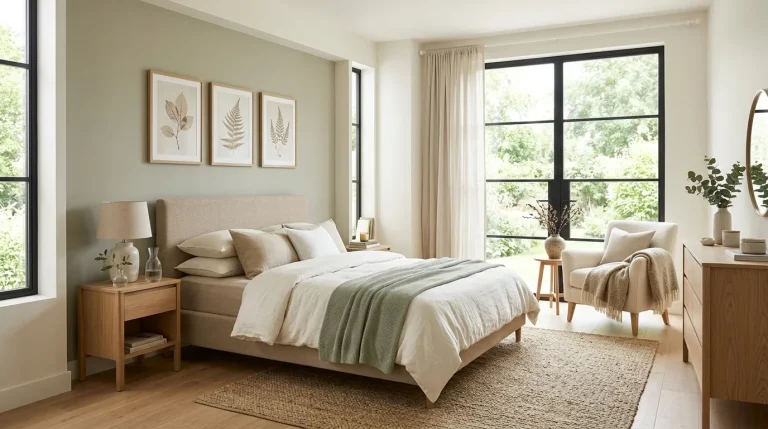
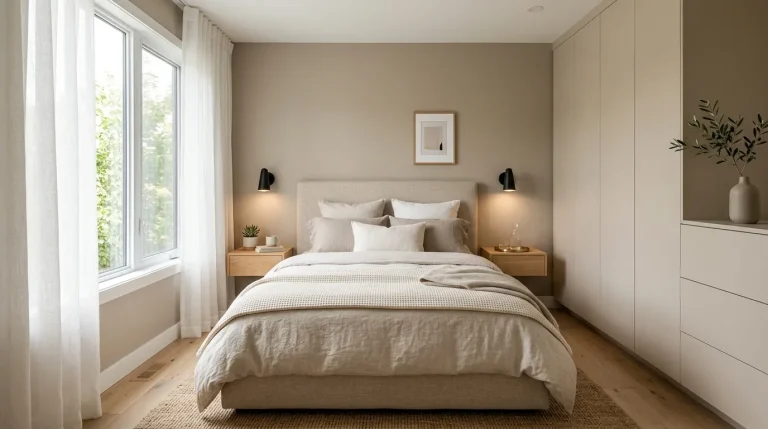
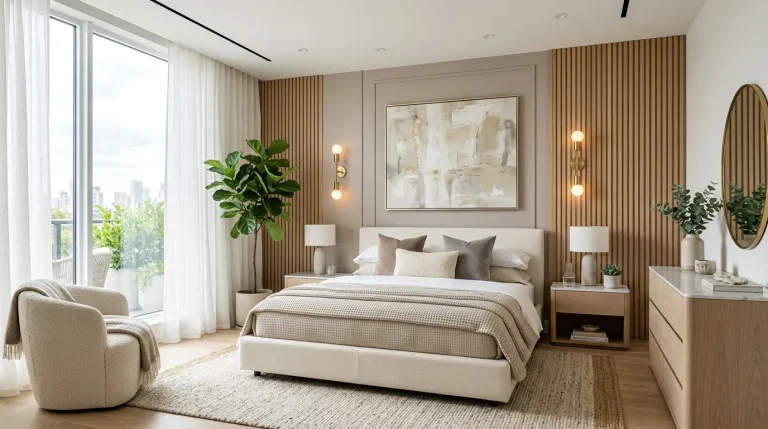
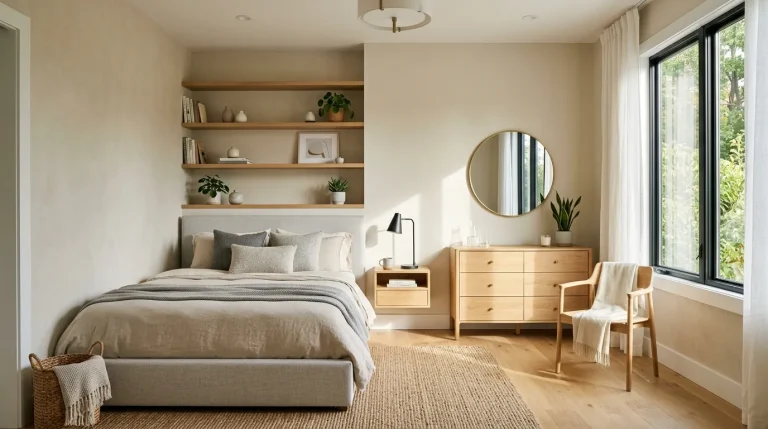
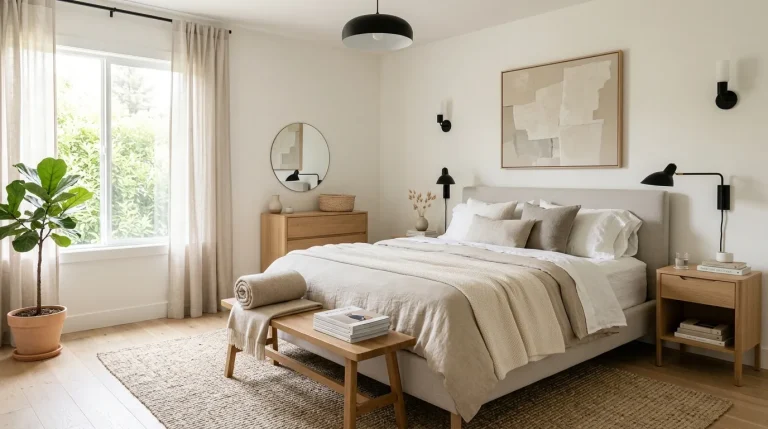
Grey Bedroom Ultimate Guide to a Relaxing Luxury Feel

Introduction:
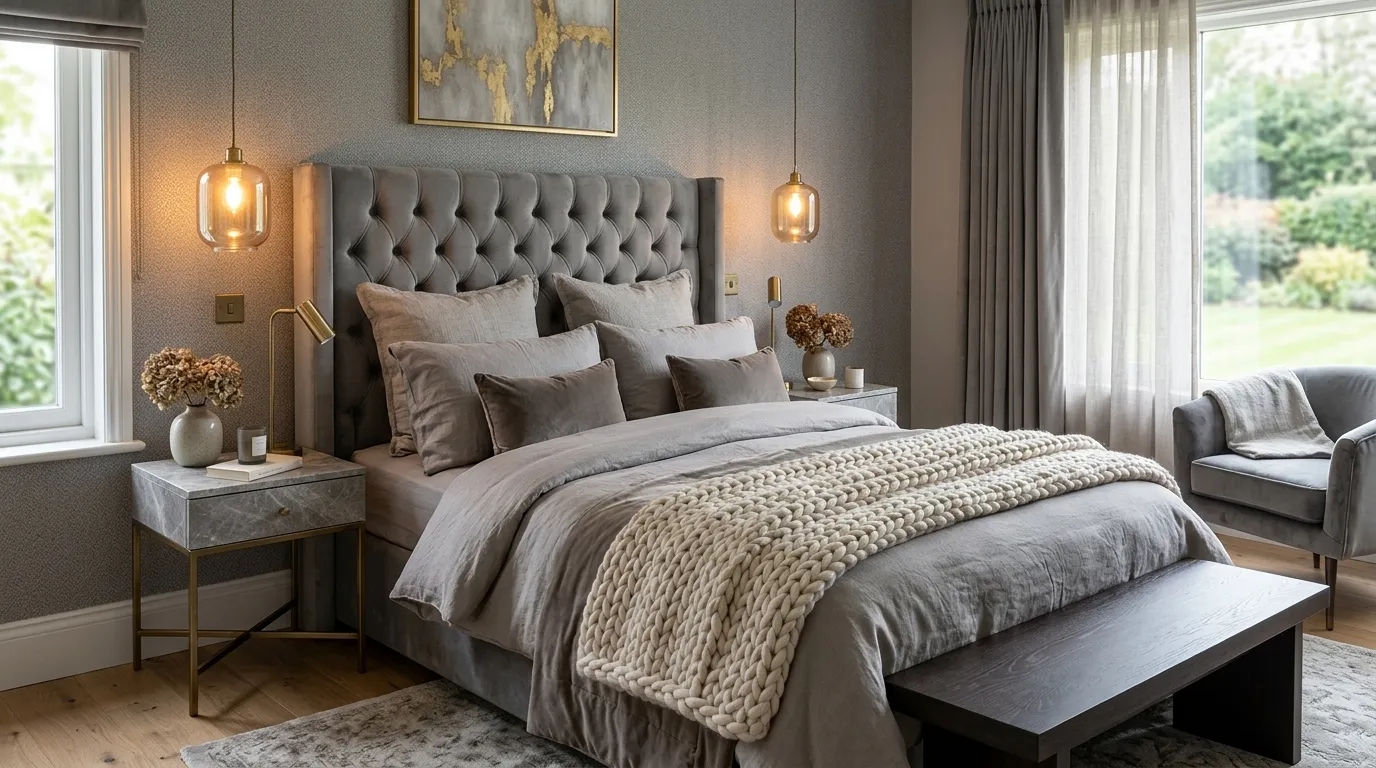
A grey bedroom offers far more than a stylish color palette—it creates a peaceful foundation for better rest, everyday comfort, and timeless interior design. Whether you’re refreshing a small guest room or planning a complete bedroom makeover, understanding how each design element works together can help you create a space that feels both luxurious and practical.
This guide explores the principles behind designing a calming bedroom, from selecting the right paint shades and lighting to layering textures, choosing furniture, and organizing the space effectively. Instead of focusing on short-lived trends, you’ll learn why thoughtful design decisions have a lasting impact on both appearance and functionality. In my experience, the most inviting bedrooms are the ones that balance beauty with everyday comfort, making them enjoyable long after the decorating process is complete. By the end of this article, you’ll have the knowledge and confidence to create a refined retreat that supports relaxation while reflecting your personal style.
Understanding Why Neutral Tones Create a Calming Space
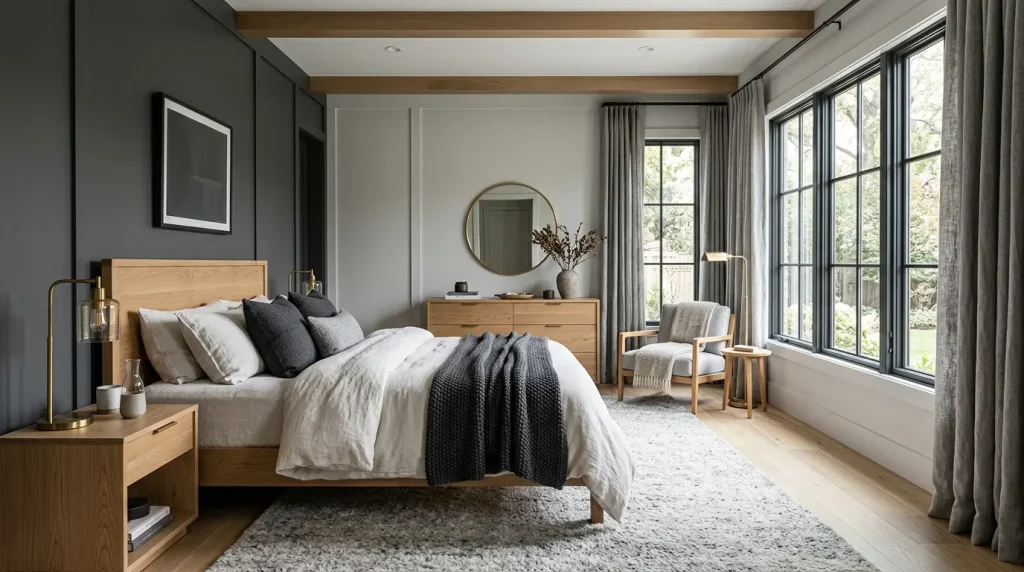
The colors surrounding us quietly influence mood, energy, and comfort long before we consciously notice their effect. Soft neutral palettes have become increasingly popular because they encourage relaxation without feeling visually empty or overwhelming. Research shows that muted shades reduce visual stimulation, allowing the mind to settle more naturally after busy days filled with constant activity. This calming quality explains why designers frequently recommend understated color schemes for sleeping spaces, where emotional comfort and mental restoration matter just as much as beautiful décor.
Beyond appearance, neutral interiors offer exceptional flexibility as lifestyles evolve over time. Furniture, artwork, textiles, and decorative accents can change without requiring an entirely new color palette, making the room easier to refresh affordably. In my experience, homeowners appreciate how timeless shades adapt to changing tastes while maintaining a sophisticated atmosphere. This versatility creates long-term value because the space continues feeling current even as trends shift, helping people enjoy both visual harmony and everyday practicality for many years.
How Color Temperature Influences Bedroom Atmosphere
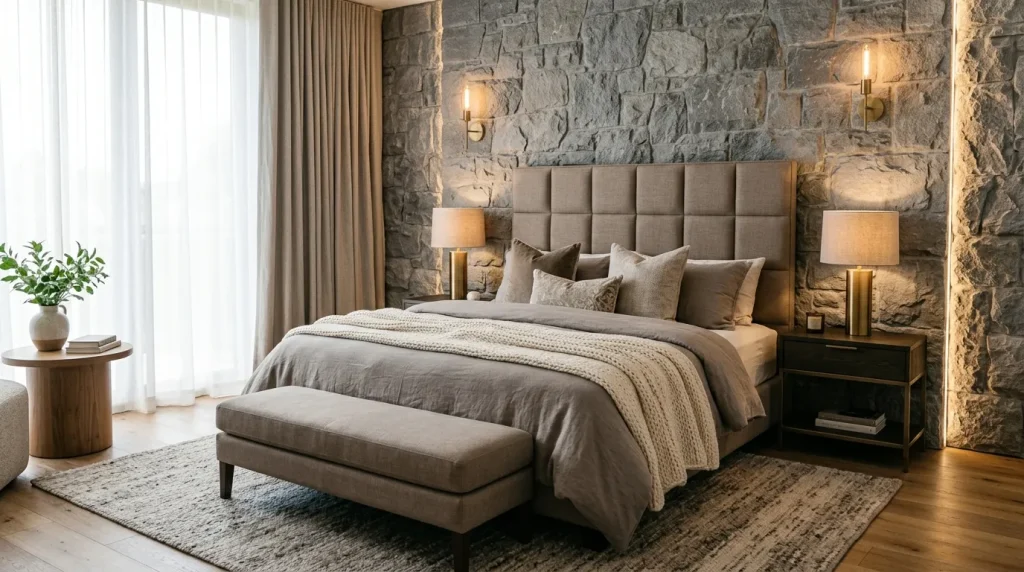
Not every neutral shade creates the same emotional response, making color temperature an important design consideration. Cooler tones often produce a crisp, peaceful feeling that suits modern interiors, while warmer variations introduce greater softness and coziness. Many professionals recommend evaluating natural daylight before selecting paint because sunlight dramatically changes how colors appear throughout the day. A shade that feels balanced in morning light may seem noticeably cooler or warmer by evening under artificial illumination.
I’ve observed that successful rooms rarely depend on wall color alone to establish mood. Instead, designers combine complementary lighting, fabrics, flooring, and furnishings to reinforce the desired atmosphere consistently. For example, warm bedside lighting can soften cooler paint colors, while natural wood furniture prevents neutral palettes from appearing sterile. Understanding these relationships helps homeowners make informed decisions that support both visual beauty and everyday comfort without relying on expensive renovations or dramatic decorative changes.
What Makes a Bedroom Feel Luxurious and Inviting
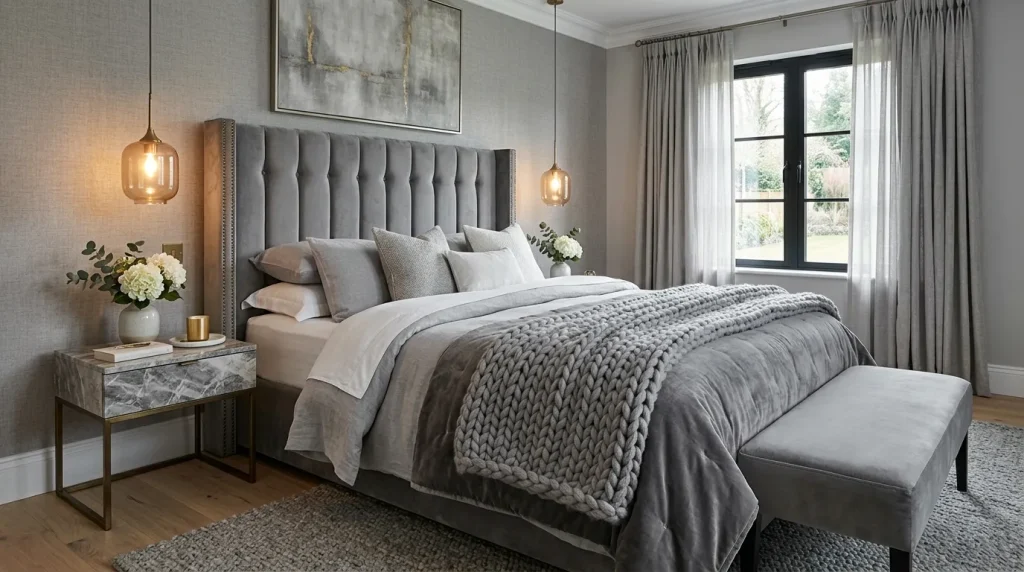
Luxury is often associated with expensive furniture, yet thoughtful design choices usually have a greater influence on how a room feels. Carefully layered textures, balanced proportions, quality materials, and intentional organization create an environment that appears refined without unnecessary excess. A grey bedroom can achieve this sophisticated atmosphere by combining soft fabrics, natural materials, and carefully selected decorative accents that encourage relaxation while maintaining visual elegance. The result feels welcoming rather than overly formal or difficult to maintain.
Many people are surprised that comfortable luxury depends more on consistency than extravagance. Bedding with varied textures, coordinated finishes, and uncluttered surfaces work together to create a polished appearance that remains practical for daily life. Research shows that organized, visually balanced environments often support better relaxation because they reduce unnecessary distractions. In my experience, investing first in comfort-focused elements such as quality mattresses, breathable linens, and layered lighting delivers lasting satisfaction before adding purely decorative features.
Why Lighting Shapes the Overall Bedroom Experience
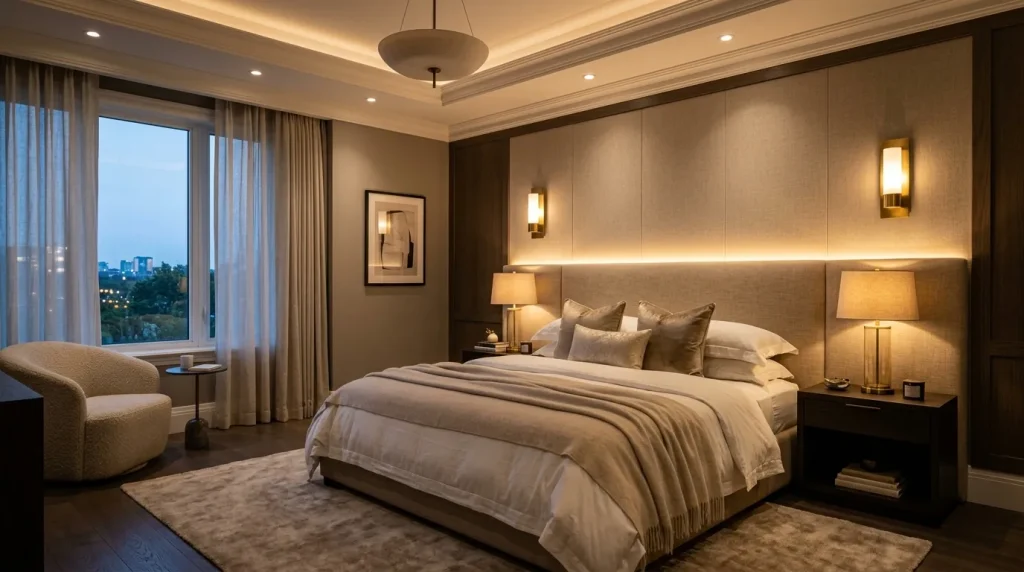
Lighting has the remarkable ability to transform the same room from bright and energizing during the day to peaceful and restful in the evening. Rather than depending on a single ceiling fixture, effective designs use multiple light sources to create flexibility for different activities. Reading, dressing, relaxing, and preparing for sleep each benefit from different light levels. Layered illumination improves comfort while emphasizing architectural details, decorative elements, and carefully selected materials throughout the room.
Many designers recommend combining ambient, task, and accent lighting to achieve a balanced environment that feels both functional and elegant. I’ve observed that adjustable lighting systems often provide the greatest long-term satisfaction because they adapt easily to changing routines and seasonal daylight. Warm-toned bulbs generally create a more relaxing atmosphere before bedtime, while brighter lighting remains useful for morning activities. Thoughtful lighting choices enhance comfort every day while allowing beautiful interior details to stand out naturally.
How Furniture Selection Affects Balance and Function
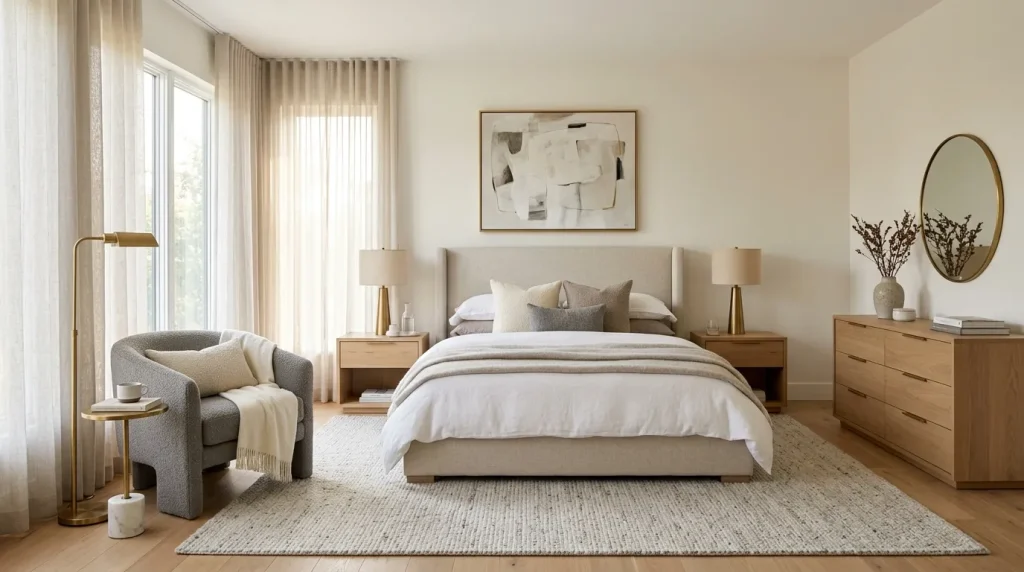
Furniture shapes how comfortably a bedroom functions every day, making thoughtful selection just as important as color and décor. Well-proportioned pieces create a sense of openness while supporting daily routines such as dressing, reading, or relaxing before sleep. Oversized furniture can make even spacious rooms feel crowded, whereas carefully scaled furnishings improve movement and visual harmony. Choosing quality pieces with timeless silhouettes often provides better long-term value because they remain adaptable as decorating preferences gradually change over the years.
Many professionals recommend measuring the room carefully before purchasing large items to avoid costly layout mistakes. I’ve noticed that leaving generous walking space around the bed immediately makes a room feel calmer and more luxurious. Multi-functional furniture, such as storage benches or bedside tables with drawers, adds convenience without increasing clutter. When every piece has a clear purpose and fits comfortably within the available space, the room feels organized, welcoming, and easier to maintain throughout changing seasons and lifestyles.
Why Thoughtful Storage Creates a More Peaceful Room
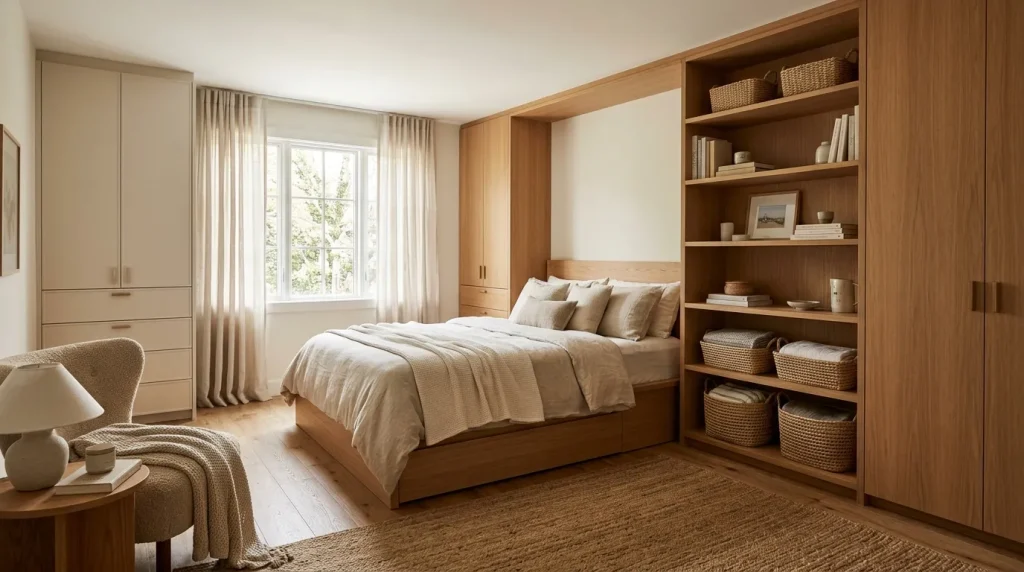
An organized environment allows decorative features to shine while reducing the visual distractions that often make bedrooms feel stressful or overcrowded. Smart storage solutions help maintain tidy surfaces, making daily cleaning easier and creating a stronger sense of order. Built-in wardrobes, multifunctional furniture, attractive baskets, and concealed storage compartments all contribute to practical organization without sacrificing style. The same principle applies throughout the home, especially in a moody neutral living room, where clutter-free surfaces help layered textures, rich tones, and carefully chosen décor stand out. Simple systems encourage consistent habits, making it easier to return items to their proper places after everyday use.
I’ve observed that homeowners frequently underestimate how much storage influences the overall feeling of a room. Even beautiful furniture can lose its impact when surrounded by unnecessary clutter or overflowing shelves. Many experts recommend evaluating storage needs before purchasing decorative accessories, ensuring every frequently used item has a designated location. This balanced approach supports long-term organization, simplifies everyday routines, and creates a relaxing environment where comfort naturally becomes the primary focus instead of constant visual distractions.
How Artwork Creates Visual Interest and Balance
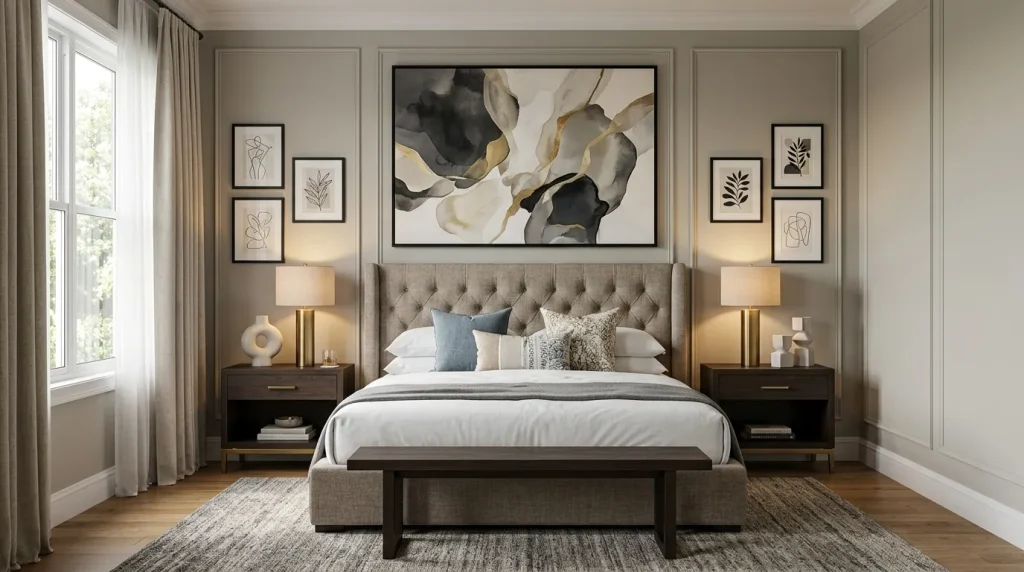
Artwork introduces personality and emotional depth while helping unify the room’s overall design. Large statement pieces can establish a focal point, while smaller collections create layered interest without overwhelming surrounding furnishings. Selecting artwork that complements existing colors and textures encourages visual continuity rather than competition. Abstract paintings, botanical prints, landscape photography, or subtle black-and-white illustrations each contribute a unique mood, allowing homeowners to express personal style while maintaining a peaceful and cohesive environment.
Many interior designers recommend considering scale before purchasing artwork because proportions significantly affect visual balance. I’ve noticed that pieces hung too high or too small often make carefully designed rooms feel unfinished. Positioning artwork at comfortable viewing height and coordinating frame finishes with nearby furniture creates stronger harmony throughout the space. Thoughtful placement transforms walls into meaningful design features while preserving the calm atmosphere essential for a relaxing bedroom retreat.
What Finishing Details Complete a Refined Interior
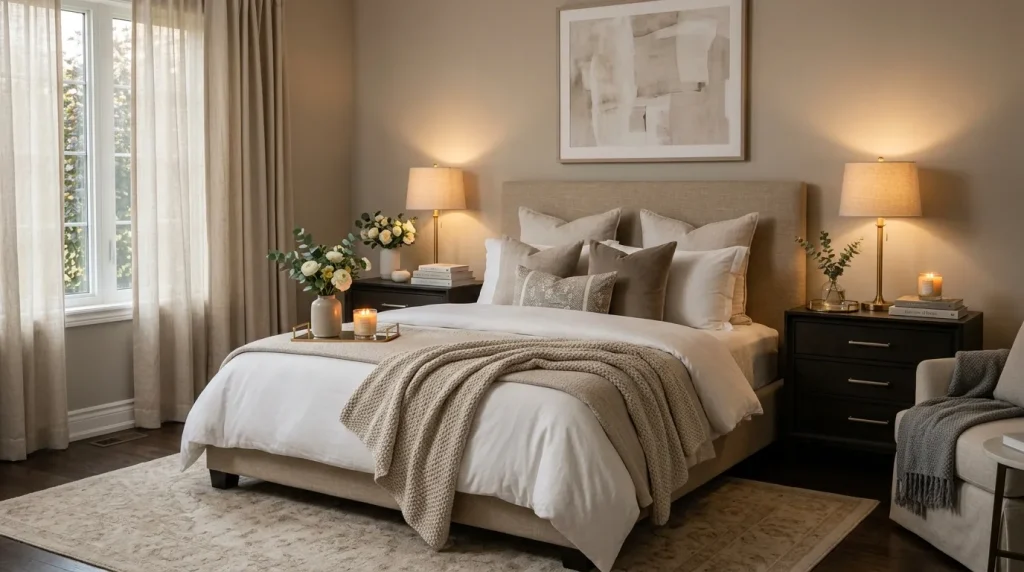
The smallest design elements often leave the strongest lasting impression because they connect every part of the room into a cohesive whole. Coordinated hardware, decorative trays, candles, fresh greenery, mirrors, and carefully chosen accessories add refinement without dominating the overall design. These finishing touches reinforce the room’s style while making everyday spaces feel intentionally arranged. Even simple additions become more effective when they complement existing materials, colors, and textures rather than introducing unnecessary visual distractions.
I’ve observed that successful interiors rarely depend on expensive statement pieces alone. Instead, consistent attention to detail creates an atmosphere that feels complete, comfortable, and welcoming. Many professionals recommend stepping back after decorating to identify areas that feel either too empty or overly crowded before making final adjustments. This thoughtful editing process allows every decorative element to contribute purposefully, resulting in a timeless bedroom that remains visually satisfying and highly functional.
Bringing Every Design Element Together Successfully
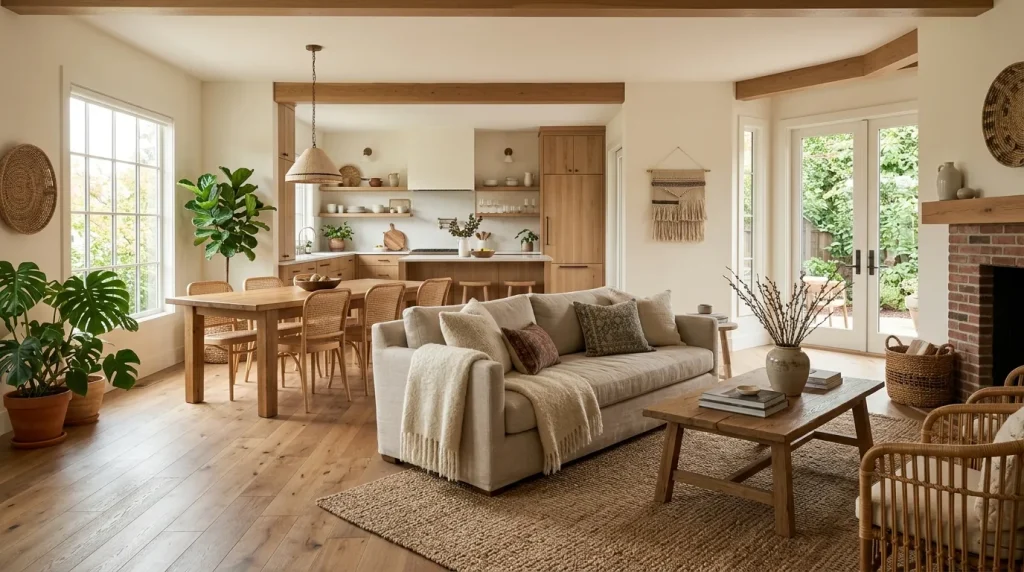
A thoughtfully designed bedroom succeeds when every element works together instead of competing for attention. Color, lighting, furniture, storage, textures, and decorative details should support a shared vision that prioritizes both comfort and functionality. A grey bedroom becomes especially effective when each design decision contributes to a balanced atmosphere rather than following short-lived trends. Careful planning encourages lasting satisfaction because the space remains adaptable, practical, and visually appealing as personal preferences naturally evolve over time.
In my experience, the most memorable interiors are those that feel effortless despite careful planning behind the scenes. Many experts recommend focusing first on comfort, quality, and daily usability before adding decorative layers, ensuring every choice serves a meaningful purpose. This balanced approach creates a room that not only looks refined but also supports healthier routines and better relaxation. By understanding these core principles, homeowners can confidently build a timeless retreat that delivers lasting beauty, comfort, and everyday enjoyment.
Conclusion:
Designing a beautiful bedroom is about much more than choosing attractive furniture or following current trends. By understanding how color, lighting, textures, layout, storage, and finishing details work together, you can create a space that feels balanced, comfortable, and effortlessly elegant. A thoughtfully planned grey bedroom combines timeless style with everyday functionality, making it a space you’ll continue to enjoy for years.
I’ve seen how applying these design principles can completely transform both the look and feel of a bedroom without requiring unnecessary complexity. Revisit this guide whenever you plan updates, apply the ideas at your own pace, and share it with others who want to create a relaxing luxury retreat built on lasting design principles rather than passing trends.
Clara Whitmore
Clara specializes in interior styling, seasonal home trends, and cozy living spaces. She loves combining classic design elements with modern touches to create homes that feel personal, welcoming, and effortlessly stylish.