Nursery Room Inspo Beginner Guide for a Beautiful First Nursery

Introduction:
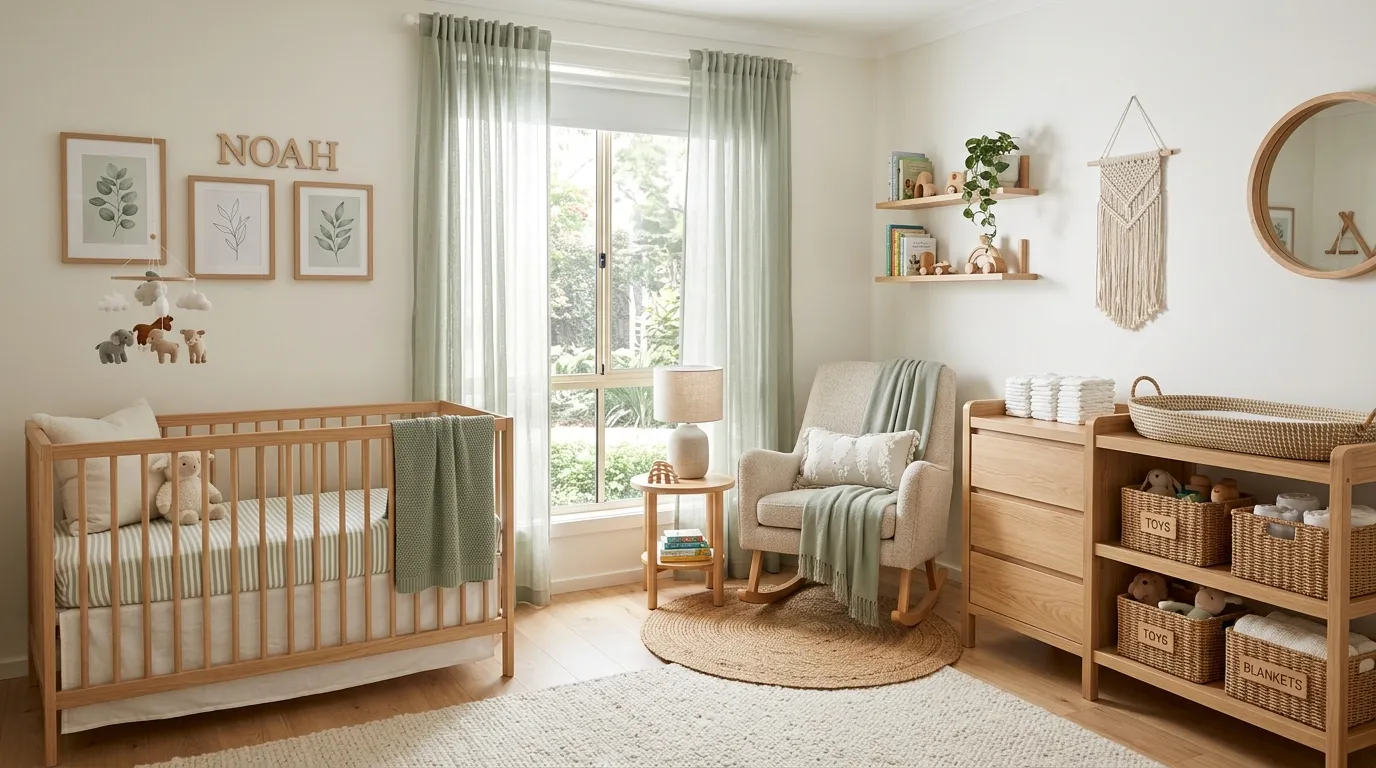
Creating the perfect nursery room inspo for your baby’s first space requires more than beautiful decorations; it involves thoughtful planning, safety, comfort, and practical choices that support everyday family routines from the beginning. Designing a nursery can feel overwhelming because parents often need to balance style with important decisions about furniture, organization, lighting, and long-term usability. This comprehensive guide explains the key principles behind creating a functional and welcoming baby room while sharing practical insights that help families make confident choices. In my experience, the most successful nurseries are spaces that combine emotional meaning with smart planning, allowing parents and children to enjoy the room for years.
Understanding the Purpose of a Well-Planned Baby Nursery
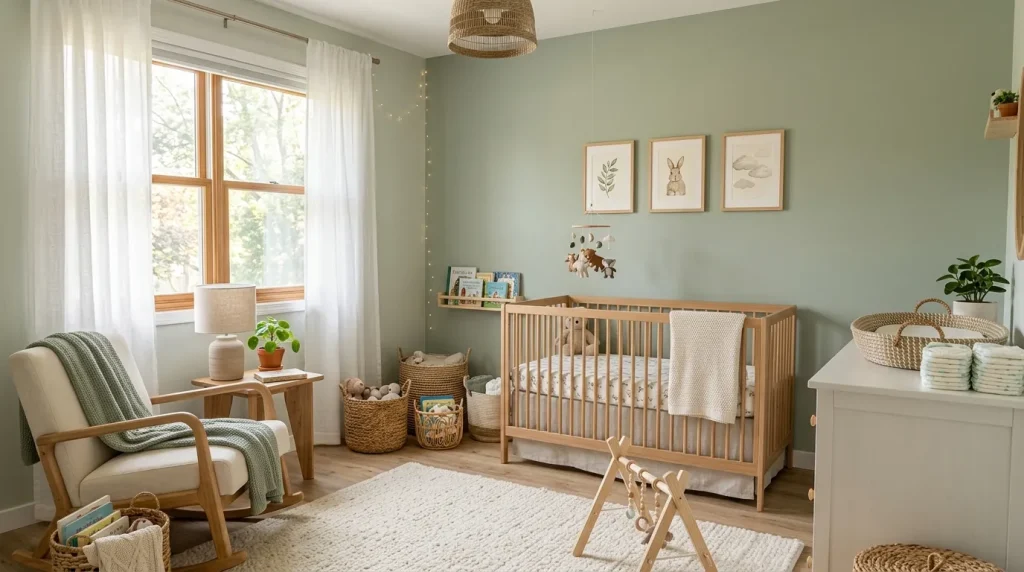
A baby’s room is much more than a place for sleeping because it becomes the setting for countless daily routines, comforting moments, and early childhood memories. Thoughtful planning helps create an environment that supports both the child’s development and the caregiver’s daily activities. Rather than focusing only on appearance, a successful nursery combines comfort, organization, safety, and flexibility. Many parents discover that a carefully designed space reduces everyday stress, making feeding, changing, and soothing routines smoother while encouraging a calm atmosphere for everyone involved.
Design professionals often recommend beginning with function before choosing decorative details because practical decisions influence every other element in the room. In my experience, families who carefully consider storage, lighting, furniture placement, and future needs are usually happier with the final result. As children grow quickly, adaptable layouts can save both money and effort over time. Understanding these foundational principles also helps parents make confident choices without feeling overwhelmed by constantly changing design trends or endless decorating inspiration found online.
How to Choose a Comfortable and Safe Layout
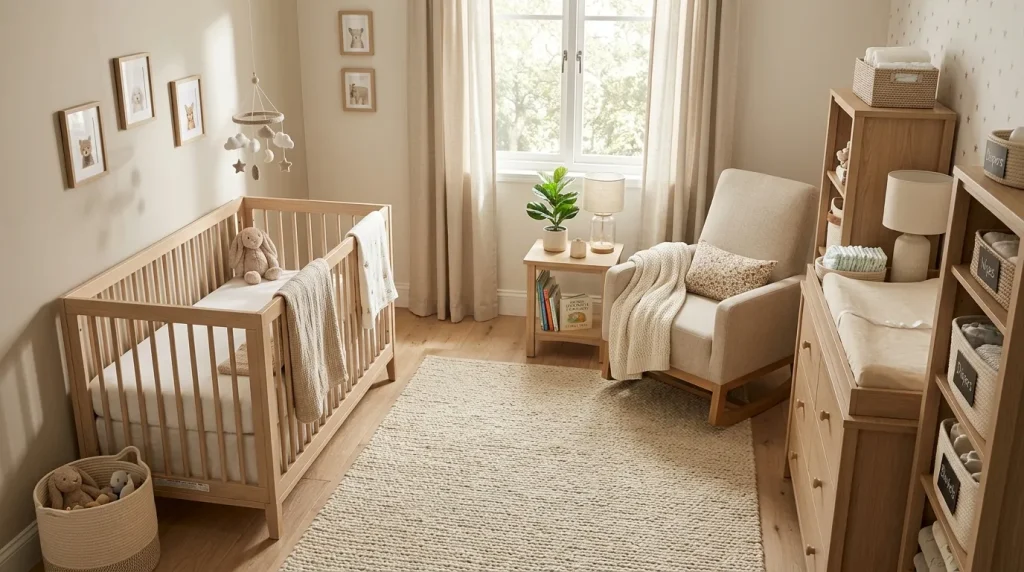
An effective room layout makes everyday caregiving easier while reducing unnecessary movement throughout busy routines. Before selecting decorative accessories, consider how you’ll move between the crib, changing station, storage, and seating area several times each day. A logical arrangement improves convenience while keeping essential supplies within easy reach. Research shows that organized spaces can help lower stress during repetitive caregiving tasks. Simple adjustments in furniture placement often create a room that feels larger, safer, and significantly more comfortable without requiring additional square footage.
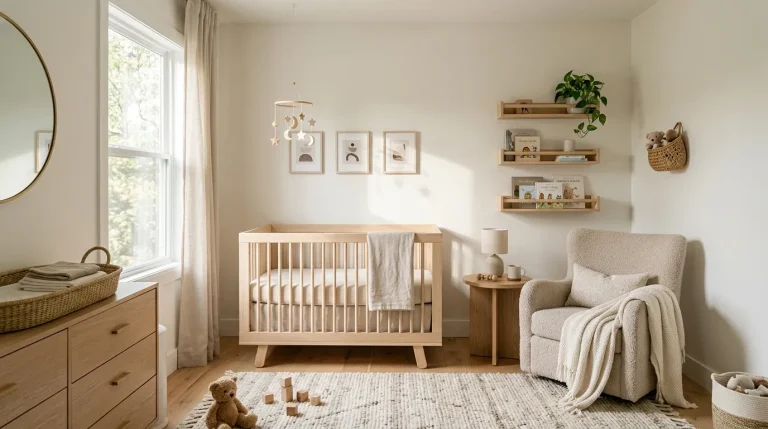
When exploring nursery room inspo, remember that attractive layouts should always support real-life functionality instead of simply copying beautiful photographs. Every family has different needs depending on room size, lifestyle, and available storage. I’ve noticed that flexible floor plans consistently perform better over time because they allow furniture to be adjusted as the child develops. Leaving open walking paths, maintaining clear sightlines, and avoiding overcrowding create a welcoming environment that remains practical throughout every stage of early childhood.
Why Color Choices Influence Mood and Comfort
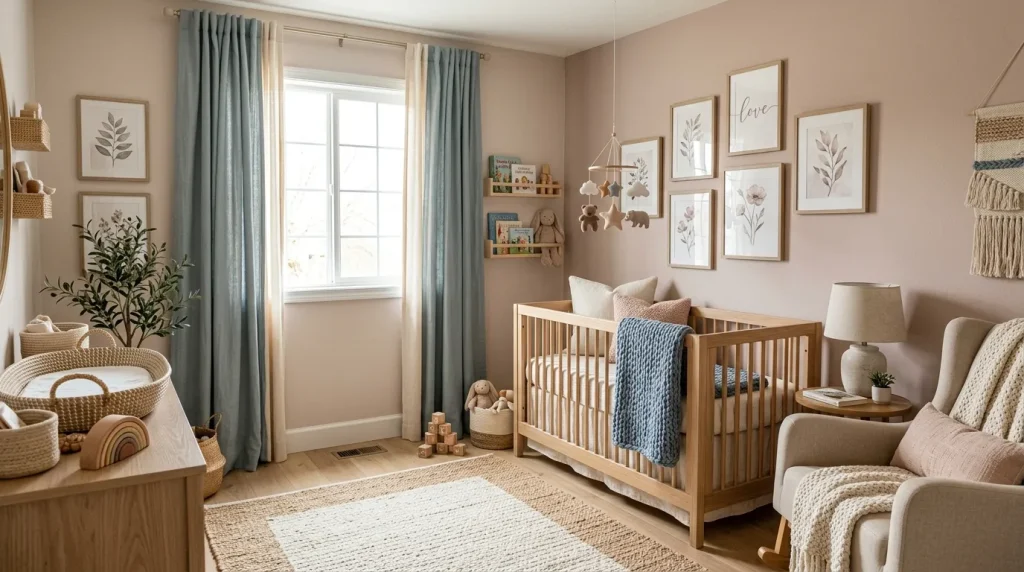
Color affects how a room feels long before decorative accessories capture attention. Soft, balanced palettes often create a peaceful environment that encourages relaxation, while carefully placed accent colors add personality without overwhelming the space. Many designers recommend selecting a timeless base palette first, then introducing seasonal or playful colors through artwork, textiles, and smaller decorative pieces. This approach allows families to refresh the room easily while maintaining visual harmony and avoiding expensive redesigns whenever preferences or needs gradually change.
Choosing colors also involves considering lighting because paint and fabrics appear different throughout the day. North-facing rooms may benefit from warmer shades, while brighter spaces can comfortably support cooler tones. In my experience, testing paint samples under morning, afternoon, and evening light prevents disappointing results after the room is complete. Parents often find that calm, balanced colors create a soothing backdrop for furniture, keepsakes, and meaningful decorations, allowing the nursery to remain inviting as styles naturally evolve over the coming years.
Selecting Furniture That Supports Long-Term Use
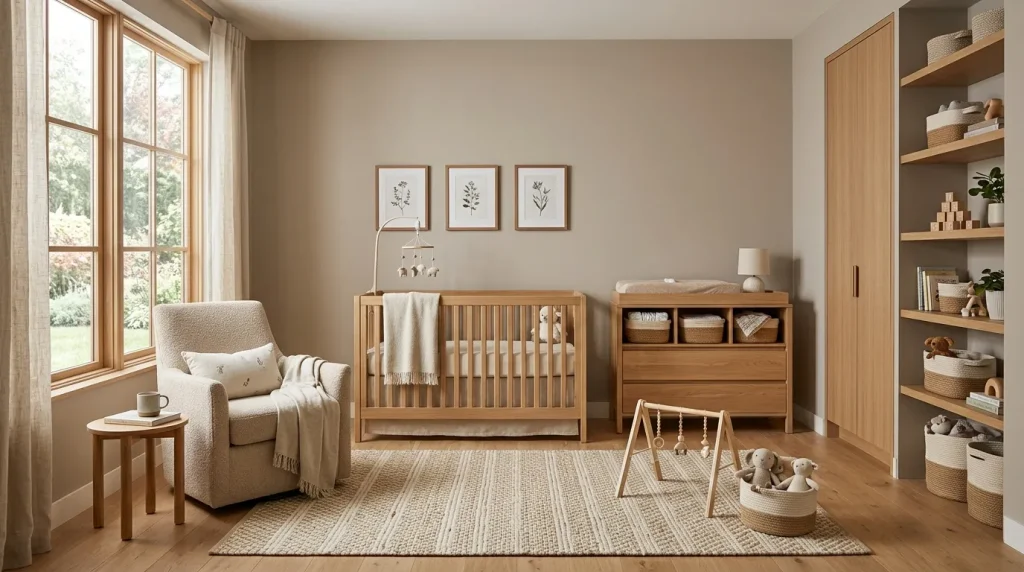
Choosing nursery furniture requires more thought than simply selecting attractive pieces because each item affects comfort, safety, and future usability. The best choices balance immediate newborn needs with long-term flexibility. Convertible cribs, adaptable storage units, and durable seating options can continue serving families as children grow. Many experts recommend investing in quality essentials rather than filling the room with unnecessary items. A carefully selected furniture collection creates a functional foundation that supports changing routines while preventing clutter and frequent replacements.
Parents often feel pressure to create a perfect space quickly, but practical planning usually creates better results. I’ve observed that furniture with simple designs tends to adapt more easily as children’s personalities and needs develop. When evaluating options, consider materials, construction quality, cleaning requirements, and available room space. A thoughtfully arranged nursery should allow caregivers to move comfortably while providing a safe environment where children can eventually explore, learn, and develop independence.
How Storage Solutions Improve Daily Nursery Organization
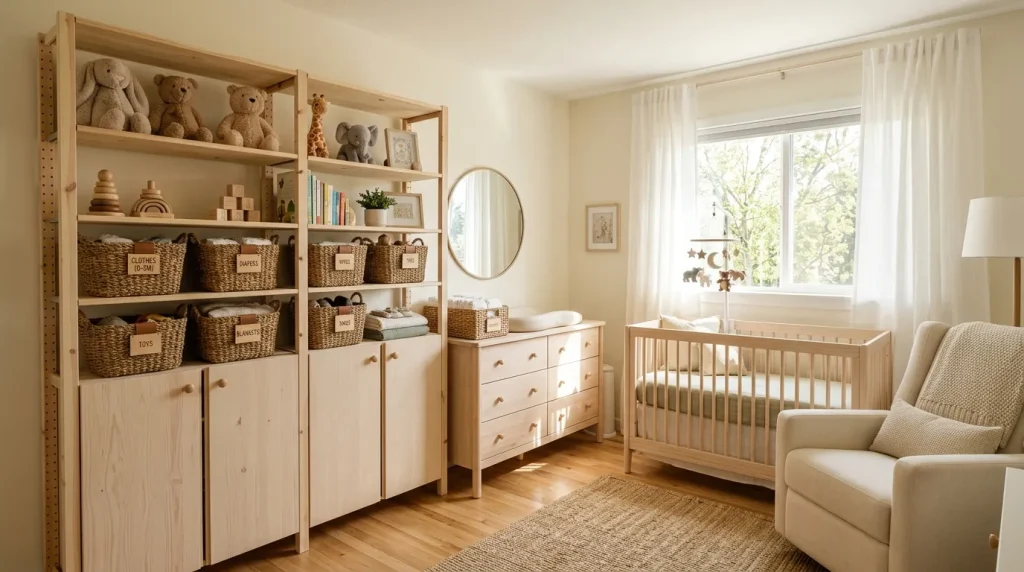
A well-organized nursery depends heavily on smart storage because babies require many daily essentials within easy reach. Diapers, clothing, blankets, toys, and feeding supplies can quickly create clutter without a clear system. Effective storage solutions help caregivers maintain order while making routines faster and more manageable. Open shelving, drawer organizers, baskets, and labeled containers each serve different purposes depending on the family’s habits. Research on environmental organization suggests that orderly spaces can support better focus and reduce feelings of being overwhelmed.
The most successful storage systems are designed around actual daily activities rather than appearance alone. For example, frequently used items should stay accessible, while seasonal clothing and keepsakes can be stored elsewhere. I’ve noticed that parents appreciate flexible storage because babies transition through sizes and stages quickly. Planning extra space from the beginning allows the room to adapt naturally, creating a cleaner, calmer environment where caregivers can spend more time enjoying meaningful moments with their child.
Understanding the Role of Lighting in Nursery Design
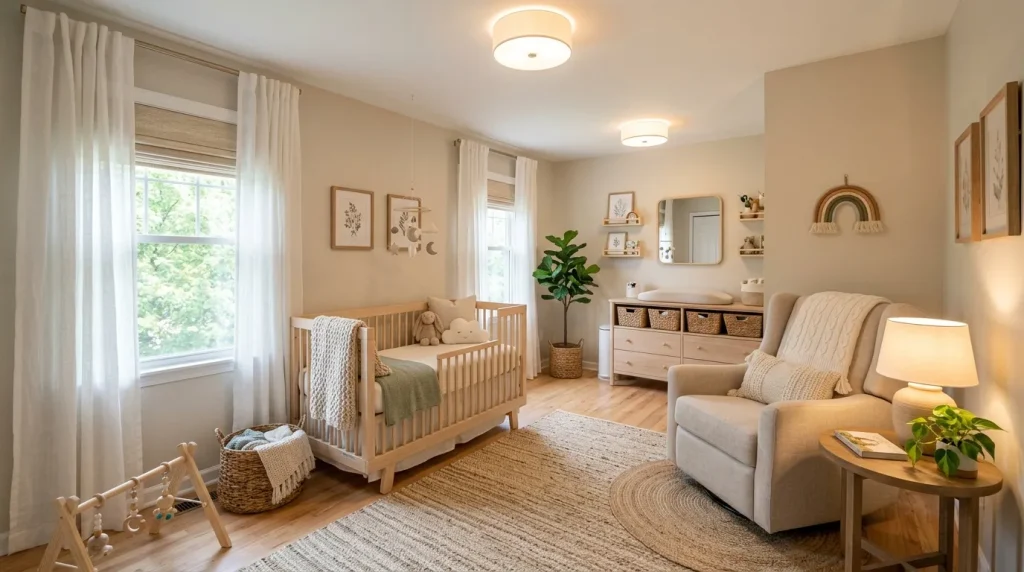
Lighting plays an important role in creating a nursery environment that feels comfortable during both daytime activities and nighttime routines. A combination of natural light, general illumination, and softer task lighting provides flexibility for different situations. Bright light supports play and cleaning, while dimmer options help create a relaxing atmosphere during feeding or bedtime. Many designers emphasize layered lighting because a single overhead fixture rarely meets every practical need in a baby’s room.
Thoughtful lighting choices can also improve caregiver comfort during late-night responsibilities. I’ve seen families benefit from placing small lamps near feeding chairs and changing areas because harsh overhead lights can feel disruptive during nighttime care. Window treatments are equally important because they help control sunlight and encourage restful sleep patterns. By considering brightness, placement, and adjustability, parents can create a balanced environment that supports daily routines while maintaining a peaceful and welcoming atmosphere.
How Safety Considerations Shape Nursery Planning
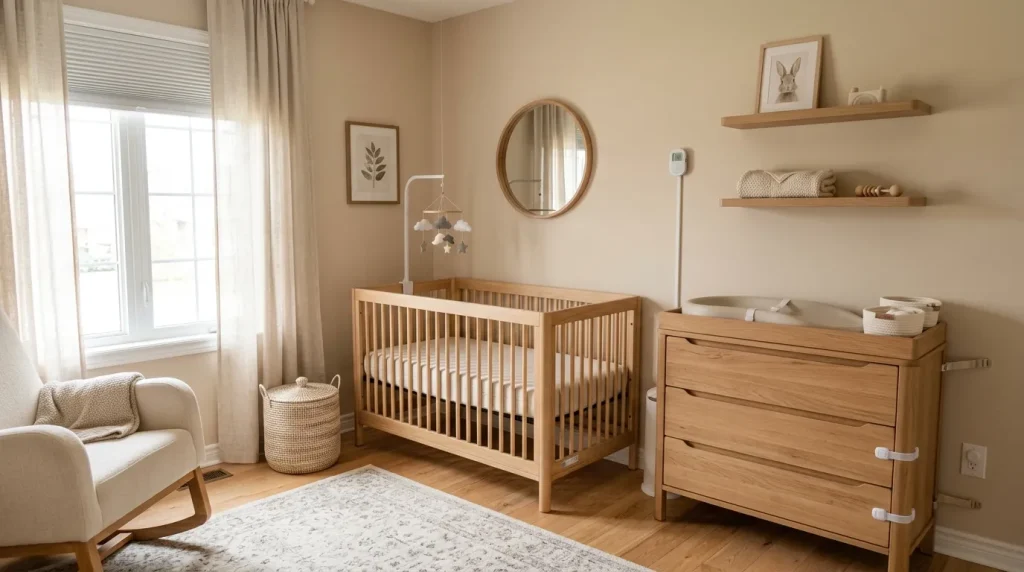
Safety should be the foundation of every nursery decision because a beautiful room must also protect a growing child. Furniture placement, material choices, electrical safety, and sleeping arrangements all influence how secure the environment will be. Parents should consider potential hazards before adding decorative elements, especially as babies become more mobile. Professional recommendations often emphasize creating clear pathways, securing heavy furniture, and choosing age-appropriate products. A safe nursery allows caregivers to feel more confident while children explore their surroundings.
Many families begin planning based on visual inspiration but later realize that practical safety adjustments are equally important. I’ve observed that the most successful spaces combine attractive design with careful preparation from the beginning. Simple actions, such as checking furniture stability, keeping cords out of reach, and selecting non-toxic materials, can make a significant difference. When creating a nursery, thoughtful prevention helps ensure the room remains comfortable, functional, and suitable as a child’s abilities and curiosity continue to grow.
What Materials Create a Healthy Nursery Environment
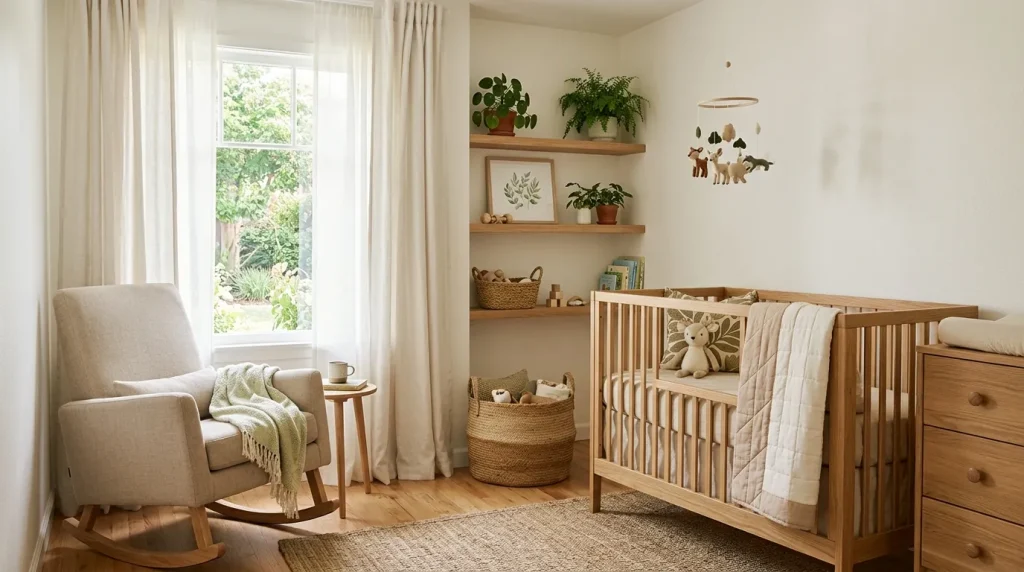
The materials chosen for a nursery influence comfort, durability, and overall indoor quality. Babies spend many hours in their rooms, so selecting breathable fabrics, sturdy furniture, and easy-to-clean surfaces can create a healthier environment. Natural materials such as wood, cotton, linen, and wool are often preferred because they provide comfort while adding warmth and texture. Understanding product labels, finishes, and maintenance needs helps parents make informed decisions instead of choosing items based only on appearance or trends.
Creating a healthier space does not require completely redesigning a room with expensive products. In my experience, small choices often have the greatest impact, such as washing new fabrics before use, improving ventilation, and selecting low-maintenance materials. I’ve noticed that families appreciate designs that balance beauty with practicality because babies create frequent messes and require constant care. Choosing reliable materials helps the room remain comfortable, attractive, and easier to manage throughout the early years of childhood.
How Personal Touches Make the Space Meaningful
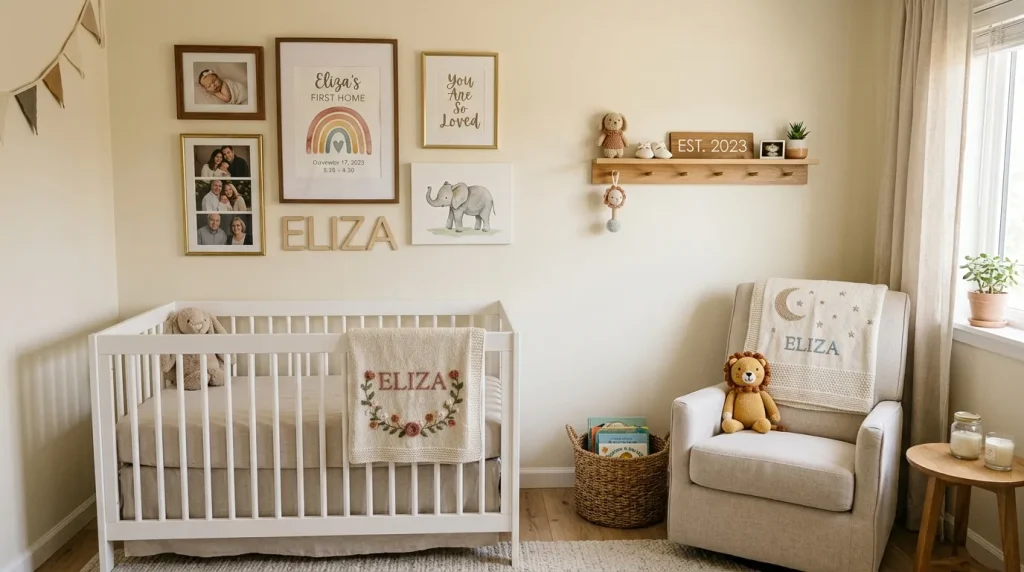
Personal touches transform a nursery from a decorated room into a meaningful space connected to family memories and emotions. While furniture provides function and safety, carefully chosen details add warmth and personality. Items such as handmade blankets, family photographs, custom artwork, or treasured keepsakes can create a unique environment that feels special. These elements do not need to be expensive or elaborate; often, the simplest details carry the greatest emotional value and make the room feel welcoming.
When creating a personalized space, balance is important because too many decorative items can reduce functionality and create unnecessary clutter. Many parents find that selecting a few meaningful pieces creates a stronger visual impact than filling every surface. I’ve noticed that thoughtful personalization helps families feel more connected to the room and enjoy the preparation process. The best nursery designs reflect the family’s story while still maintaining comfort, organization, and flexibility for everyday life.
Why Flexible Design Helps the Nursery Grow
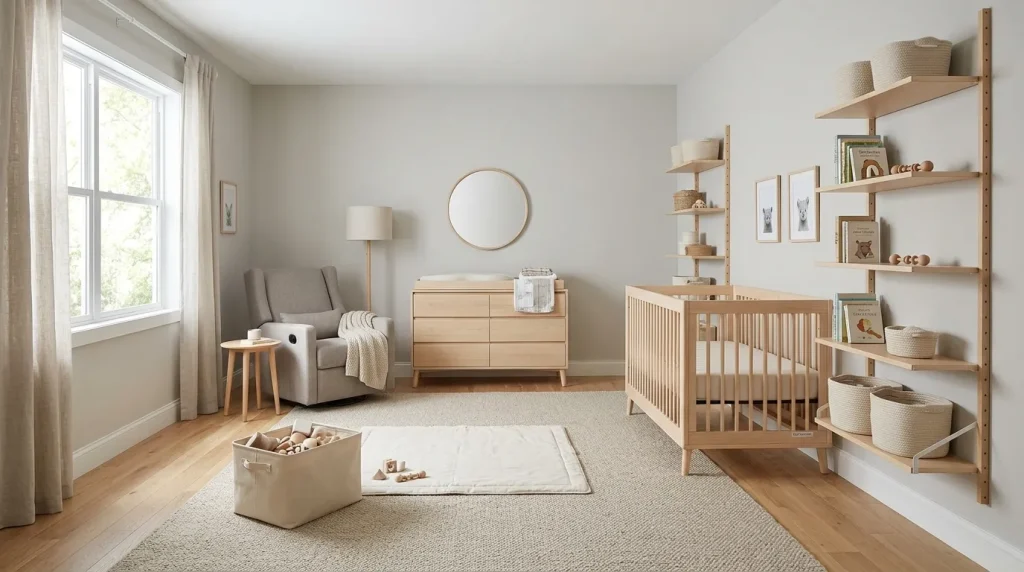
A nursery should be designed with growth in mind because children change quickly during their earliest years. A room that works only for a newborn may require expensive updates within a short time. Flexible design focuses on adaptable furniture, timeless colors, and layouts that can evolve as children develop new needs. Convertible pieces, adjustable storage, and open areas for play allow the space to transition smoothly without requiring a complete redesign every few years.
Many parents researching nursery room inspo discover that the most practical designs are not always the most elaborate ones. Instead, successful spaces often prioritize adaptability and long-term usefulness. In my experience, choosing versatile elements creates less stress because families can modify small details rather than replace everything. A flexible nursery supports different stages of childhood while allowing parents to create a comfortable environment that remains functional, attractive, and meaningful over time.
How to Balance Style With Everyday Practicality
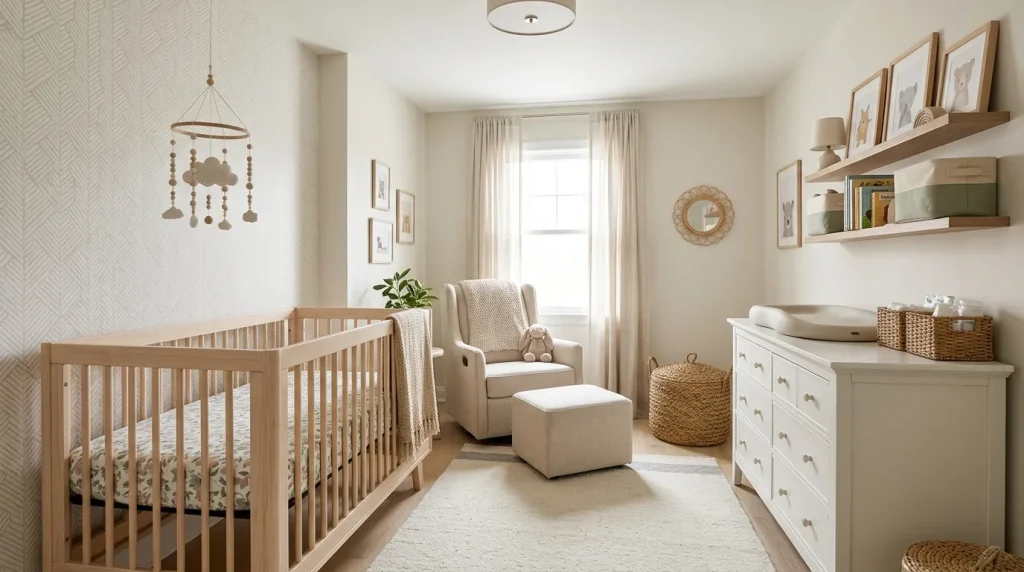
Creating a beautiful nursery involves finding the right balance between visual appeal and practical needs. Many inspiring rooms look impressive in photographs, but real-life spaces must handle laundry, cleaning, storage demands, and changing routines. A successful design considers how the room will function every day rather than focusing only on decoration. Choosing durable fabrics, accessible storage, and comfortable furniture ensures that the nursery remains enjoyable for caregivers while maintaining a polished appearance.
A thoughtful approach allows parents to enjoy creativity without sacrificing convenience. I’ve observed that the most loved nursery spaces usually combine personal style with realistic solutions that support everyday activities. Decorative choices should enhance the room rather than create extra maintenance challenges. By prioritizing both function and design, families can build an environment that feels intentional, comfortable, and welcoming while avoiding common mistakes caused by following trends without considering practical living needs.
How to Plan a Nursery Within Your Available Space
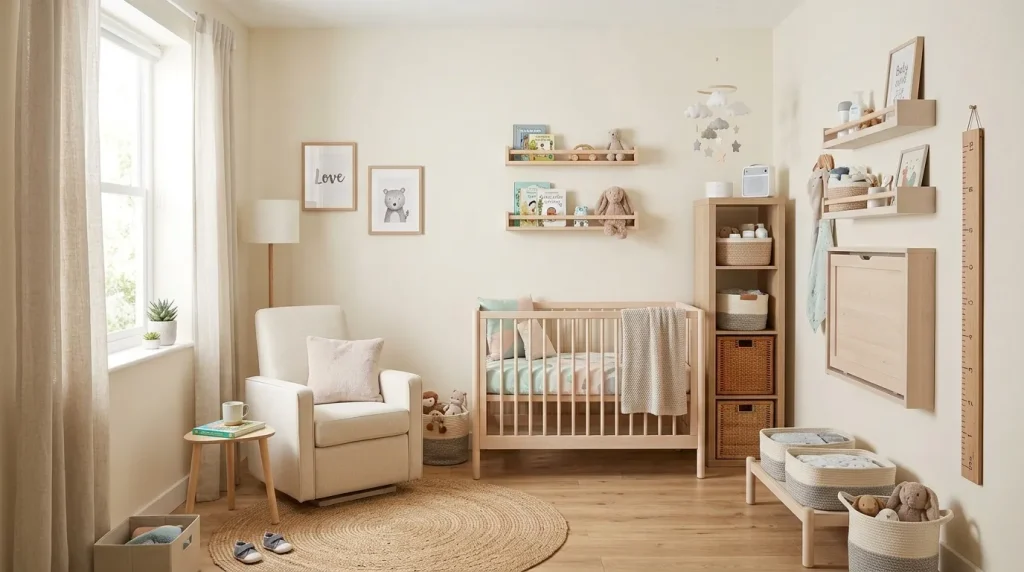
Planning a nursery begins with understanding the available space and identifying how every area can serve a purpose. Small rooms require careful decisions about furniture size, movement paths, and storage placement, while larger rooms benefit from thoughtful zoning. Measuring the space before purchasing items prevents overcrowding and helps create a balanced layout. Many interior professionals recommend prioritizing essential pieces first, then adding decorative elements once the functional foundation is complete. The finishing touches inspired by cozy home decor can then add warmth and personality, helping the nursery feel inviting without compromising its practical layout.
A practical approach to space planning allows families to create beautiful environments regardless of room size. I’ve noticed that parents often achieve better results when they focus on how they will use the room daily instead of trying to copy large nursery designs. Vertical storage, multifunctional furniture, and open floor areas can transform limited spaces into comfortable areas. The goal is not the size of the room but how effectively it supports safety, comfort, and everyday routines.
How to Create a Restful Sleeping Environment
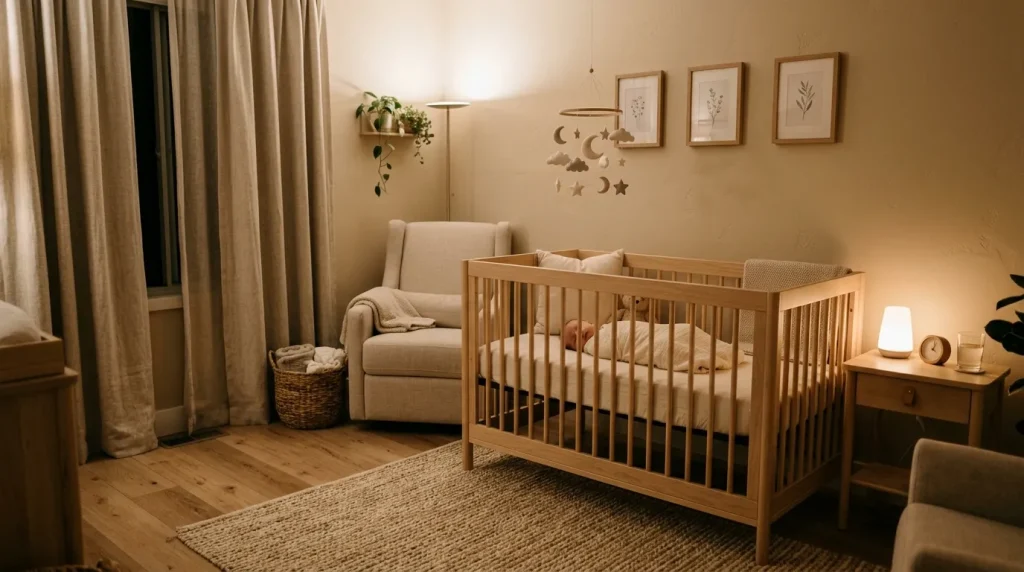
Creating a peaceful sleep environment is one of the most important parts of nursery planning because restful routines support both babies and caregivers. A well-designed sleeping area considers crib placement, temperature, noise control, and comfortable surroundings without relying only on decoration. Experts often emphasize consistency because familiar environments can help children recognize sleep cues over time. Parents can support this process by creating calm bedtime conditions and reducing unnecessary distractions that may interrupt rest. Thoughtful planning creates a foundation where safety, comfort, and healthy sleep habits work together during early development.
When designing the sleeping area, many families focus heavily on appearance but overlook practical details that affect daily use. I’ve noticed that simple choices like blackout curtains, breathable bedding, and convenient placement of essential items often improve nighttime routines significantly. Research on infant sleep environments highlights the importance of consistency and comfort in creating predictable patterns. A thoughtfully arranged space helps caregivers respond more easily while maintaining a soothing atmosphere. The best nursery designs balance visual appeal with practical sleep considerations so the room remains supportive as children continue growing and changing throughout early childhood.
How Technology Can Improve Modern Nursery Functionality
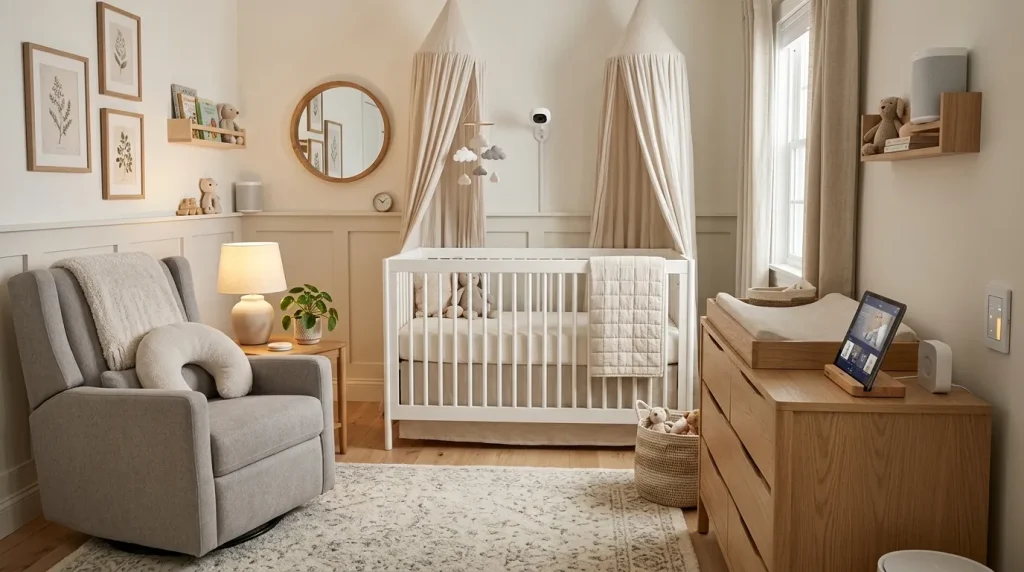
Modern nursery technology can provide convenience and support daily routines when selected carefully and used appropriately. Smart devices such as adjustable monitors and automated lighting systems may help parents manage tasks more efficiently while maintaining a comfortable environment. However, technology should complement caregiving rather than replace personal attention and connection. Experts often suggest choosing reliable products that offer practical benefits instead of adding unnecessary complexity. Before purchasing devices, families should consider safety, privacy, and ease of use. A thoughtful approach ensures technology enhances the nursery experience without creating distractions or dependence on excessive digital features.
Many parents find that carefully chosen tools can simplify responsibilities during busy moments while offering additional reassurance throughout the day. I’ve noticed that simple solutions often provide the greatest benefits because they are easier to maintain and integrate into existing routines. For example, a reliable monitor or convenient timer may support organization without overwhelming the room with equipment. Creating a balanced environment means understanding which innovations truly improve daily life and which ones simply add visual clutter. The most effective designs use technology thoughtfully while keeping comfort, safety, and human interaction at the center.
How Flexible Design Supports Future Nursery Changes
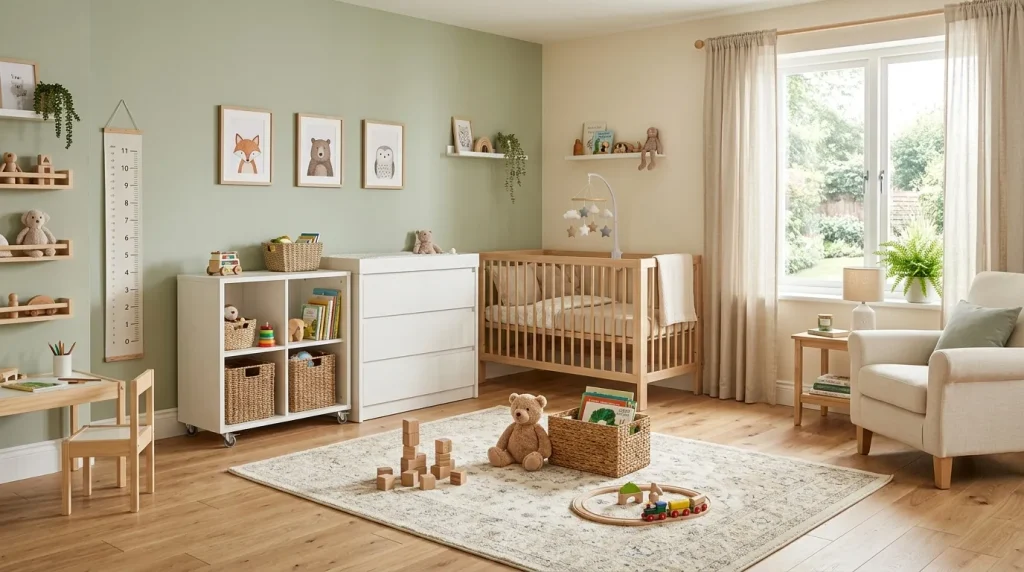
Designing for future changes helps a nursery remain useful long after the newborn stage has passed because children’s needs develop quickly. Flexible layouts allow furniture arrangements to change as children grow and require new activities or storage solutions. Convertible pieces and adaptable organization systems can reduce future expenses while supporting different stages of development. Many experts recommend choosing timeless foundations instead of temporary trends that may quickly become outdated. A practical approach ensures the room remains comfortable and attractive while accommodating changing routines. Families benefit from considering long-term needs before making major design decisions.
A flexible nursery design also provides emotional benefits because parents can focus more on experiences rather than constant renovations. I’ve noticed that adaptable spaces often feel less stressful because they provide room for growth and unexpected changes. Small updates like replacing textiles or rearranging furniture can refresh the environment without requiring complete redesigns. This strategy encourages thoughtful spending and creates a sustainable approach to decorating. By planning ahead, families can enjoy a nursery that evolves naturally while continuing to offer comfort, safety, and functionality throughout the early years of a child’s life.
How to Prepare a Nursery Before Baby Arrives
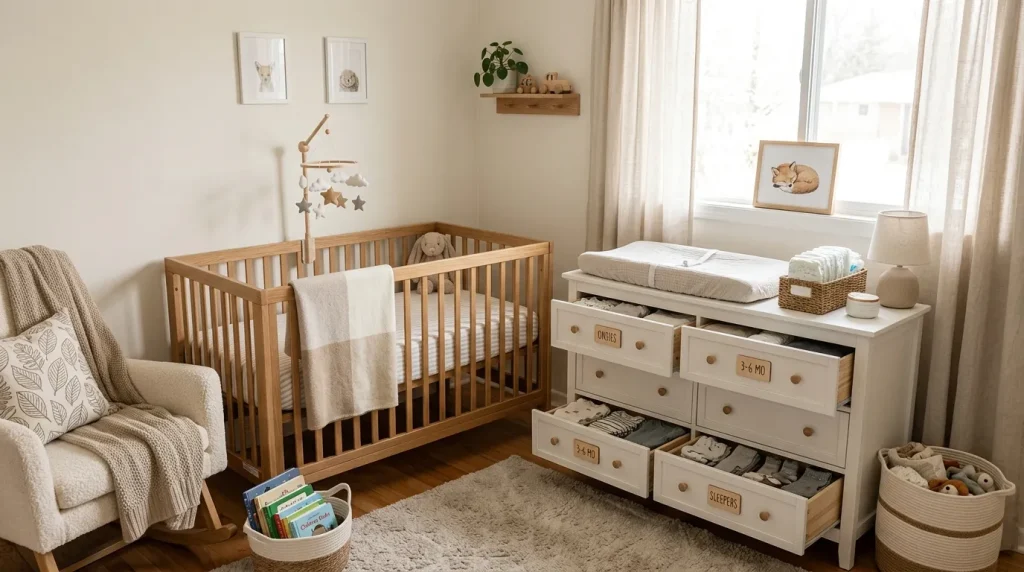
Preparing a nursery before a baby’s arrival helps families feel organized and confident during an important transition period. Creating a checklist for furniture, supplies, safety needs, and daily routines allows parents to approach preparation with less stress and greater clarity. Many families benefit from completing essential tasks early because unexpected changes can occur near the birth period. A well-prepared room provides convenience from the beginning and reduces pressure during the first weeks at home. Experts often recommend focusing on practical needs first before adding decorative elements because functionality creates lasting value.
Final preparations should include checking furniture stability, organizing supplies by category, and creating easy access to frequently used items. I’ve noticed that parents feel more relaxed when the room is arranged before they need it because daily responsibilities become easier to manage. Simple planning steps such as washing fabrics, preparing storage, and testing lighting can prevent unnecessary difficulties later. This preparation process creates a welcoming environment where families can focus on bonding and enjoying early memories together. A thoughtful approach ensures the nursery feels ready while maintaining comfort, safety, and practical organization from the very first day home.
How to Maintain an Organized Nursery Over Time
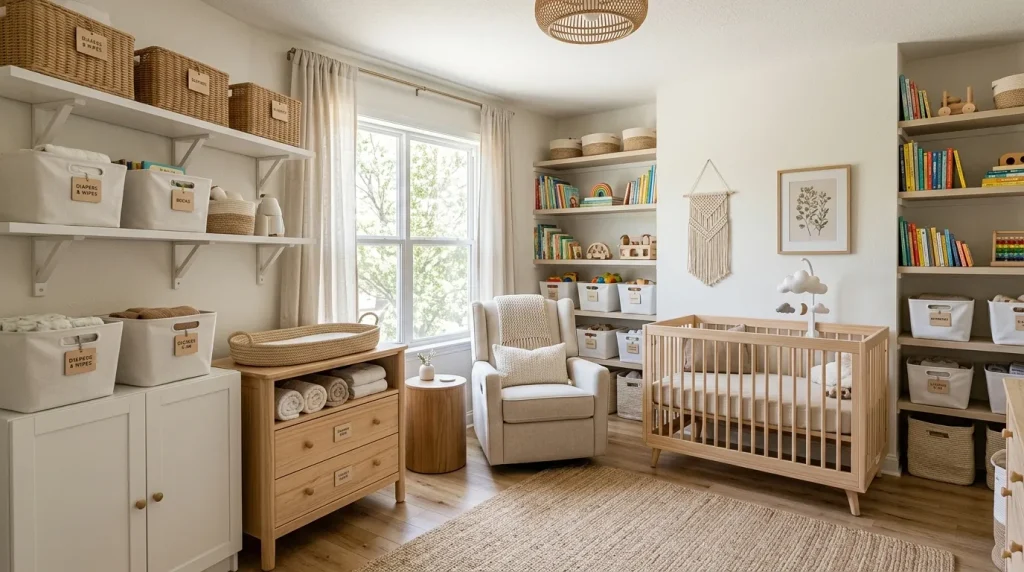
Maintaining an organized nursery over time requires simple systems that adapt as children grow and daily routines change. Storage needs increase quickly as clothing, toys, books, and supplies accumulate throughout early childhood. Creating regular organization habits helps prevent clutter and keeps essential items accessible when needed. Many professionals suggest reviewing belongings periodically to remove unused items and adjust storage solutions accordingly. In my experience, families who maintain flexible systems find it easier to keep the nursery comfortable and functional without constant major changes. These small efforts create a calmer environment where caregivers can spend more time enjoying meaningful moments.
A nursery’s long-term success depends on balancing organization with flexibility because children continue developing new interests and requirements. I’ve observed that adaptable rooms remain useful when families choose storage methods and furniture arrangements that can change easily. Instead of designing a space that only works for infancy, consider solutions that support learning, play, and independence later. Small adjustments over time can refresh the environment while avoiding unnecessary spending and waste. A thoughtfully maintained nursery becomes more than a temporary room because it grows alongside the child and continues supporting family life.
Conclusion:
Creating a thoughtful nursery requires understanding how design, safety, comfort, and organization work together to support family life. The ideas shared in this guide can help parents approach planning with greater confidence and create a space that feels both beautiful and practical. I’ve seen how understanding these principles can completely change how families prepare for this important transition. Whether you are beginning your research or refining your plans, use this resource as a helpful reference while building your ideal nursery room inspo. Small, intentional decisions can create a meaningful environment filled with comfort, connection, and lasting memories.
Elira Montclair
Elira writes about timeless home decor, kitchen styling, and practical interior ideas. Her work blends warm, inviting aesthetics with simple decorating tips that make everyday spaces feel beautiful and comfortable.