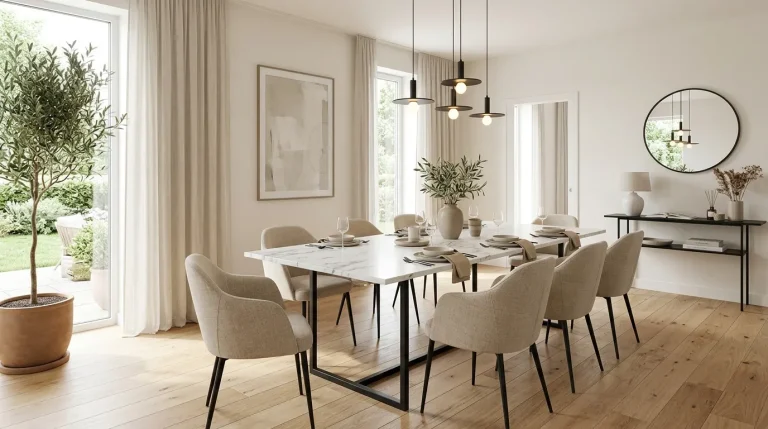
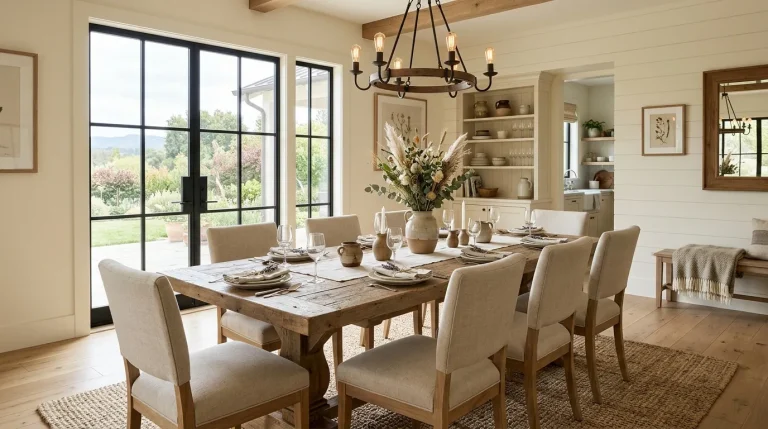
Nancy Meyers dining room: 21 Easy stress-free cozy ideas

INTRODUCTION:
There is something undeniably magical about a Nancy Meyers dining room. The warm glow of candlelight on a linen covered table. Flowers casually placed in a simple vase. A feeling that something wonderful is about to happen even on an ordinary Tuesday night. If you have ever watched one of her films and thought, I want to live there, you are not alone. In my experience, people do not just admire these spaces they feel a deep emotional pull toward them. This article gives you 21 practical, beginner friendly ideas to bring that same effortless warmth and quiet elegance into your own dining room, no renovation required.
Warm White Walls
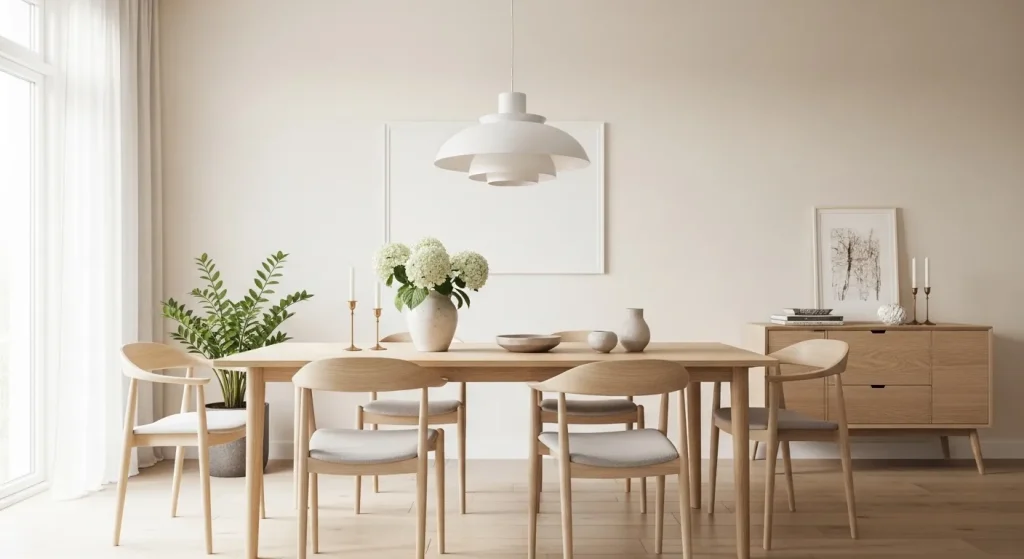
The right wall color sets the entire emotional tone of a dining room before you even pull out a chair. Warm white shades like Benjamin Moore White Dove, Pale Oak, or Swiss Coffee have a creamy quality that feels genuinely lived-in and graceful. I have noticed that rooms with warm whites feel naturally brighter in daylight and noticeably cozier in the evening, which is exactly the dual quality that makes these spaces so appealing. It is a subtle shift on paper, but the result in person is dramatic suddenly every piece of furniture looks considered and every candle glows a little warmer.
What separates a warm white from a standard white is the underlying undertone a hint of yellow, pink, or beige that keeps the room from reading as clinical or cold. That warmth is what makes a simple wooden table and a bunch of grocery store flowers look like a lifestyle magazine spread rather than an ordinary meal setup. That is why many designers recommend this as the very first change when trying to create that classic, romantic dining room feel. Once the walls are right, everything else seems to fall into place with very little effort or expense.
Linen Table Runners
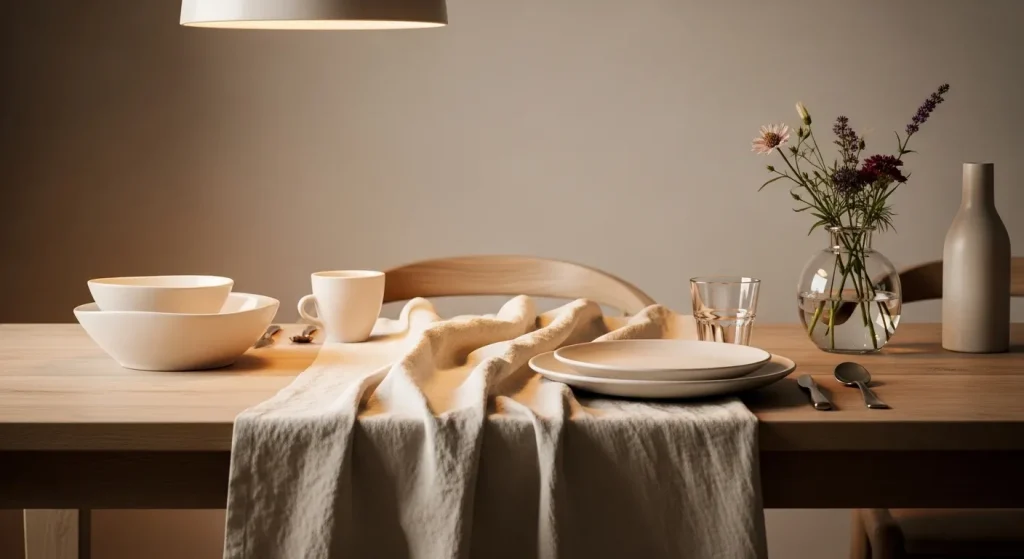
There is a reason linen shows up in nearly every beautifully styled dining table you have ever admired. It has a relaxed elegance that no other fabric quite replicates it drapes loosely, holds soft wrinkles without looking sloppy, and adds a layer of warmth and texture in a single step. A natural or stone-toned linen runner placed down the center of a table transforms even the simplest meal into something that feels thoughtful. You do not need to iron it perfectly. In fact, I have seen this work best when the runner is allowed to fall with its natural folds intact.
What makes linen particularly special in a classic neutral dining room style is how effortlessly it layers with other elements. Place a few taper candles, a small vase of wildflowers, and some simple ceramic dishes on top, and the composition feels both deliberate and unstudied at the same time exactly the balance that great dining room styling achieves. Linen runners are also remarkably affordable and durable, making them one of the highest value additions you can make to a dining room. One well chosen runner can make an entire table setting feel elevated and intentional without any additional effort required.
Mismatched Wooden Chairs
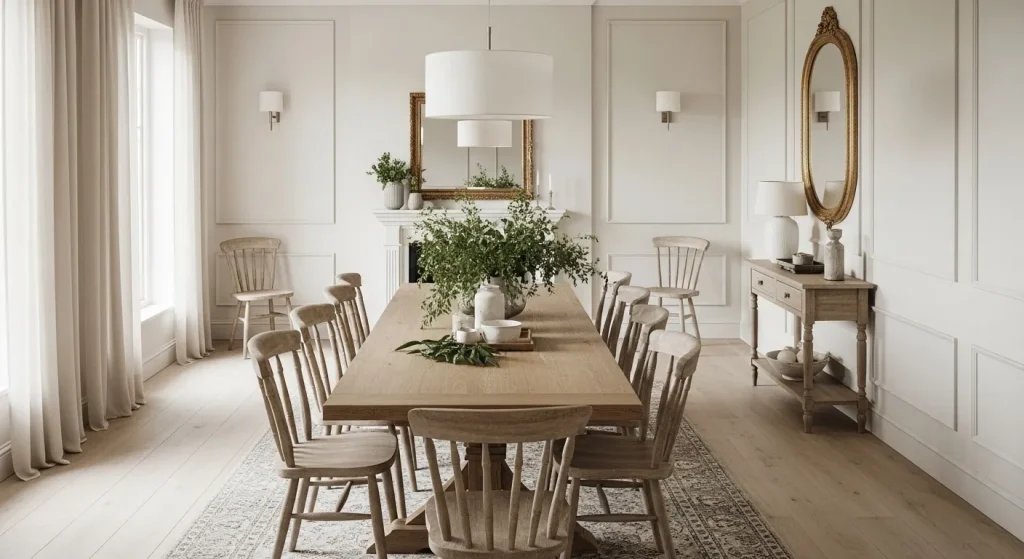
One of the most distinctive qualities of beautifully designed lived in dining rooms is that nothing looks like it arrived in a box at the same time. Mismatched wooden chairs are one of the most achievable ways to create that feeling in your own home. The key is keeping the wood tones within a similar family warm oaks, light walnuts, and natural beiges all coexist beautifully together while allowing the silhouettes to vary. I have noticed that even two or three different chair styles around a single table creates an energy that feels curated rather than accidental, especially when the rest of the room stays cohesive and calm.
What this idea truly offers is a sense of story and personality. A room full of identical chairs can look beautiful, but it rarely feels deeply personal. Mismatched chairs suggest a space that has been gathered over time, that different pieces found their way there through different means, and that the room prioritizes comfort and character over rigid coordination. This is a core principle behind cozy elegant dining room inspiration the idea that warmth comes not from perfection but from thoughtful gathering. Start with two different styles and build from there as you discover pieces you love.
Candlelight as Centerpiece

Nothing transforms a dining table faster or more dramatically than candlelight. It is one of those styling tools that costs almost nothing yet produces results that feel genuinely luxurious. Taper candles grouped in odd numbers three, five, or seven across the center of a table create a flickering warmth that changes the entire mood of the room the moment the overhead lights dim. That is why many designers recommend making candles a permanent fixture on the dining table rather than something brought out only for special occasions. The ritual of lighting them every evening makes ordinary dinners feel worth celebrating.
What candlelight does that electric light simply cannot is create intimacy. The glow pools softly around the table, drawing everyone in and making the conversation feel more private, more connected, and more present. Candles are never an afterthought they become central to the entire emotional atmosphere of the space. Mix beeswax tapers with simple ivory ones, vary the heights, and choose holders in materials like brass, aged terracotta, or turned wood. The result is a centerpiece that feels romantic, gathered, and warm without requiring a single flower or elaborate arrangement.
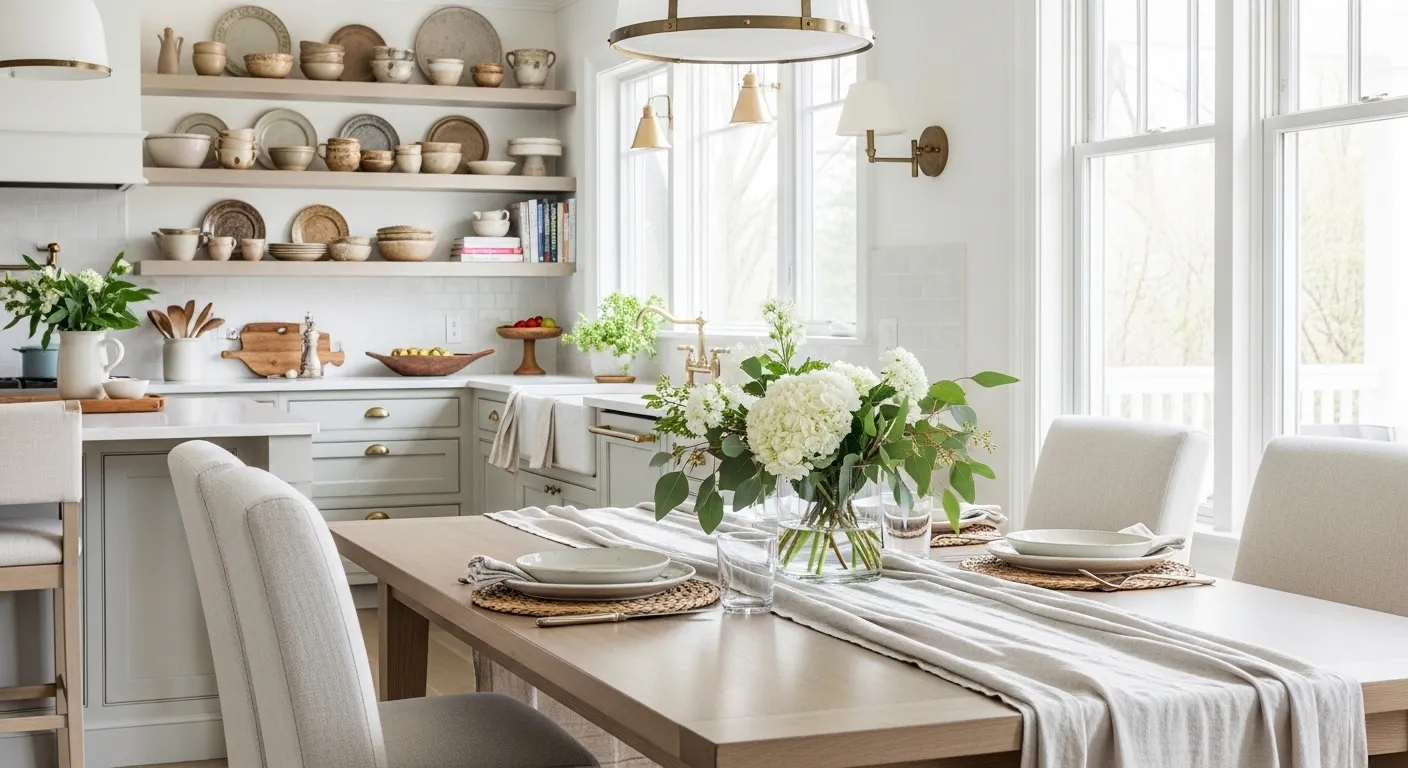
Open Shelving Display
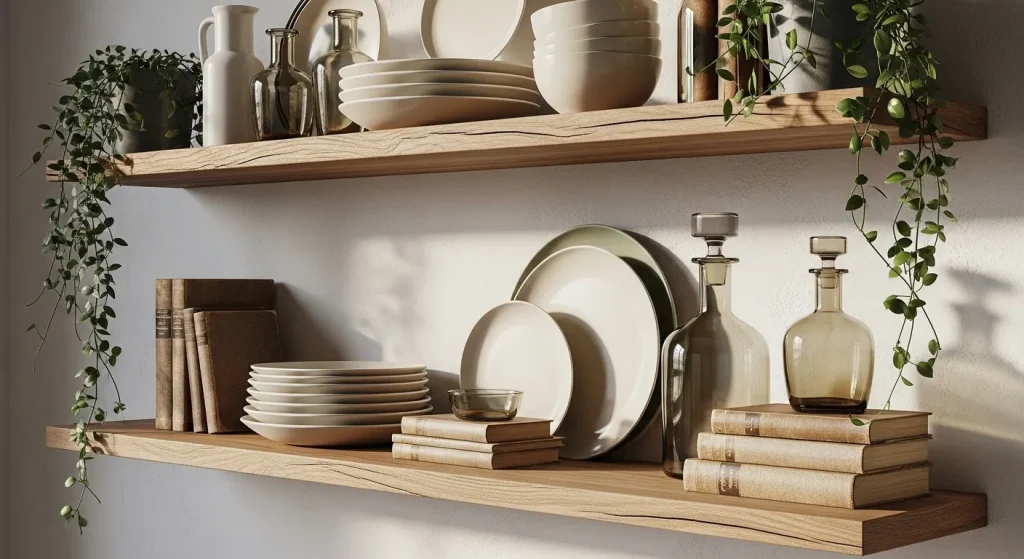
Open shelving in a dining room does something that closed cabinetry rarely achieves it makes the room feel like an extension of the people who live in it. When shelves are filled thoughtfully with a mix of ceramics you actually use, glassware that catches the light, and a few meaningful objects, the room immediately reads as personal and intentional. The key is restraint. Leaving generous space between objects what designers call negative space allows each piece to breathe and gives the entire display a calm, considered quality rather than a cluttered one that overwhelms the room.
I have seen this work particularly well in dining rooms where there is limited wall space for artwork. A well styled shelf above or beside a dining table becomes its own kind of art one that shifts and changes with the seasons and the mood of the household. Keep the color story of your display within a tight range of creams, earth tones, and soft greens, and even a collection of entirely thrifted objects will look intentional and beautiful. This is one of those ideas that rewards patience. Add pieces slowly, remove things that feel forced, and over time the shelf begins to tell a genuinely lovely story about the home and the people in it.
Statement Pendant Lamp
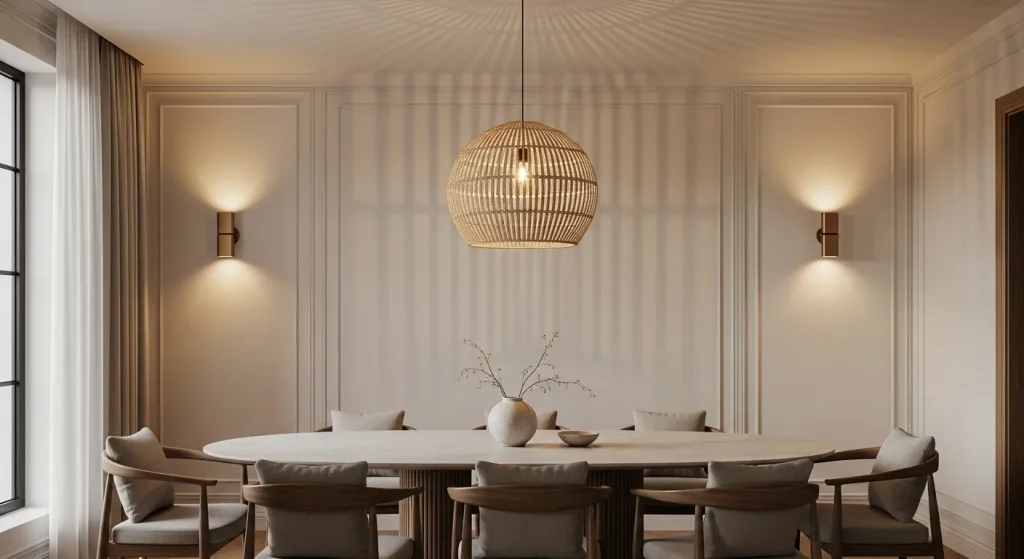
The dining room pendant lamp is one of the most underused opportunities in home decorating. Most people choose a fixture that blends in when the real opportunity is to choose one that quietly commands attention. A large woven rattan pendant, an aged brass clustered globe fixture, or even a simple linen drum shade hung low over the table creates an entirely different atmosphere than a flush mount or recessed lighting ever could. That is why many designers treat the pendant as the most important single purchase in a dining room it defines the quality of light and the feeling of the space more than almost any other element.
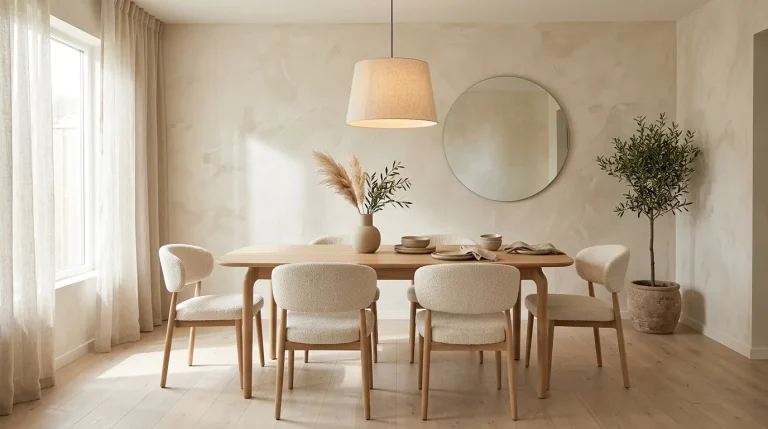
What matters as much as the fixture itself is the hanging height. A pendant dropped too high loses its power entirely and blends into the ceiling. One hung to the correct height low enough that the light pools warmly on the table below becomes the soft, glowing heart of the room. In a cozy elegant dining room, the light over the table should feel like it is creating a private world within the larger space, making everyone seated there feel both seen and sheltered. Pair a warm bulb with a dimmer switch and you have one of the most powerful mood setting tools in any home, at any budget level.
Fresh Flowers, Simply Arranged
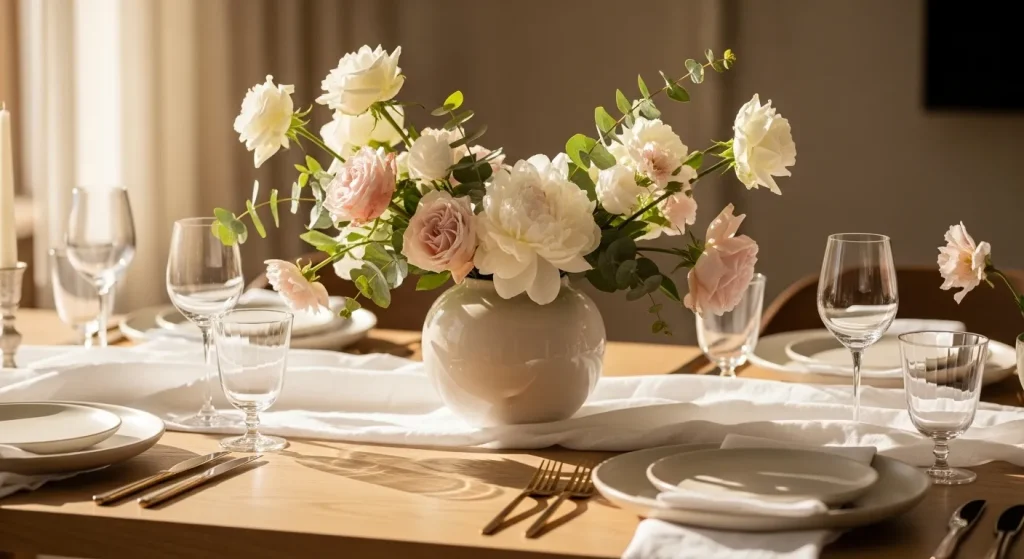
Fresh flowers on a dining table do something that no purchased decor item can fully replicate they bring genuine life into the space. The room breathes differently when there are flowers present, and the mood at the table shifts in a way that is hard to explain but very easy to feel. The most beautiful arrangements are almost always the least structured a generous handful of peonies or garden roses tucked loosely into a ceramic vessel, perhaps with a few sprigs of greenery, placed slightly off-center on the table. In my experience, the moment people stop worrying about arranging perfectly is the moment the flowers look their best.
What truly makes a flower arrangement feel effortless is the vessel as much as the blooms. A simple cream ceramic vase, a vintage glass bottle, an old enamel pitcher these containers give even ordinary grocery store flowers a quality that reads as considered and personal. Keep the color of the flowers within a soft range: whites, creams, blush pinks, and muted lavenders all photograph beautifully and complement the classic neutral dining room style without pulling attention away from the rest of the table. Flowers do not need to be expensive or elaborate to completely transform the feeling of a room from empty to genuinely alive and welcoming.
Sheer Curtain Layers
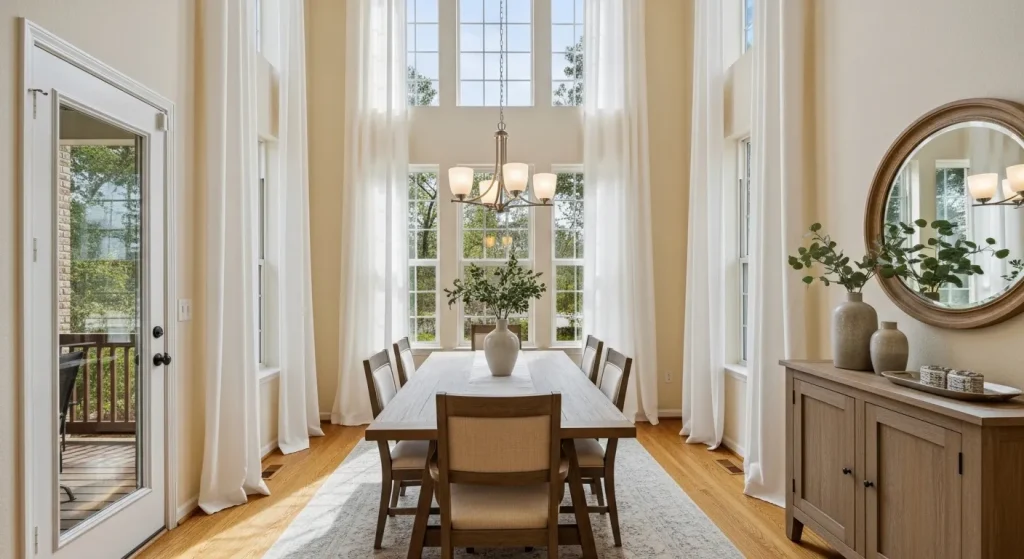
Sheer curtains are one of the most underestimated tools in dining room styling. They filter the quality of light coming into the space turning direct afternoon glare into a soft, golden wash that makes every surface in the room look more beautiful. In a well styled dining space, the light is as important as the furniture, and sheers give you direct control over how that light arrives. Mounting the curtain rod close to the ceiling and choosing a panel length that falls to the floor or pools slightly creates an architectural elegance that makes the entire room feel more considered and refined without significant investment.
If you love this warm, layered look, you can explore more inspiration in 25 Stunning Modern Farmhouse Dining Room Ideas, where similar textures and soft details create an equally inviting atmosphere.
What I have noticed about homes that consistently feel warm and romantic is that almost all of them have fabric at the windows never bare glass, never thick blackout curtains pulled shut. The in between is sheer. That gauzy, translucent quality softens the hard line between inside and outside, makes the room feel protected without feeling closed, and creates a visual romance that is genuinely difficult to achieve any other way. For cozy elegant dining room inspiration, linen or cotton voile sheers in white or natural undyed fabric are the ideal choice they age gracefully, launder well, and only seem to get more beautiful the longer they are hung.
Natural Wood Table
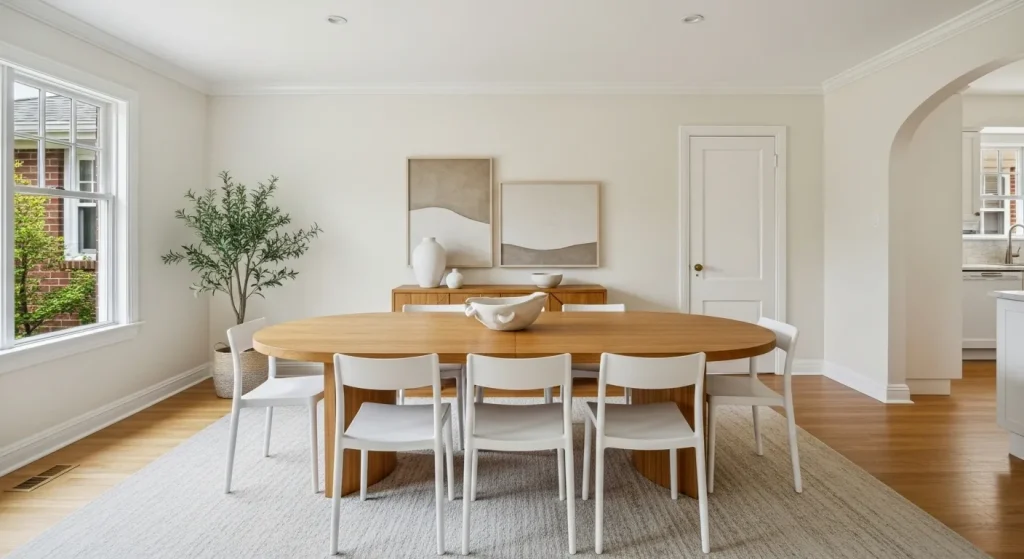
If there is a single piece of furniture that anchors the classic dining room aesthetic more than any other, it is a solid natural wood table. There is nothing quite like the warmth and groundedness that real wood brings to a room the way the grain catches light at different hours of the day, the way the surface develops character with use rather than losing it. A table in honey oak, bleached ash, or warm walnut becomes the heartbeat of the space, the surface around which all other elements gather and from which the entire room draws its cue for color, tone, and mood. That is why so many beautifully designed dining rooms begin and end with the table.
What is worth knowing about choosing a natural wood table is that perfection is not the point. Slight variations in the grain, small knots in the wood, and the gentle softening that comes from years of use are features, not flaws. In my experience, the tables that look most beautiful in dining rooms are the ones that show evidence of real life a small mark here, a worn edge there because they signal a home that is genuinely lived in and loved. An oval shape is particularly versatile, fitting more people than its footprint suggests while eliminating the hard corners that make rectangular tables feel formal. Pair it with mismatched or varied chairs and the result is instantly inviting.
Woven Jute Rug
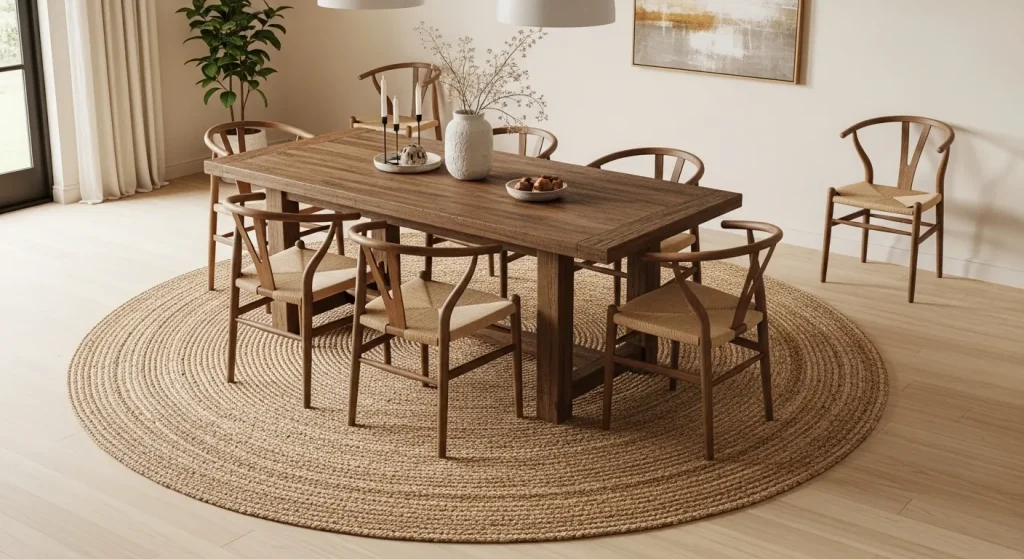
A rug under the dining table is one of those additions that seems minor until it is actually in place and then the difference is immediately clear. Without a rug, even a beautifully furnished dining room can feel slightly unmoored, as if the table is simply sitting in the middle of the floor rather than belonging to a defined space within the room. A large natural jute or seagrass rug solves this problem entirely. It creates a visual foundation for the table and chairs, adds an organic layer of texture that softens hard flooring, and brings the earthy warmth that is so central to the relaxed yet refined aesthetic of classic neutral spaces.
The most common rug mistake in dining rooms is choosing one that is too small. The rule that designers consistently recommend and that I have seen make the biggest immediate difference is to choose a rug large enough that all four chair legs remain on the rug even when pulled back from the table. This ensures the space reads as a complete, cohesive dining area rather than a table sitting awkwardly on a small accent rug. For a natural dining room aesthetic, go for an undyed or lightly natural toned jute, a loosely woven cotton flatweave, or a simple sisal in warm beige. These materials photograph beautifully and age even better with regular use over time.
Vintage Glassware Collection
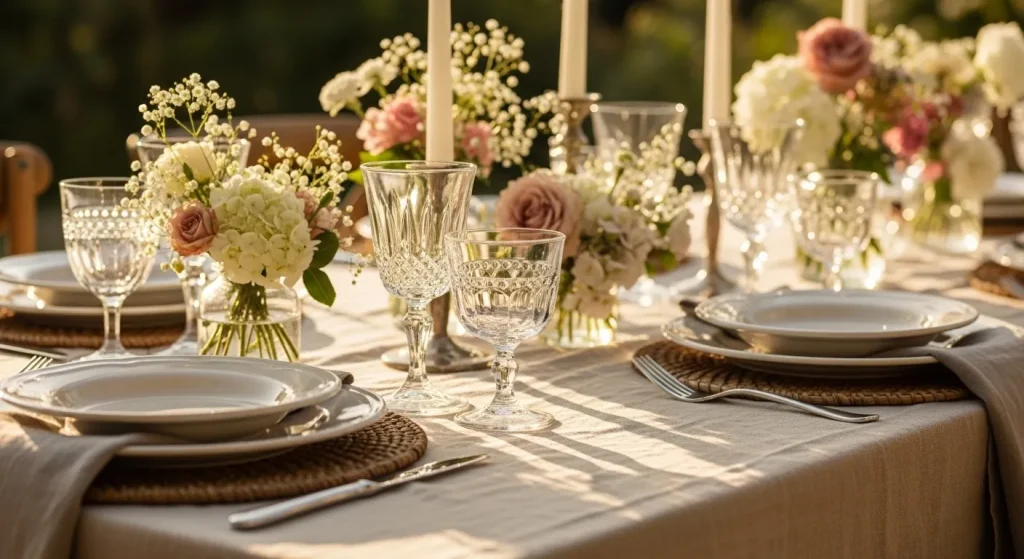
There is something about vintage glassware on a dining table that elevates every meal without any effort. The shapes are often more generous and graceful than their modern equivalents, the glass itself is frequently thicker and more substantial in the hand, and the slight variations in form from piece to piece give the table a sense of individual character that a perfectly matched set simply cannot offer. Light passes through vintage glass differently too it refracts and catches in ways that add a warm, luminous quality to the table setting that is genuinely beautiful to experience during both daytime meals and candlelit evening gatherings.
Building a vintage glassware collection takes almost no budget and very little time if you approach it gradually. Thrift stores, estate sales, and secondhand markets regularly yield beautiful pieces for just a few dollars each. Look for glasses with simple, elegant profiles slender stemmed wine glasses, wide mouthed coupes, simple tumblers with satisfying weight and heft. Keep the color range tight: clear glass with perhaps a few pieces in pale green or amber creates a cohesive collection that works together beautifully on any table setting. I have tried this approach in multiple different table setups and the result always reads as considered, personal, and quietly luxurious regardless of what is being served.
Potted Herb Garden Corner
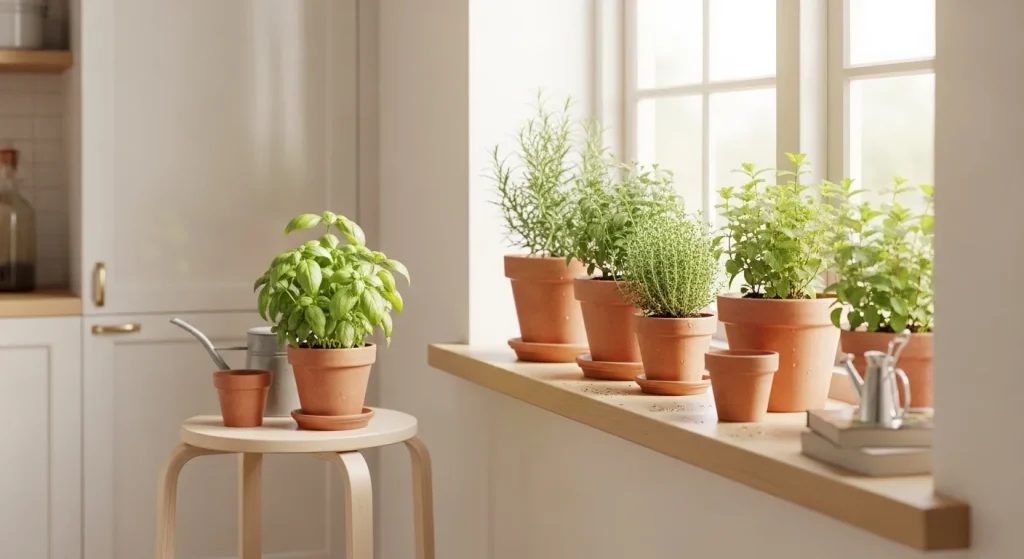
There is something deeply satisfying about having living plants in a dining room, and herbs in particular bring a quality that purely decorative plants do not they are functional, fragrant, and deeply connected to the purpose of the space. A small cluster of terracotta pots on a sunny windowsill or wooden stool near the dining area creates an instant sense of abundance and warmth. Rosemary, thyme, basil, and mint are all relatively easy to grow indoors with a little direct light, and their presence in the room creates a subtle fragrance that makes every meal feel more sensory and grounded in a genuinely lovely way.
What I find most appealing about this idea is that it blurs the line between the dining room and the kitchen in a way that feels natural and inviting rather than disorganized. The room begins to feel like a space that is genuinely connected to the act of cooking and eating together which is what all the best dining rooms ultimately communicate. Terracotta pots in varying sizes, grouped together rather than spread apart, look far more intentional than individual isolated plants. Add a few dried herb bundles hung nearby or a small jar of dried flowers alongside the fresh herbs, and the corner becomes a quietly beautiful sensory vignette that enriches the room every day.
Layered Table Setting
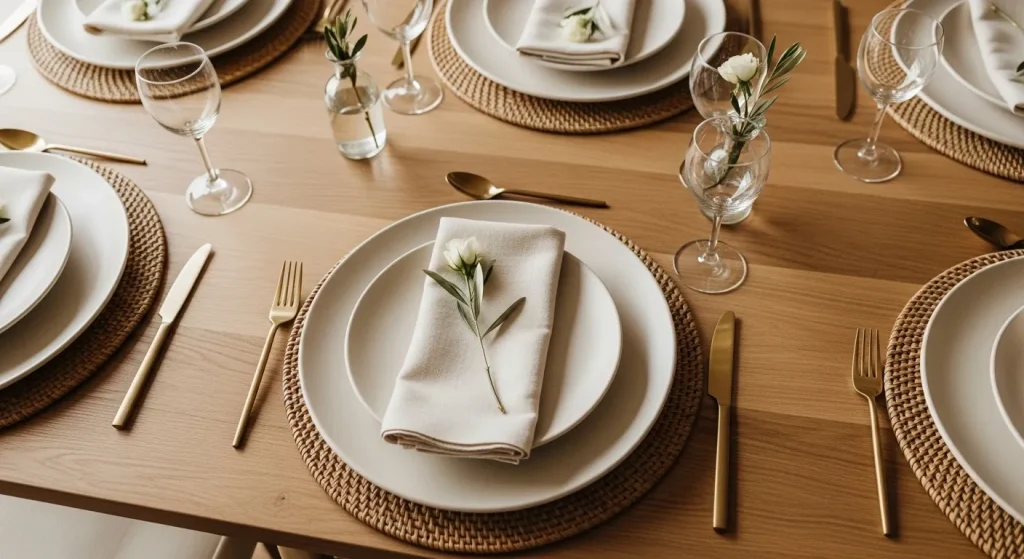
The difference between a dining table that feels beautifully set and one that simply has plates on it is almost always about layering. Each layer adds a dimension of texture, material, or color that builds toward a final result that feels both abundant and considered. Start with a placemat woven, linen, or natural fiber then a ceramic plate in cream or warm white, a loosely folded linen napkin, simple clean cutlery, and a small bud vase at each setting if the table allows it. This sequence takes only minutes to arrange but creates a table that looks as though genuine care has been taken for every person seated at it.
What makes this approach particularly appealing is that every component is individually simple and relatively affordable, yet together they create an effect that feels genuinely elegant and thoughtful. The table itself becomes a central character not just a surface to eat from but a stage for a kind of everyday beauty that makes ordinary meals feel worth celebrating. The goal is not perfection but abundance the sense that someone thought carefully about each person who would sit there and wanted the experience to feel special. Even one or two well chosen layers can transform the most ordinary weeknight dinner into something that feels quietly wonderful and memorable.
Large Framed Botanical Art
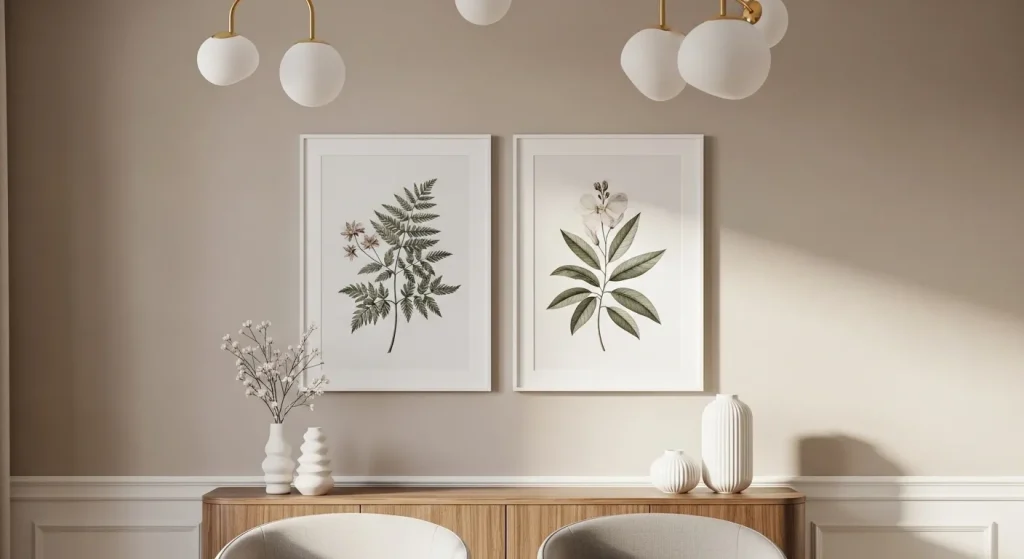
Wall art in a dining room has the ability to define the entire personality of the space when chosen thoughtfully. Large botanical prints particularly those with a hand drawn or watercolor quality bring a softness and organic elegance to dining room walls that abstract or photographic art rarely matches in this particular setting. The combination of natural subject matter, classic drawing style, and generous scale creates a presence on the wall that feels both significant and restrained. They do not shout. They quietly enhance the room in a way that becomes more appreciated the longer they are seen, which is exactly what great dining room art should do.
Simple white or natural wood frames keep botanical prints feeling light and contemporary rather than stiff or dated. A single large print creates a strong focal point, while a matched pair flanking a sideboard or window gives the wall a balanced, architectural quality. I have seen this work particularly well when the botanical subject matter echoes plants or flowers also present in the room a print of eucalyptus on the wall alongside a vase of fresh eucalyptus stems on the table, for example, creates a visual dialogue between the art and the living elements that feels deeply intentional and lovely. This kind of layered cohesion is at the heart of truly well designed spaces.
Wooden Sideboard Styling
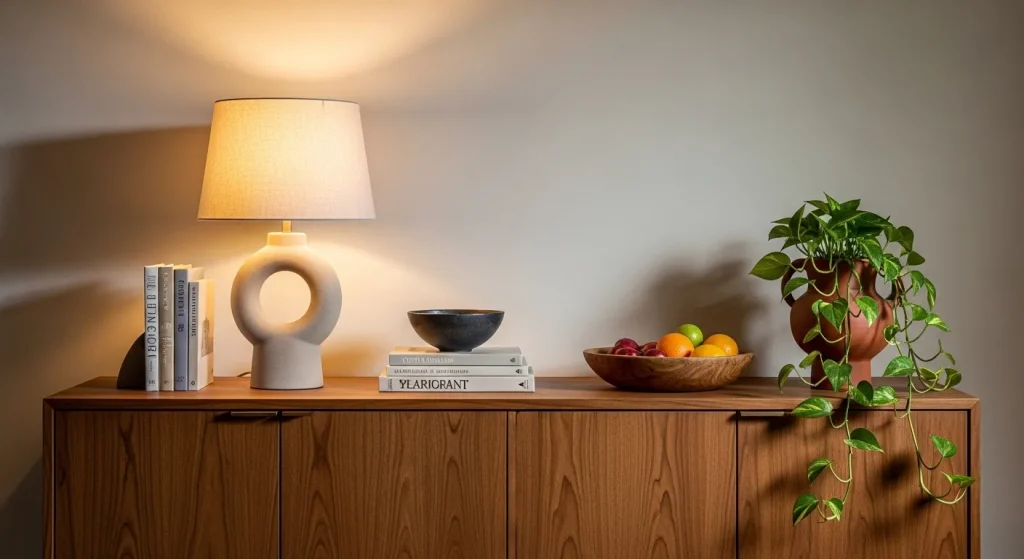
A sideboard against the dining room wall is one of the most quietly powerful pieces of furniture you can add to this space. It provides storage, yes, but its most important function is surface a horizontal plane that invites layered, thoughtful styling and brings a grounded sense of permanence to the room. The most beautiful sideboard arrangements avoid perfect symmetry. Instead they build a quiet visual rhythm through varied heights, textures, and materials a table lamp on one end casting warm light, a stack of well worn cookbooks in the middle, a wooden bowl of seasonal fruit, and a trailing plant bringing organic life to the far end.
What makes sideboard styling feel truly excellent is the inclusion of at least one source of light ideally a small lamp with a warm toned bulb and a simple linen or paper shade. This light creates a secondary source of warmth in the room beyond the overhead fixture, which gives the dining room a layered, curated quality that single source lighting cannot achieve alone.
That is why many designers recommend treating the sideboard lamp as essential rather than optional. Add a few personal objects a small piece of pottery you love, a candle in a beautiful holder, a framed family photograph and the sideboard becomes a genuinely personal and beautiful part of the dining room rather than simply a storage unit with things placed on top.
Soft Ambient Dimmer
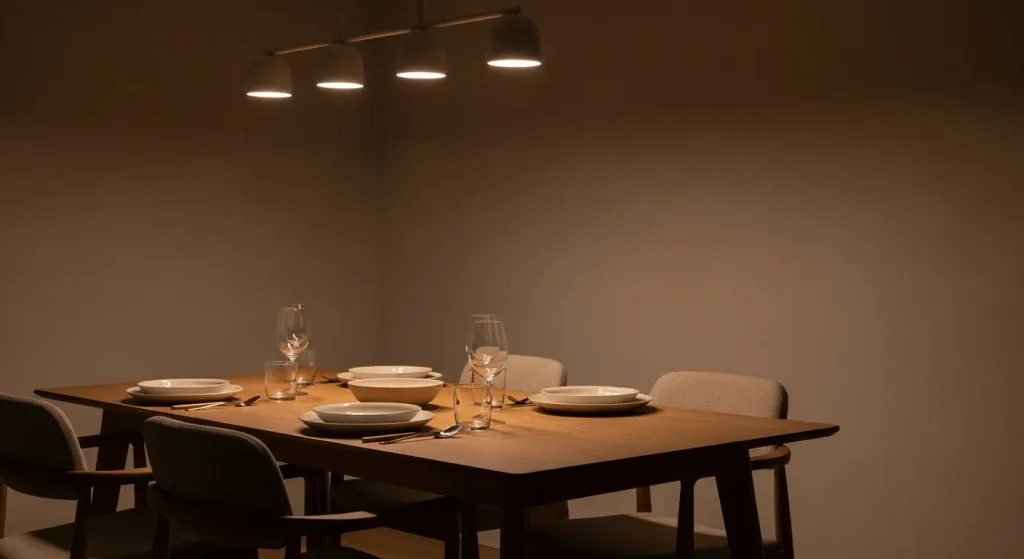
No amount of beautiful furniture, artful table styling, or carefully chosen flowers will save a dining room that is lit at full brightness with a cool white bulb. Light temperature and intensity are the invisible foundations that either support or undermine everything else in the space. Installing a dimmer switch on the dining room overhead fixture a weekend DIY project that typically costs under twenty dollars in hardware is genuinely one of the highest return improvements you can make to any dining room. The difference between full brightness and a well dialed warm glow in the evening is the difference between a functional room and a truly inviting one.
What dimming does is compress the emotional scale of the room. When overhead lights drop and candles on the table take over as the primary light source, the dining room shrinks in the most comfortable way the space contracts warmly around the table, background details recede gently, and the focus narrows to the people and food gathered there. I have tried this in even the most ordinary dining rooms and the transformation is consistently remarkable. Choose bulbs with a color temperature of 2700K or warmer, pair them with a dimmer that offers smooth adjustment at the low end, and the dining room becomes a completely different experience after dark regardless of its size or the quality of its furnishings.
Collected Ceramic Dinnerware
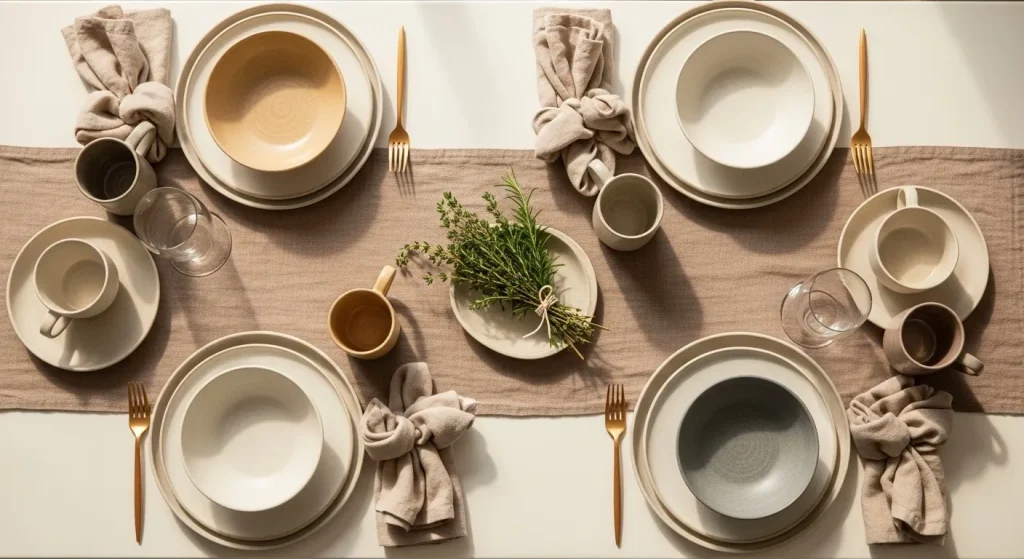
The plates and bowls on a dining table are held, used, and looked at during every single meal which makes them one of the most intimate and personally experienced elements in the entire room. Handmade or artisan ceramic dinnerware brings a quality to the table that even expensive mass-produced sets struggle to match. The slight variations between pieces a small ridge in the clay, a shifting tone in the glaze, a bowl that is not quite perfectly round tell the story of a human hand at work, and that story translates directly into warmth and character at the table. In a dining room that values beauty in the everyday, the quality of what you eat off matters enormously.
Building a ceramic collection gradually starting with a few pieces from an independent maker, adding a secondhand find from a market, slowly replacing older pieces with ones you genuinely love is one of the most rewarding ways to invest in a dining room. The table begins to carry its own quiet story. Stick to a cohesive tonal family: warm whites, soft sage greens, and matte stone grays all sit beautifully together and create a table setting that feels simultaneously simple and abundantly beautiful. This is the final, daily expression of a dining room aesthetic that stands for ordinary life treated with extraordinary care and genuine love for the beauty of small, shared moments around a table.
Wicker Bread Basket Display
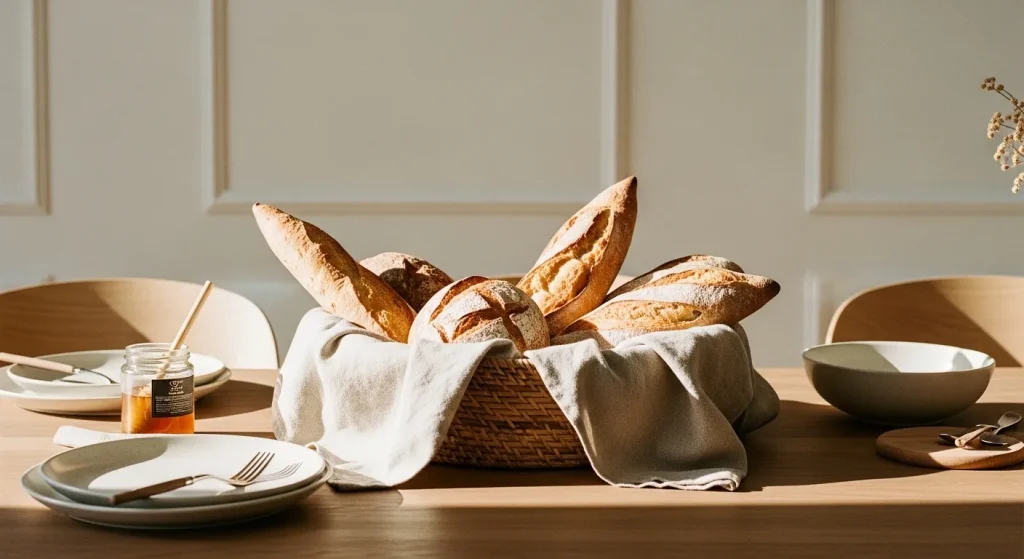
There is a particular quality to a dining table that always looks ready to welcome guests and a wicker basket at the center is one of the simplest ways to create that feeling every single day. When it holds a few crusty bread loaves wrapped loosely in linen, a cluster of seasonal fruit, or even a small collection of gourds in autumn, the table reads as abundant and considered without any elaborate styling required. I have noticed that this kind of everyday display unpretentious, natural, and genuinely useful is one of the defining qualities of homes that feel truly welcoming the moment you walk through the door and sit down.
What makes a wicker basket work so well as a dining table centerpiece is that it belongs to the same material family as so many other elements in a beautifully layered neutral room. Wicker, jute, rattan, linen, and raw wood all share an honest, organic quality that sits together without any tension. Unlike ceramic or glass centerpieces, a basket can be picked up, passed around the table, and used during a meal which makes it feel alive and functional rather than purely decorative. That is exactly the balance that great dining room styling achieves: objects that are beautiful because they are genuinely useful, and useful because they are genuinely beautiful.
Antique Mirror Accent
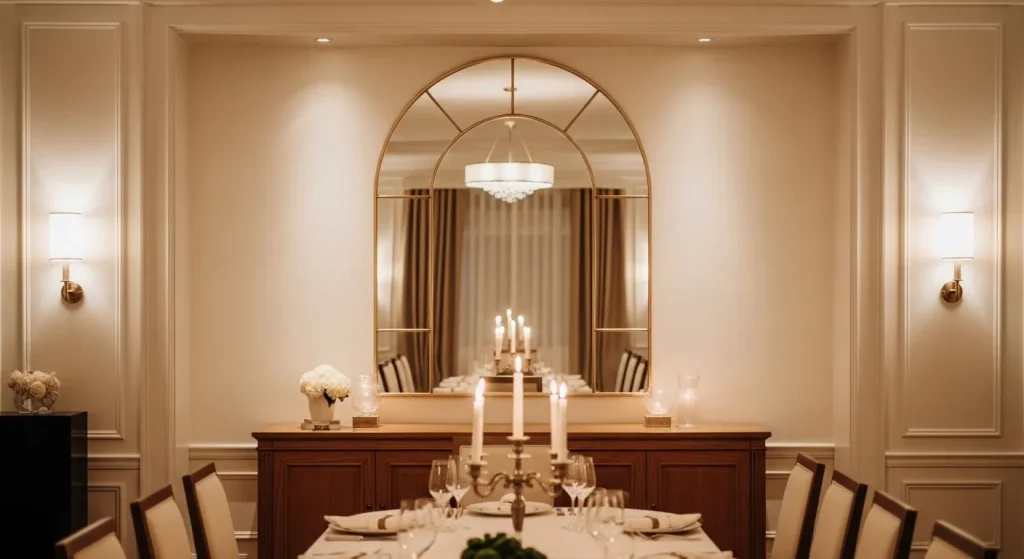
A well-placed mirror in a dining room does something almost magical it doubles the warmth of candlelight, reflects the glow of the pendant lamp, and creates a depth in the room that makes the space feel both larger and more intimate at the same time. An antique or vintage style mirror with an aged gold or bronze frame brings a quiet grandeur to the dining room without the commitment of a bold paint color or a major furniture purchase. Hung above a sideboard or on the wall opposite a window, it becomes one of the most hardworking design elements in the entire room, contributing to every hour of the day in a different and beautiful way.
What sets an antique mirror apart from a plain contemporary one is the quality of its reflection. Aged mirror glass has a slightly smoky, warm quality that softens reflections in a flattering and romantic way particularly beautiful in a candlelit dinner setting. I have seen this work in even the most modest dining rooms, where a single well chosen vintage mirror completely transformed the atmosphere from plain and functional to quietly glamorous and inviting. Look for arched shapes, which feel less formal than rectangular mirrors and echo the organic softness of the rest of the room. Pair with the sideboard styling and botanical art, and the wall becomes a genuinely composed and beautiful space.
Upholstered Bench Seating
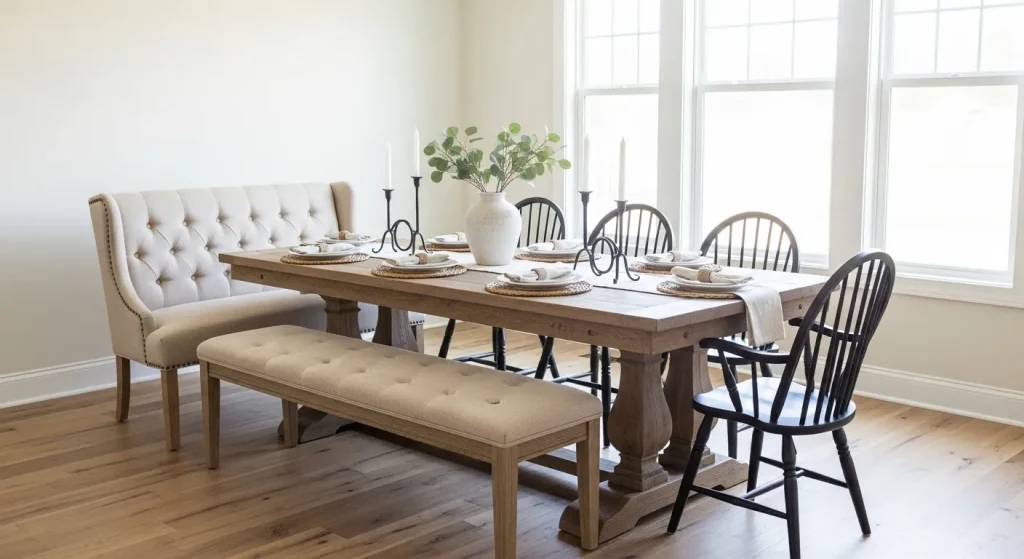
Replacing one side of the dining table’s chairs with a long upholstered bench is one of those changes that seems purely aesthetic until you experience it in person and then you realize it has completely changed how the room feels and functions. A bench covered in soft oatmeal linen or natural cotton invites people to settle in and stay. It communicates ease and generosity rather than formality, and the slight informality of sliding along a bench to make room for another person has a warmth to it that a row of individual chairs simply cannot replicate. It is the kind of seating choice that makes a dinner feel like a gathering rather than a scheduled event.
That is why many designers recommend a bench as one of the first upholstered elements to introduce into a dining room that feels too stiff or formal. The fabric softens the room acoustically as well as visually bench cushioning absorbs sound in a way that wooden chairs do not, which makes conversation at the table feel more intimate and relaxed. Choose a fabric in a neutral, durable weave linen, cotton canvas, or a linen cotton blend and keep the legs in natural wood or a matte painted finish.
Add one or two loose cushions in a complementary texture for extra comfort and visual layering, and the bench becomes one of the most beautiful and loved pieces in the entire dining room.
Cookbook Stack as Decor
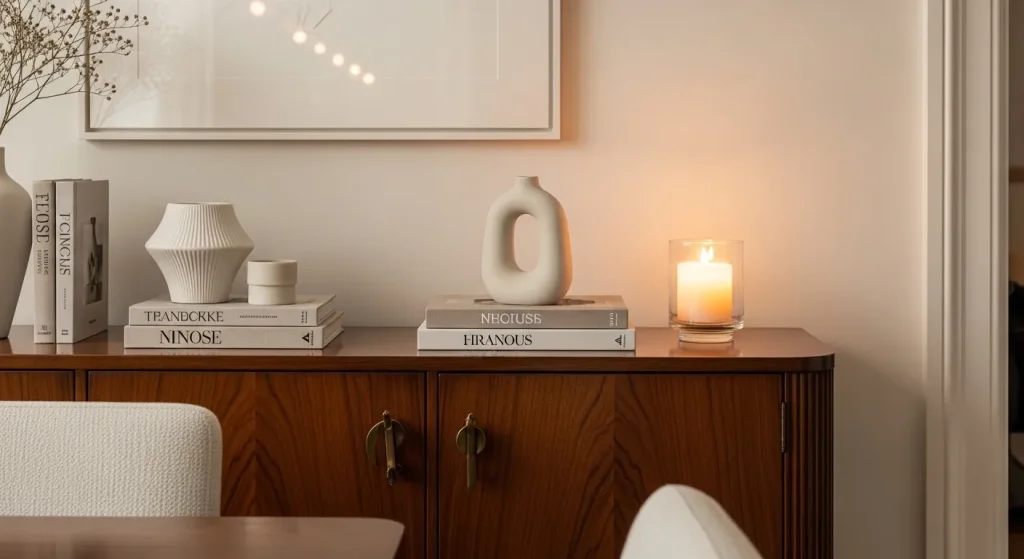
Cookbooks are one of those objects that carry genuine warmth and personality wherever they are placed and in a dining room, they make perfect sense. A small horizontal stack on a sideboard or open shelf, topped with a simple ceramic bowl or a single candle, creates an effortless vignette that feels personal and considered without any elaborate styling required.
The spines of well chosen cookbooks particularly older editions with linen covers, muted typography, and warm earthy tones add texture and subtle color to a neutral room in a way that feels organic rather than decorative. They tell the story of a household that genuinely loves to cook and eat together, which is exactly the story a beautiful dining room should tell.
What I find most appealing about using cookbooks as decor is that they are functional objects being celebrated rather than purely aesthetic ones being displayed. There is an authenticity to that which purely decorative objects often lack. Pull one down during a dinner party to settle a debate about a recipe, or leave a well loved edition open to a beautiful photograph on the sideboard these small gestures reinforce the idea that the dining room is a living, breathing space rather than a staged one. This quality of genuine, easy warmth is at the heart of everything that makes a thoughtfully designed dining space feel truly memorable and it is available to every home at any budget, starting today.
CONCLUSION:
Creating a nancy meyers dining room is not about perfection it is about warmth, intention, and the belief that everyday meals deserve to feel beautiful. Every idea in this article is achievable without a renovation, a large budget, or a design degree. Start with one change: a set of taper candles, a linen runner, a pendant light hung a little lower. I have seen how small changes like these can completely transform a space. Save this post on Pinterest, try one idea this week, and share it with someone who deserves a more beautiful dining table. Your warmest, most inviting room is closer than you think.
Clara Whitmore
Clara specializes in interior styling, seasonal home trends, and cozy living spaces. She loves combining classic design elements with modern touches to create homes that feel personal, welcoming, and effortlessly stylish.