Kids Room Ideas That Make Small Spaces Feel Magical

Introduction:
kids room ideas can completely change how a small bedroom looks, feels, and functions. If you’ve ever struggled with cluttered toys, limited space, or a room that feels too cramped, you’re not alone. Many parents face the same challenge of creating a space that is both practical and magical for their children.
In this guide, you’ll discover simple yet powerful design ideas that make small rooms feel open, organized, and full of personality. From cozy reading corners to clever storage tricks, each idea is designed to bring calm, creativity, and joy into everyday living. In my experience, even the smallest changes—like better storage or soft lighting—can instantly transform how a room feels and how a child interacts with it.
1.Soft Pastel Zones
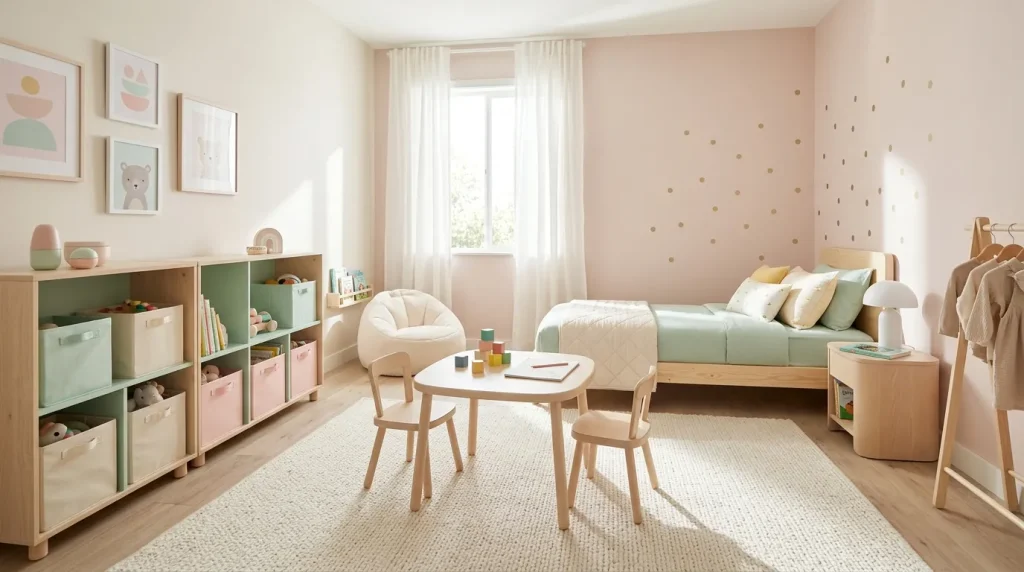
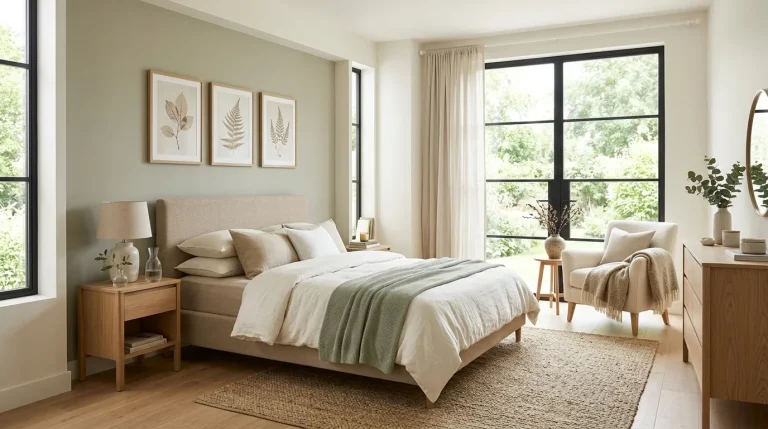
A soft pastel palette completely transforms tight bedrooms into airy, peaceful retreats where children feel calm and relaxed. In many room kids ideas, pastel tones are used because they visually expand the space and reduce cluttered feelings. I’ve noticed that even small rooms feel noticeably larger when walls and furniture follow soft blush, mint, or cream shades, especially under natural daylight. The simplicity also makes it easier to keep the room visually organized without overwhelming patterns or bold contrasts.
This idea works beautifully in real homes because it balances color and calmness at the same time. When light reflects off soft-toned walls, the room feels more open and breathable, which is essential for compact spaces. Many designers recommend pastel zoning because it subtly defines areas without physical partitions. I’ve seen this work especially well in shared kids bedrooms where visual calmness helps maintain harmony and reduces sensory overload for children.
2. Loft Bed Setup
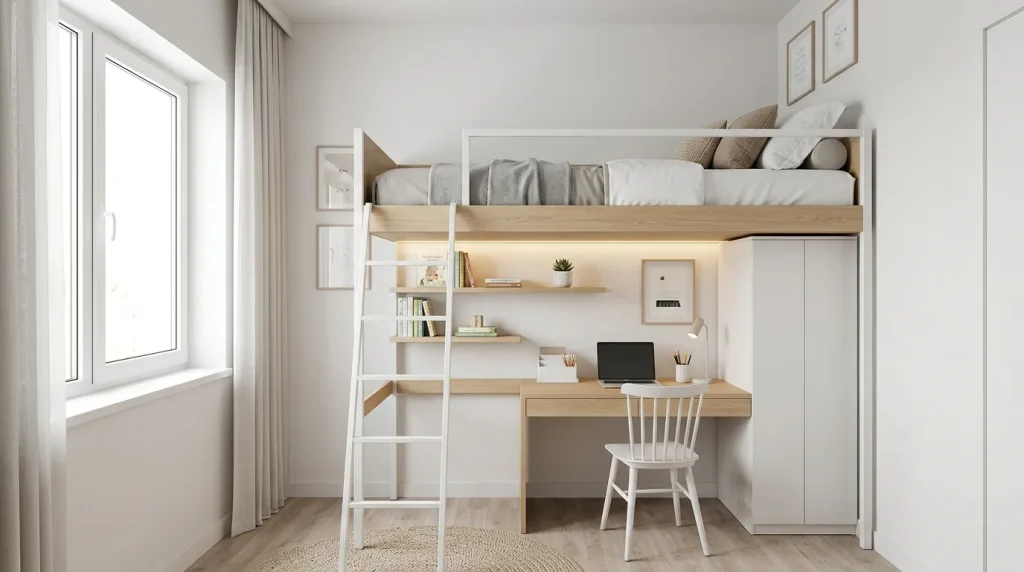
A loft bed is one of the smartest space-saving tricks in compact bedrooms, especially when exploring kid room ideas for small homes. It instantly frees up floor space while adding a playful, elevated sleeping zone children love. I’ve seen many small rooms completely transformed just by switching to a loft layout, where the lower area becomes a study desk, reading corner, or storage hub without feeling cramped or crowded.
This setup works so well because it uses vertical space instead of horizontal space. That shift alone can make a tiny bedroom feel twice as functional. Designers often recommend loft beds for growing kids because the layout adapts easily as needs change. In my experience, parents also love how organized the room stays, since everything naturally fits into defined zones without extra furniture blocking movement.
3. Wall Reading Nook
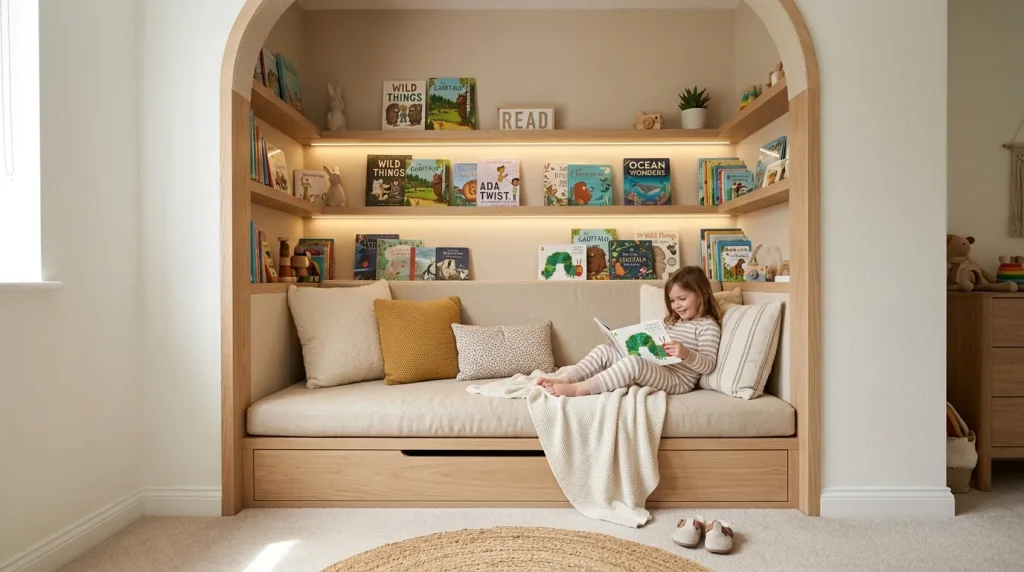
A wall reading nook is a magical way to turn empty corners into meaningful spaces, especially in kids rooms idea designed for compact homes. It creates a soft, inviting corner where children naturally want to sit, read, or relax. I’ve noticed that even reluctant readers become more engaged when books are displayed within reach in a cozy, built-in seating area with soft lighting and cushions.
This idea works because it blends comfort with accessibility. Instead of scattered books, everything is organized visually, making the room feel more intentional and calm. Designers often highlight reading nooks as emotional anchors in kids’ rooms because they create a sense of safety and quiet focus. I’ve seen this setup help children develop stronger reading habits simply because the space feels like their own little escape corner.
4. Floating Shelves Wall
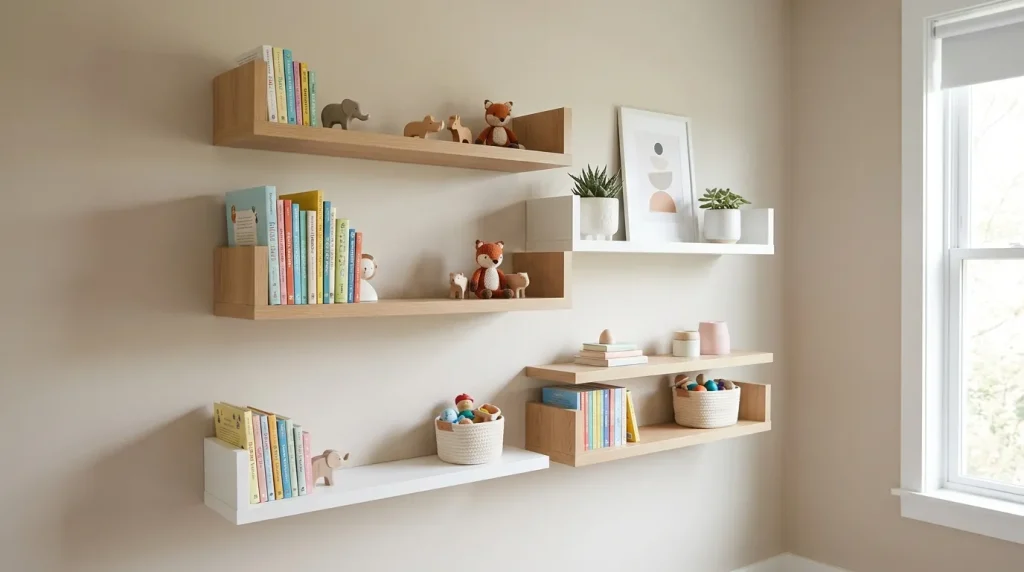
Floating shelves are a simple yet powerful upgrade when exploring smart kids rooms idea for small spaces. They turn empty walls into functional storage while keeping the floor completely open. I’ve noticed that even the smallest bedrooms feel more spacious when items are lifted off the ground and arranged neatly on wall-mounted shelves instead of bulky furniture.
This idea works especially well because it combines practicality with decoration. Instead of hiding toys, books, or collectibles, you display them in a clean, curated way. Designers often recommend floating shelves for compact rooms because they create visual order without overcrowding. In real homes, I’ve seen this approach reduce clutter instantly while still keeping everything accessible and visually pleasing for kids.
5. Canopy Sleep Corner
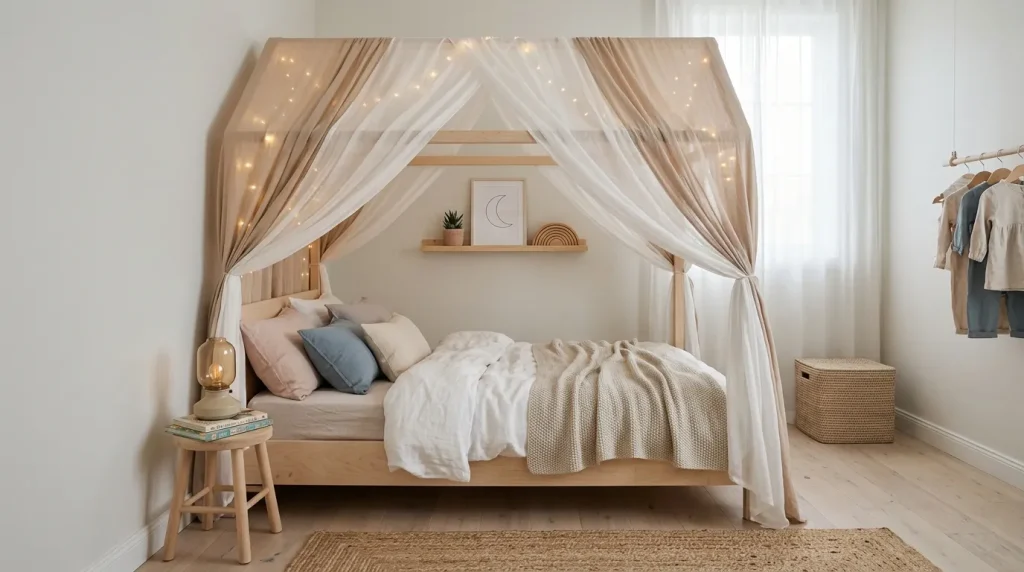
A canopy sleep corner instantly adds a sense of magic and comfort, making it one of the most loved kids rooms idea for creating emotional warmth in small spaces. It transforms a simple bed into a cozy retreat that feels safe and imaginative. I’ve seen how children naturally gravitate toward canopy setups because they feel enclosed yet comforting, almost like a tiny personal hideaway.
This idea works well because it adds vertical softness without taking any extra floor space. Designers often use light fabrics to maintain openness while still creating a defined sleeping zone. In many real homes, I’ve noticed canopy corners also help children sleep better because the space feels calmer and more enclosed, reducing distractions while keeping the room visually light and breathable.
6. Under-Bed Storage
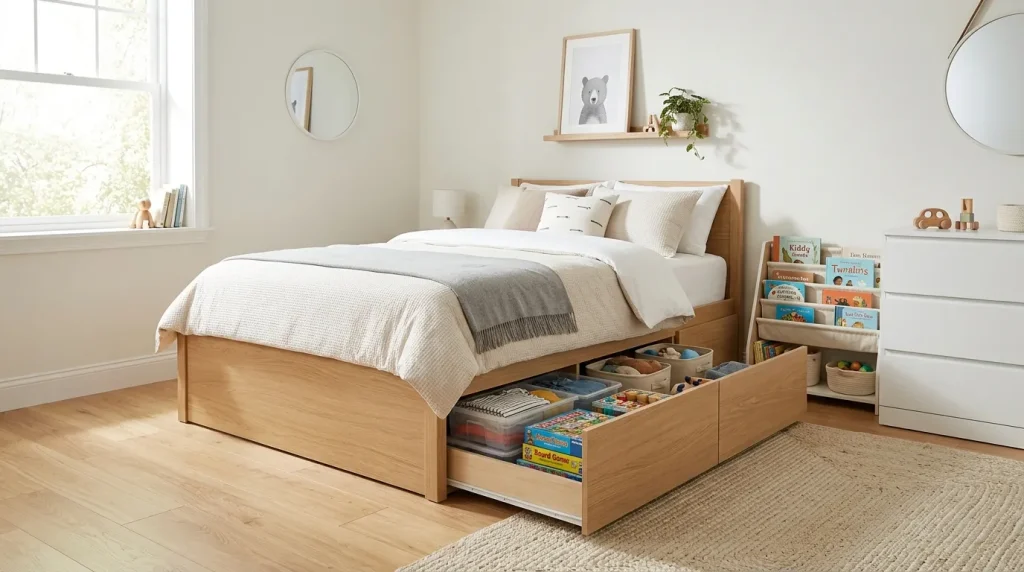
Under-bed storage is one of the most practical solutions in compact kids rooms idea, especially when space is limited but storage needs are high. It uses the unused area beneath the bed to hide clutter in a smart and accessible way. I’ve noticed that rooms instantly feel cleaner when everyday items are stored out of sight but still easy for kids to reach when needed.
This setup works because it removes visual noise while increasing functionality at the same time. Designers often recommend drawer-style or rolling storage boxes to keep everything organized without effort. In real homes, I’ve seen parents appreciate how quickly rooms stay tidy since everything has a designated hidden space, making daily cleanup easier and less stressful for both kids and adults.
7. Mini Study Corner
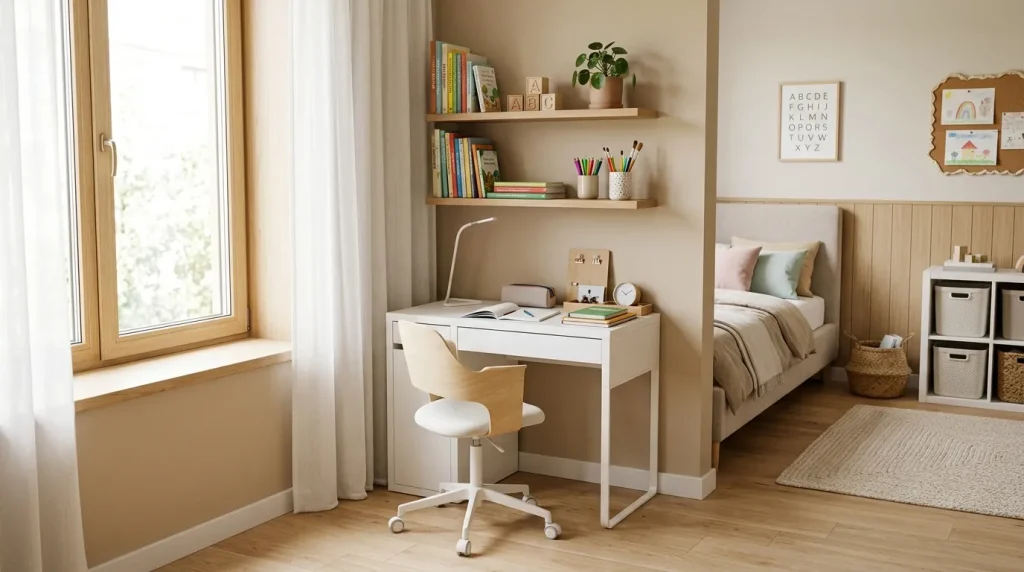
A mini study corner is one of the most functional kids room idea for small bedrooms because it creates a focused learning space without taking over the room. Even a tiny corner can become a productive zone when styled with a simple desk and good lighting. I’ve noticed that kids tend to concentrate better when their study area feels separate from play and sleep spaces, even if the separation is just visual. Similar space-planning techniques are often used in modern entryway designs where compact zones are styled to feel both organized and visually open.
This idea works well because it introduces structure into compact rooms. Designers often recommend placing study corners near natural light to improve comfort and focus. In real homes, I’ve seen how a clean, minimal desk setup reduces distractions and encourages better study habits. The key is keeping it simple, organized, and visually calm so it doesn’t overwhelm the overall room design. Many of the same styling tricks featured in Modern Entryway Ideas With Easy Designer Touches also help smaller bedrooms feel more functional without adding visual clutter.
8. Wall Sticker Themes
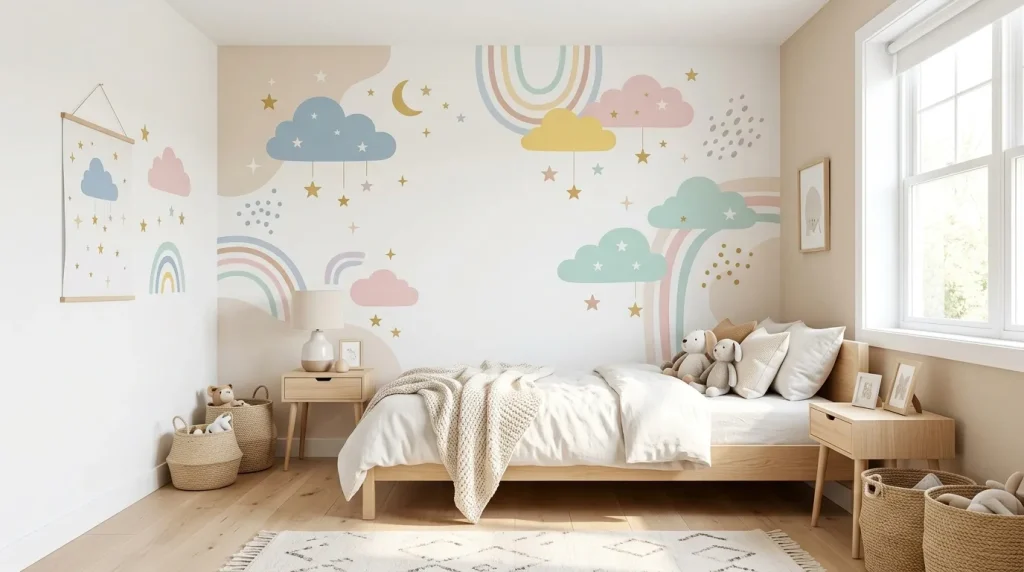
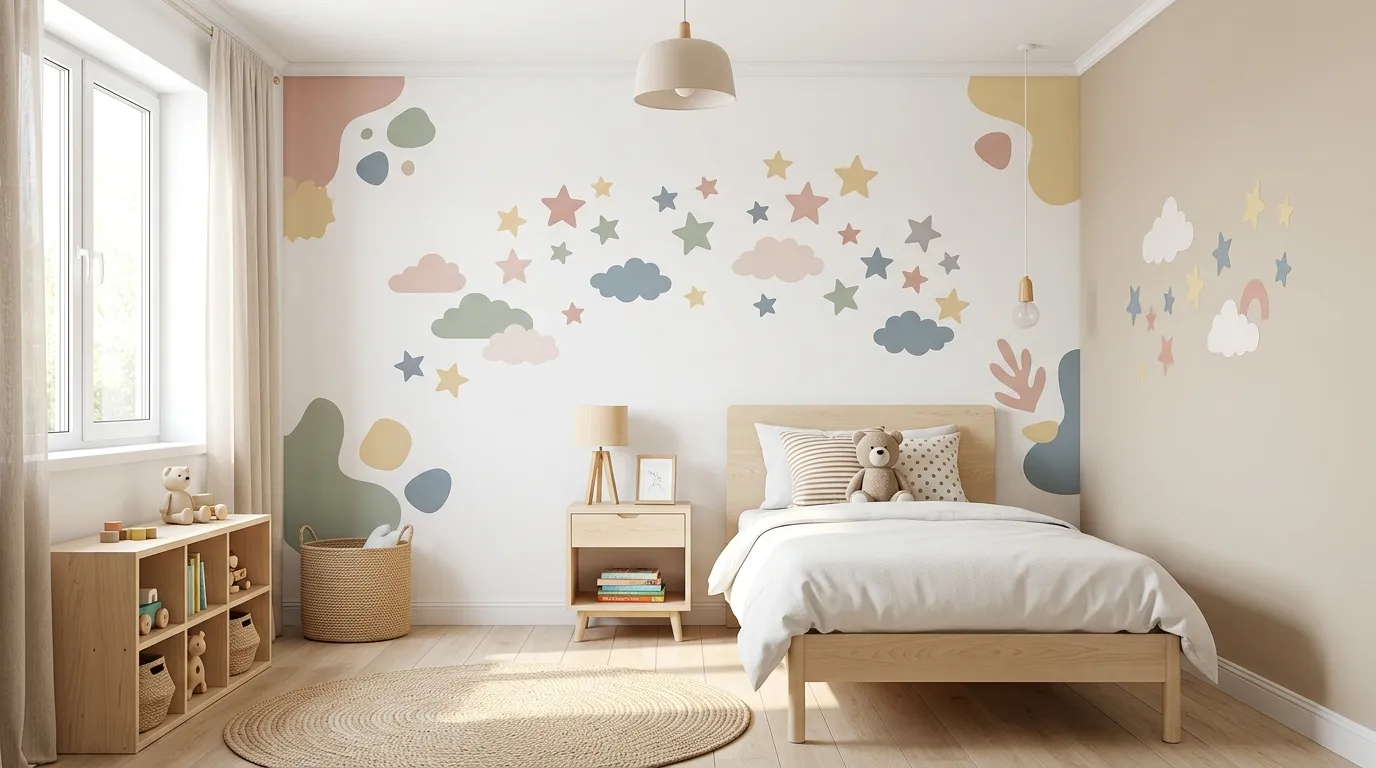
Wall stickers are a simple and creative way to transform plain walls into playful storytelling spaces, especially in kids room ideas for compact bedrooms. They instantly add charm without the need for paint, heavy decor, or permanent changes. I’ve seen how even a few well-placed stars or shapes can completely shift the mood of a room, making it feel more imaginative and child-friendly.
This idea works because it offers flexibility and visual excitement at the same time. Designers often recommend soft, minimal sticker themes instead of overly busy designs to avoid visual clutter. In real homes, I’ve noticed that kids enjoy personalizing their space more when they can rearrange or add stickers easily, which keeps the room feeling fresh and evolving as they grow.
9. Toy Basket Corner
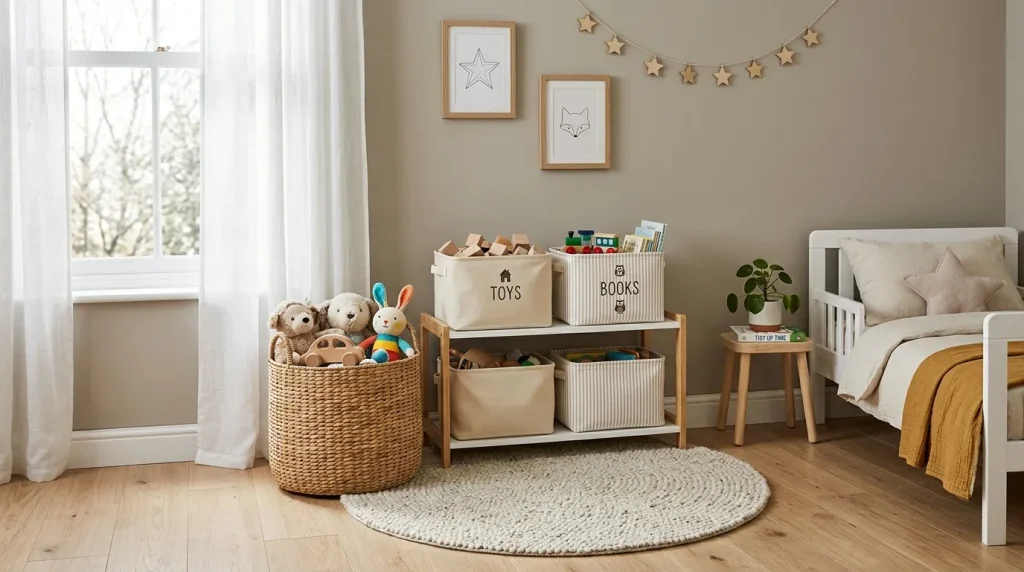
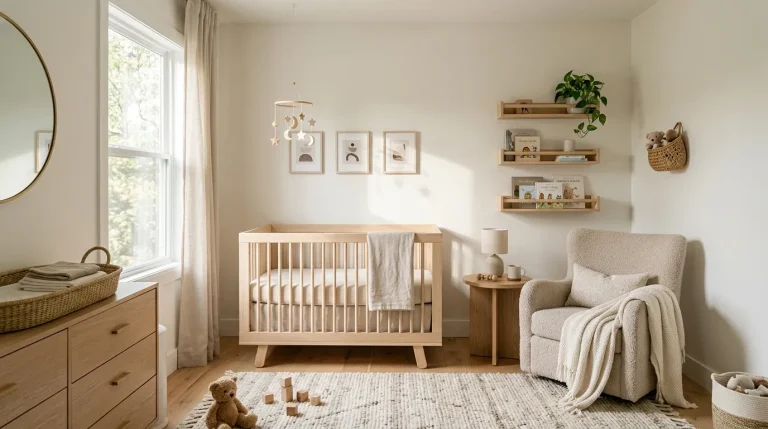
A toy basket corner is one of the most practical and visually calming kids room ideas for maintaining order in small spaces. Instead of scattered toys, everything is gathered into soft baskets that blend beautifully with the room decor. I’ve noticed that when storage looks attractive and easy to use, kids are more likely to actually put things back after playing.
This idea works because it combines simplicity with function. Designers often suggest using natural woven baskets or soft fabric bins to reduce visual heaviness in small rooms. In real homes, I’ve seen this setup make daily cleanup faster and less stressful since everything has a clear, designated place. It also keeps the room looking tidy even during active playtime.
Conclusion:
Small rooms don’t have to feel limiting when you use the right kids room ideas. With thoughtful design choices like smart storage, cozy corners, and playful decor, any space can become both functional and magical. The real transformation happens when simplicity meets creativity, making the room easier to use and more enjoyable for kids every day. I’ve seen how even small updates can completely refresh a space and improve daily routines. Save these ideas on Pinterest, try a few in your own home, and share them with others who want to create beautiful, organized kids’ spaces with ease and inspiration.
Clara Whitmore
Clara specializes in interior styling, seasonal home trends, and cozy living spaces. She loves combining classic design elements with modern touches to create homes that feel personal, welcoming, and effortlessly stylish.