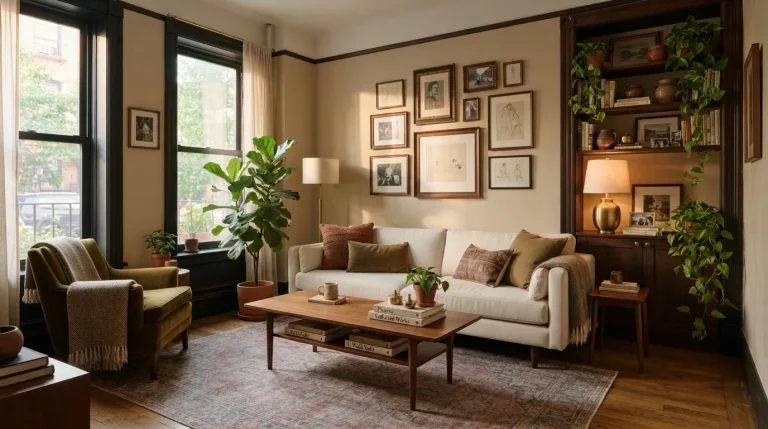
Best Furniture for Small Apartments With 22 Clever Space-Saving Picks

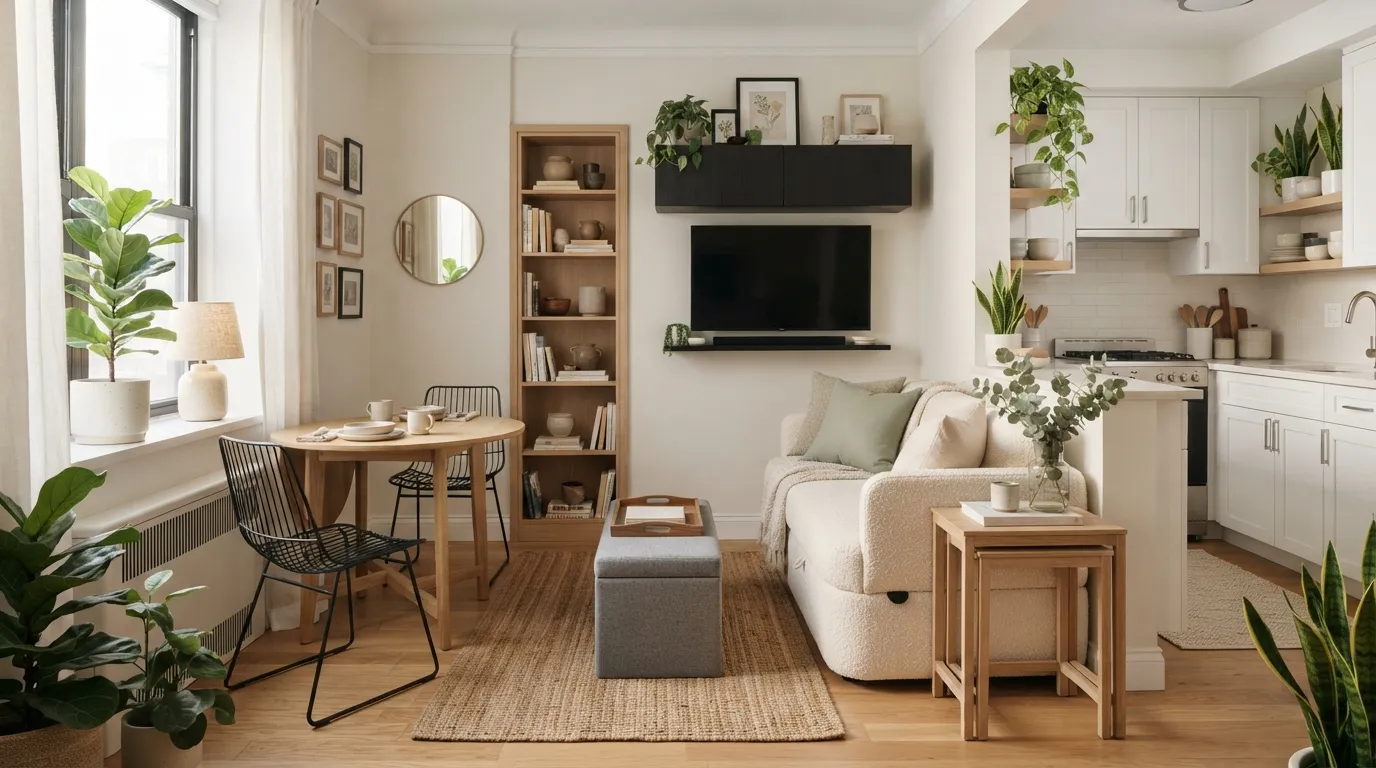
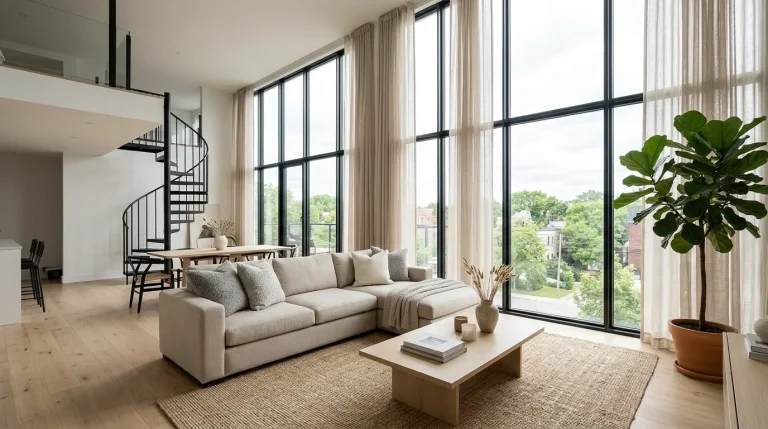
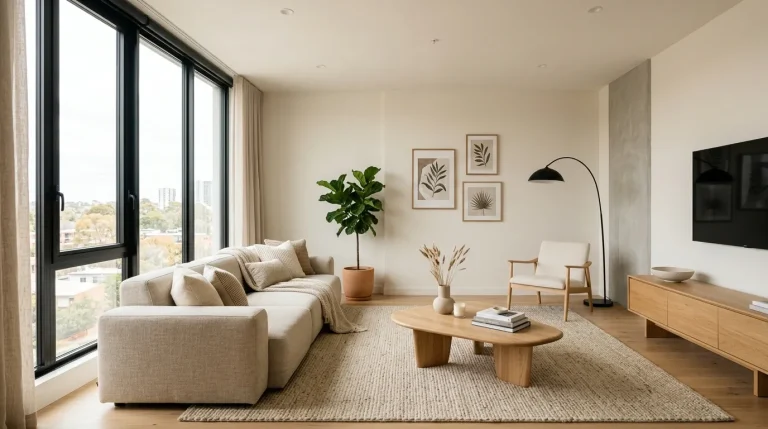
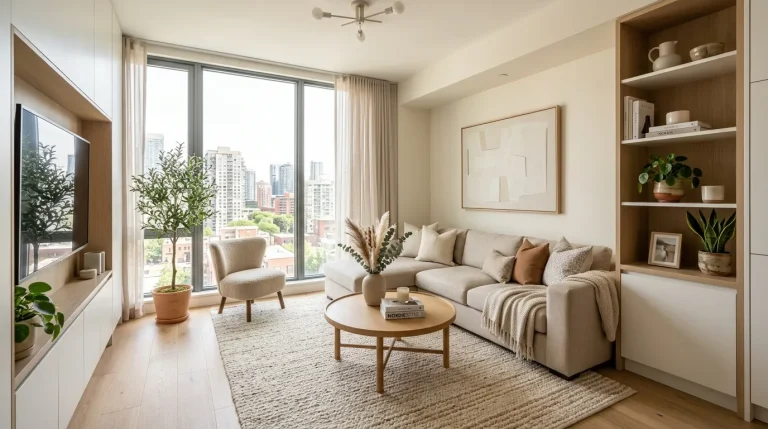
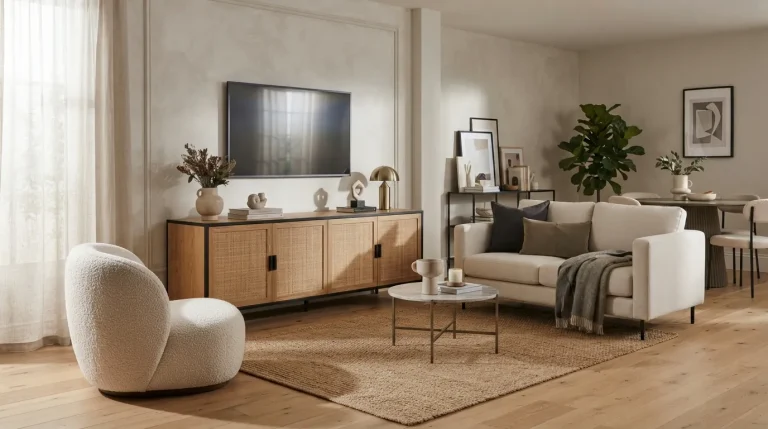
Small apartments can feel cramped fast, especially when every chair, table, and cabinet takes up valuable floor space. The best furniture for small apartments works harder by giving you useful storage, flexible layouts, or more than one purpose without making the room feel packed. Think lift-top tables, slim sofas, nesting pieces, storage beds, and wall-mounted designs that leave breathing room around them.
The trick is to choose pieces based on how you actually live. A dining table that folds away can free the floor after dinner, while an ottoman with hidden storage can replace both a footstool and a bulky basket. These clever furniture picks can help your apartment feel calmer, more open, and much easier to keep organized.
Storage Sofa With Style
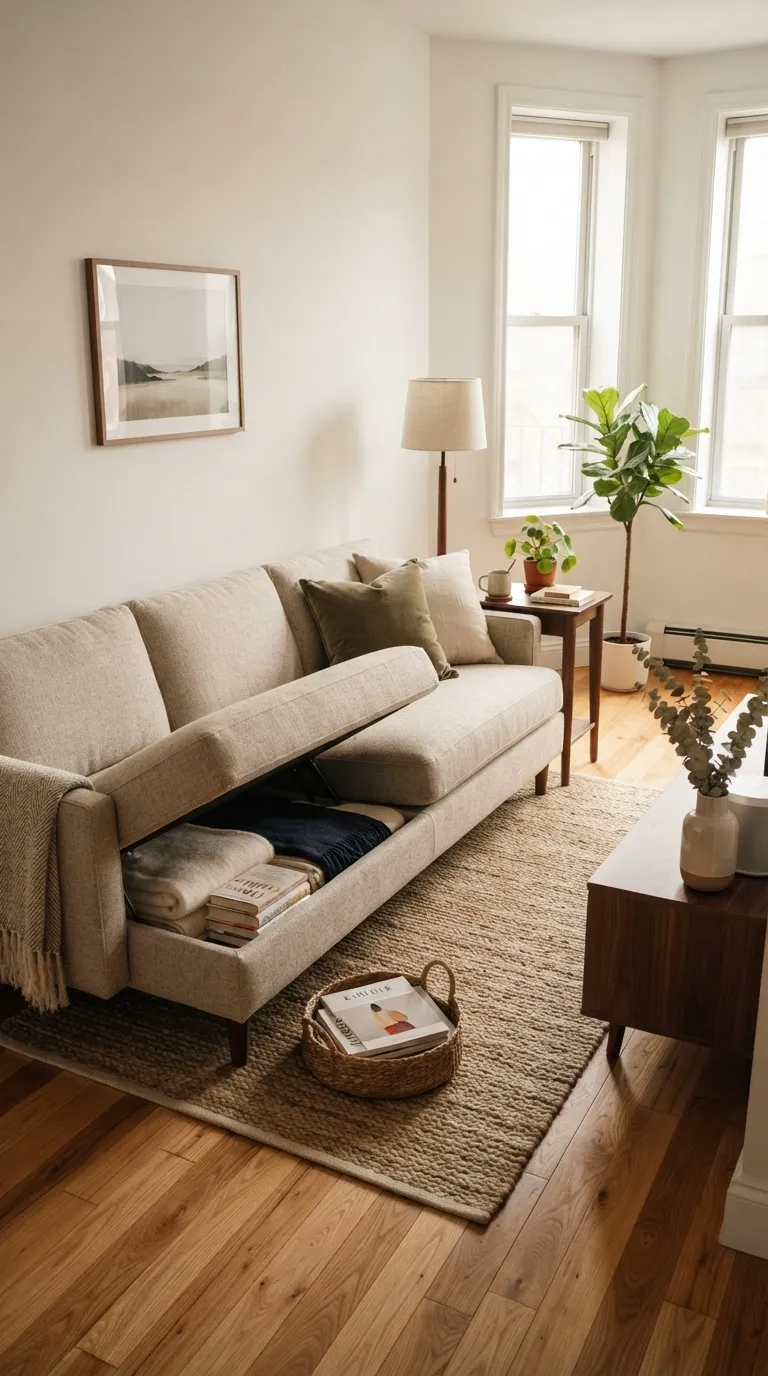
A storage sofa gives you a comfortable place to sit without adding another cabinet to the room. Look for lift-up seats or built-in compartments that can hold blankets, board games, seasonal pillows, or items you don’t need every day.
Choose a sofa with a clean profile and raised legs if your room feels tight. The visible floor beneath it creates a lighter look, while hidden storage keeps loose items out of sight. For a studio apartment, this one piece can solve both seating and storage needs.
Nesting Tables That Tuck Away
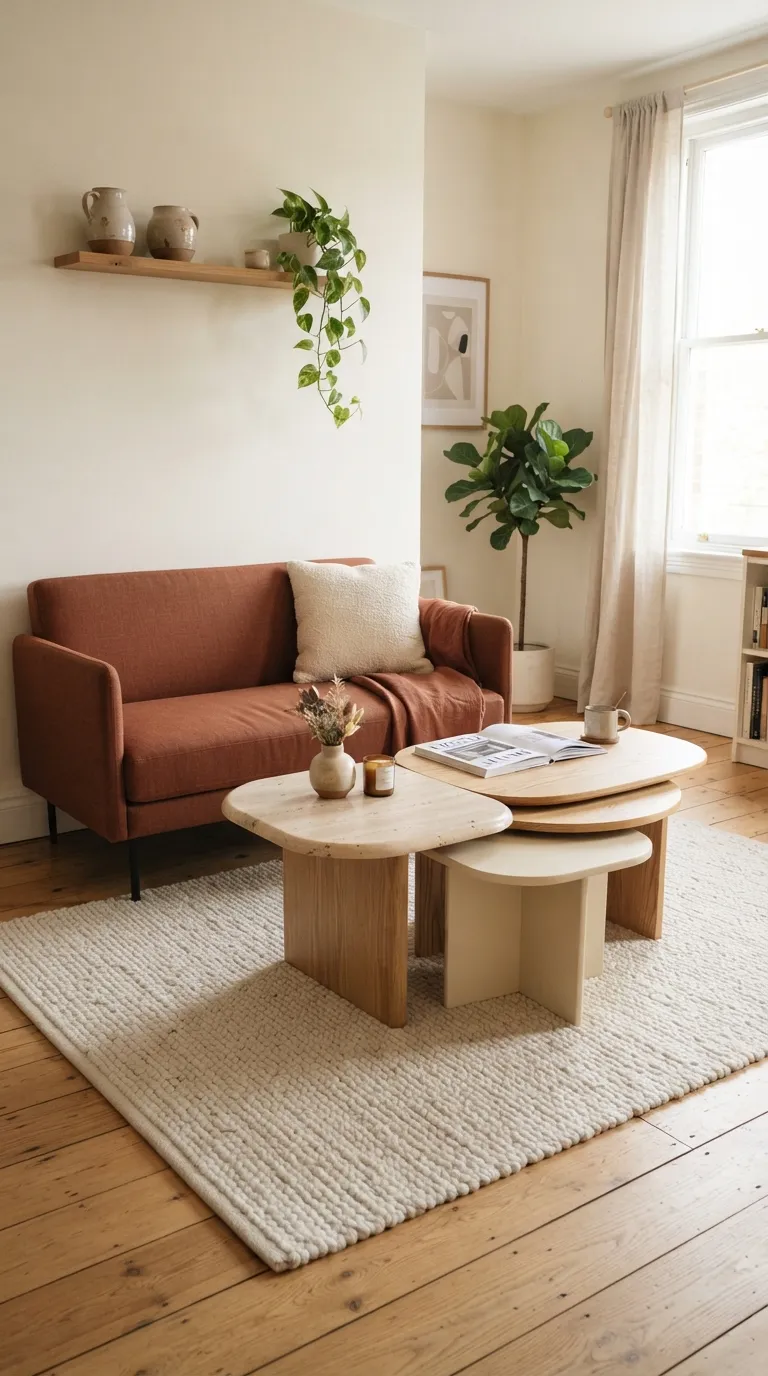
Nesting tables earn their place because you can spread them out when guests arrive and tuck them together when you need more floor space. This makes them especially useful when a traditional large coffee table would leave too little room for movement.
Choose tables with staggered heights and legs that slide fully underneath each other. Rounded corners also make sense in narrow rooms because they create fewer sharp edges along busy walking paths. A mixed-material set can add visual interest without requiring extra decor.
Lift-Top Coffee Table
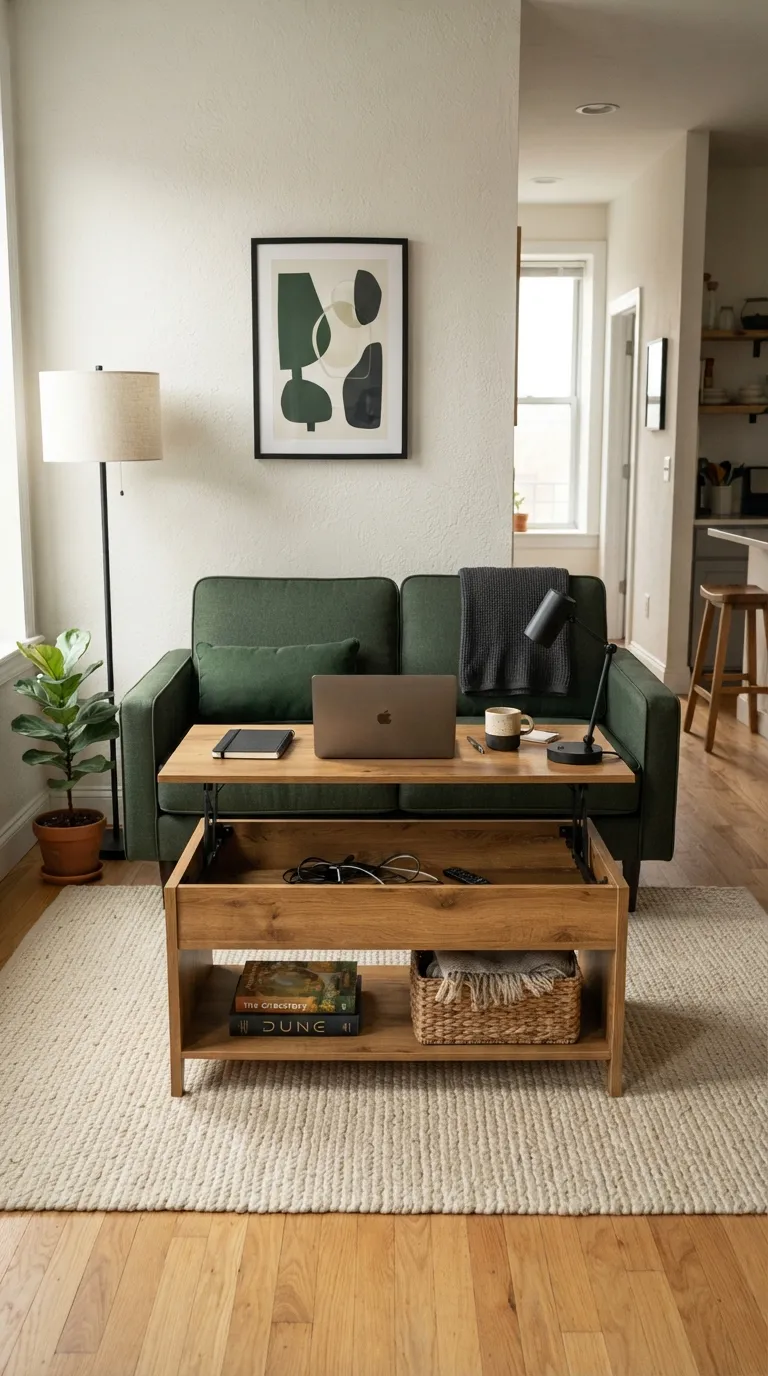
A lift-top coffee table can turn a lounge into a casual workspace without adding a separate desk. The raised surface brings your laptop closer to a comfortable working height, while the space below can store chargers, notebooks, and small everyday supplies.
This design suits apartments where the living room has to handle several jobs. Keep the tabletop fairly clear so the lifting mechanism stays easy to use. A model with a lower shelf gives you another spot for baskets, books, or a small tray without taking additional floor area.
Fold-Down Dining Table
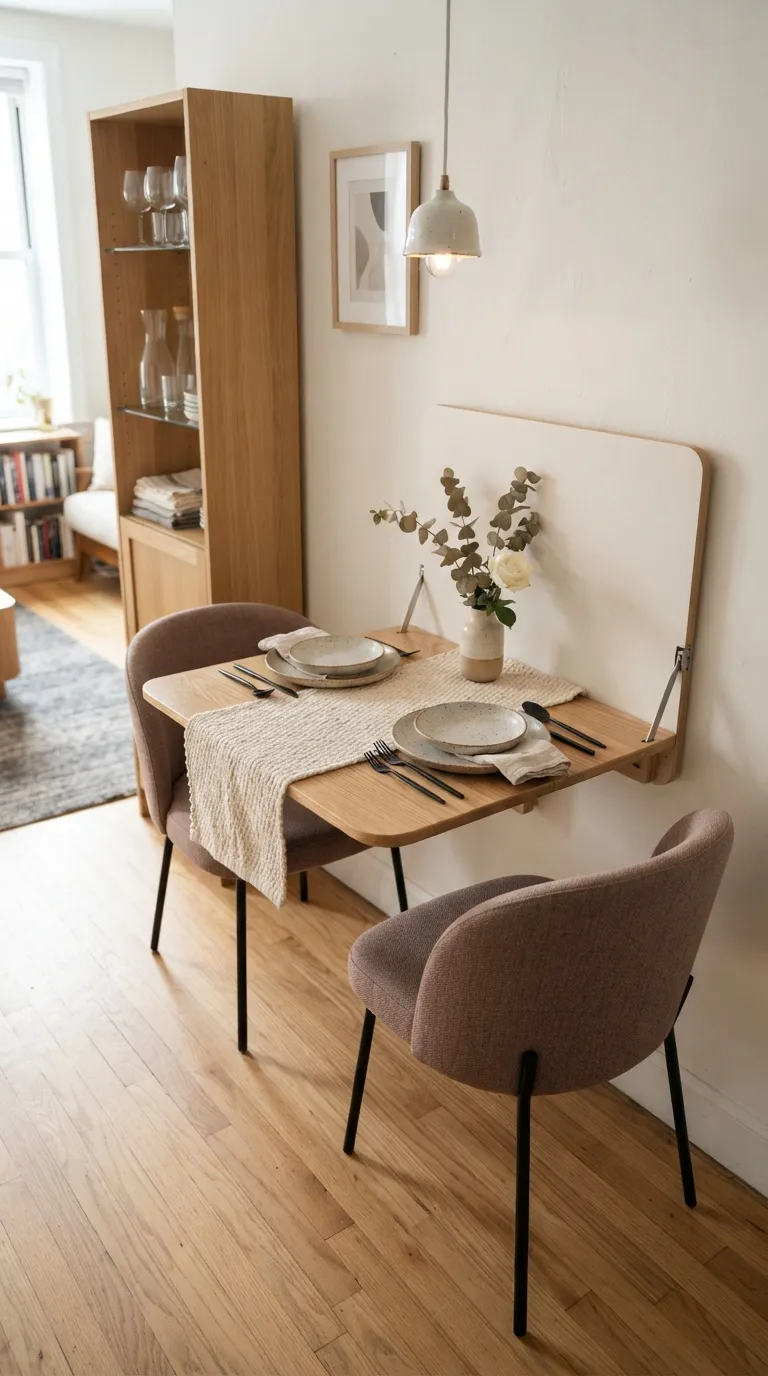
A fold-down dining table gives you a proper place to eat without keeping a full-size table in the room all day. When folded flat, it leaves more open floor for cooking, working, or simply moving around your apartment.
Look for a design with sturdy wall hardware and a tabletop deep enough for everyday plates and glasses. Two slim chairs can tuck underneath when the table is in use, while folding chairs can hang on nearby wall hooks when you need even more space.
Ottoman With Hidden Storage
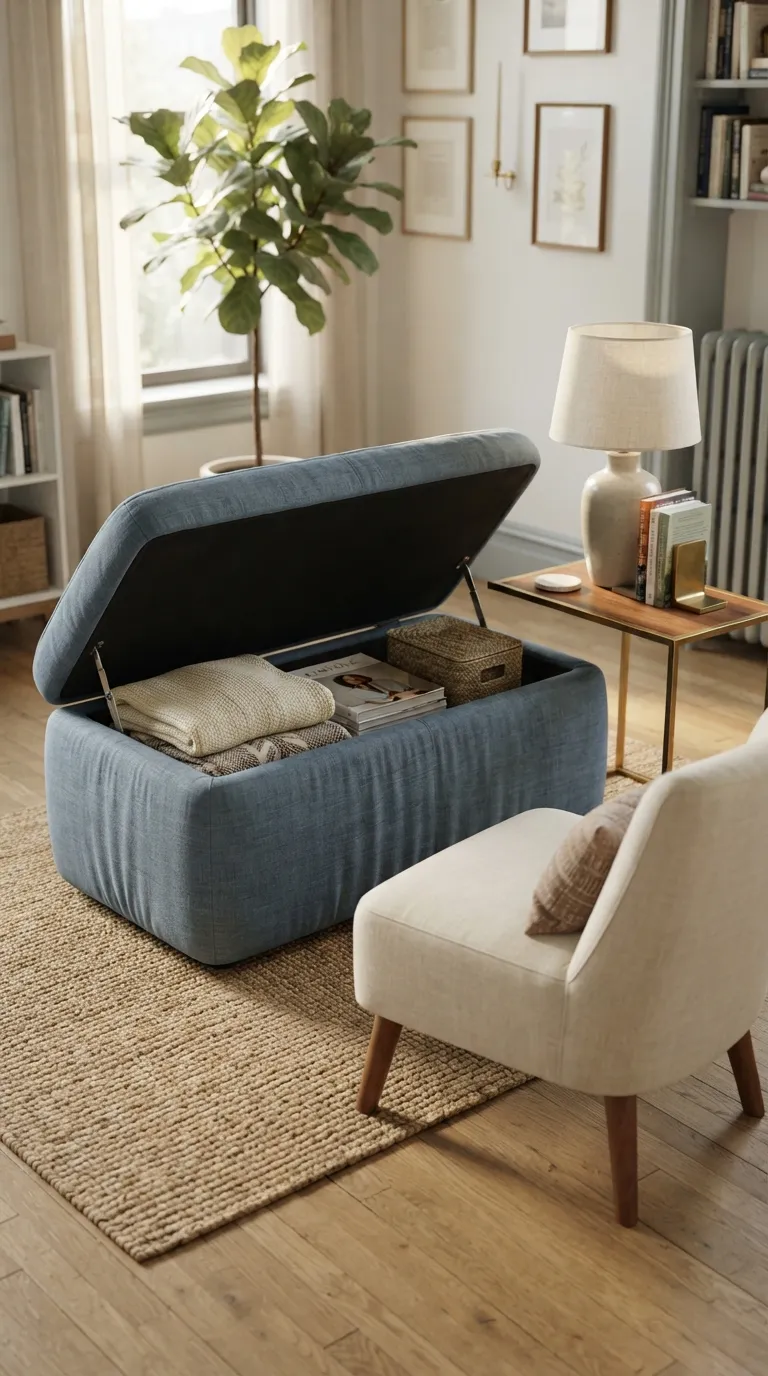
A storage ottoman can replace a separate coffee table, footrest, and storage basket in one compact piece. Choose a firm, flat top if you want to use it as a surface for a tray, books, or drinks.
For small living rooms, rectangular ottomans often make better use of the space in front of a sofa than several scattered pieces. Keep less-used items inside, such as spare throws or seasonal cushions, so the storage stays useful rather than becoming a catch-all.
Slim Console Behind Sofa
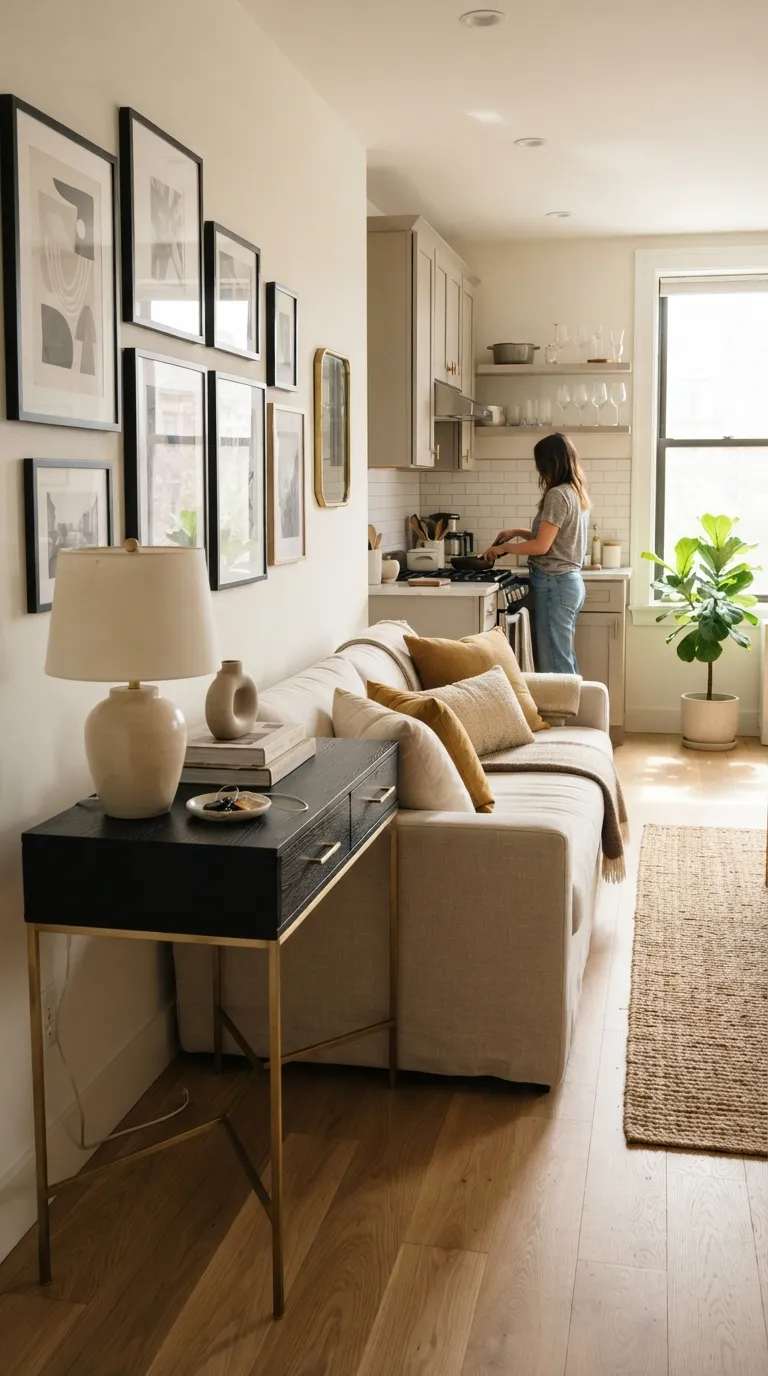
A slim console can turn the narrow space behind your sofa into useful storage without taking over the room. It gives you a spot for lamps, books, keys, or charging devices while keeping the main coffee table less crowded.
Measure the gap behind your sofa before shopping, including the walking path. A shallow console works best when it stays close to the sofa’s footprint and doesn’t force you to squeeze past it. Models with drawers are especially handy for small items that tend to collect on open surfaces.
Wall-Mounted Desk
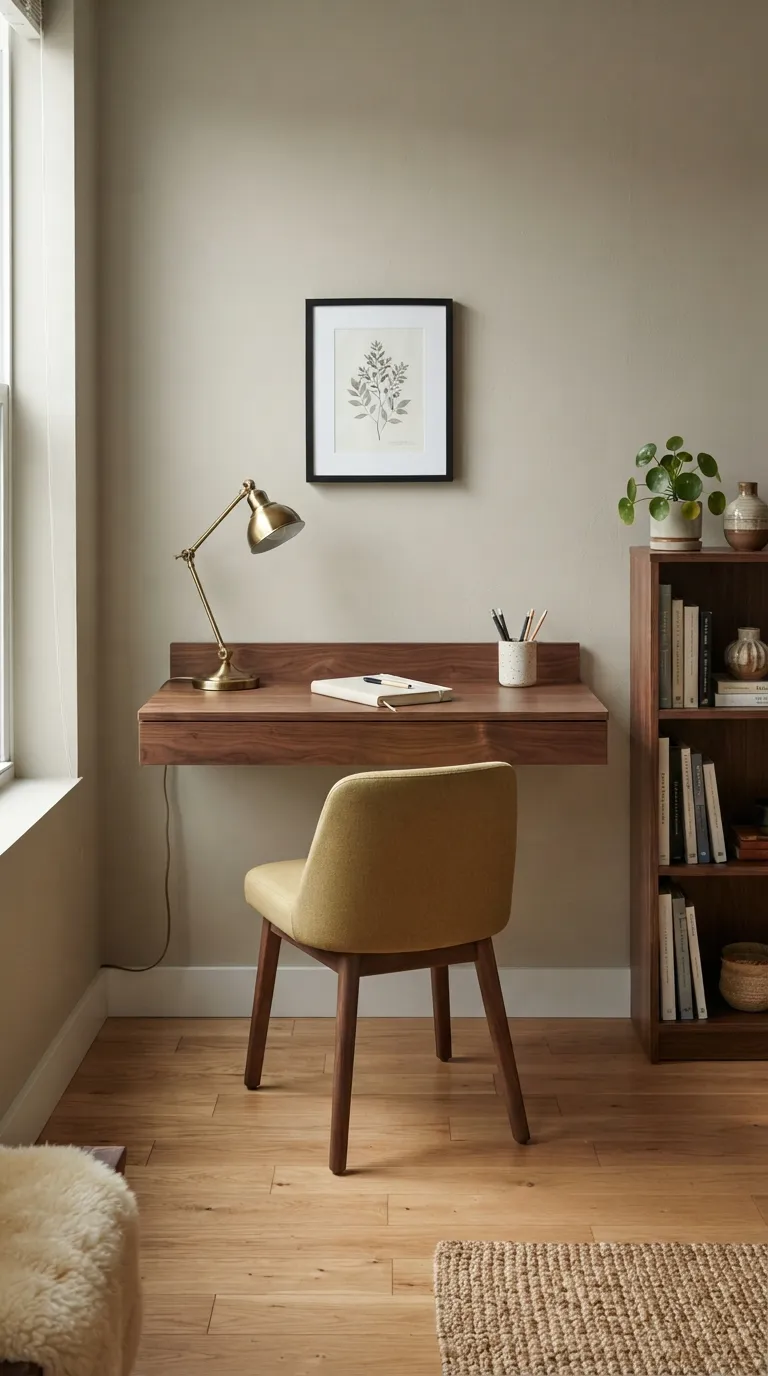
A wall-mounted desk gives you a proper work surface while keeping the floor clear underneath. It’s a smart choice when your living room, bedroom, or entry area needs to serve as a home office without adding a full desk.
Check the desk depth before buying, especially if it sits beside a bed or in a narrow passage. A shallow surface can handle a laptop and notebook while leaving more room for movement. Add a chair that slides fully underneath so the workstation takes up less visual space when you’re finished.
Storage Bed With Drawers
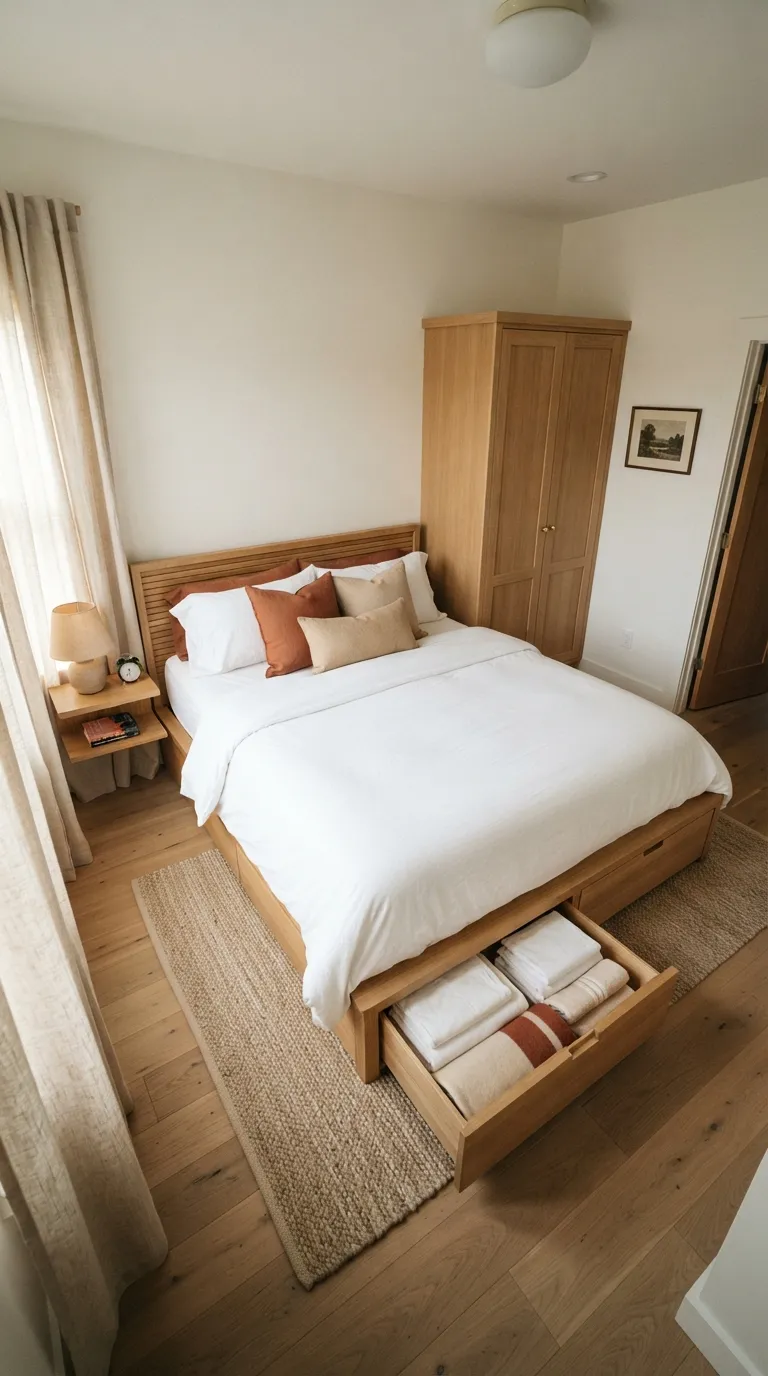
A storage bed puts valuable space under a piece you already need. Deep drawers can hold bedding, clothing, shoes, or luggage that might otherwise require another dresser or storage bin.
Measure the drawer clearance carefully if the bed will sit near a wall. Side-opening drawers need enough room to pull out fully, while some platforms offer storage from the foot of the bed. For a small bedroom, choose a frame with simple lines so the added storage doesn’t make the room feel visually heavy.
Slim Bookshelf Room Divider
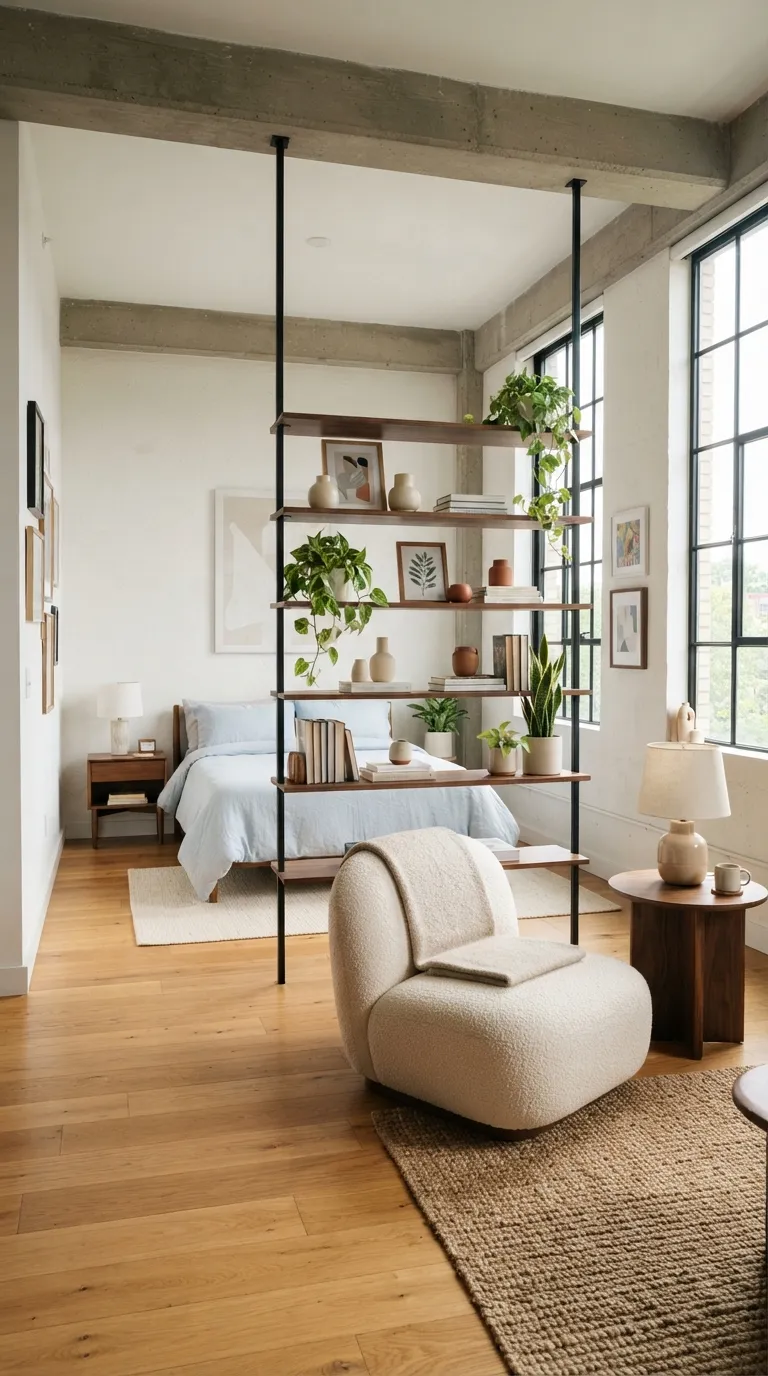
An open bookshelf can separate zones without closing off the room. It’s useful in a studio where the sofa, bed, dining area, and workspace all share one open floor plan.
Choose a narrow unit with open sides so daylight can travel through it. Keep the shelves partly empty rather than filling every section, which helps the divider feel lighter. Place heavier books on lower shelves and lighter decor higher up for a balanced, practical arrangement.
Drop-Leaf Kitchen Table
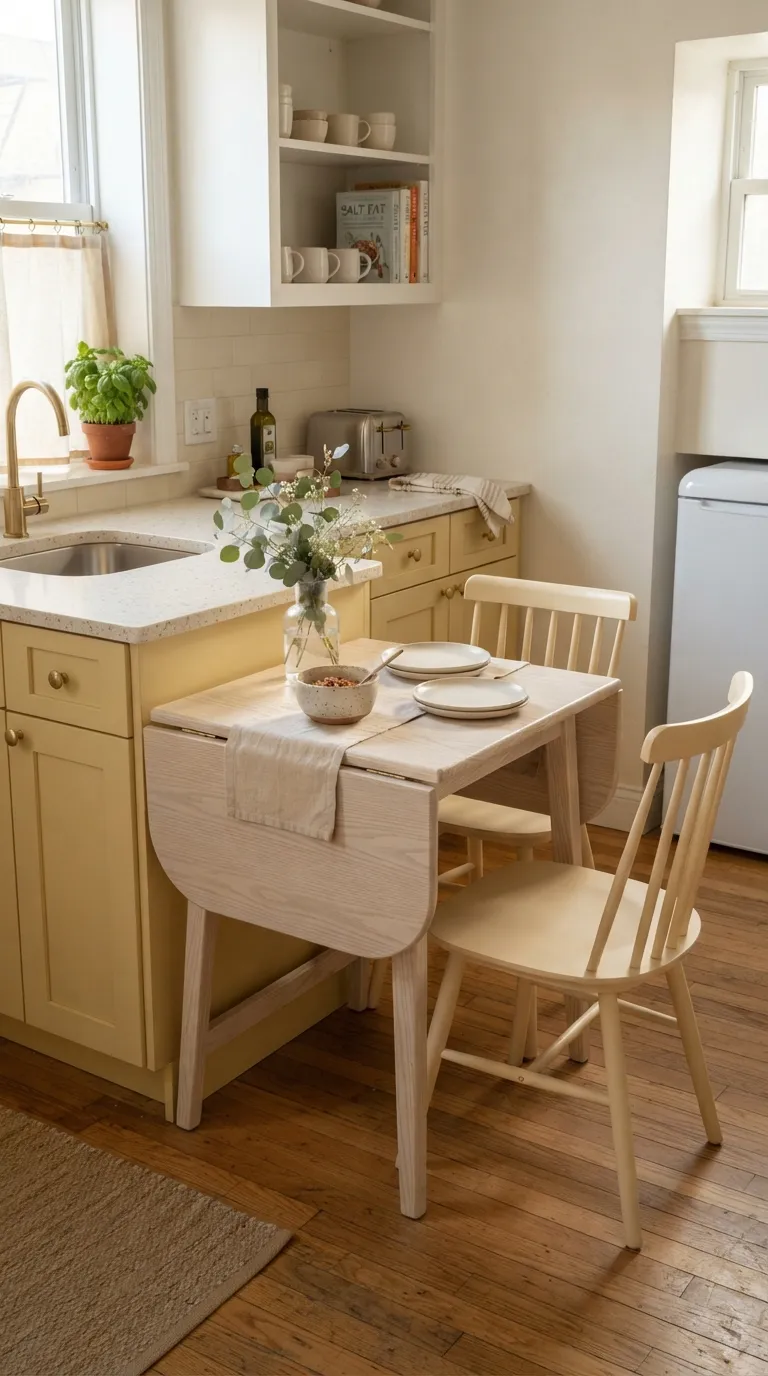
A drop-leaf table gives you a flexible dining surface without demanding a permanent footprint. Keep one or both leaves lowered during the day, then raise them when you need more room for a meal, craft project, or laptop.
This style works particularly well beside a kitchen wall or cabinet run. Check the table’s folded depth and the clearance needed for chairs before buying. A slim pedestal base can also make it easier to slide chairs around the table without bumping into bulky table legs.
Compact Sleeper Sofa
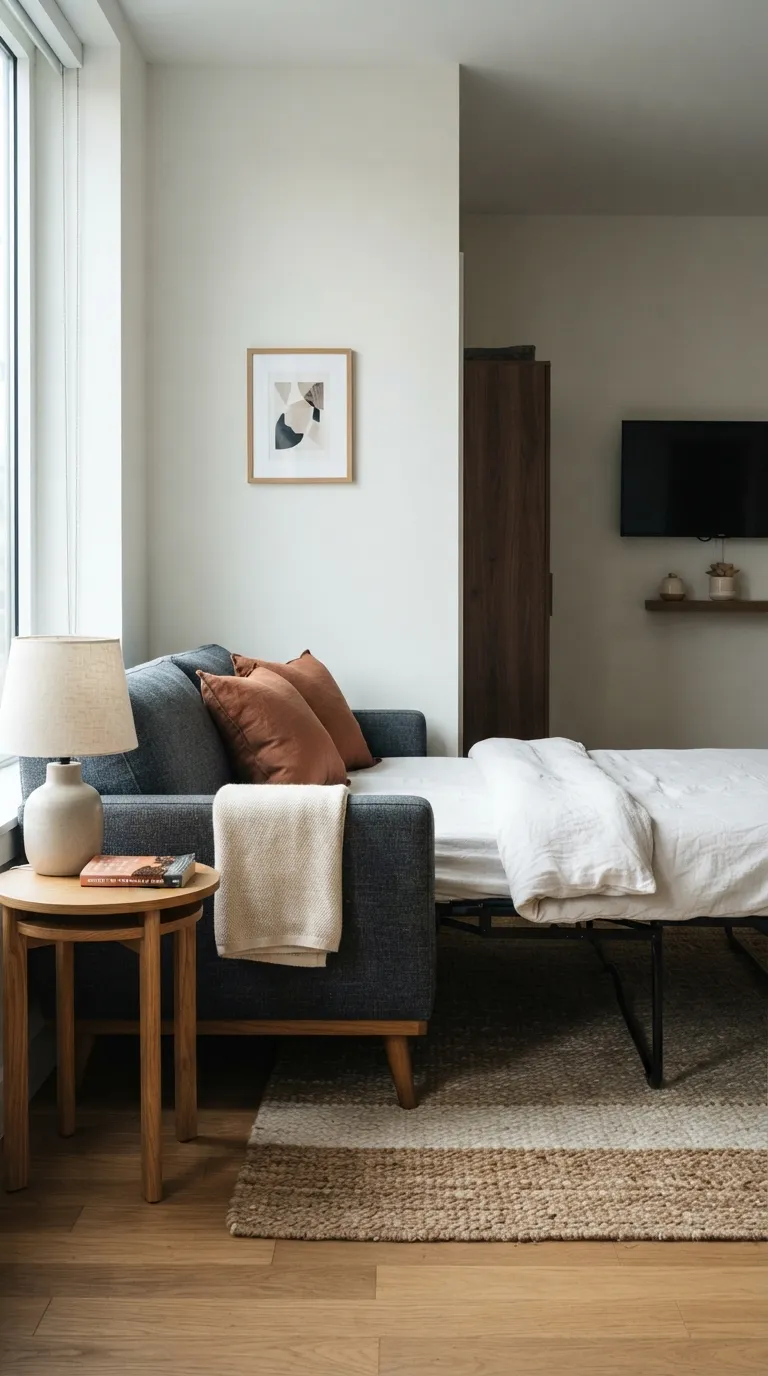
A compact sleeper sofa gives a small apartment two useful functions in one footprint. During the day, it works as everyday seating, while the sleeping surface can serve guests when you don’t have a spare bedroom.
Pay attention to the sofa’s full depth when opened, not just its closed dimensions. A model that fits neatly against one wall can become difficult to use if the bed blocks the main walkway. Choose upholstery that’s easy to maintain because this piece will likely see frequent use.
Narrow Entryway Bench
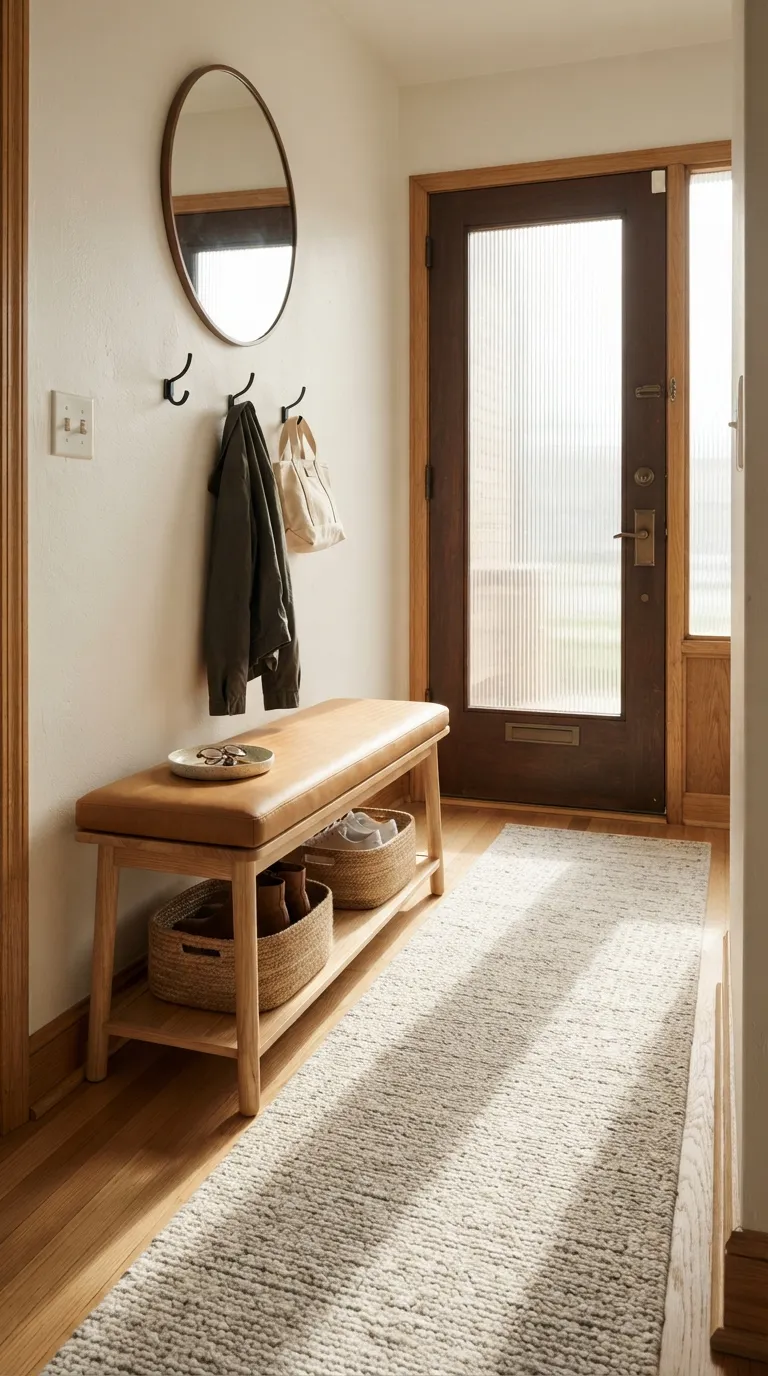
A narrow entryway bench gives you a place to sit while also handling shoes, bags, or everyday accessories. In a tight hallway, that dual purpose can be more useful than a larger entry cabinet.
Measure the hallway width before choosing a bench, then leave enough clearance for the door to open comfortably. Open shelving below makes shoes easy to grab, while baskets create a cleaner look for smaller items. A cushion adds comfort without requiring a bulky upholstered seat.
Wall-Mounted Media Console
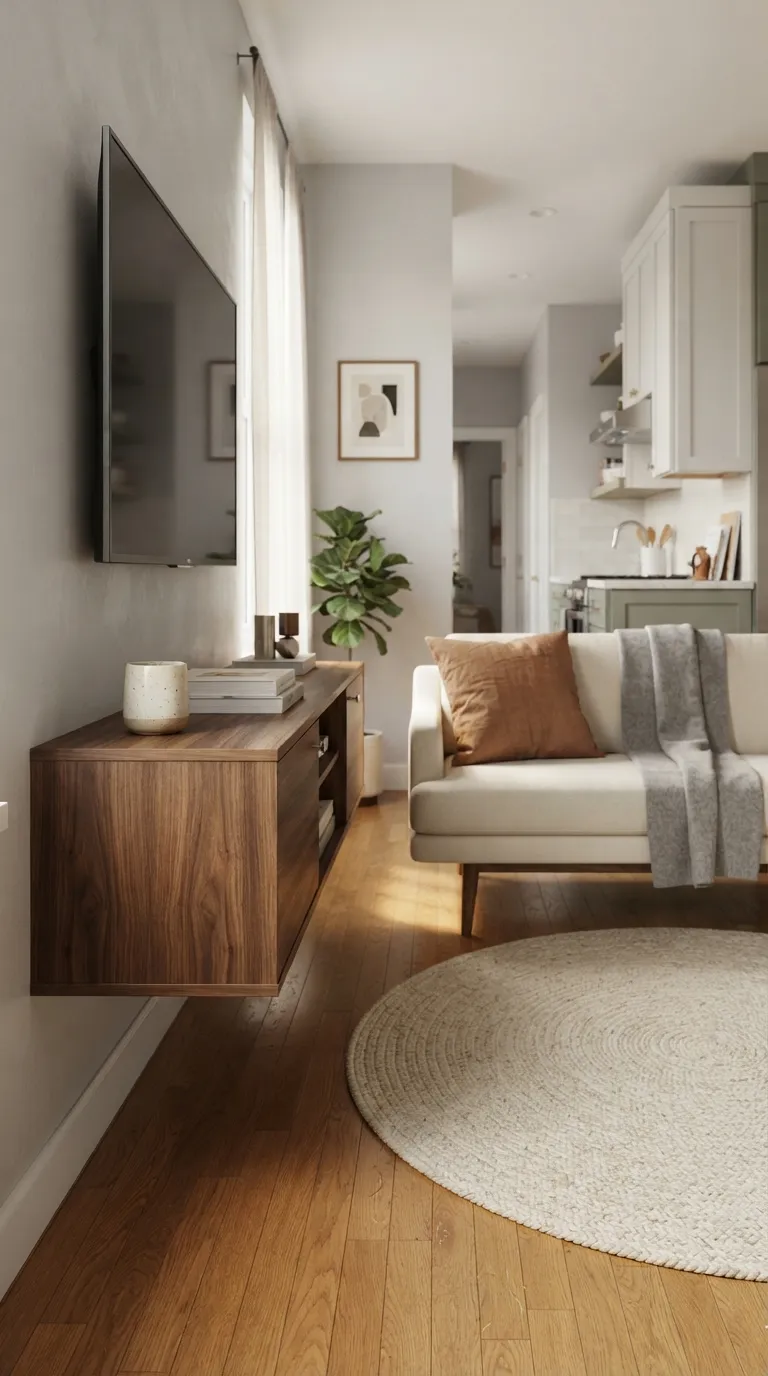
A wall-mounted media console keeps bulky storage off the floor, making the area beneath it feel more open. It can hold remotes, cables, games, and small electronics without adding another freestanding cabinet.
This piece works well when every inch of floor space matters. Choose a console with closed storage if you want fewer visible items, and check the wall construction before installation. Keep the furniture low and simple so the television area doesn’t dominate a compact room.
Folding Accent Chairs
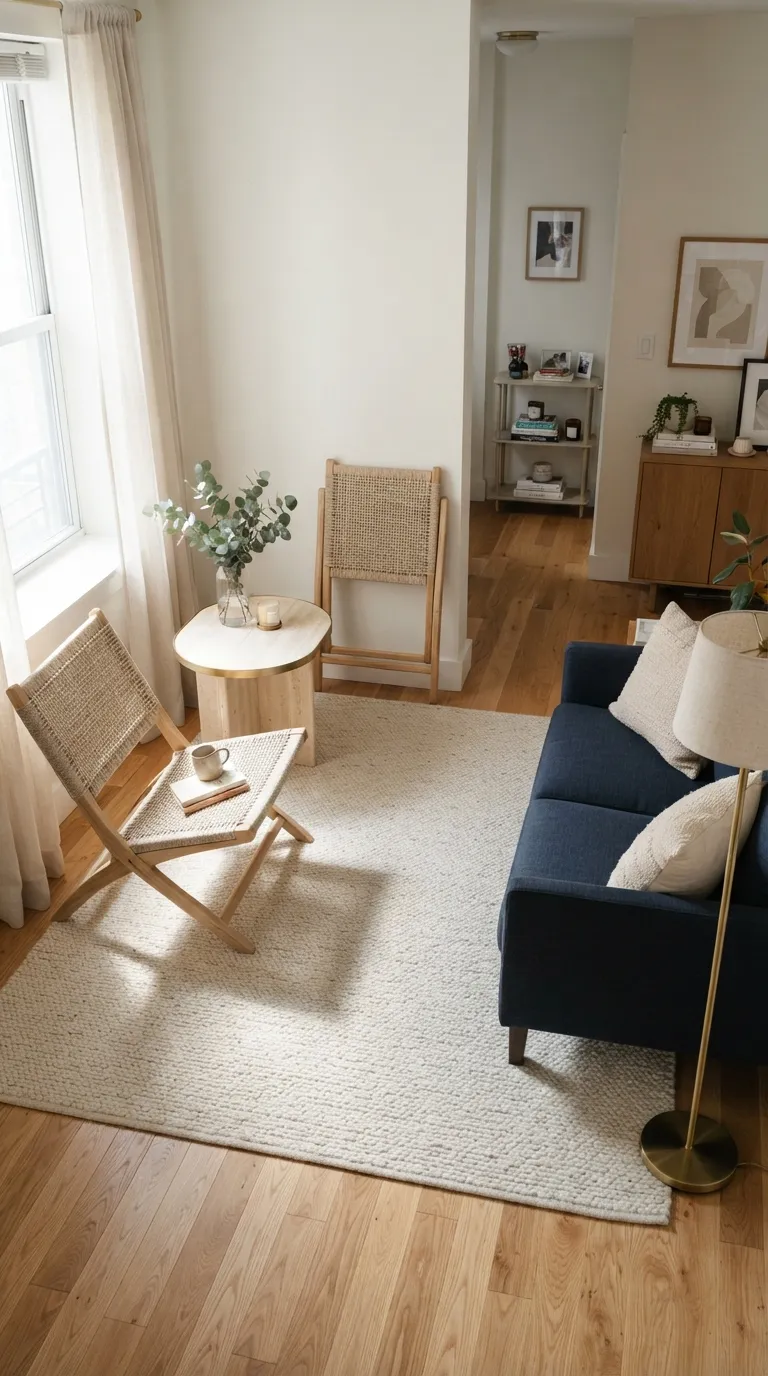
Folding chairs give you extra seating without committing valuable floor space to another permanent chair. Keep a pair folded in a closet or behind a door, then bring them out when friends visit.
Look for sturdy hinges, comfortable back support, and a frame that feels stable when open. Slim folding designs can also work as everyday chairs if they fit your decor. Store them vertically to use the smallest possible footprint.
Tall Narrow Dresser
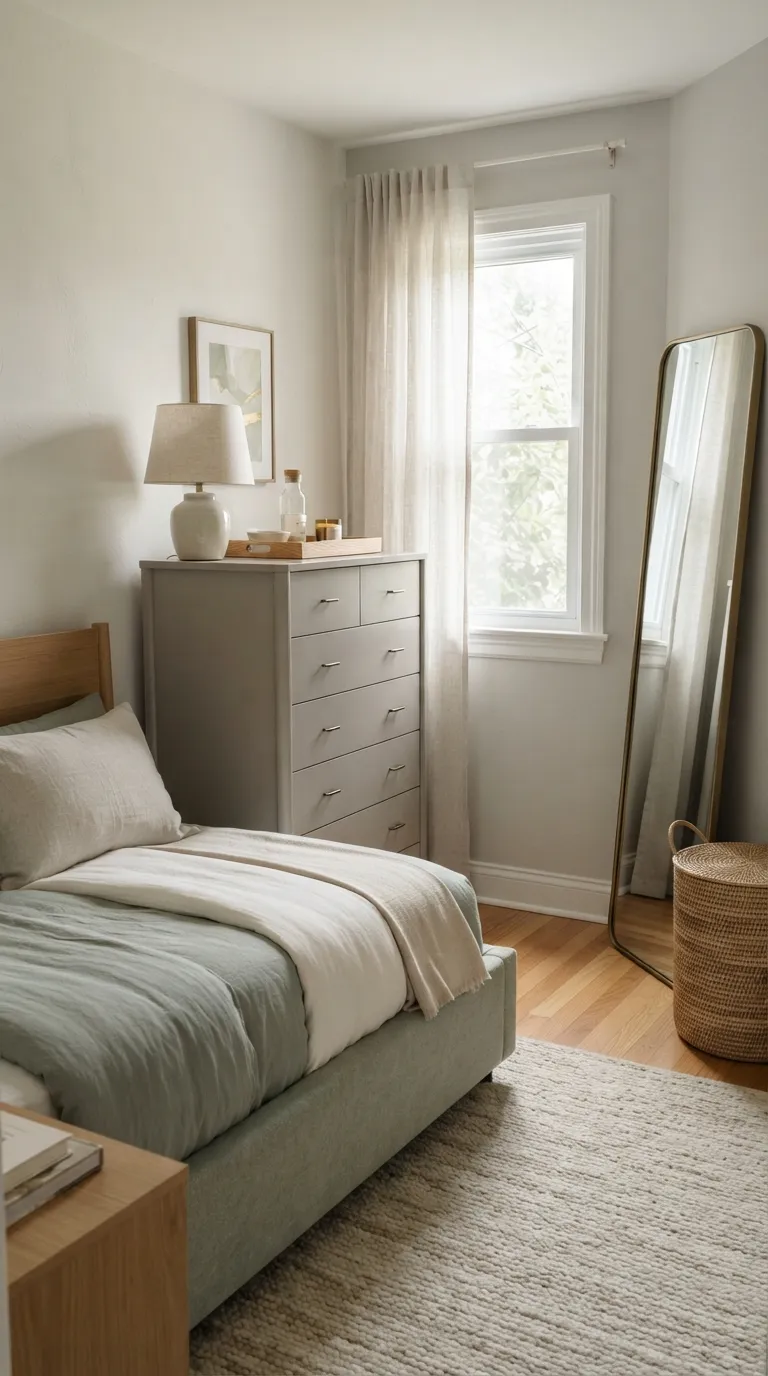
A tall narrow dresser uses wall height instead of spreading storage across the floor. It’s useful for clothing, accessories, linens, or other items that would otherwise require a wider chest.
Before buying, compare the drawer depth with what you plan to store. Taller furniture should also be secured properly, especially in homes with children or pets. Keep the top lightly styled so the dresser feels like part of the room rather than another crowded storage zone.
Storage Bench For Dining
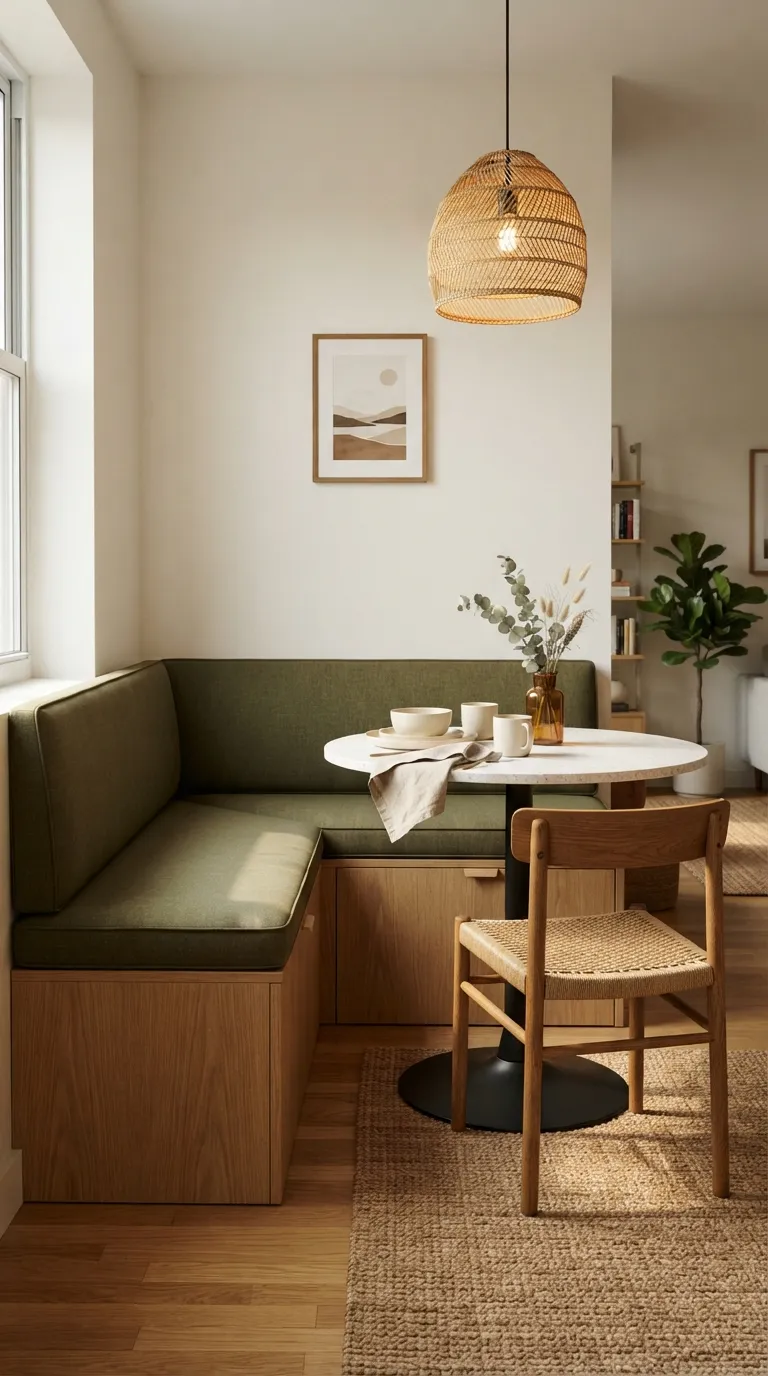
A dining storage bench can turn one wall into seating and storage at the same time. Use the compartments for table linens, serving pieces, small appliances, or items that don’t need daily access.
This setup works especially well with a round table because the curved shape makes it easier to move around the seating area. Choose a bench depth that leaves enough room between the table and opposite wall. A washable or durable upholstery fabric is also a practical choice for a dining space.
Slim Armchair
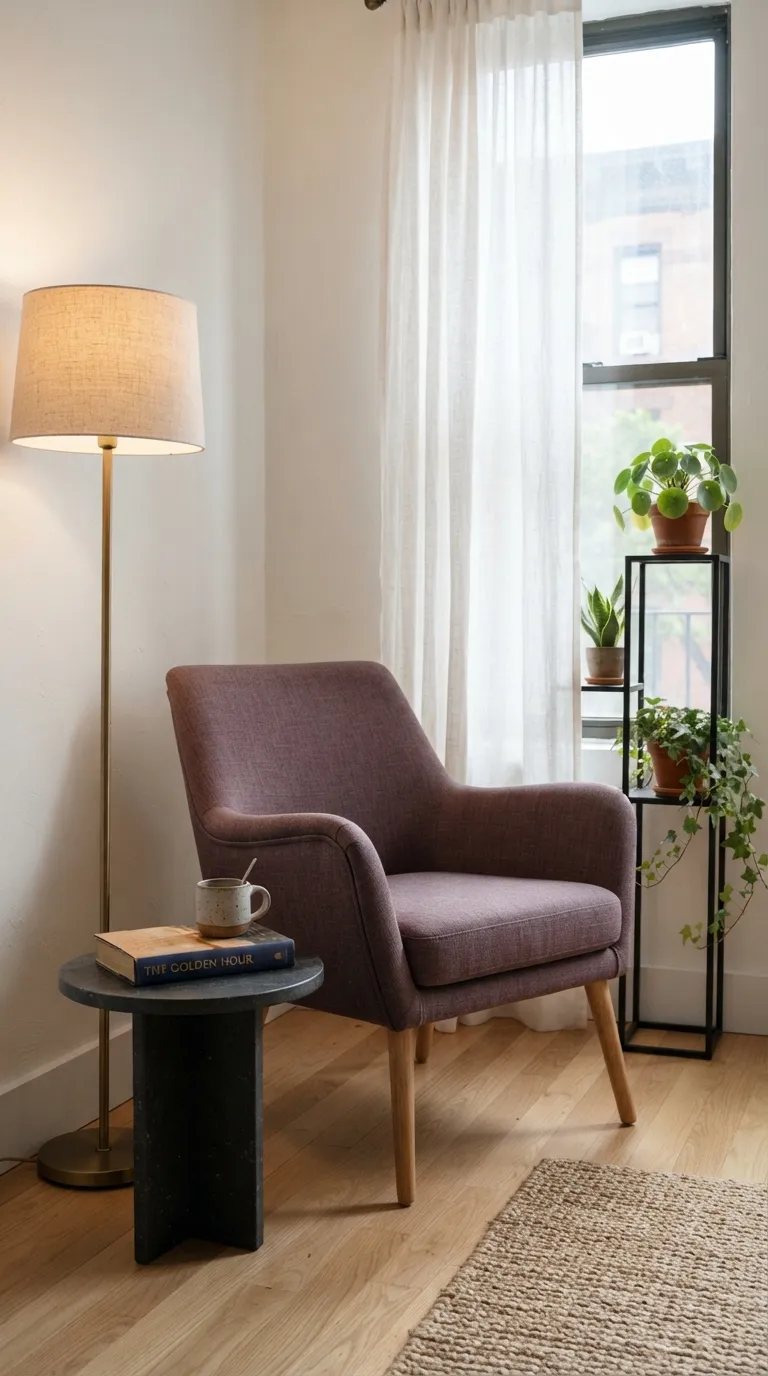
A slim armchair lets you add comfortable seating without the bulk of a deep lounge chair. Look for narrow arms, a compact seat depth, and exposed legs that keep more floor visible.
Place it in an unused corner beside a window, bookcase, or bedroom wall. Before buying, mark the chair’s dimensions on the floor with painter’s tape so you can check the walking space around it. This simple step can prevent a chair from feeling too large once it arrives.
Extendable Dining Table
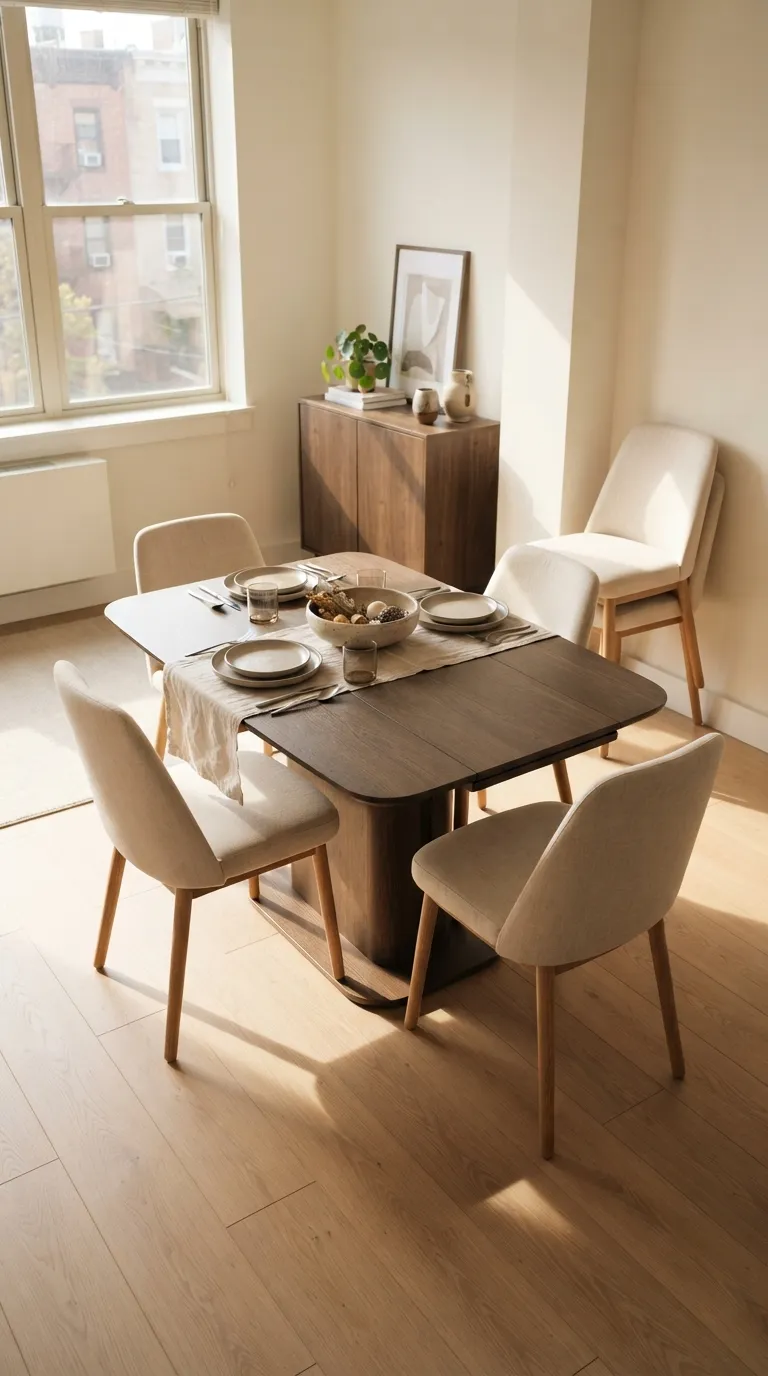
An extendable dining table keeps its footprint small on ordinary days but gives you more seating when guests arrive. It’s a useful middle ground when a permanent large dining table would consume too much floor space.
Check how the table expands before choosing a model. Some use a center leaf, while others pull apart from the ends. Make sure your room has enough clearance for the extended size, including space for chairs to move back comfortably.
Floating Nightstand
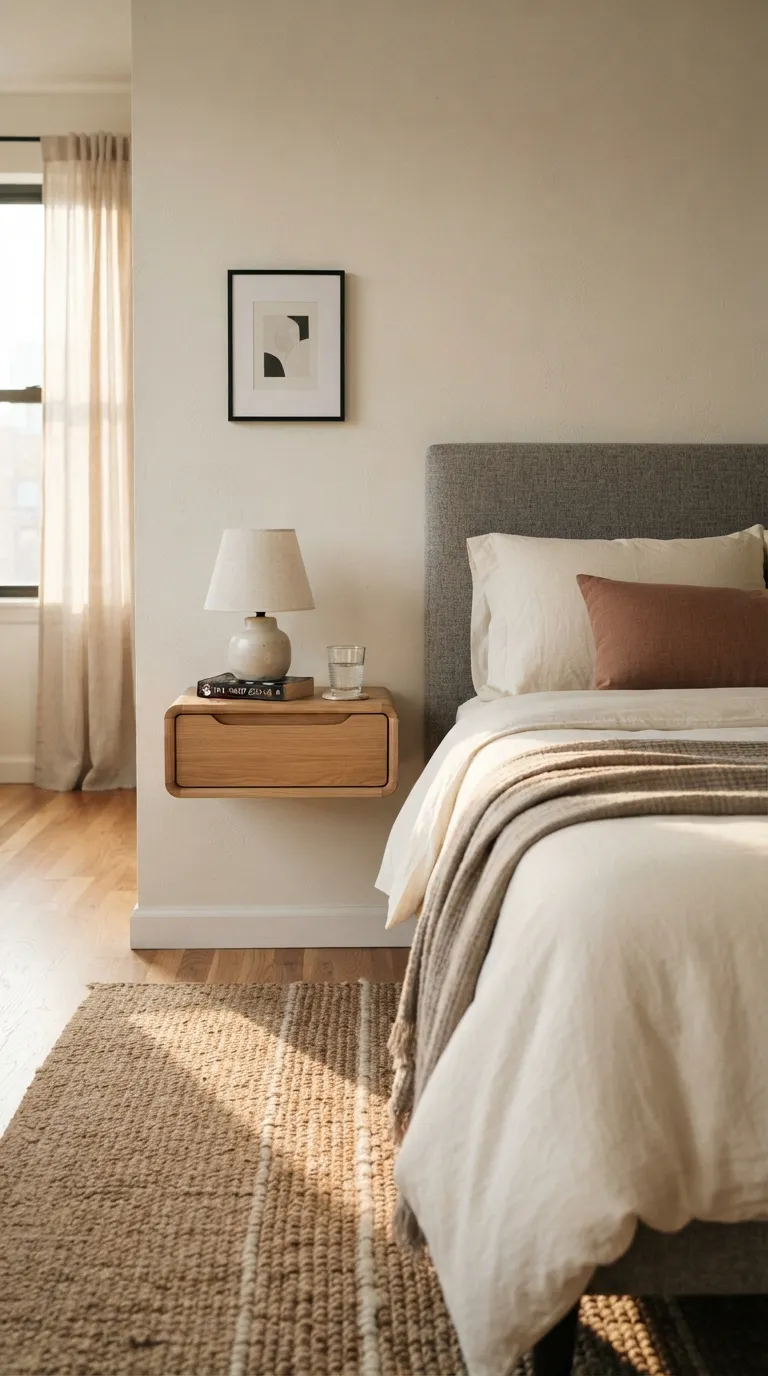
A floating nightstand gives you the bedside storage you need without adding another piece that sits on the floor. Its drawer can hold glasses, chargers, books, and other small items that tend to crowd a bedroom.
This option works particularly well when the bed sits close to a wall or wardrobe. Choose a depth that leaves enough room for the bed frame and walking path. Mounting height also matters, so position the top close to mattress level for comfortable access.
Rolling Kitchen Cart
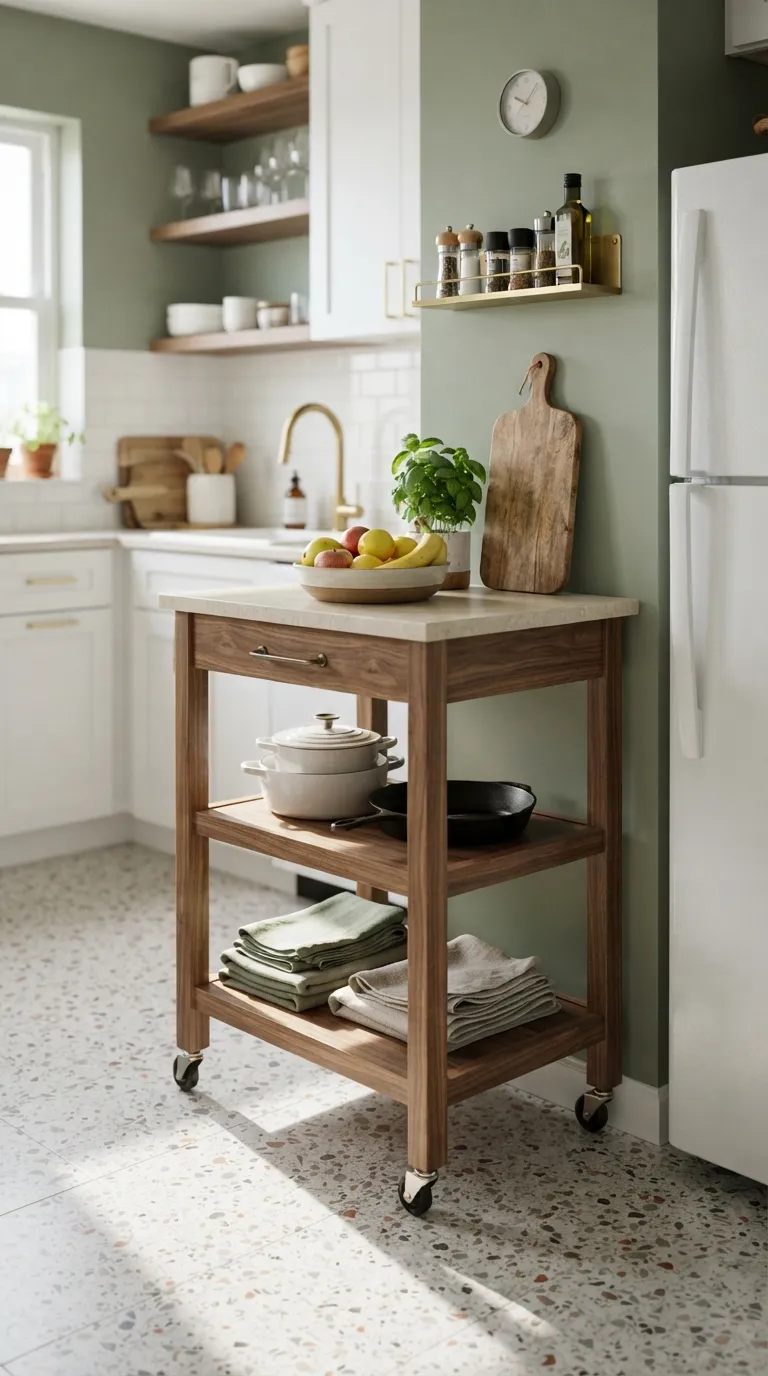
A rolling kitchen cart gives you extra counter and storage space without fixing another cabinet in place. You can park it beside a counter while cooking, then move it aside when you need a wider path.
Choose a cart with locking wheels so it stays steady during food preparation. Shelves are useful for cookware and pantry items, while a drawer can hide smaller tools. Measure doorways and corners before buying because a cart that’s easy to move is most useful when it can actually travel through your apartment.
Modular Cube Storage
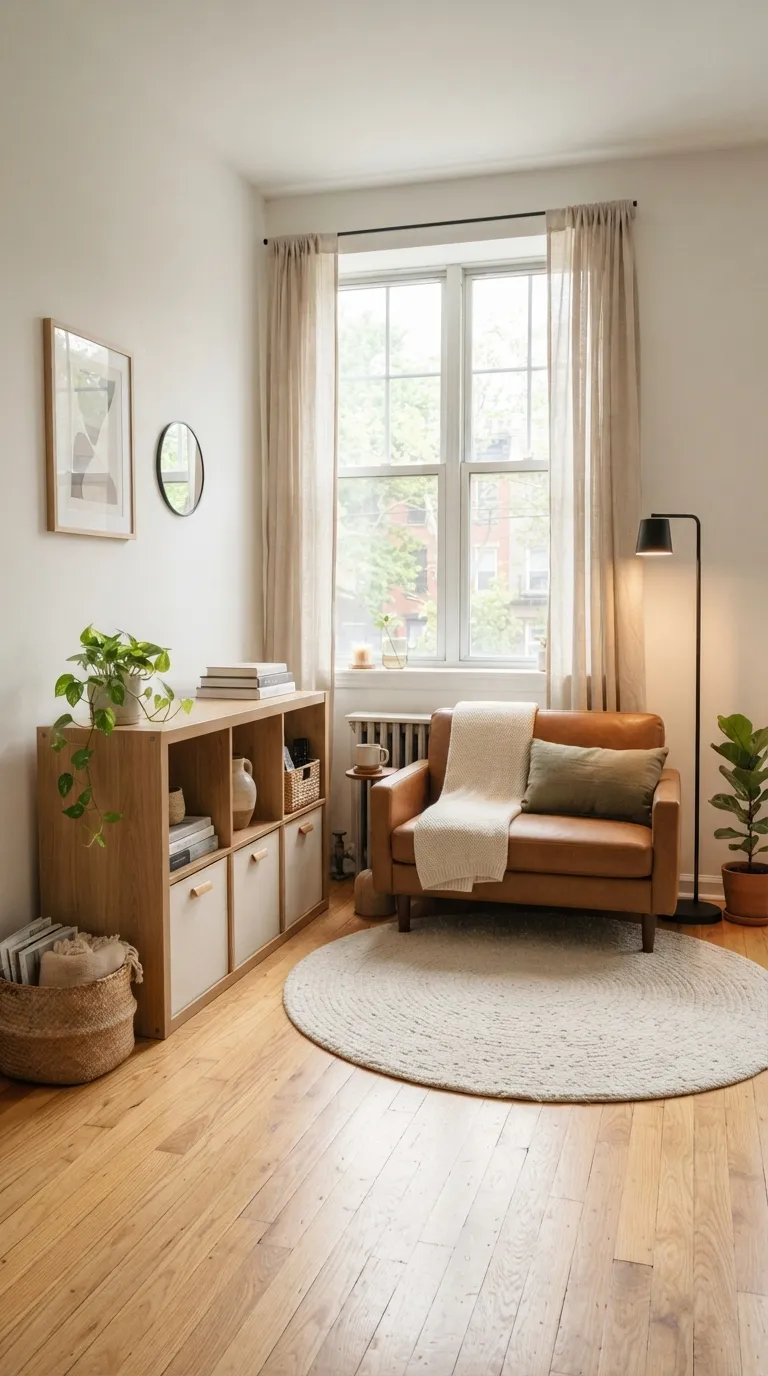
Modular cube storage gives you control over both size and arrangement. You can use a low unit beneath a window, build upward along a wall, or create a compact divider between two areas.
Mix open cubes with baskets or closed bins to keep the room from looking busy. Use open sections for books and a few favorite objects, then reserve concealed compartments for cables, paperwork, toys, or household supplies. As your storage needs change, the modular format can be rearranged rather than replaced.
Slim Bar Cart
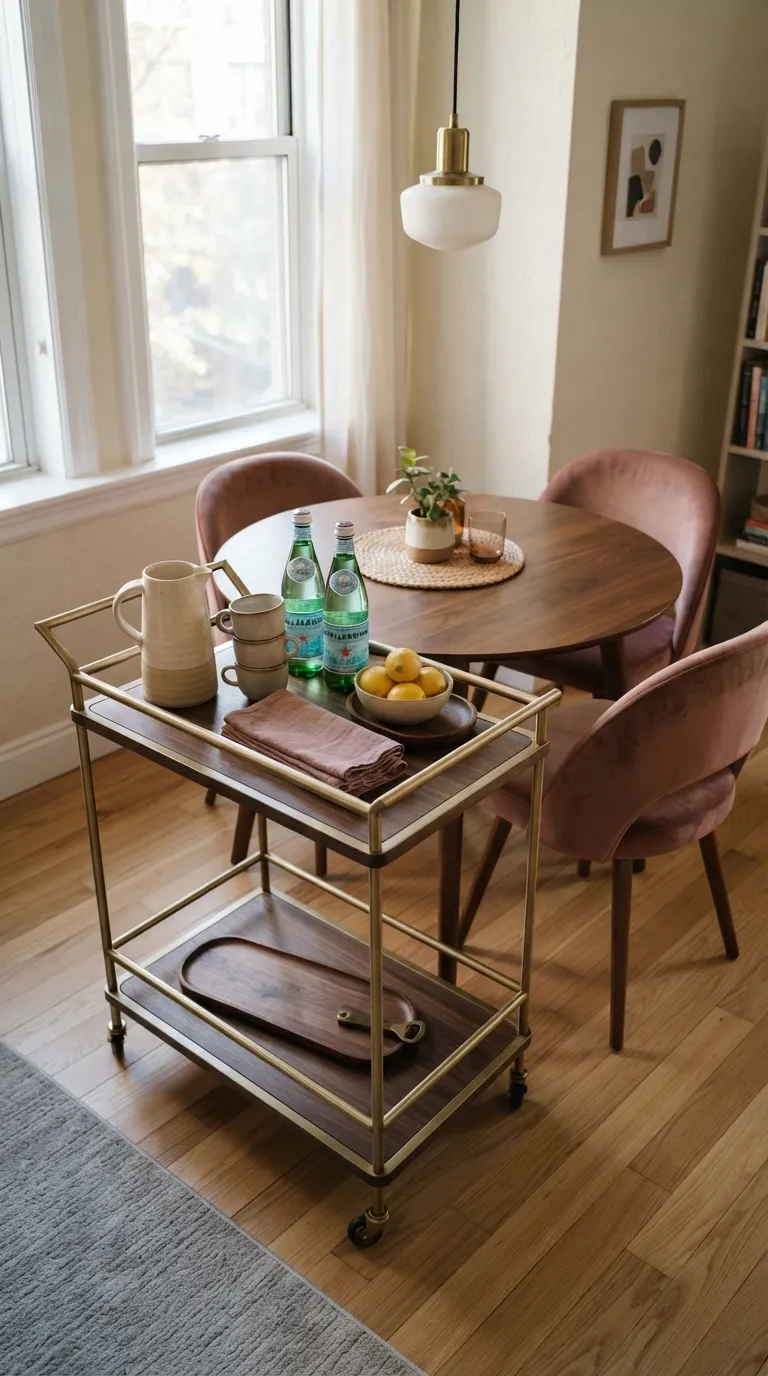
A slim serving cart can fill a narrow gap while giving you a movable place for drinks, coffee supplies, dishes, or dining accessories. Its small footprint makes it useful when a traditional sideboard would feel too bulky.
Choose a cart with locking casters and two sturdy shelves. Keep the top reserved for items you reach for often, while the lower shelf can store backups and serving pieces. When guests arrive, roll the cart beside the dining table and move it back afterward.
Making Every Piece Count
The best furniture for small apartments doesn’t need to look purely practical. Focus on pieces that solve two problems at once, such as a sofa with storage, a table that changes size, or a desk that leaves the floor open.
Before buying, measure your room, doorways, and walking paths. Then compare the furniture’s full dimensions, including drawers, leaves, doors, or moving parts. A few well-chosen pieces can give a compact home room to breathe while still making space for the way you live.
Elira Montclair
Elira writes about timeless home decor, kitchen styling, and practical interior ideas. Her work blends warm, inviting aesthetics with simple decorating tips that make everyday spaces feel beautiful and comfortable.