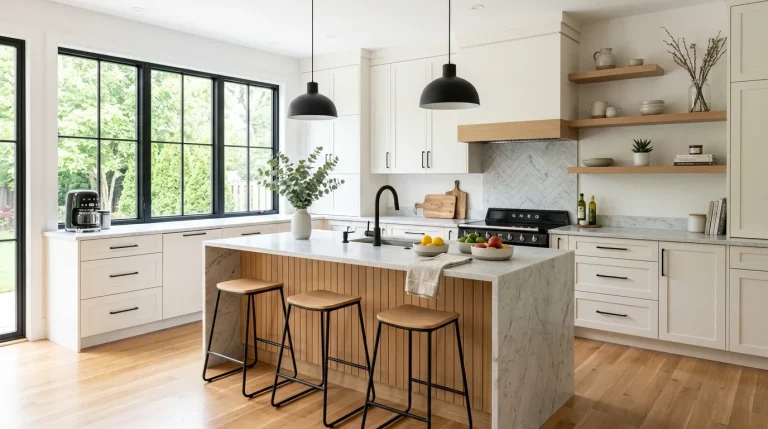
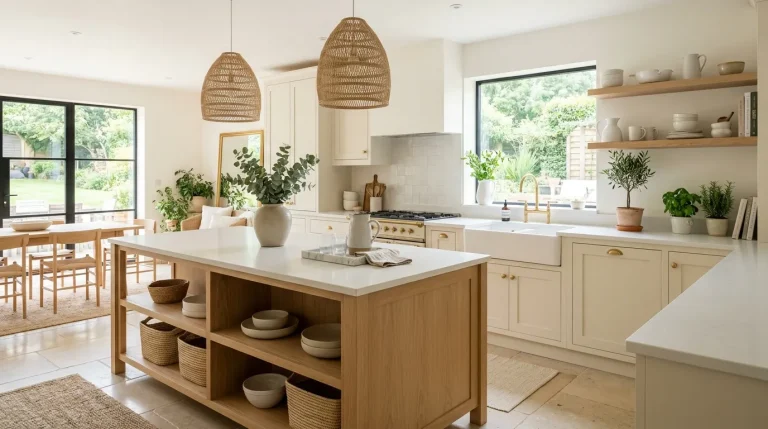
Create a Serene Look With 26 Sage Green and Cream Kitchen Ideas

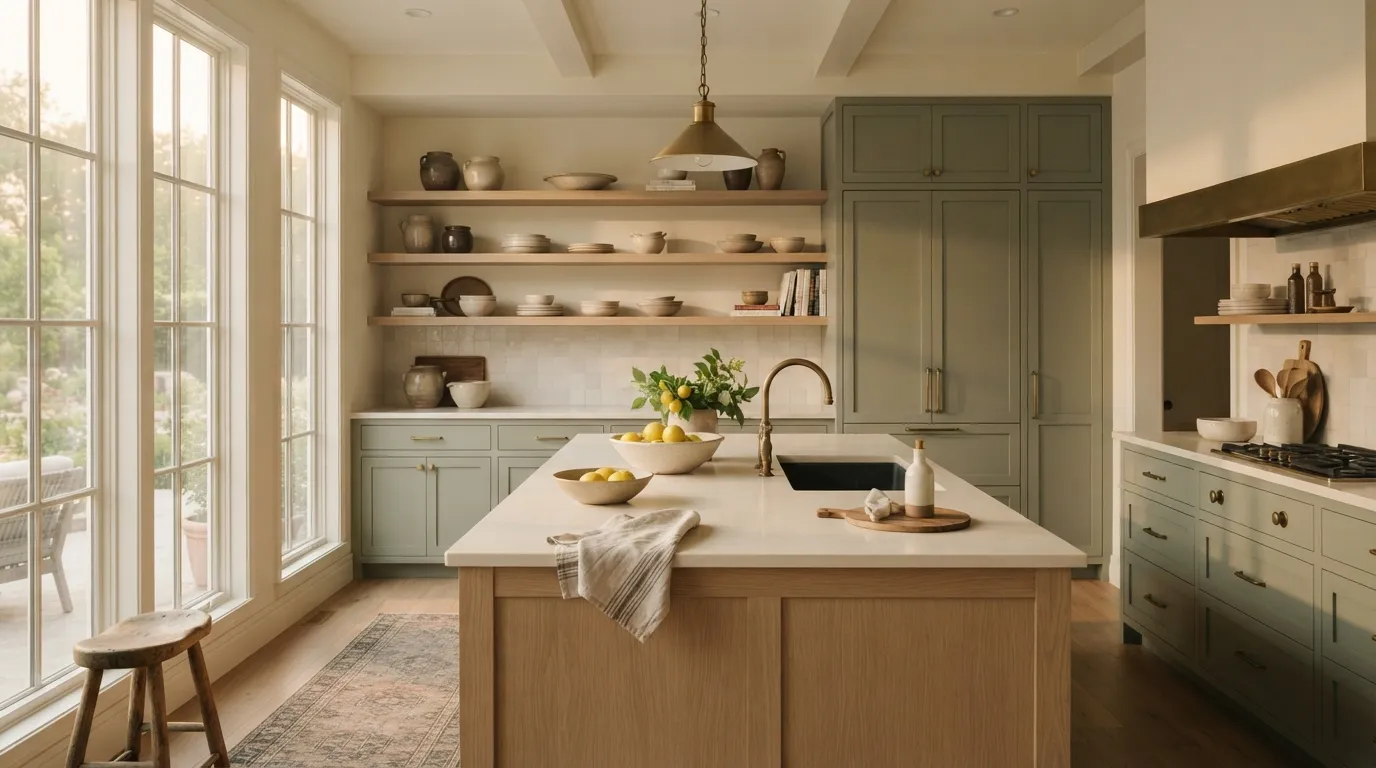
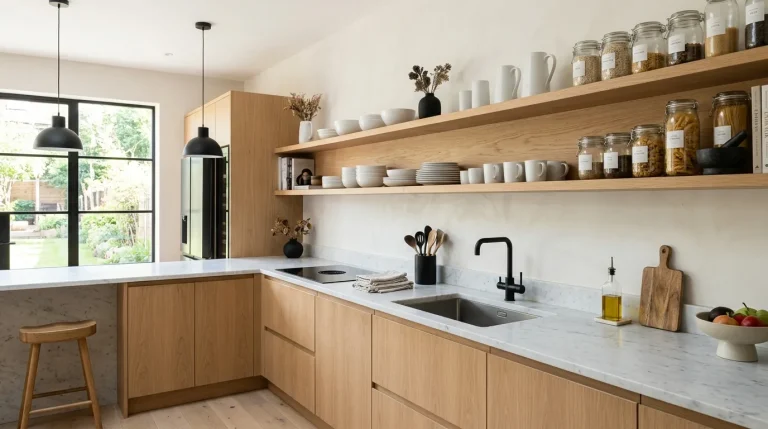
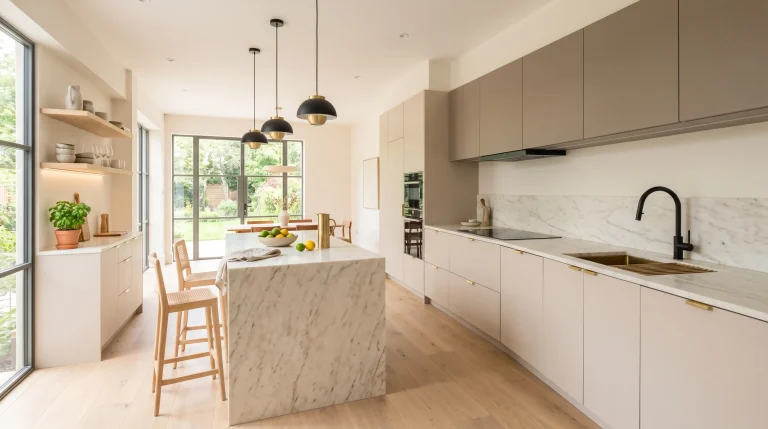
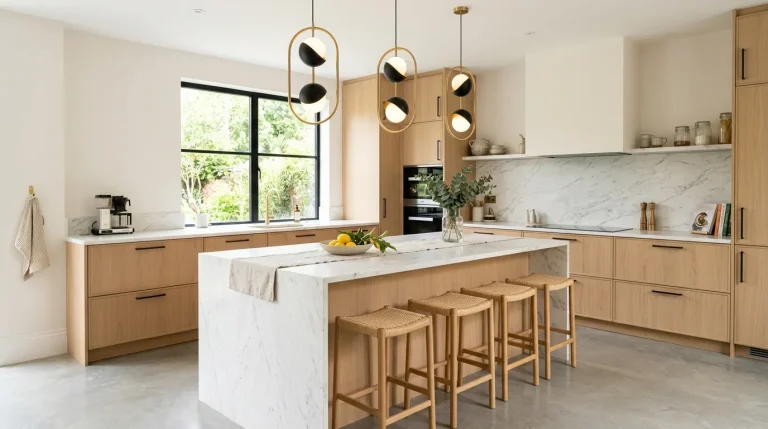
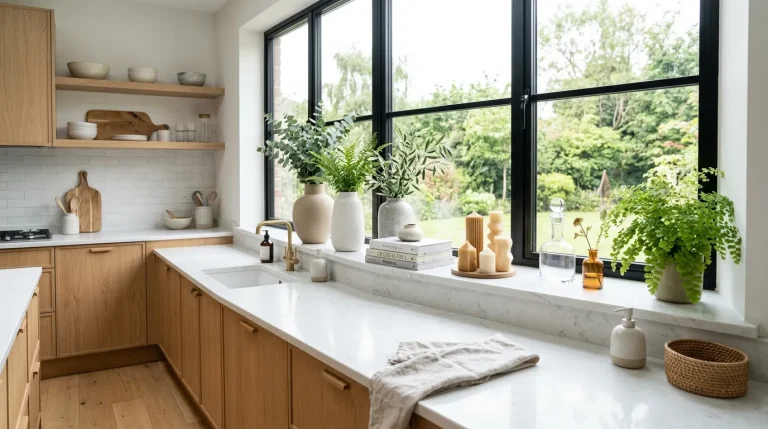
A Sage Green and Cream Kitchen gives you a soft color pairing that feels calm without looking plain. Sage brings a muted green note, while cream keeps cabinets, walls, and countertops light. Together, they create a kitchen that feels warm, fresh, and easy to live with.
You can take this palette in many directions, from traditional shaker cabinets to sleek slab doors. Natural wood, aged brass, creamy stone, ceramic tile, and woven accents all work beautifully with these shades. Whether you’re planning a full remodel or making a few small updates, these ideas can help you build a kitchen that feels collected rather than overly matched.
1. Sage Shaker Cabinets With Cream Walls
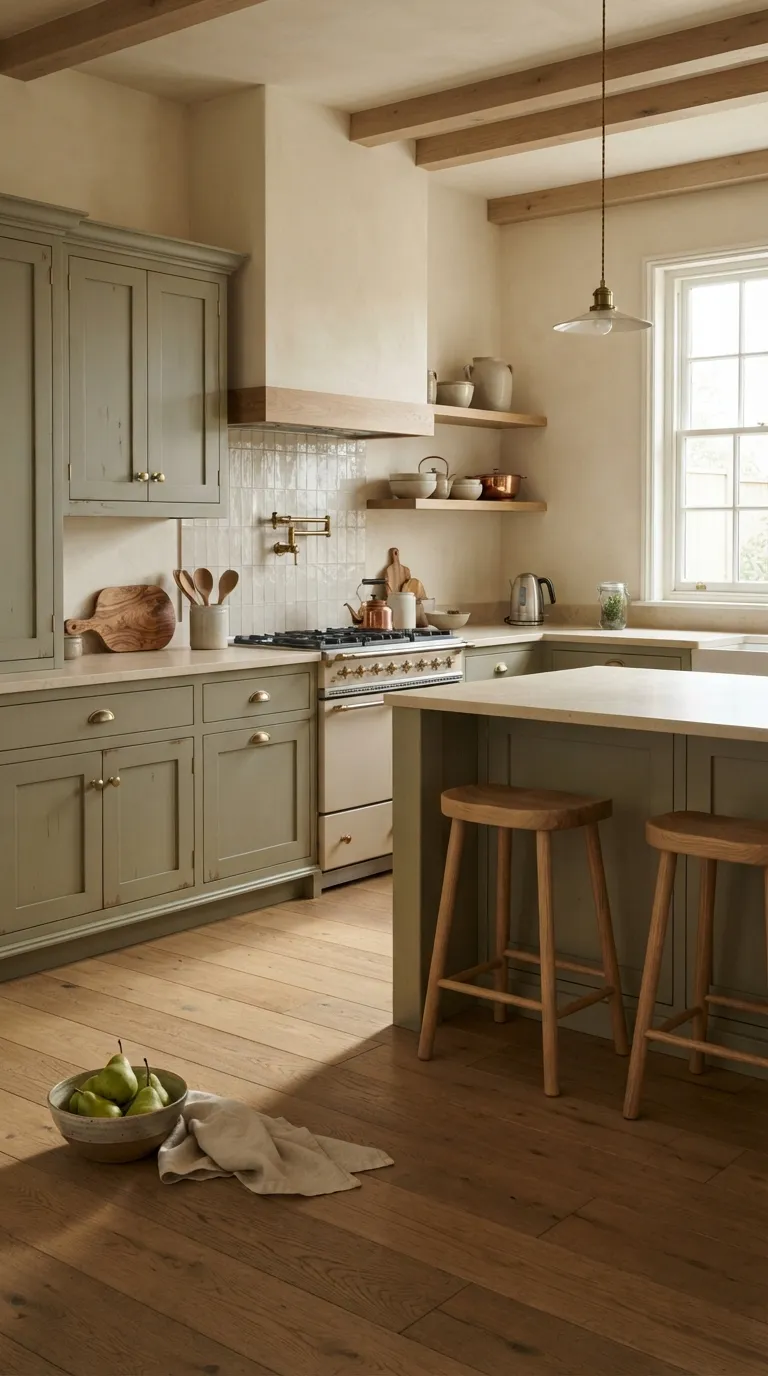
Sage shaker cabinets give the room its main color without making the space feel heavy. Cream walls soften the contrast and let the green read as a quiet, earthy shade rather than a bright accent.
Keep the rest of the palette simple with oak, linen, stone, and aged brass. This approach works especially well in a family kitchen where you want classic details but still prefer a relaxed, current look.
2. Cream Cabinets With a Sage Green Island
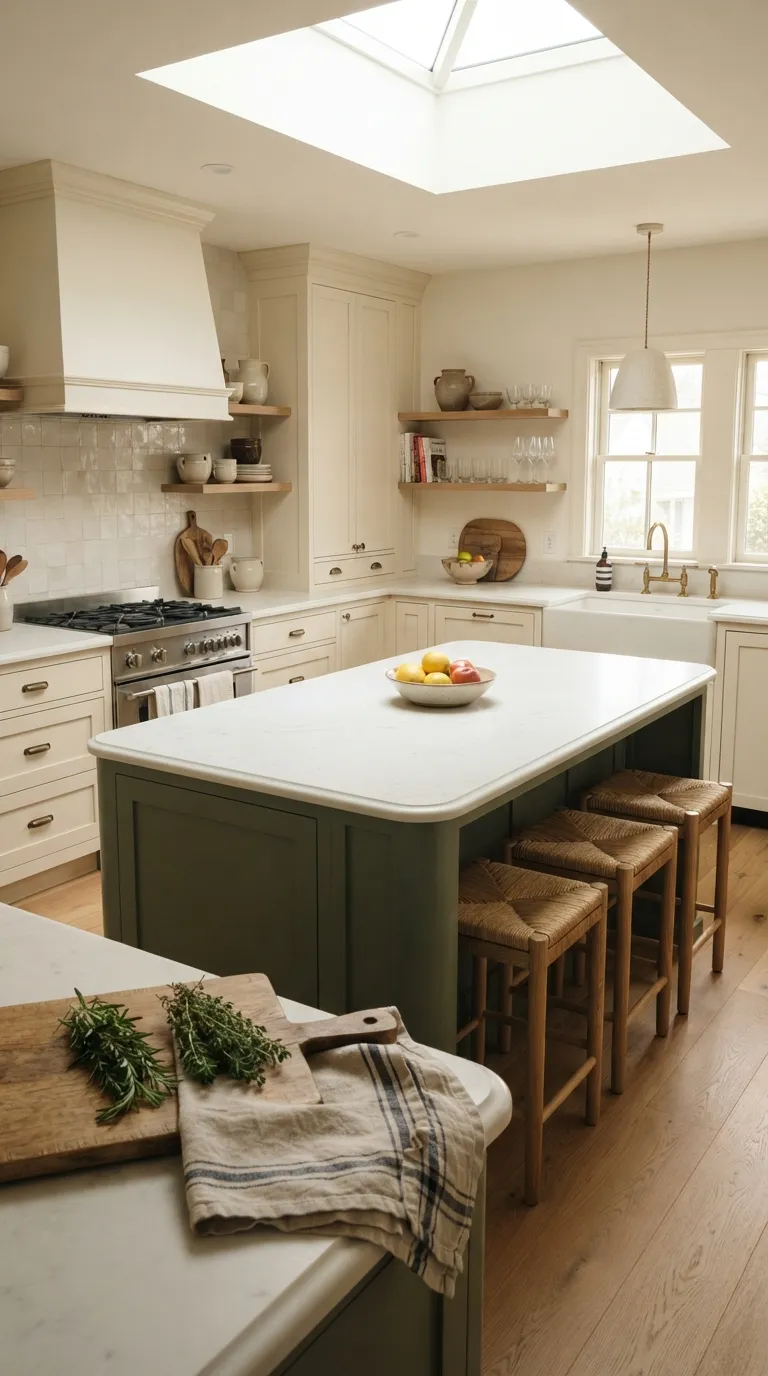
A sage island is a smart choice when you want color without covering every cabinet in green. The cream perimeter keeps the kitchen bright, while the island becomes a grounded focal point for meals, prep, and casual seating.
Choose a countertop with subtle movement instead of a busy pattern. Warm metal hardware and natural stools can tie the two cabinet colors together, giving your Sage Green and Cream Kitchen a balanced center.
3. Sage Green Cabinets With Marble Countertops
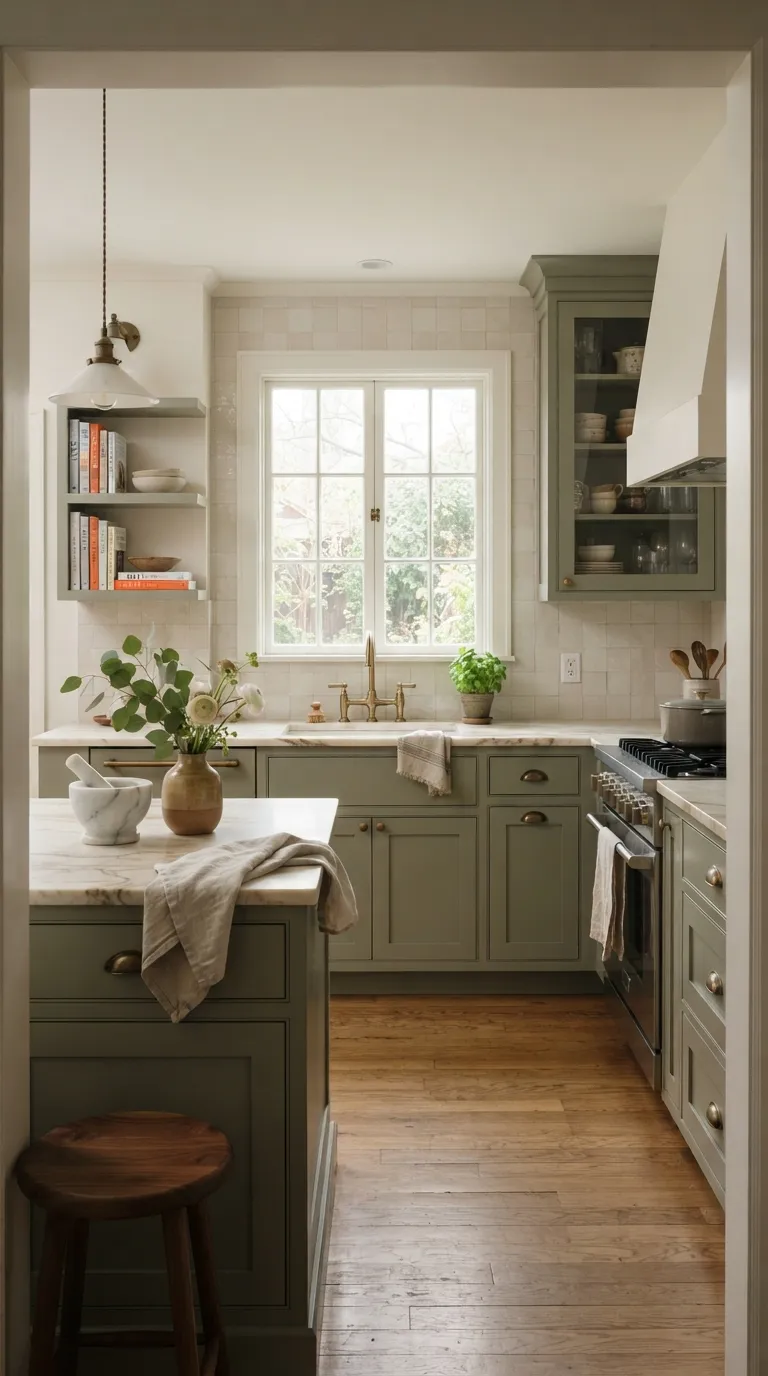
Marble countertops pair naturally with sage because their creamy base keeps the green looking soft. Fine gray veining can also add visual detail without pulling attention away from the cabinets.
For a quieter kitchen, choose a honed or satin stone finish rather than a highly glossy surface. Add warm brass, walnut, and handmade ceramic pieces to make the space feel layered without crowding the counters.
4. Two-Tone Cabinets With Brass Hardware
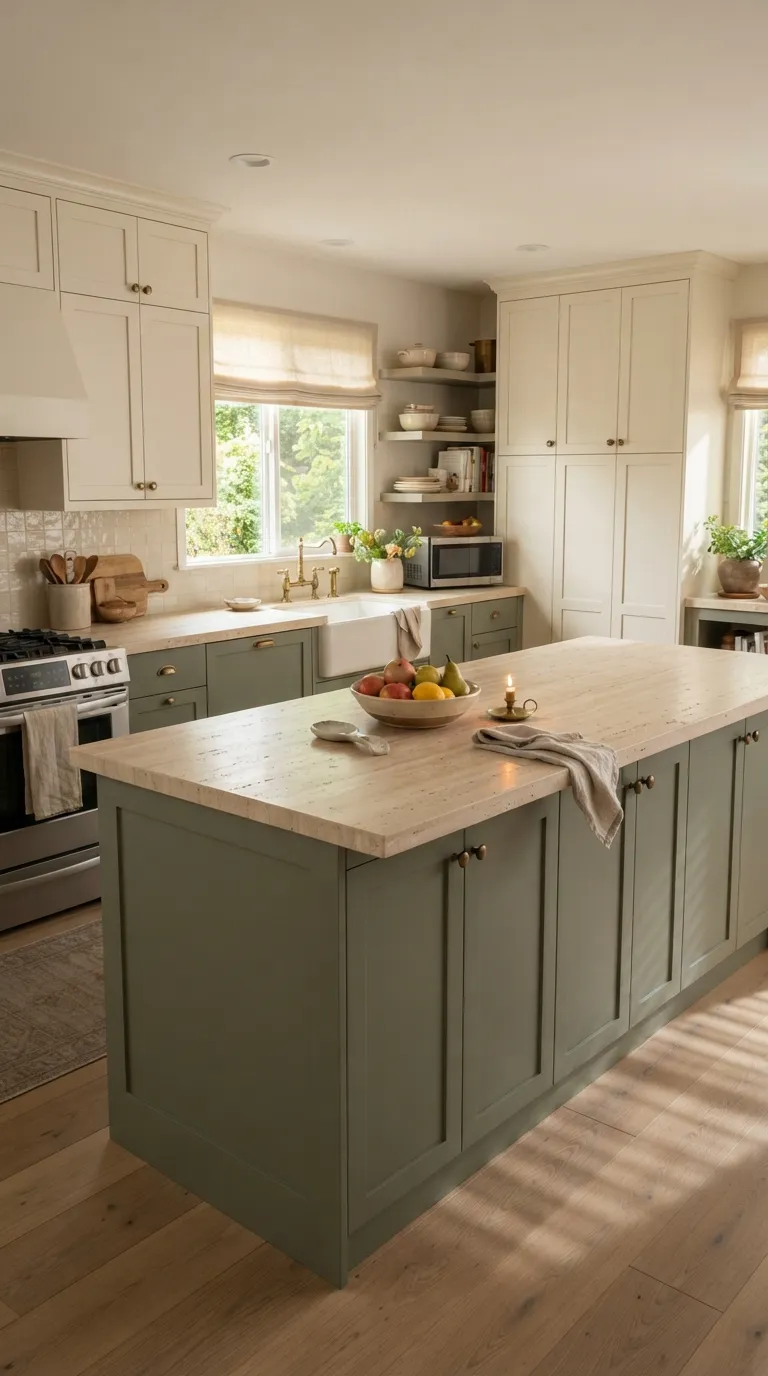
Two-tone cabinets can make a Sage Green and Cream Kitchen feel more balanced. Keep sage on the lower cabinets to ground the room, then use cream above eye level to maintain an airy feel.
Brass hardware adds a warm note without competing with the green. Choose one metal finish for knobs, faucets, and lighting so the details feel connected from one area to the next.
5. Cream Backsplash With Sage Cabinets
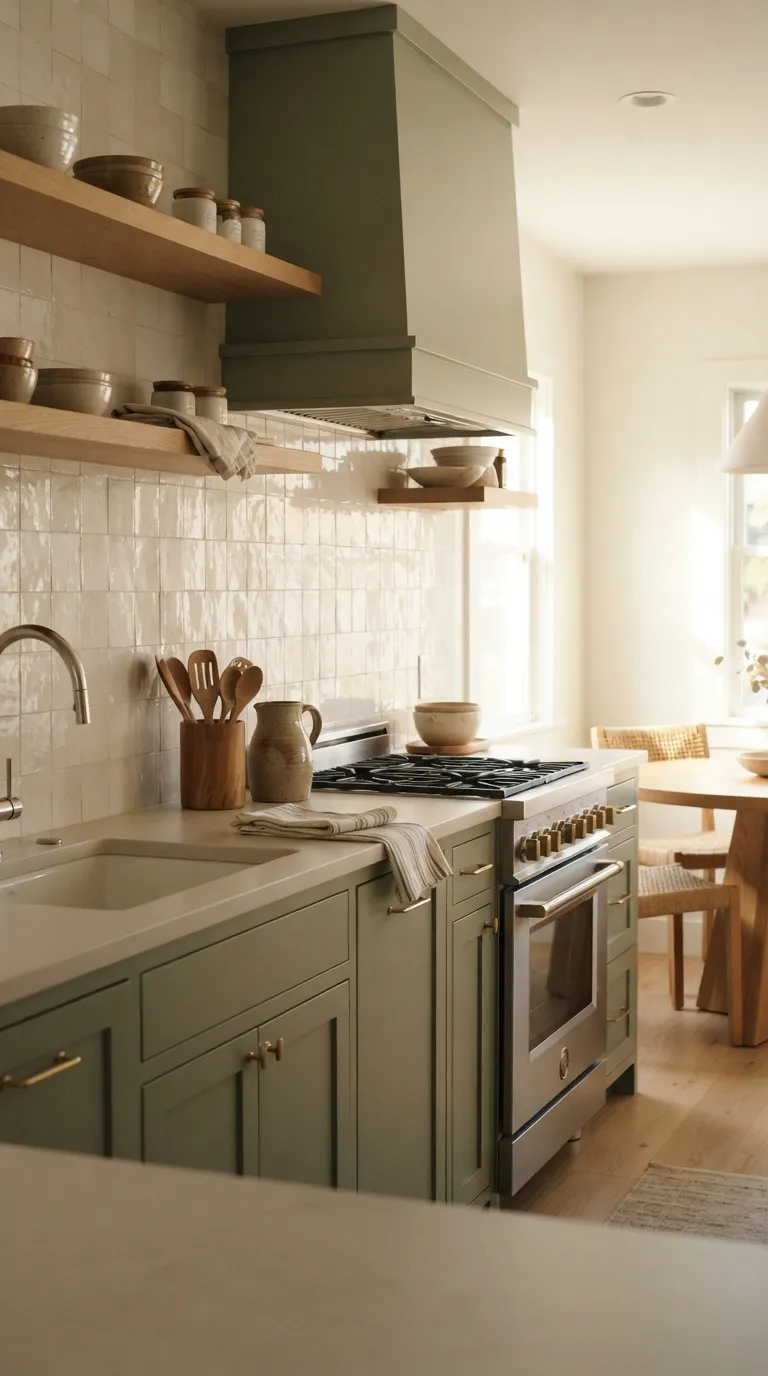
A cream backsplash gives sage cabinetry a clean backdrop while adding texture to the cooking area. Small tile variations can keep the wall from looking too flat or overly polished.
Try a warm cream rather than a stark white. That small color change can make the green cabinets feel softer, especially when paired with oak shelves, stone counters, and natural woven pieces.
6. Sage Green Cabinets With Natural Wood
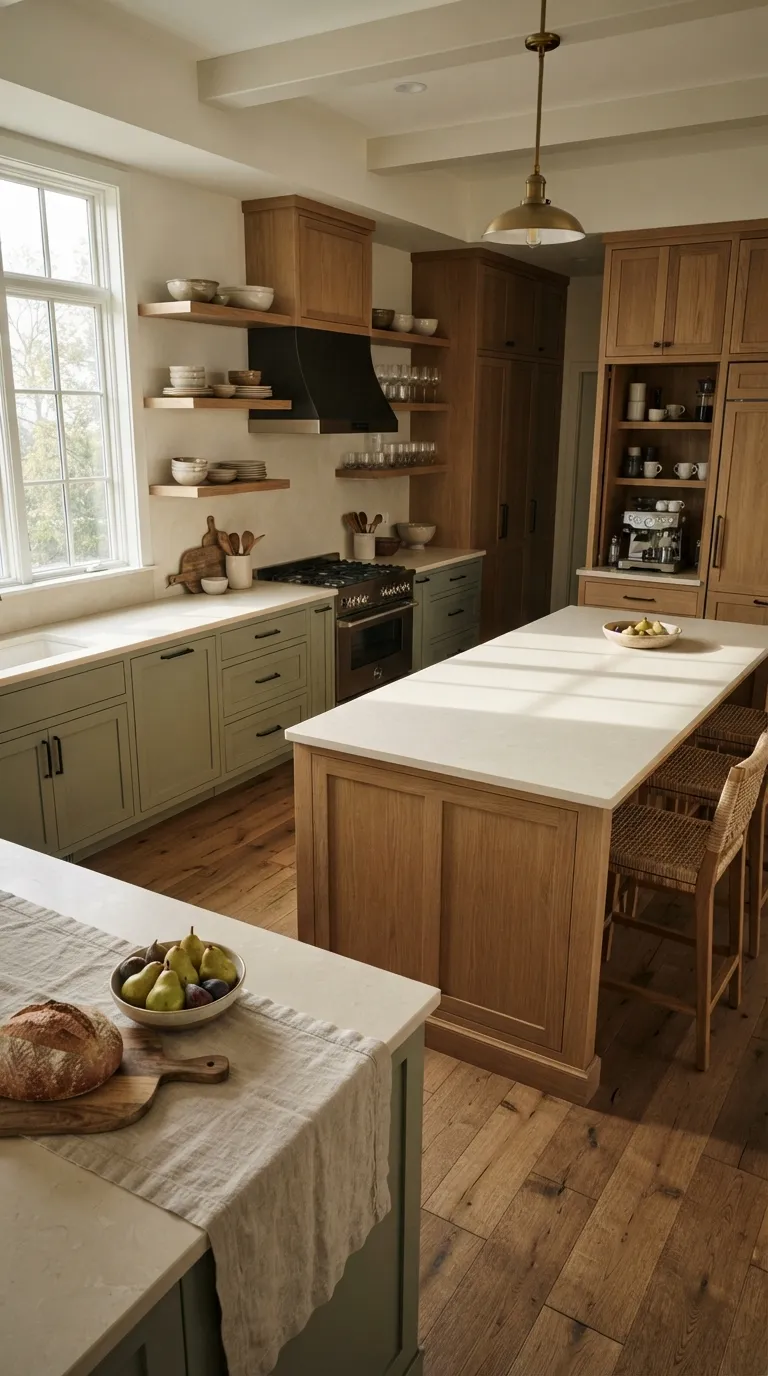
Natural wood gives sage cabinetry a warmer, more grounded feel. Oak is especially useful when you want the room to feel relaxed instead of overly formal.
Use wood in one or two strong areas, such as the island base or open shelving. Cream walls and counters can then keep the kitchen light while the wood adds depth and a touch of nature.
7. Sage Green Pantry Wall With Cream Shelving
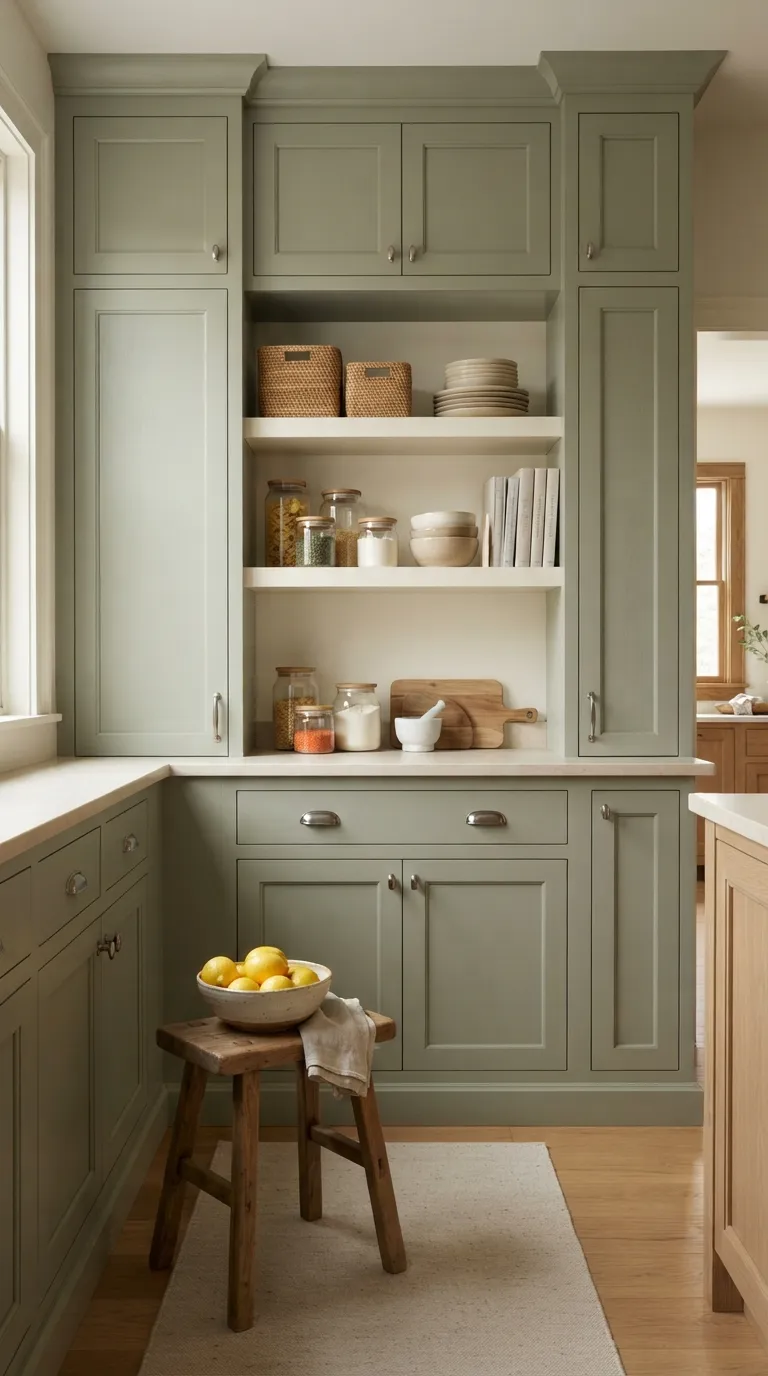
A pantry wall gives sage green a chance to become the kitchen’s main storage color. Cream shelving breaks up the cabinetry and provides room for everyday dishes, baskets, and serving pieces.
Keep open shelves edited rather than packed. A few cream ceramics, woven baskets, and wooden utensils can make the storage look useful while keeping the Sage Green and Cream Kitchen visually calm.
8. Cream Quartz Island With Sage Base Cabinets
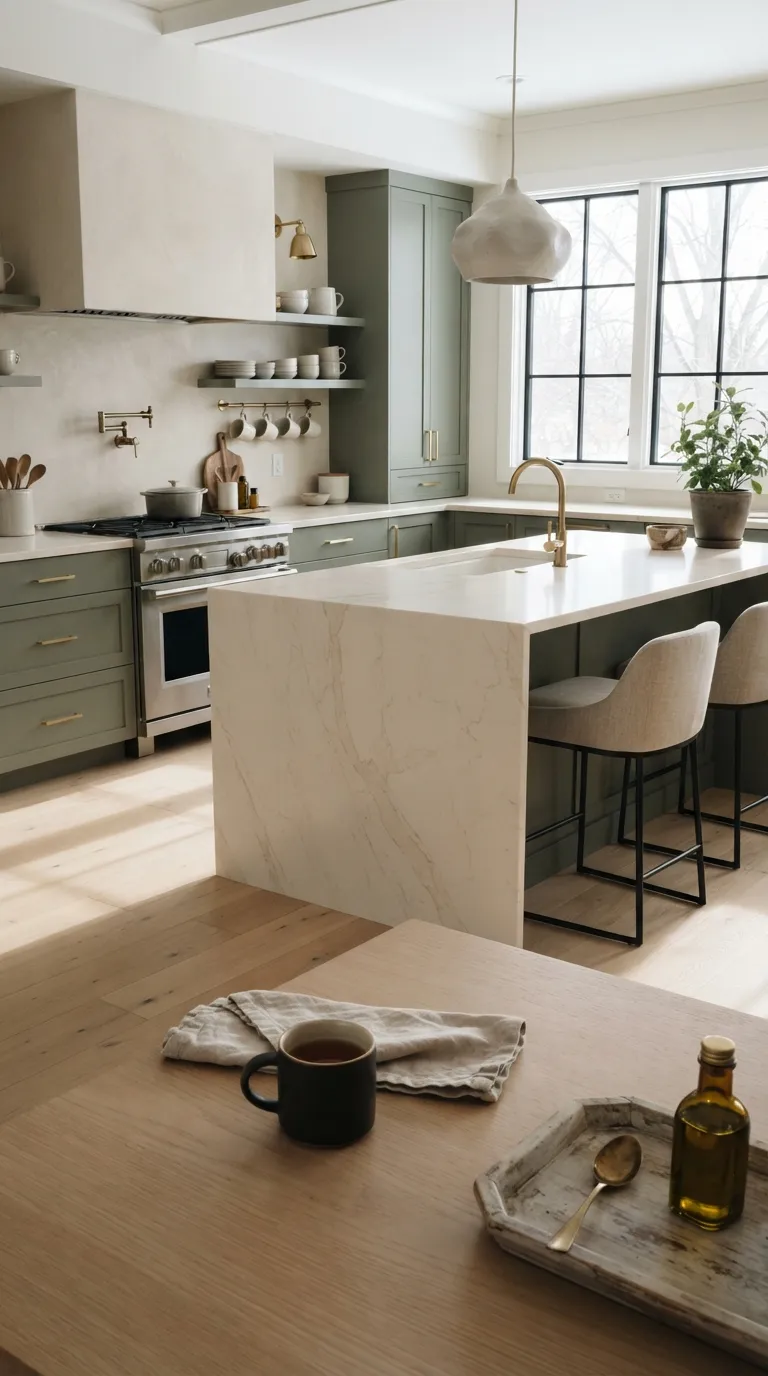
A cream quartz island can make sage cabinetry feel lighter and more polished. The broad pale surface also gives you a practical spot for chopping, serving, or setting out breakfast.
For a cohesive look, repeat the cream tone on the backsplash or walls. Add oatmeal upholstery and warm metal hardware to bridge the contrast between the green cabinet bases and light stone.
9. Sage Green and Cream Cottage Kitchen
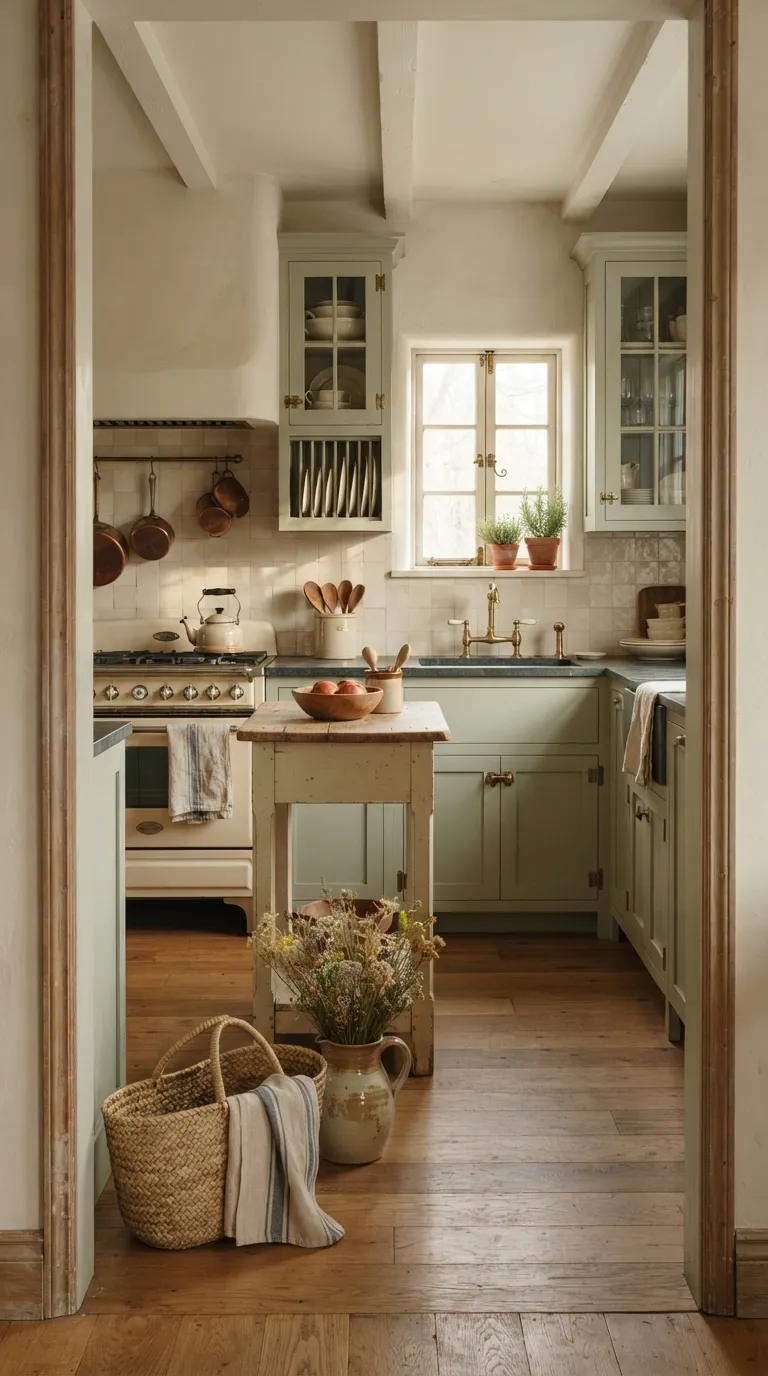
A cottage kitchen suits sage and cream particularly well because both colors feel at home beside painted wood and handmade materials. Raised cabinet panels, a farmhouse island, and a plaster hood can give the room a relaxed character.
Keep the cottage look fresh with restrained accessories. Cream ceramics, aged brass, natural oak, and a little greenery are enough to create warmth without making the room feel themed.
10. Sage Green Lower Cabinets With Open Shelves
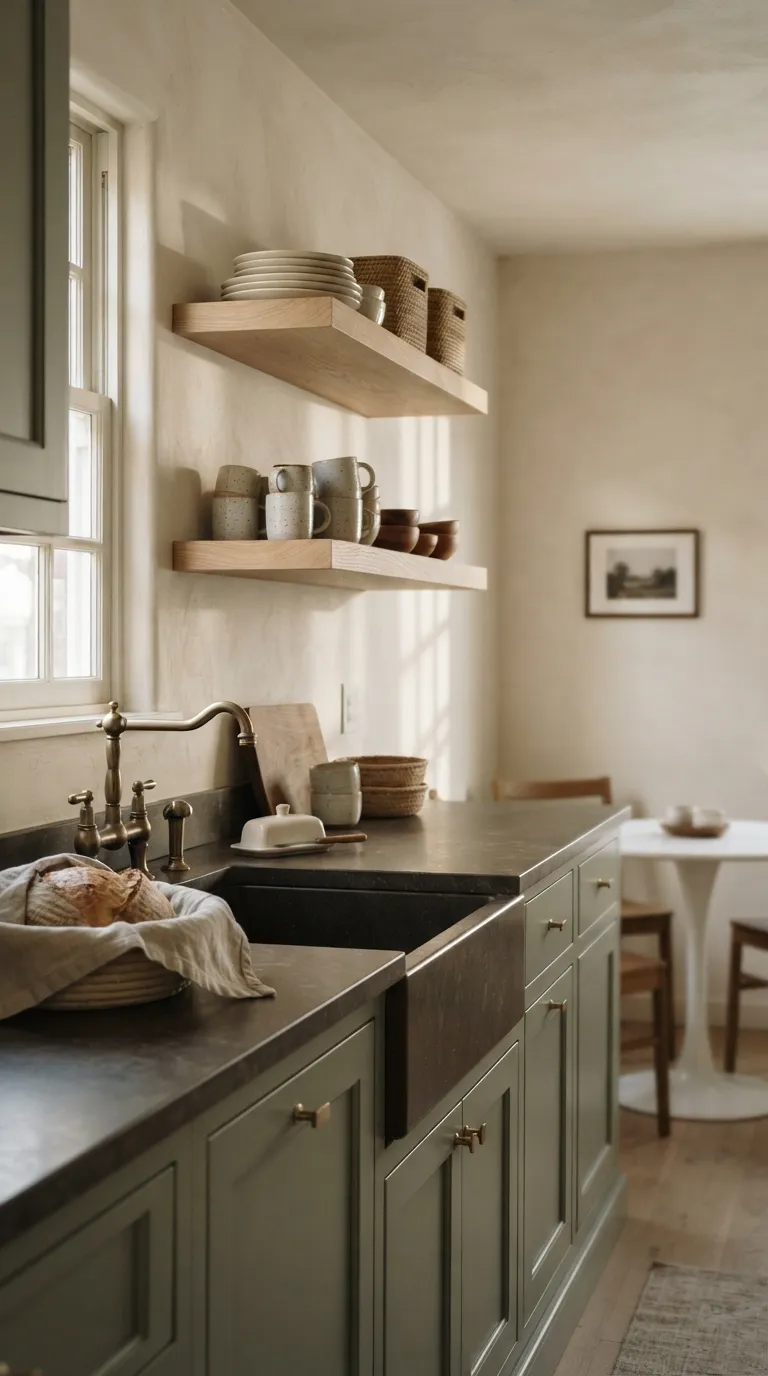
Open shelving works well when you want the upper half of your kitchen to feel less enclosed. Sage lower cabinets provide a solid base, while cream-toned shelves keep the wall visually light.
Choose shelves with enough depth for everyday pieces, but don’t fill every inch. A mix of stacked dishes, wood, and woven storage can give your Sage Green and Cream Kitchen a relaxed, lived-in feel.
11. Soft Sage Cabinets With Cream Subway Tile
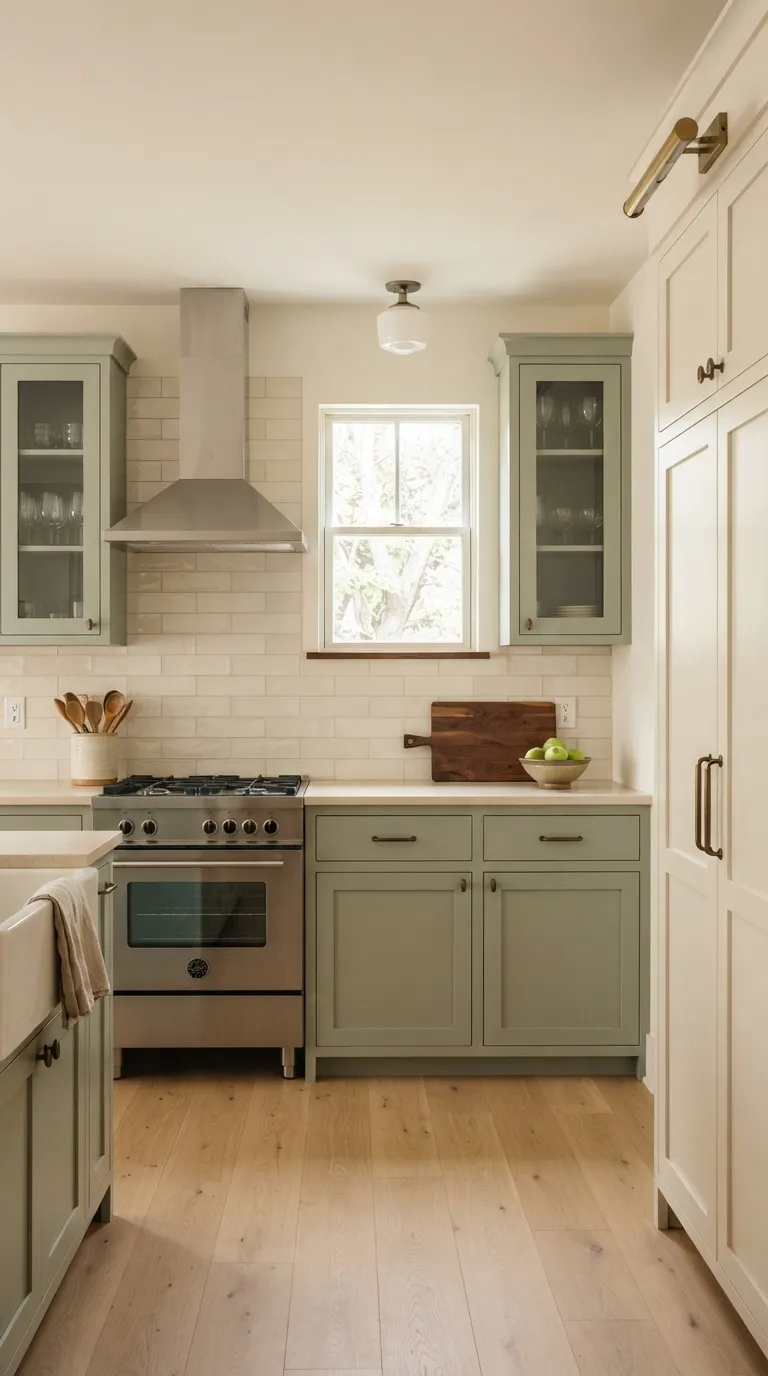
Cream subway tile is a dependable partner for sage cabinets because its familiar shape keeps the room classic. A slightly warm tile color prevents the palette from feeling cold or stark.
Try matching the grout closely to the tile for a softer wall. If you want more definition, a warm gray grout can outline each tile without introducing another strong color.
12. Sage Green Kitchen With Cream Pendant Lights
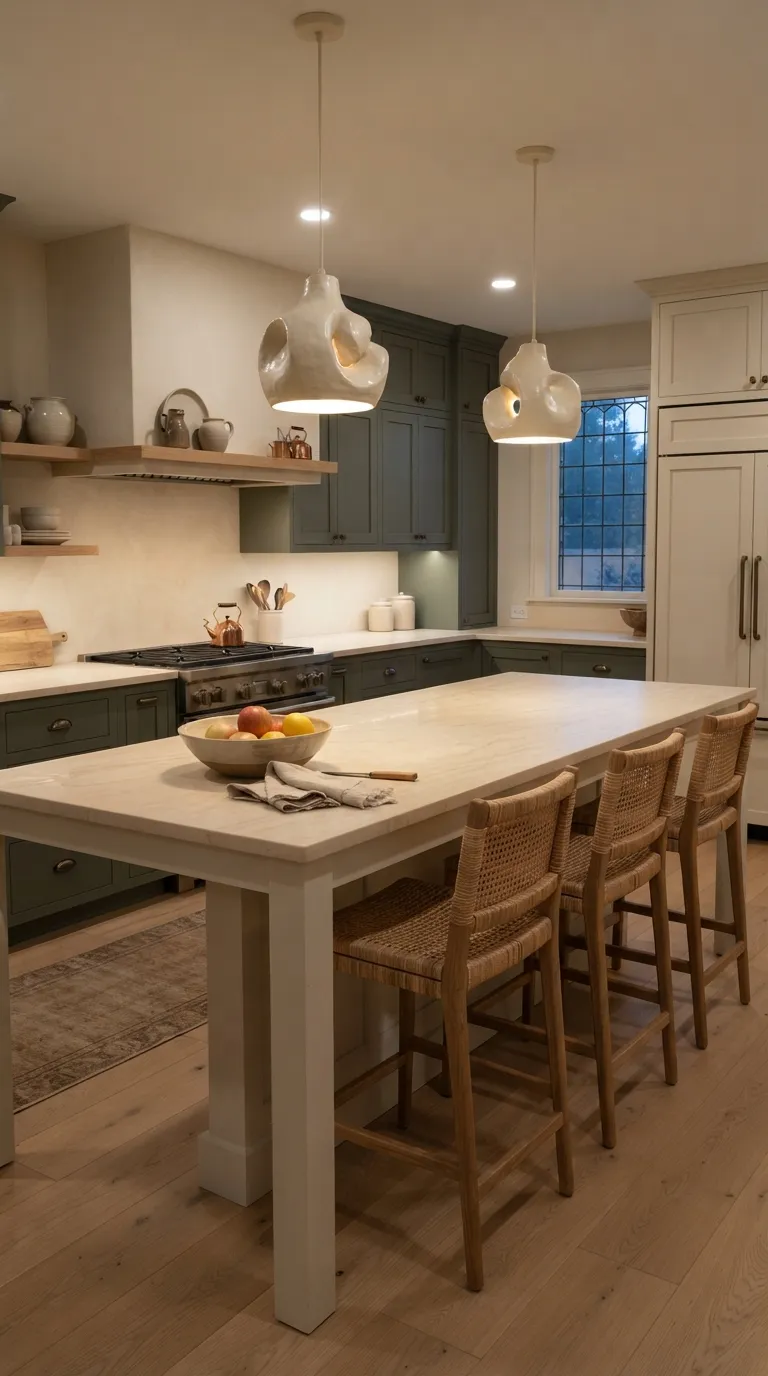
Cream pendant lights can soften a darker sage kitchen while adding a clear focal point above the island. Look for rounded or softly shaped fixtures if you want the room to feel relaxed.
Keep the pendants large enough to suit the island without blocking sightlines. Pair them with warm metal hardware and cream stone so the lighting feels like part of the overall palette rather than a separate feature.
13. Sage Green Cabinets With Cream Appliances
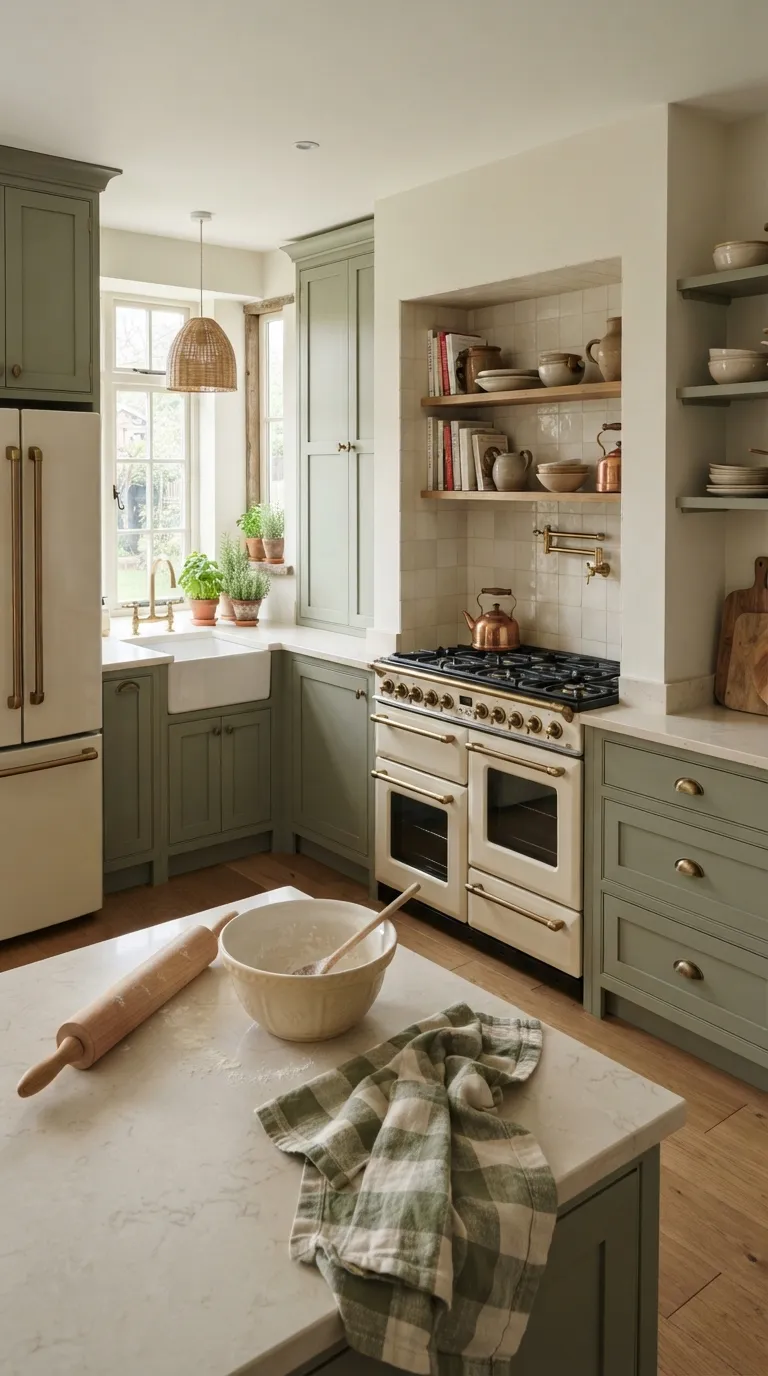
Cream appliances can make sage cabinetry feel softer and more intentional. Instead of treating the range or refrigerator as a purely functional piece, let its warm finish become part of the kitchen’s color scheme.
This pairing suits both cottage and traditional spaces. Add brass hardware, pale counters, and simple ceramic accessories to keep the palette cohesive from the cooking area to the pantry.
14. Small Sage Green and Cream Kitchen
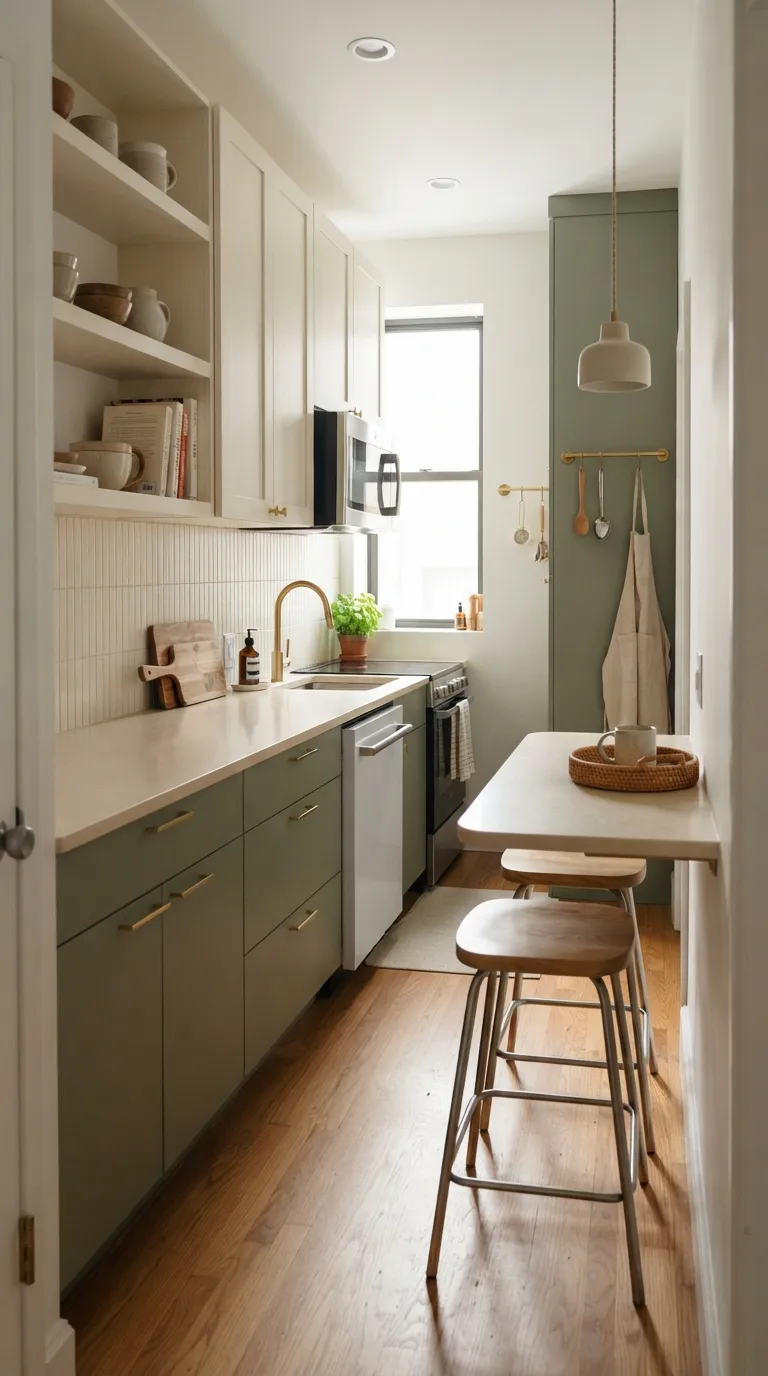
A small kitchen doesn’t need many colors to feel full of character. Use sage on the lower cabinets and cream above to keep the visual weight low while still adding personality.
Make every surface work hard. A peninsula with seating, vertical backsplash tile, and a tall pantry can provide useful storage and function without making the room feel cramped.
15. Cream Marble Backsplash With Sage Cabinetry
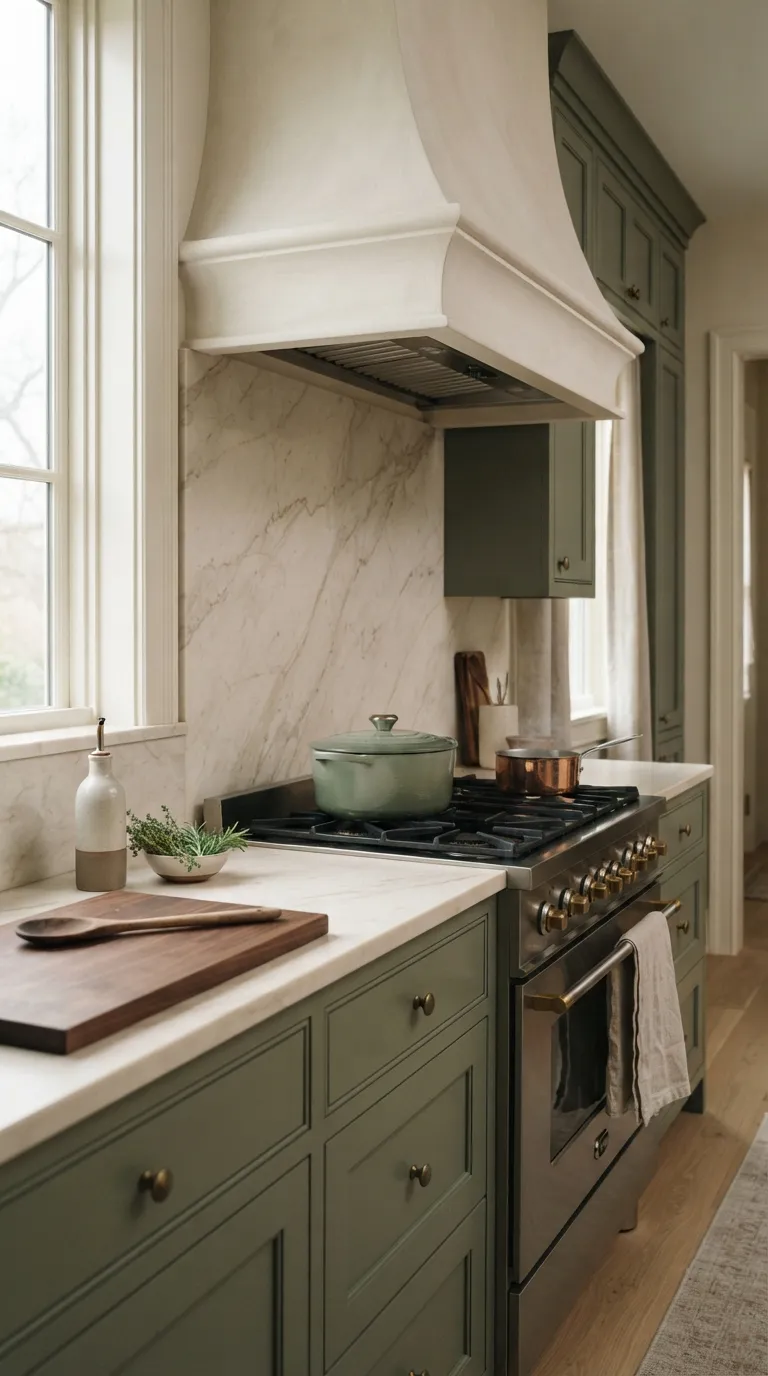
A full-height cream marble backsplash gives sage cabinetry a refined backdrop. The natural veining also introduces gentle movement, which keeps a two-color palette from looking too uniform.
If marble isn’t practical for your budget, porcelain slabs or marble-look quartz can create a similar visual effect. Keep the veining soft so it supports the sage and cream palette instead of becoming the room’s main feature.
16. Sage Green Cabinets With Cream Wood Accents
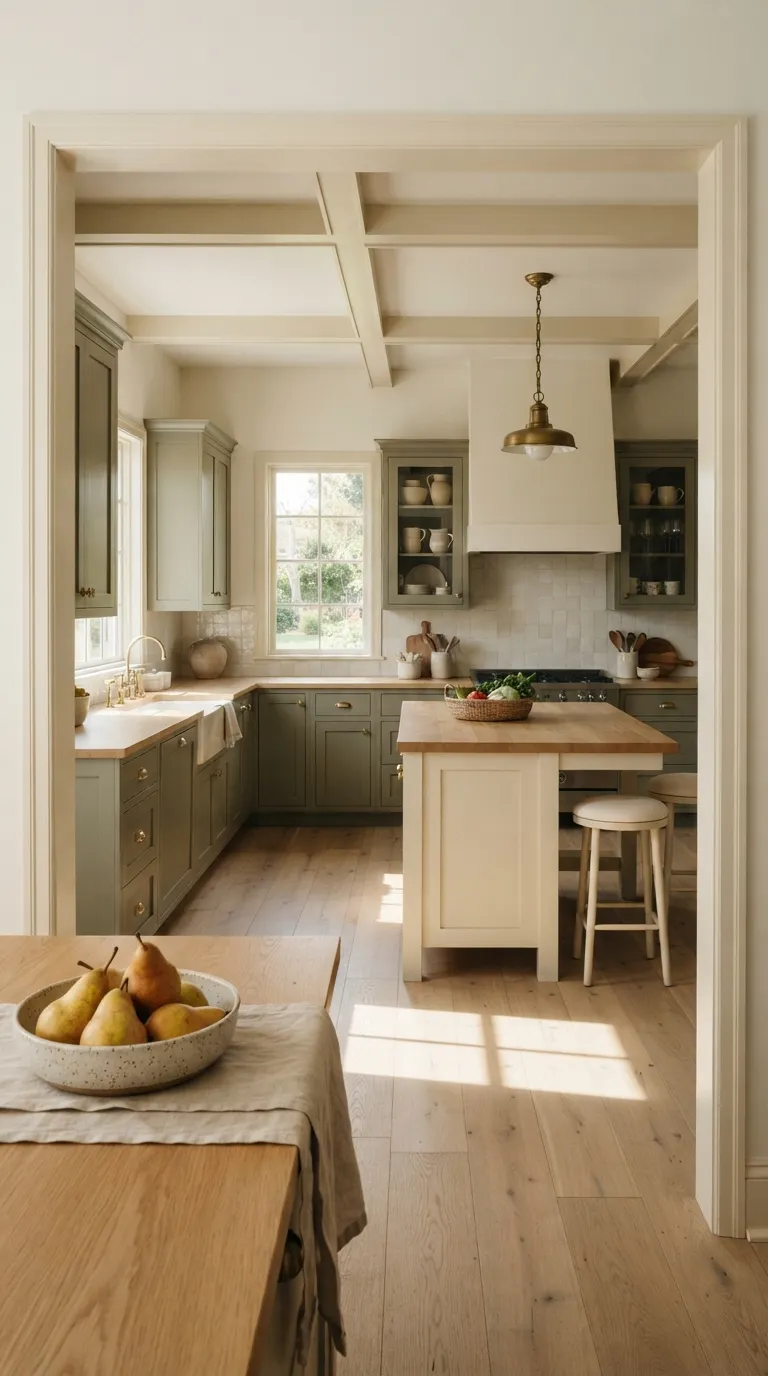
Cream-painted wood details can make a sage kitchen feel softer from floor to ceiling. Consider using cream on beams, an island base, trim, or a built-in cabinet to repeat the lighter tone in several places.
This approach works best when the finishes vary slightly. A matte cabinet, lightly textured tile, and smooth painted wood can create depth while keeping the color palette simple.
17. Sage Green Cabinets and Cream Farmhouse Sink
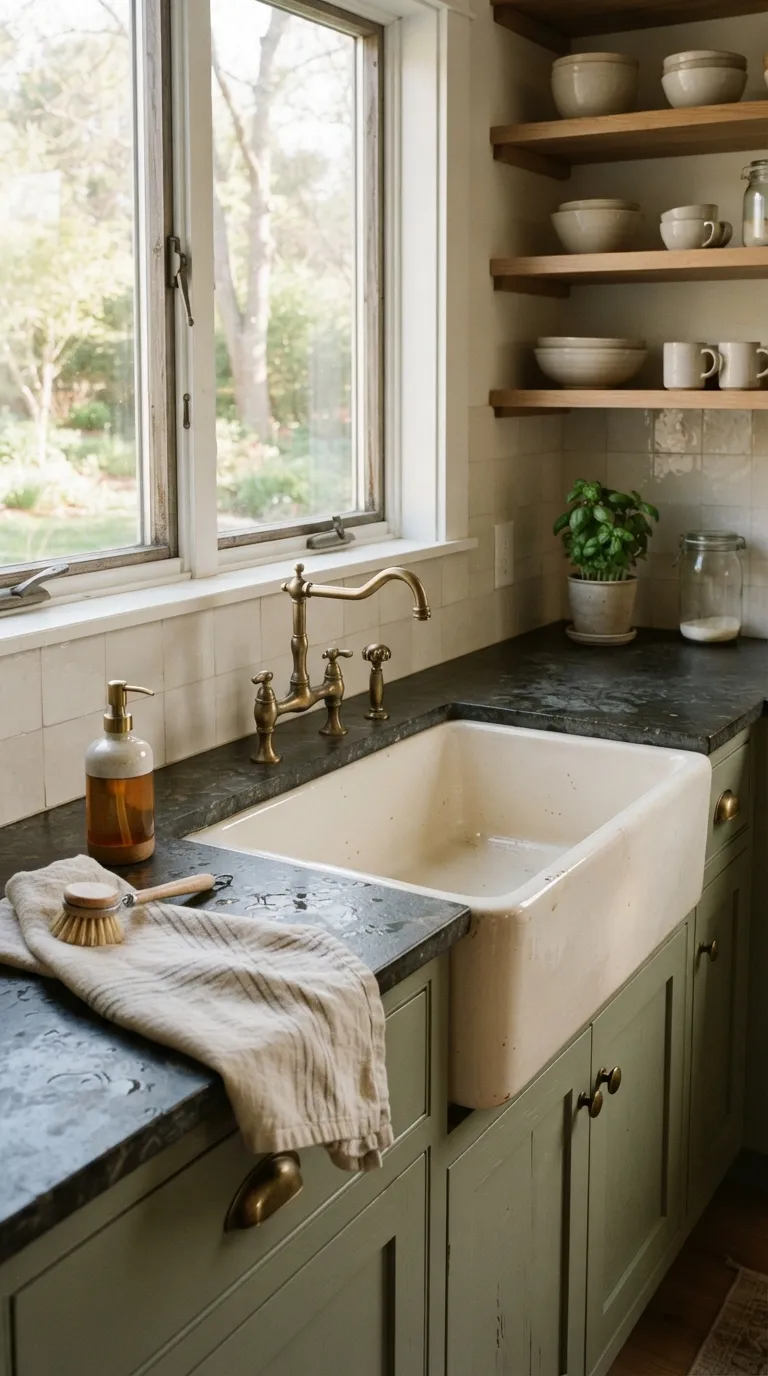
A cream farmhouse sink fits naturally into a Sage Green and Cream Kitchen. Its broad apron front adds a light architectural detail while connecting with cream counters, tile, and walls.
Choose a sink with a simple profile if your cabinets already have plenty of detail. Brass hardware and a warm stone counter can tie the sink area into the rest of the room without making it feel overly rustic.
18. Modern Sage Green and Cream Kitchen
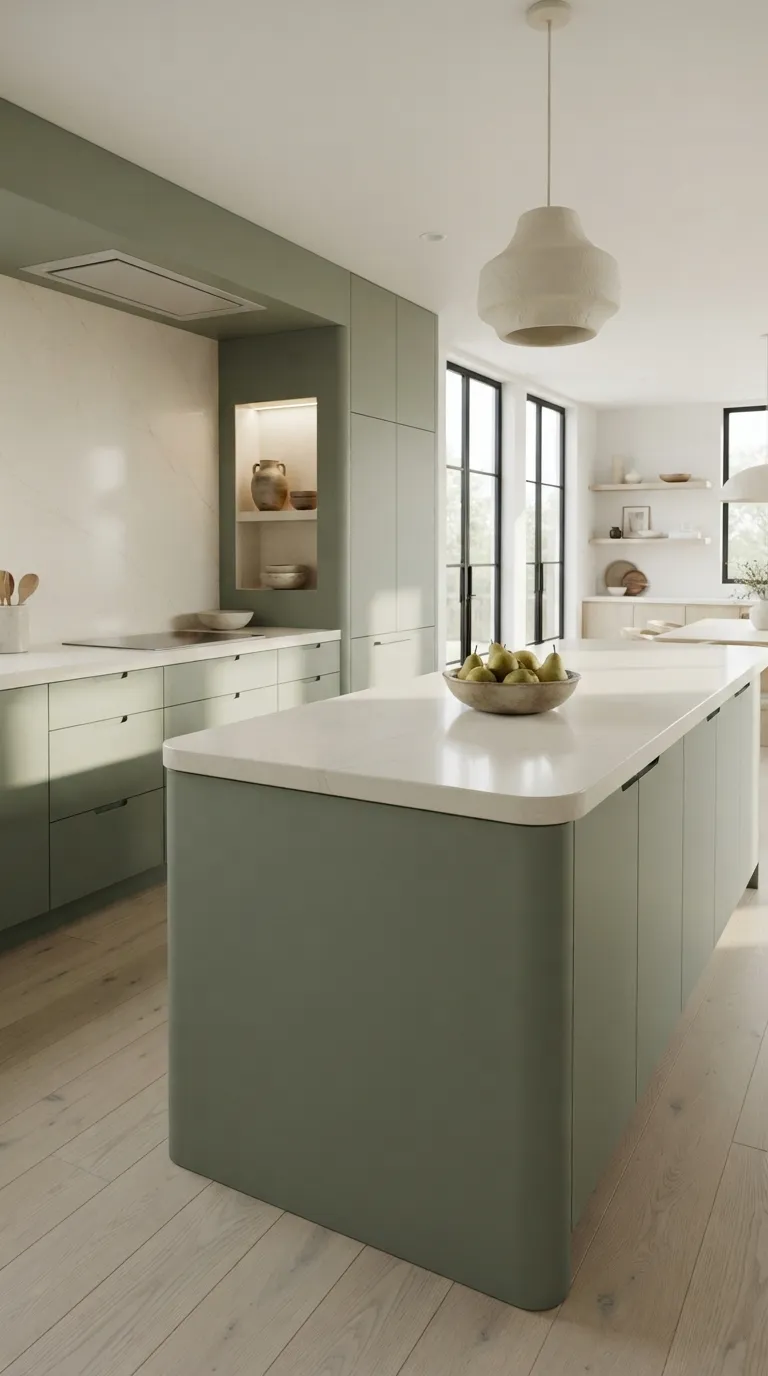
Modern kitchens can use sage and cream without relying on traditional cabinet details. Flat-front doors, integrated pulls, large stone surfaces, and clean lines give the palette a crisp direction.
Let texture do some of the visual work. A honed quartz counter, pale ash flooring, and matte sage cabinetry provide enough variation to keep a minimalist kitchen from feeling stark.
19. Sage Green Cabinets With Cream Roman Shades
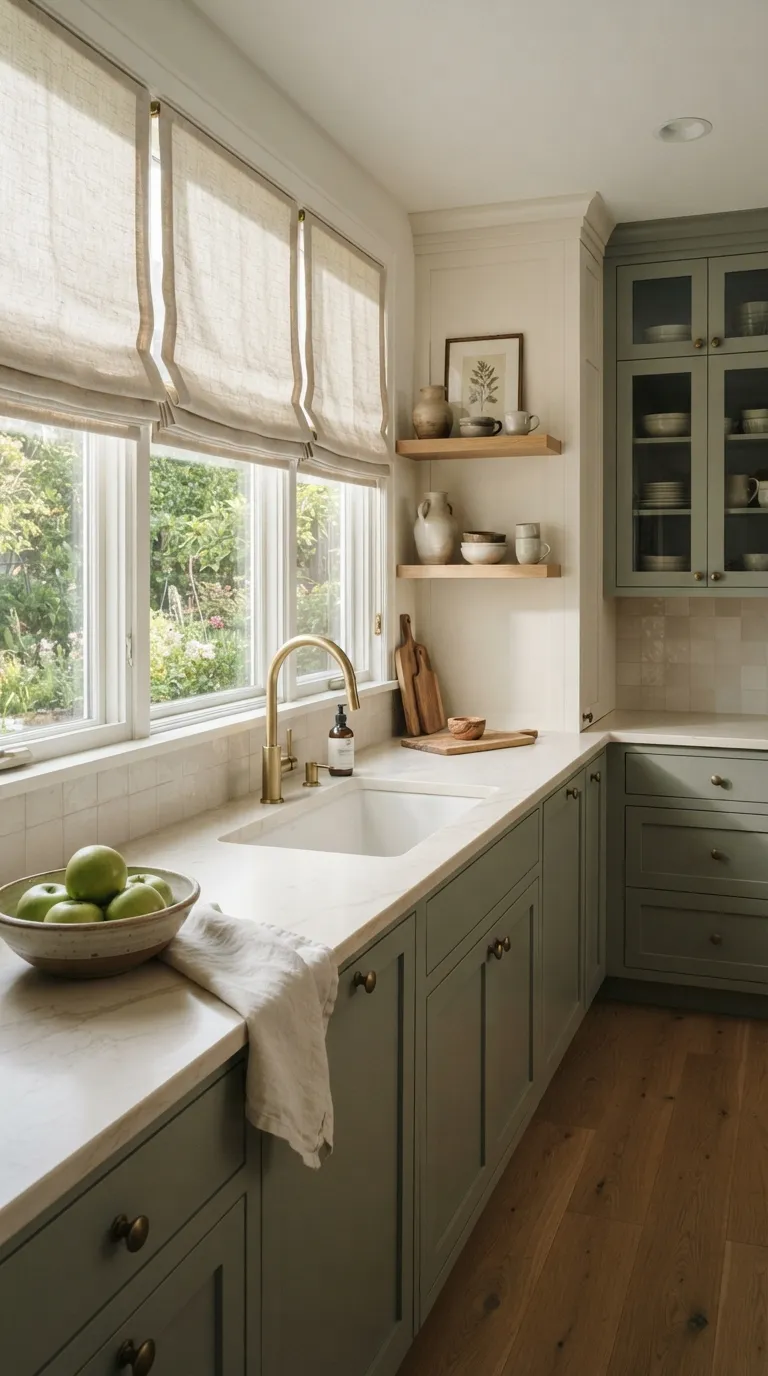
Window treatments can bring the cream side of the palette beyond cabinets and countertops. Linen Roman shades add softness while filtering sunlight into a kitchen with a gentle glow.
Choose a shade close to your wall or countertop color rather than an exact match. That small variation keeps the room from looking too coordinated and gives the Sage Green and Cream Kitchen a more natural feel.
20. Sage Green Island With Cream Counter Stools
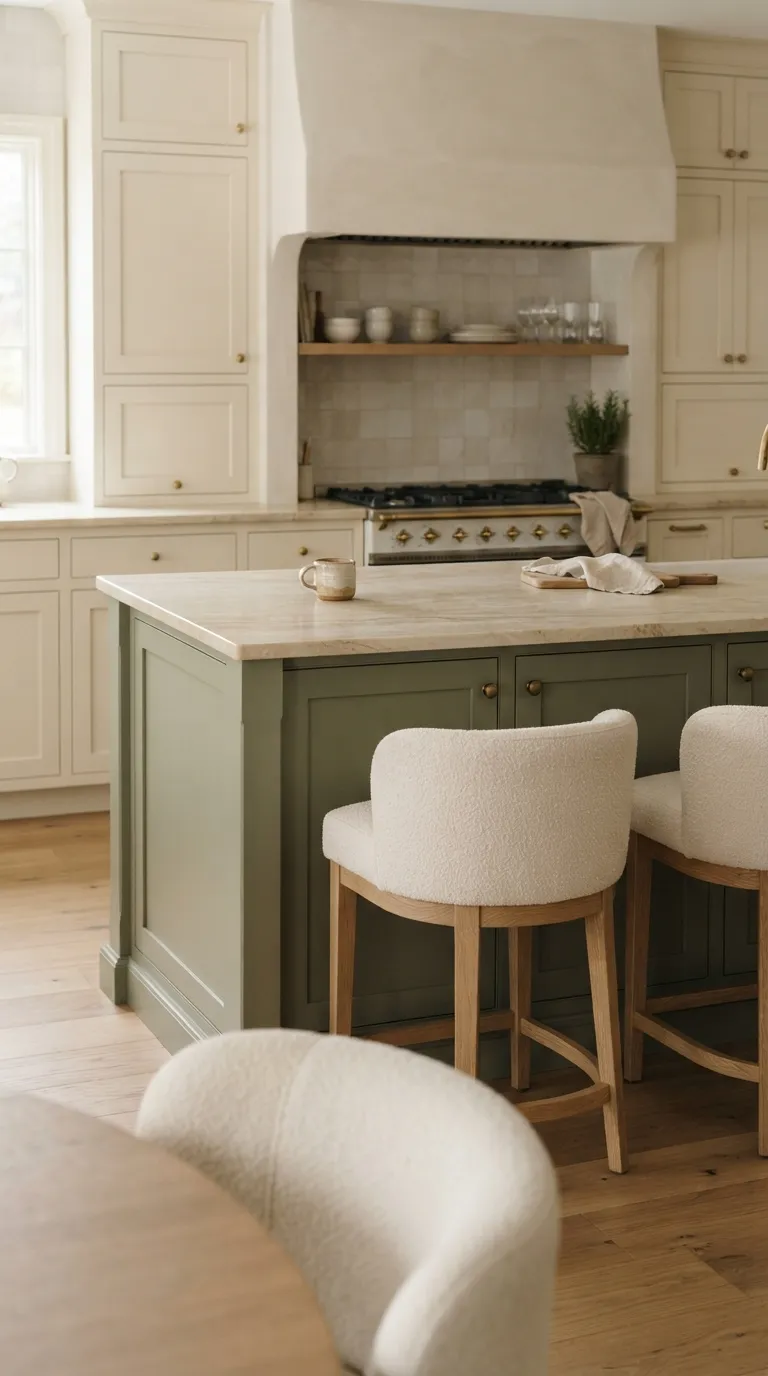
An island can carry the strongest dose of sage while cream stools keep the seating area light. This setup works particularly well when the rest of the kitchen uses pale cabinetry or walls.
Look for stools with rounded silhouettes and washable upholstery for a softer look. Natural oak legs can connect the seating to wood accents elsewhere in the room.
21. Cream Walls With Sage Green Cabinetry and Oak
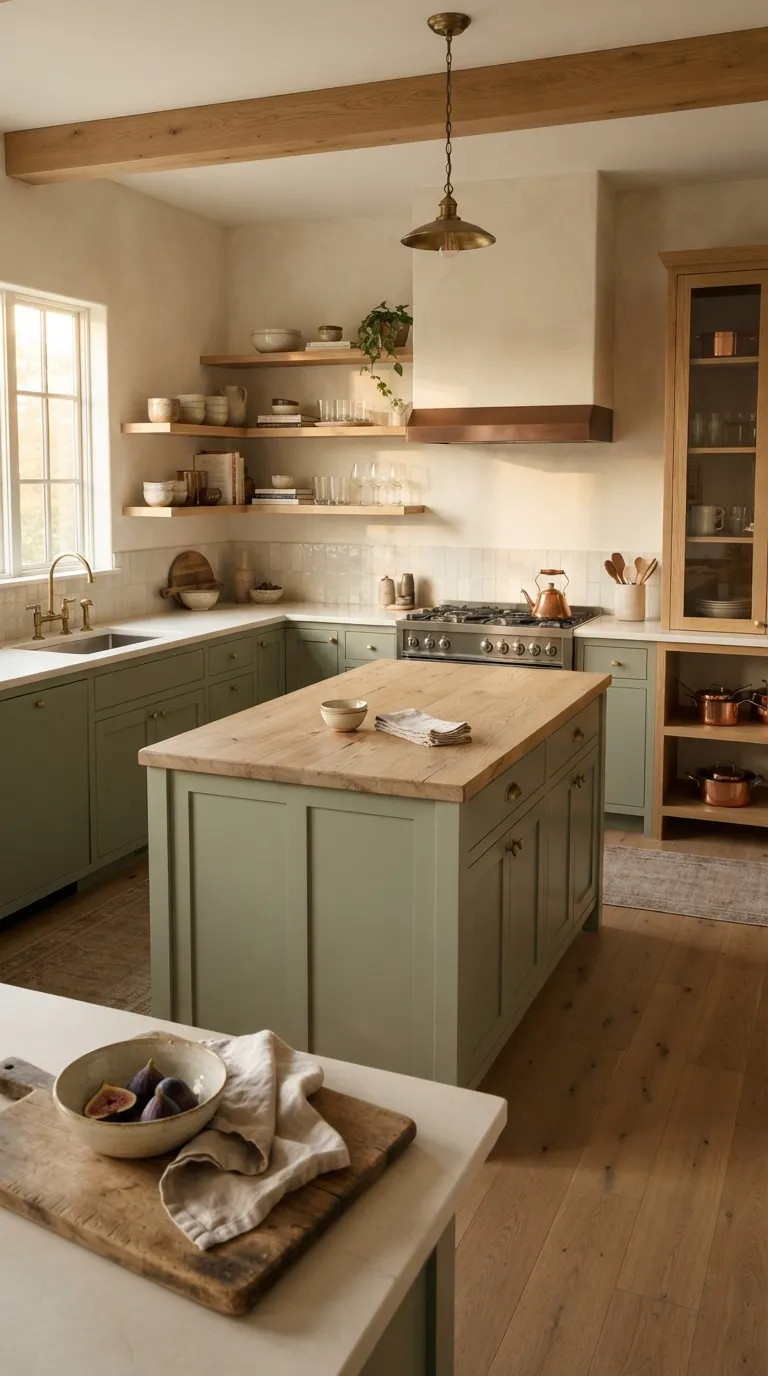
Cream walls can make sage cabinetry feel lighter while giving oak plenty of room to stand out. A limewashed or softly textured wall adds interest without introducing another strong color.
Use oak sparingly if the kitchen already has several wood elements. One substantial feature, such as an island top or ceiling beam, can be enough to bring warmth to the Sage Green and Cream Kitchen.
22. Sage Green Cabinets With Cream Range Hood
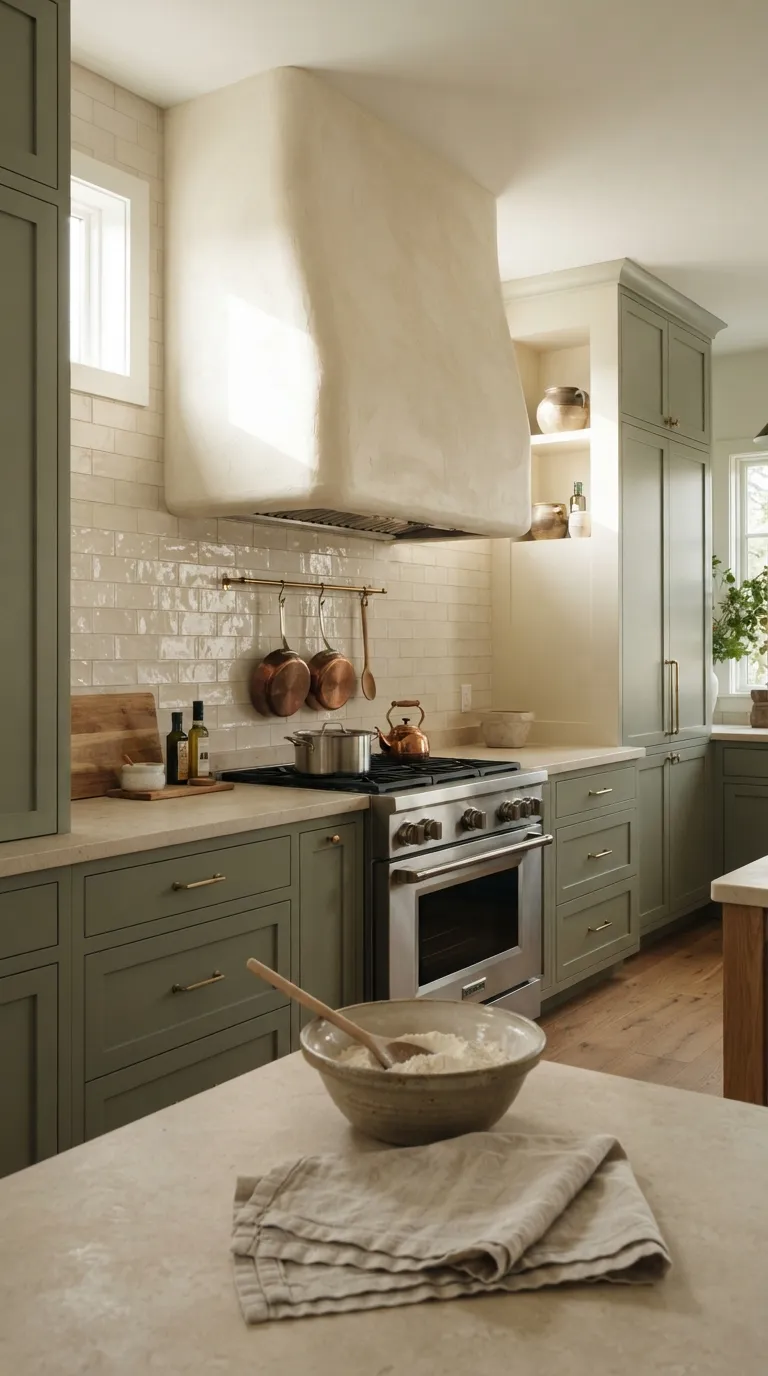
A cream range hood can break up a long run of sage cabinets and give the cooking area a clear center. Its curved or softly shaped form also adds a gentle contrast to straight cabinet lines.
Keep the hood close to the cream tone used elsewhere in the room. Matching it with the backsplash or countertop creates a visual thread that makes the two-color palette feel intentional.
23. Light Sage Green Kitchen With Cream Flooring
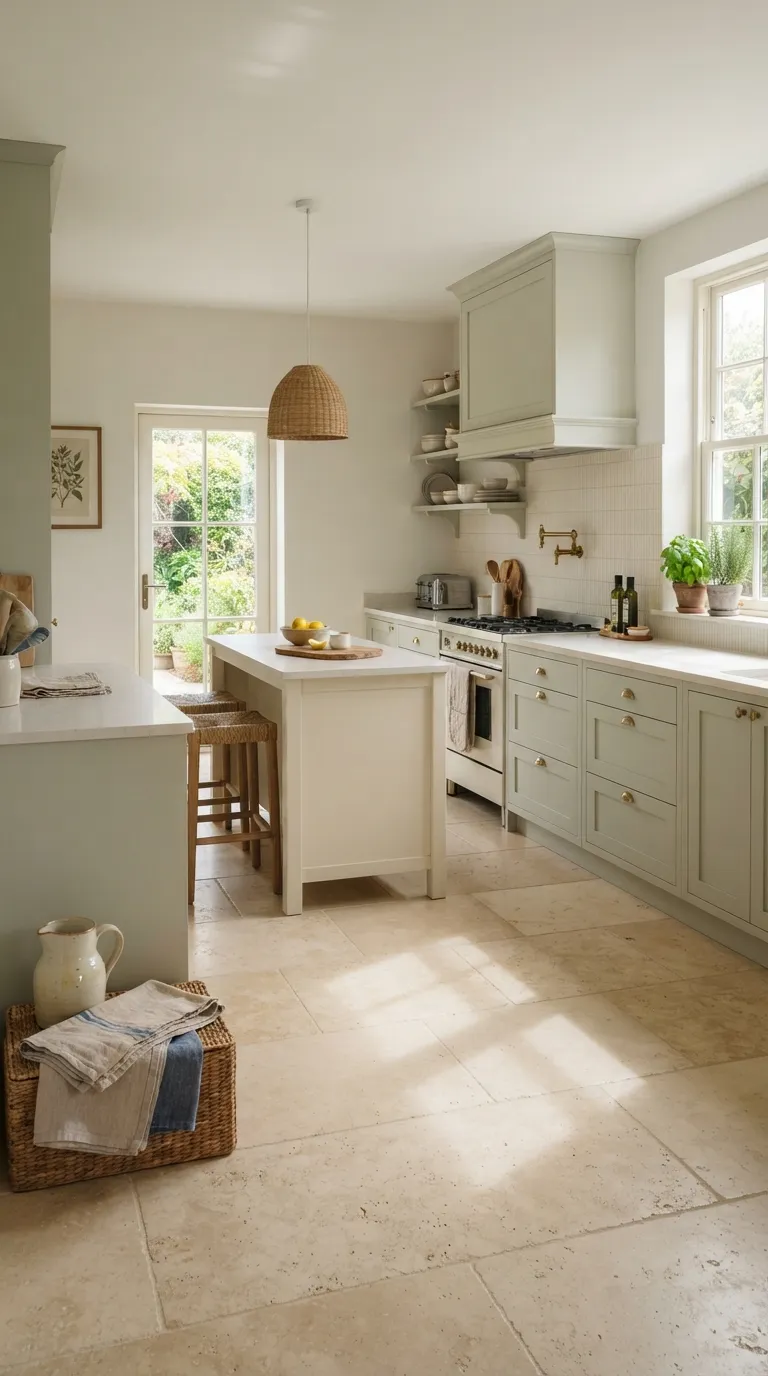
Pale sage is useful when you want the kitchen to feel especially light. Pairing it with cream flooring creates a soft base that can make cabinetry appear less visually heavy.
Natural stone flooring brings texture into the lower part of the room. If real limestone isn’t practical, a matte porcelain tile in a warm cream shade can give you a similar look with easier upkeep.
24. Sage Green and Cream Kitchen With Vintage Details
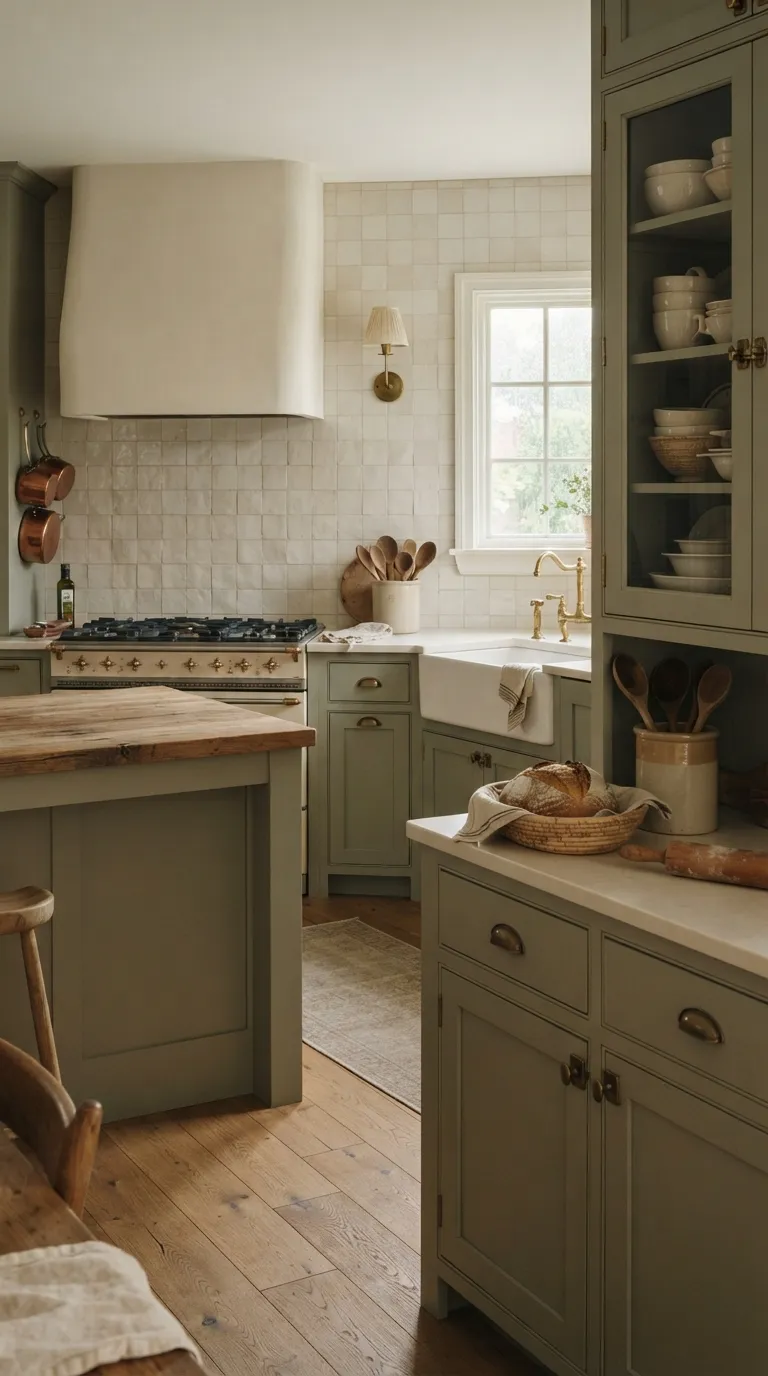
Vintage details can give a Sage Green and Cream Kitchen a sense of character without making it look old-fashioned. Beaded cabinet fronts, aged metal, enamel appliances, and reclaimed wood all work naturally with the palette.
Pick just a few pieces with an older feel. When every surface looks distressed, the room can become visually busy, but a handful of aged details can add warmth and personality.
25. Sage Green Cabinets With Cream and Brass Accents
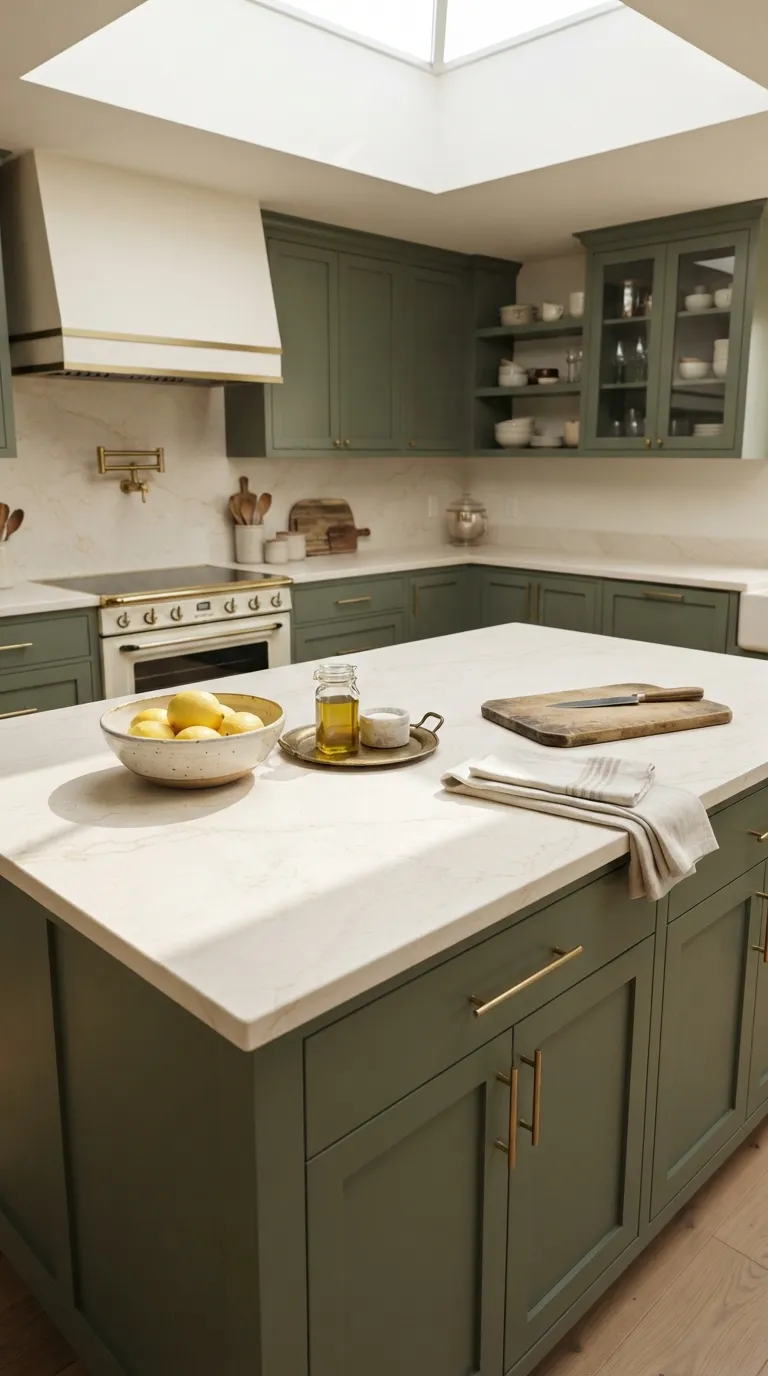
Brass accents can bring warmth to the cool side of sage while working naturally with cream surfaces. Use the metal on hardware, faucets, lighting, or a small number of decorative pieces.
The key is consistency. Repeat brass in several small areas instead of making one oversized metallic feature, and the kitchen will feel pulled together without looking overly decorated.
26. Serene Sage Green and Cream Kitchen With Layered Textures
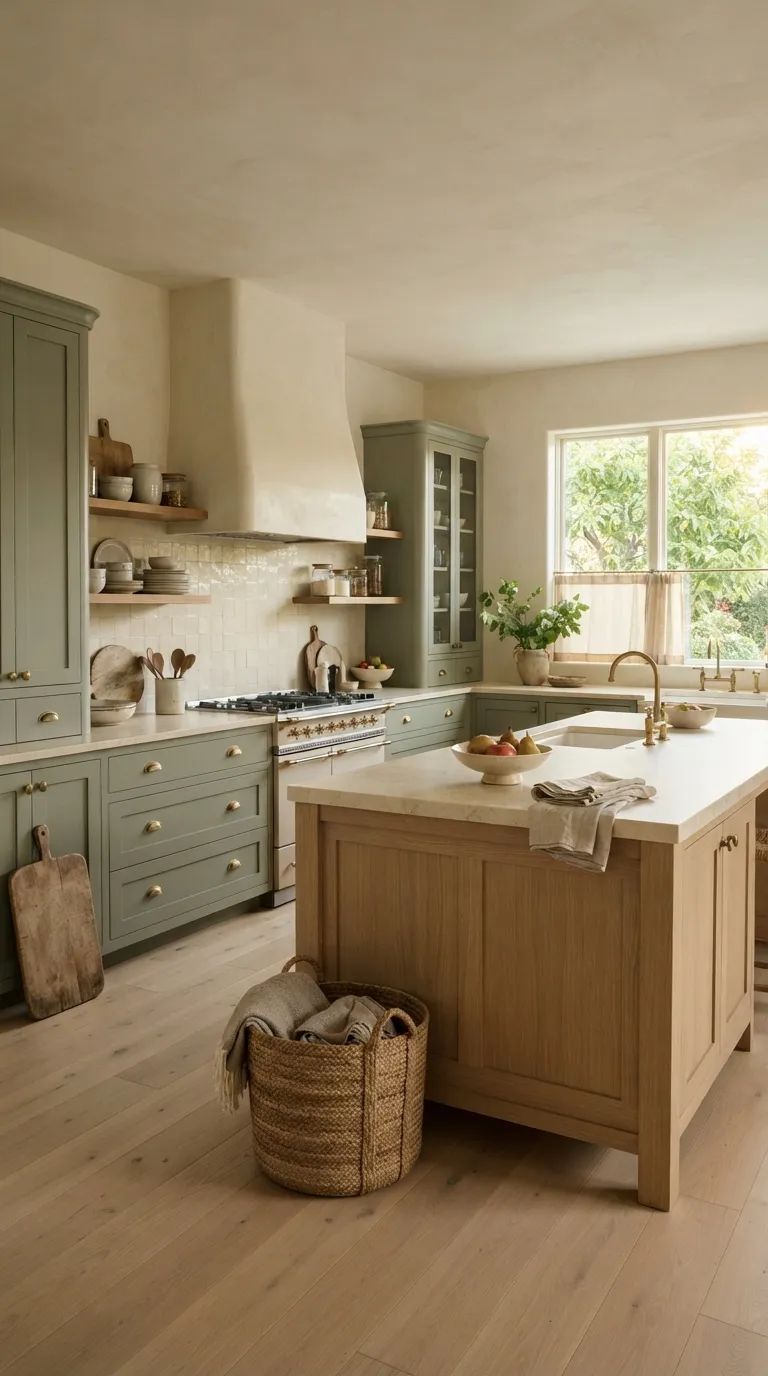
A serene kitchen needs more than two paint colors. Mix smooth stone with textured tile, painted cabinetry with natural wood, and crisp counters with soft linen to give the room quiet visual depth.
Start with the elements you already have and add one layer at a time. A cream runner, woven basket, ceramic bowl, or small wood accent may be all you need to make your Sage Green and Cream Kitchen feel warm and finished.
A Calm Finish for Your Kitchen
Sage and cream give you a flexible base for a kitchen that feels soft, warm, and personal. You can keep the look traditional with shaker cabinets and farmhouse details, or make it cleaner with flat fronts, simple stone, and minimal hardware.
Start with one main feature, such as sage cabinetry, a painted island, or a cream backsplash. Then bring in natural wood, warm metal, ceramic pieces, and linen to support the palette without crowding the room.
Elira Montclair
Elira writes about timeless home decor, kitchen styling, and practical interior ideas. Her work blends warm, inviting aesthetics with simple decorating tips that make everyday spaces feel beautiful and comfortable.