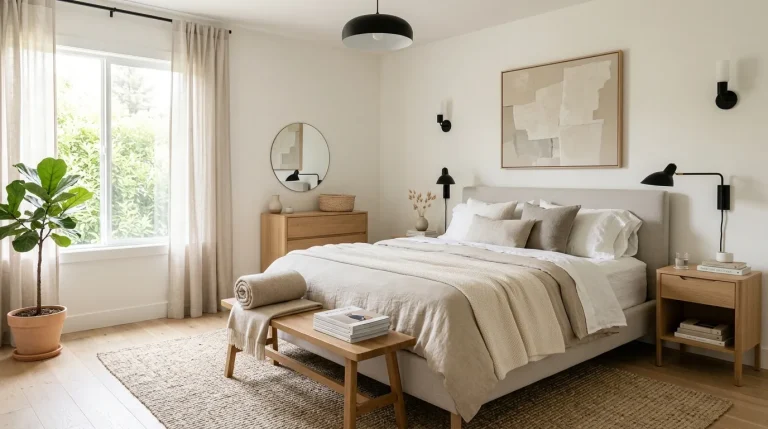
Small Bedroom Storage Ideas With Essential Hacks for Everyday Living

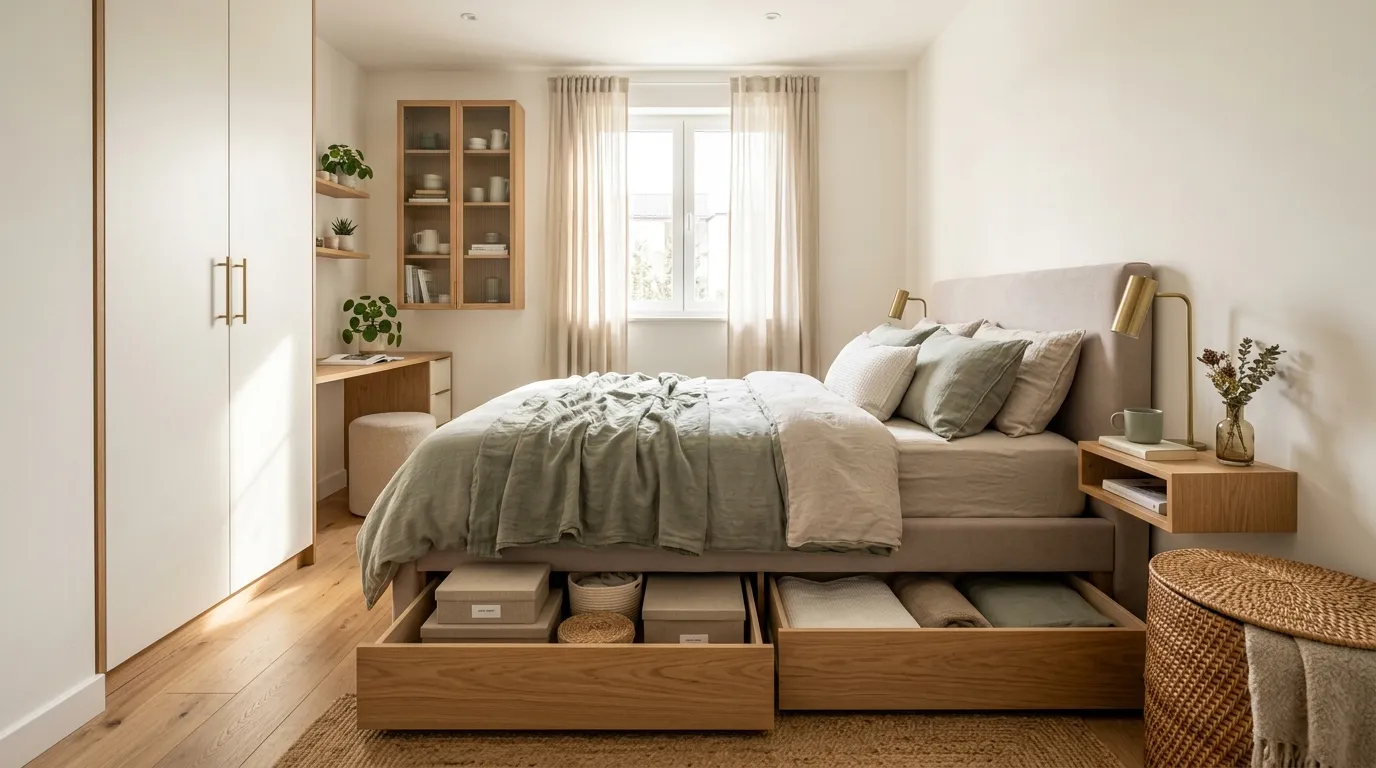
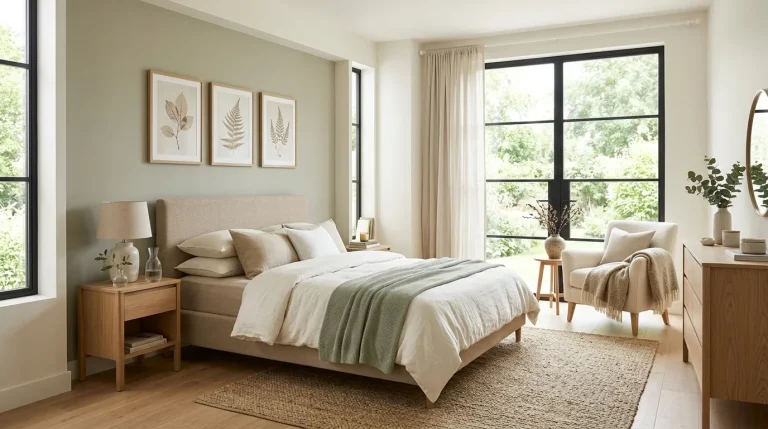
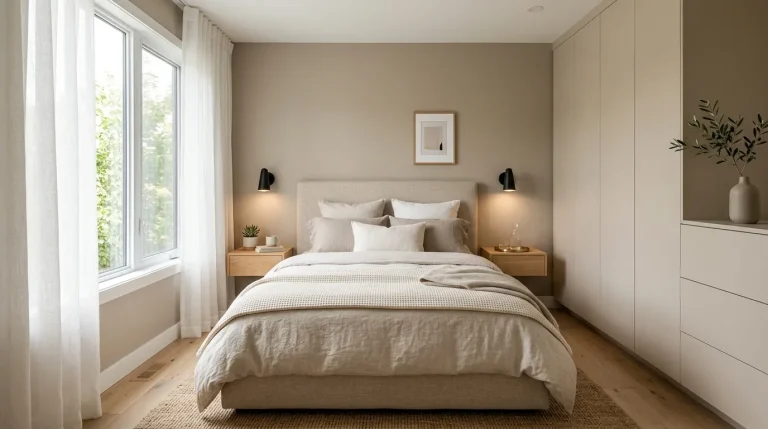
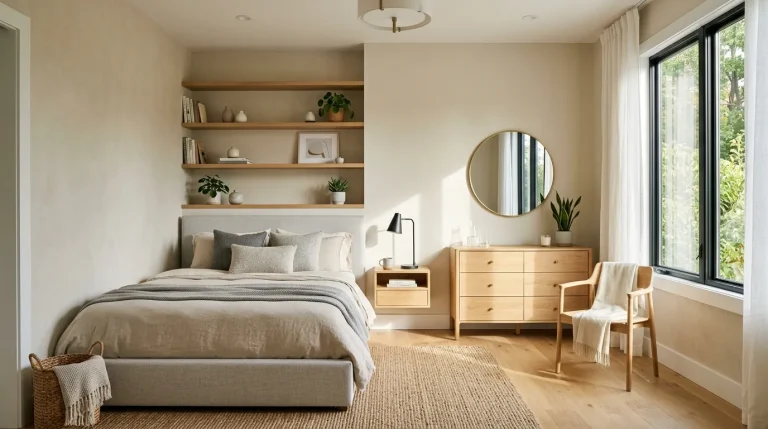
These small bedroom storage ideas show practical ways to use walls, wardrobes, beds, and overlooked corners more efficiently.Smart storage can free up floor space while keeping everyday essentials easy to find and the room visually calm.
Explore these simple ideas to create a bedroom that feels organized without feeling crowded.
Under-Bed Drawers
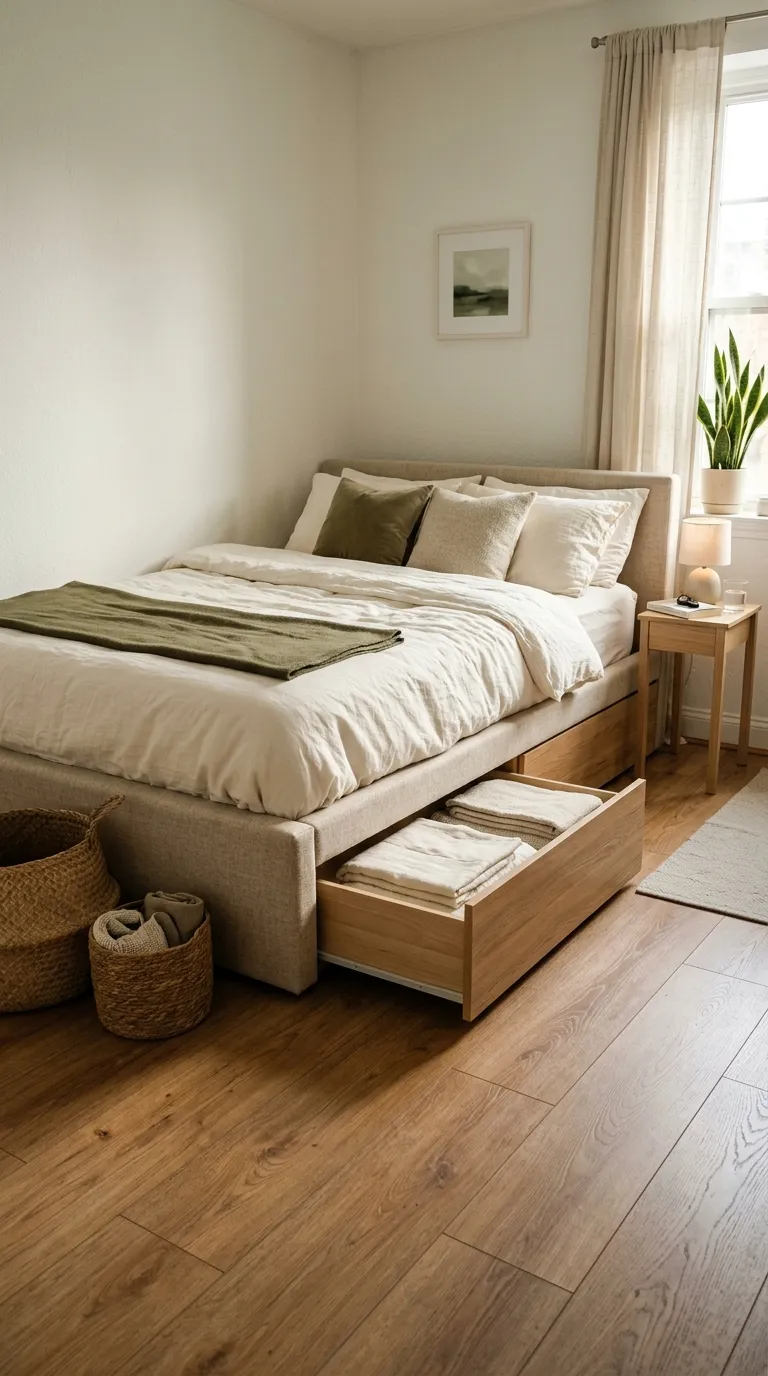
Under-bed drawers make overlooked floor space work much harder fall bedding without taking up another square foot of the room. They are especially useful for bulky bedding that would otherwise consume valuable closet shelves. For easier everyday use, assign each drawer one category instead of creating a mixed storage pile.
Floating Bedside Shelves
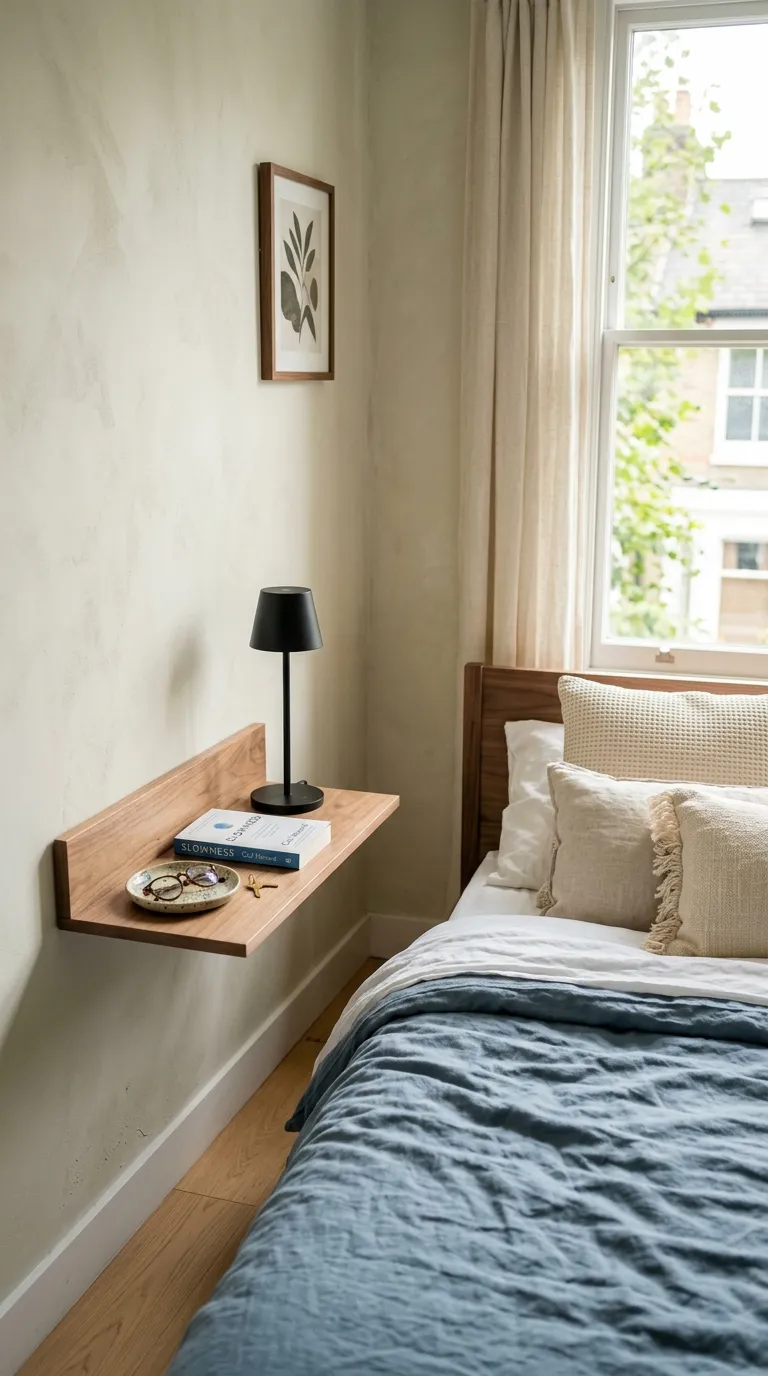
Floating shelves solve a common small-room problem: needing bedside storage without sacrificing precious floor space. Because the storage stays visually light, the room can accommodate essentials while retaining an airy feeling. The biggest benefit comes from limiting the shelf to items you genuinely reach for every night.
Door-Mounted Organizers
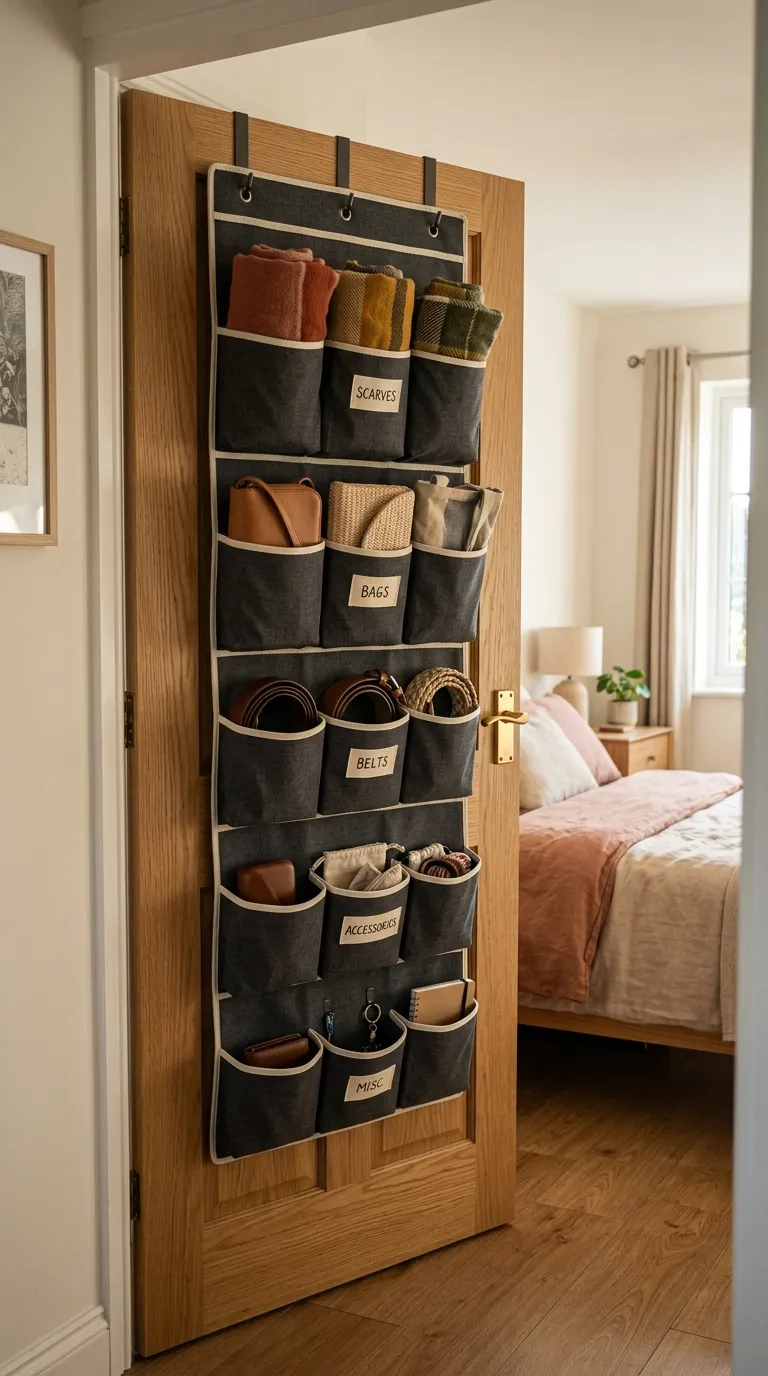
The back of the door is easy to overlook, yet it can become one of the most useful storage surfaces in a compact bedroom. This approach works particularly well for lightweight accessories because everything remains visible and accessible. It also keeps frequently grabbed items from overflowing the main wardrobe.
Slim Wardrobe Sections
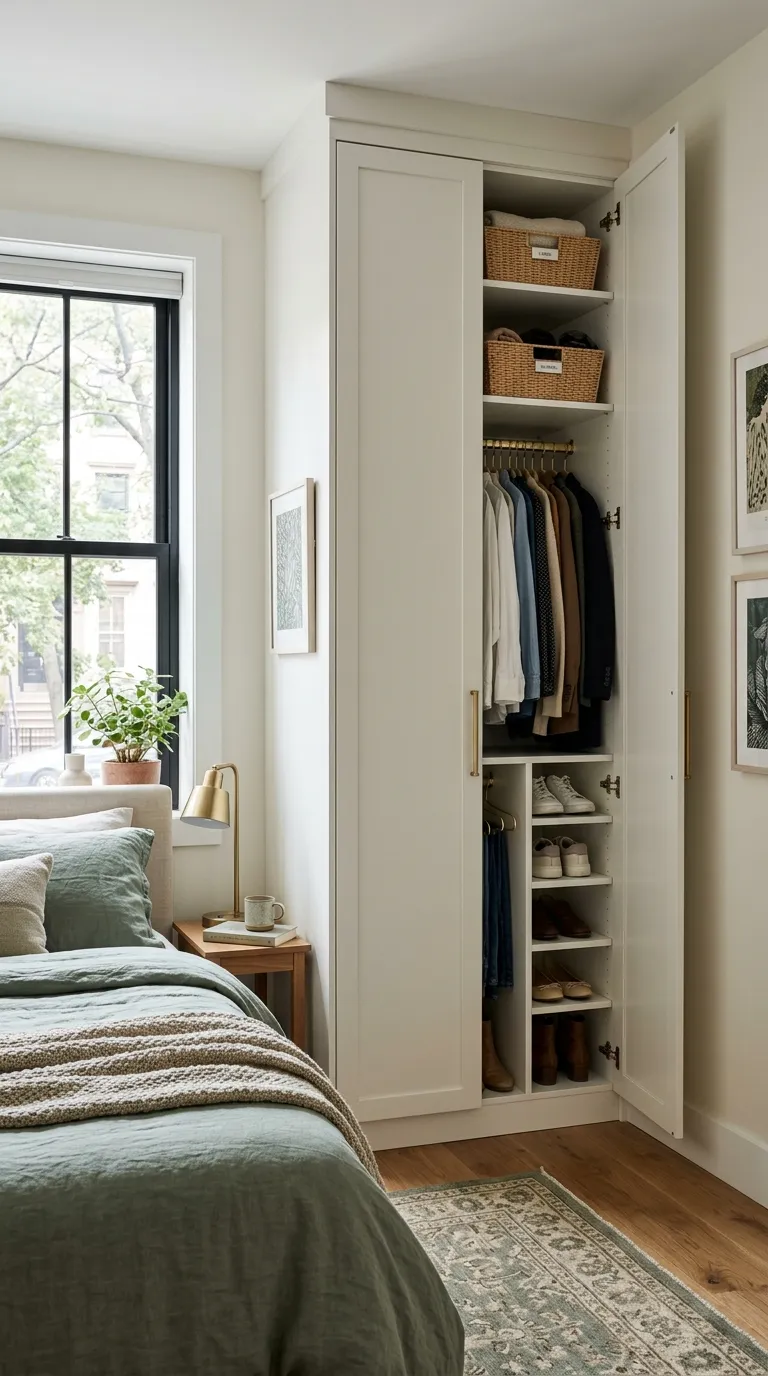
A narrow wardrobe works best when its interior is planned vertically rather than treated like a miniature version of a large closet. Hanging space should handle everyday clothes, while higher shelves take seasonal pieces and occasional accessories. This prevents the most-used section from becoming crowded and difficult to maintain.
Wall-Mounted Cabinets
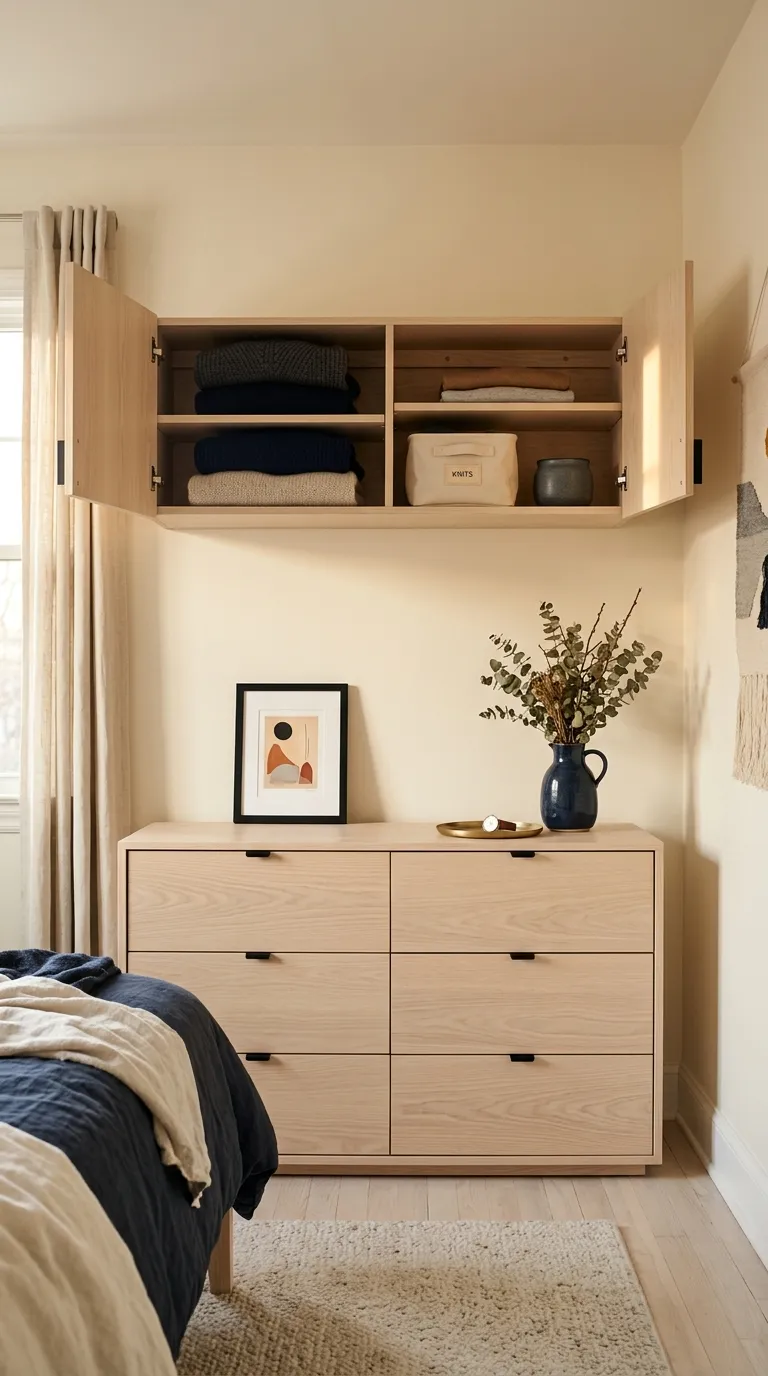
When floor space is scarce, the walls can provide storage that feels almost invisible when designed carefully. Closed cabinetry is especially useful for bedrooms because it hides visual clutter rather than simply moving it higher. Keeping the cabinet relatively shallow helps preserve comfortable circulation around the bed.
Corner Shelving
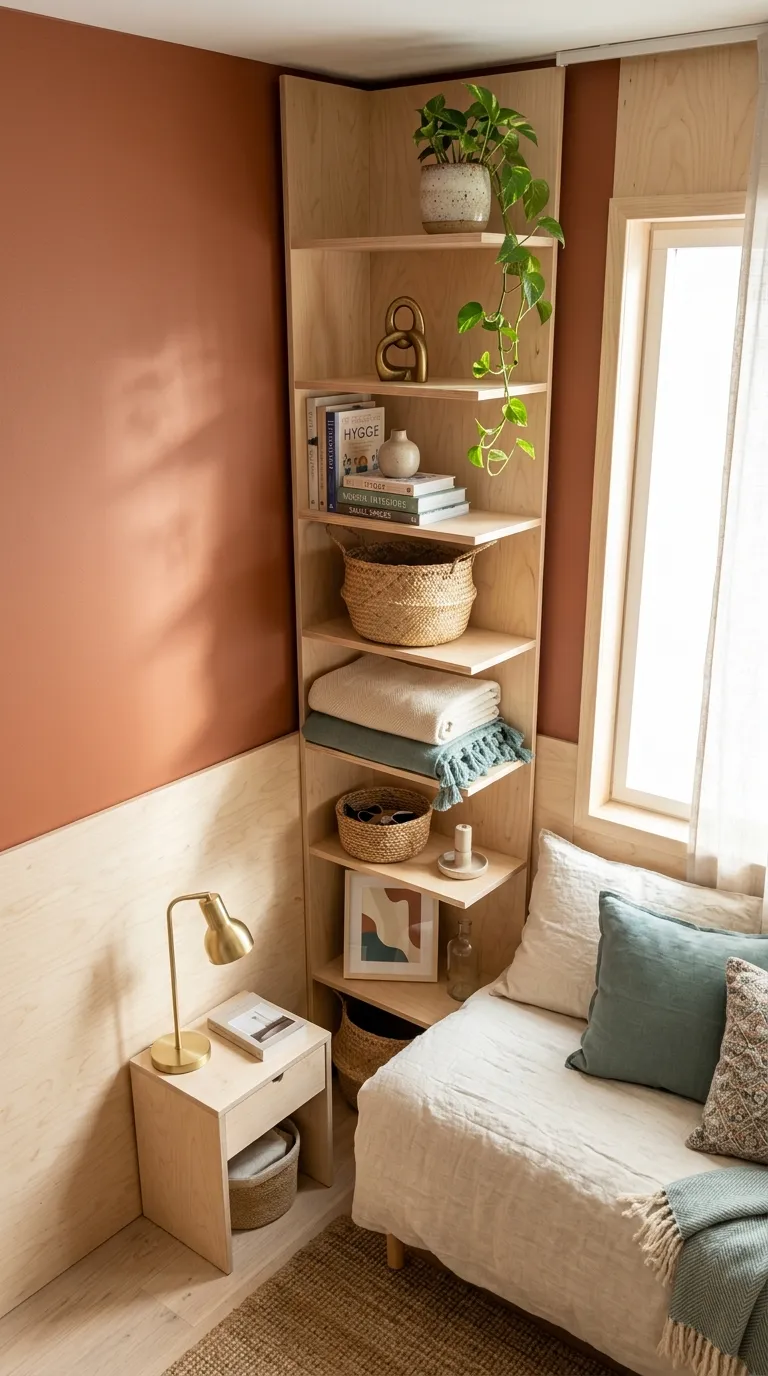
A forgotten corner can become valuable storage when the furniture footprint stays narrow and vertical. Shelving is particularly flexible because baskets can conceal everyday clutter while open areas keep the arrangement decorative. Leaving a little breathing room between objects also prevents the storage unit from becoming another crowded visual zone.
Bedside Storage Bench
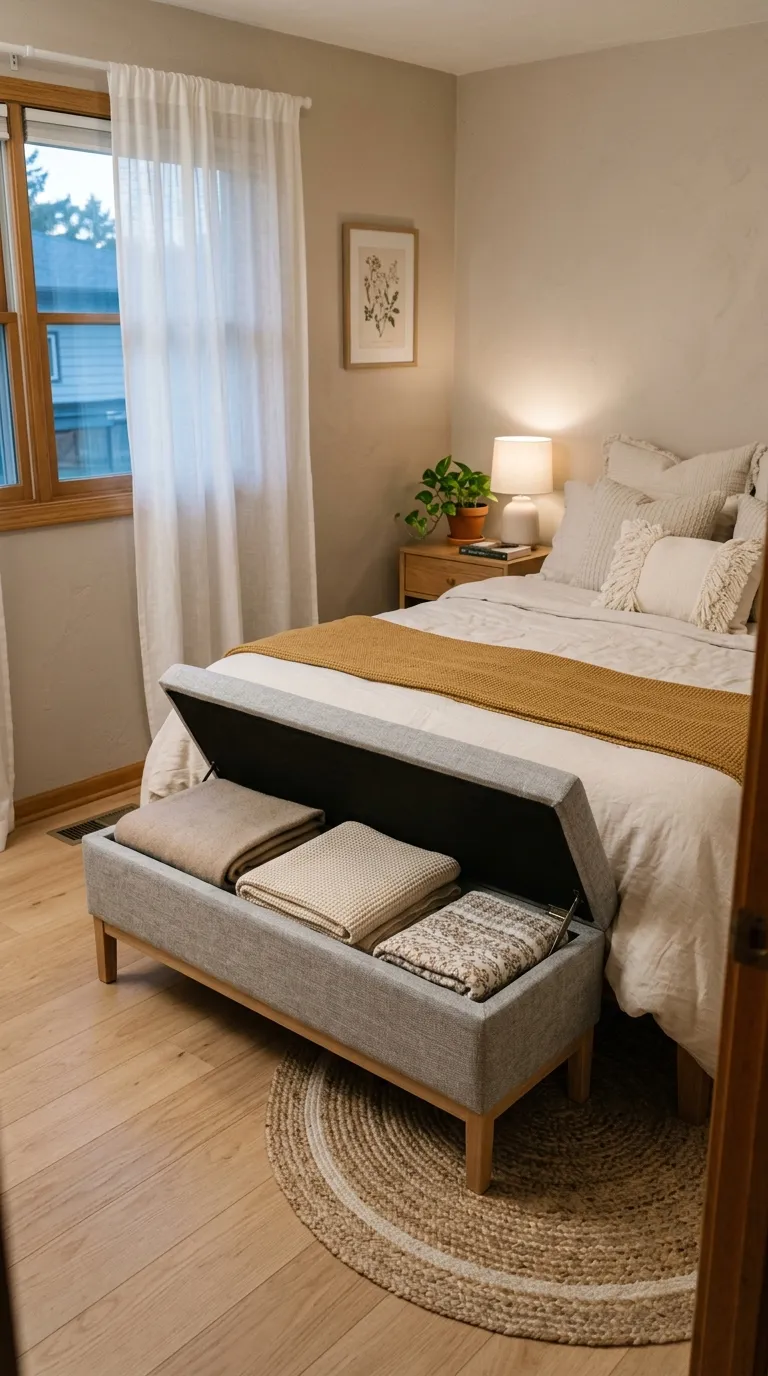
A storage bench earns its footprint by doing two jobs at once. It gives you a convenient place to sit while also hiding bulky items that are awkward to organize elsewhere. For everyday practicality, keep only occasional-use textiles inside so opening the bench never becomes a frustrating rummaging session.
Vertical Closet Dividers
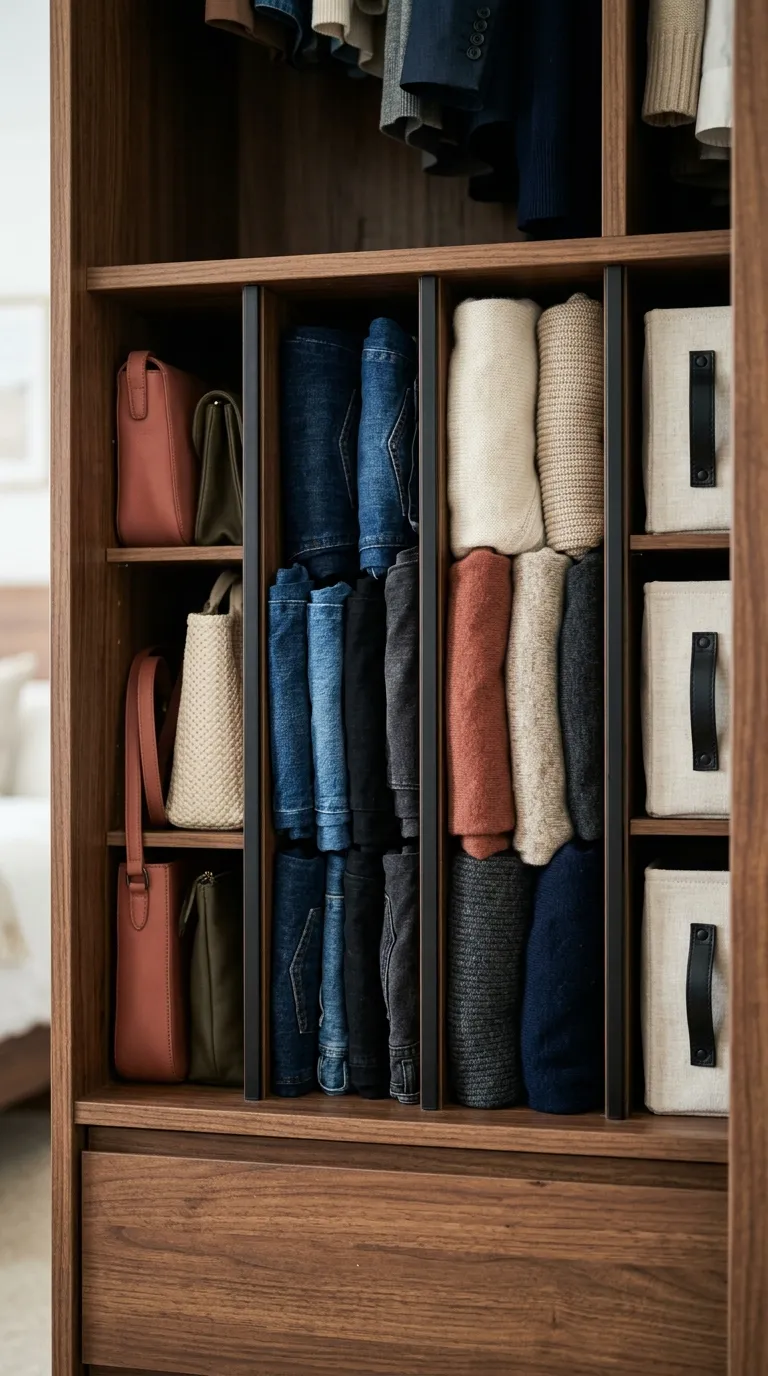
Vertical organization makes a small wardrobe easier to use because you can see individual pieces instead of digging through unstable piles. I’ve noticed this works particularly well for heavier folded clothes that tend to slump when stacked. The key is giving each category its own compartment so returning clothes is just as simple as taking them out.
Overhead Storage Bins
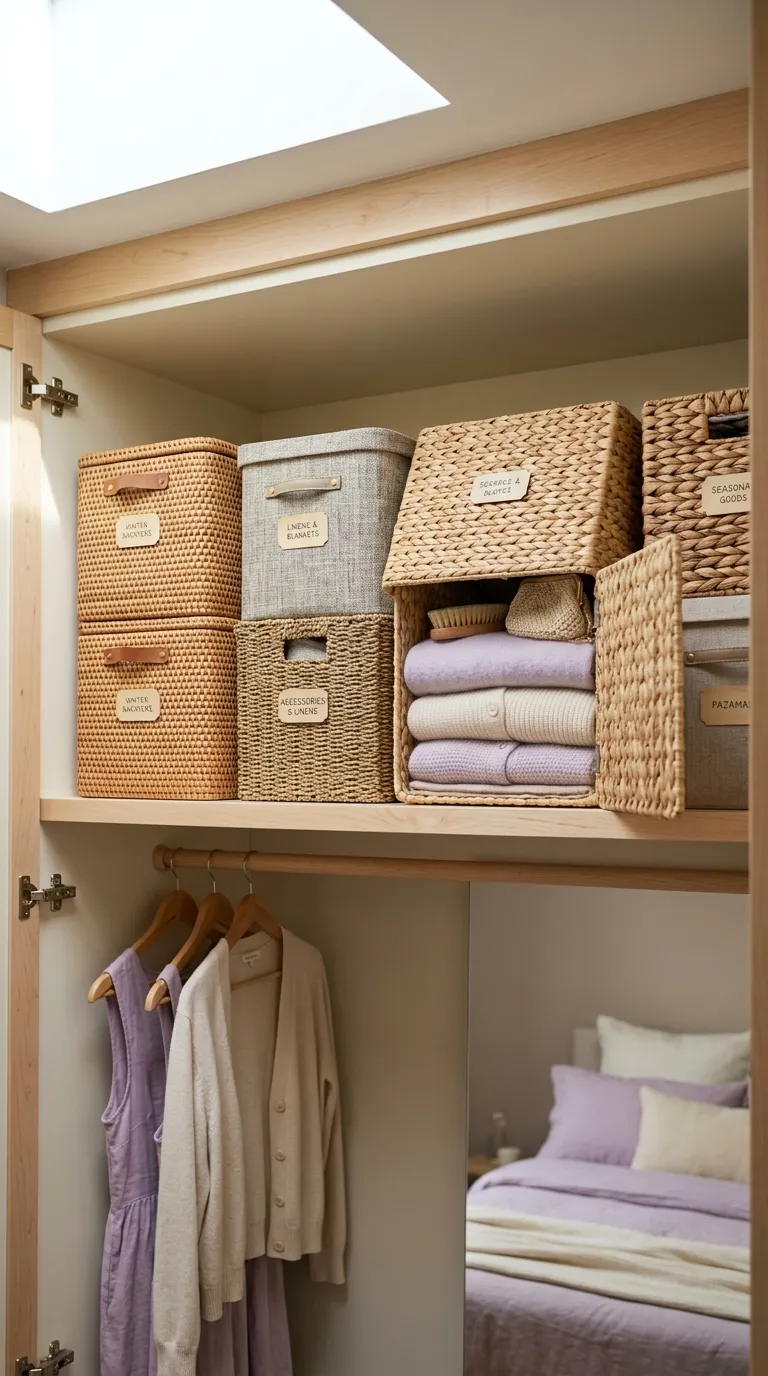
The highest shelves should work for things you need occasionally rather than items you reach for every morning. Lidded containers make that upper space useful while protecting textiles from dust and visual clutter. A simple seasonal system also means you can rotate clothes without dismantling the rest of your wardrobe.
Peg Rail Storage
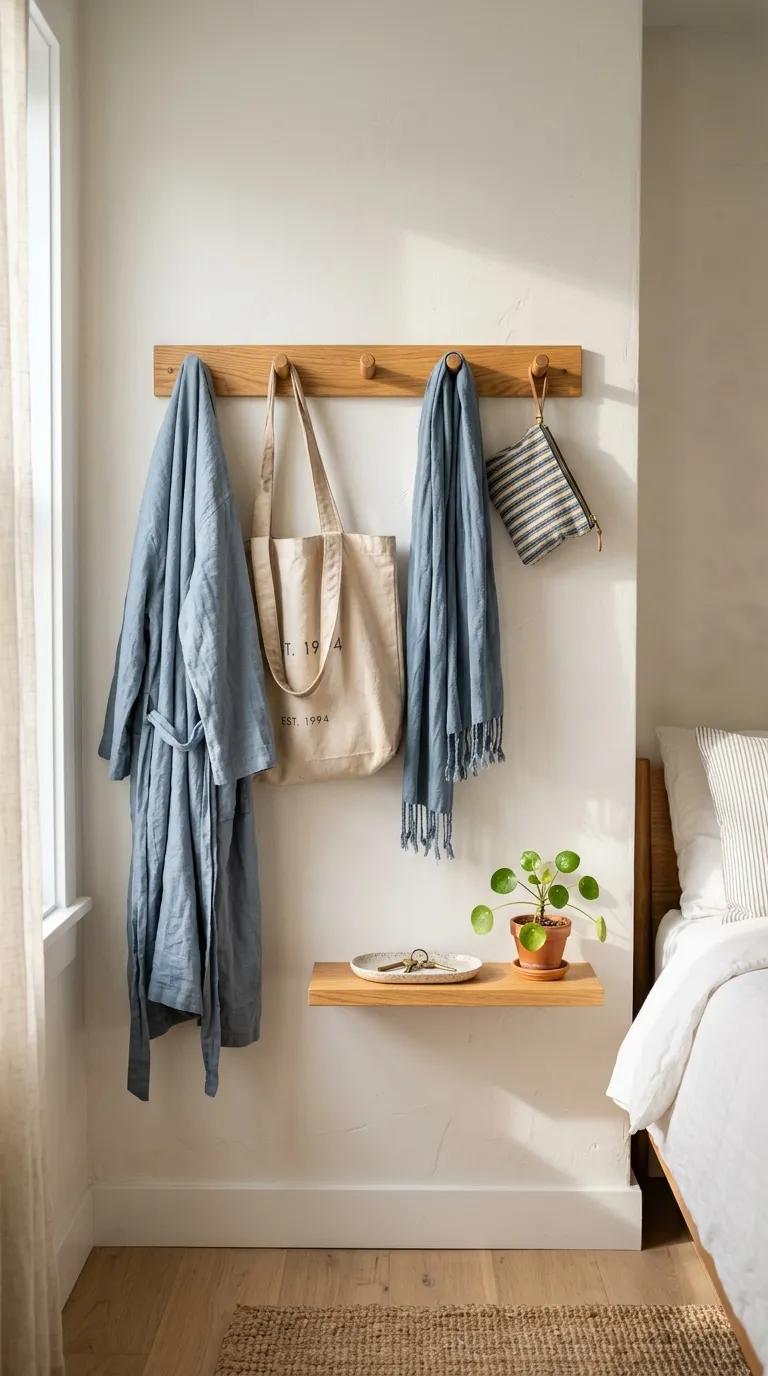
Peg rails are especially useful for the things you reach for constantly but don’t want scattered around the room. Because everything remains visible, they also encourage quick resets at the end of the day. Positioning the rail near the dressing area makes putting away a robe or bag feel almost automatic.
Narrow Rolling Cart
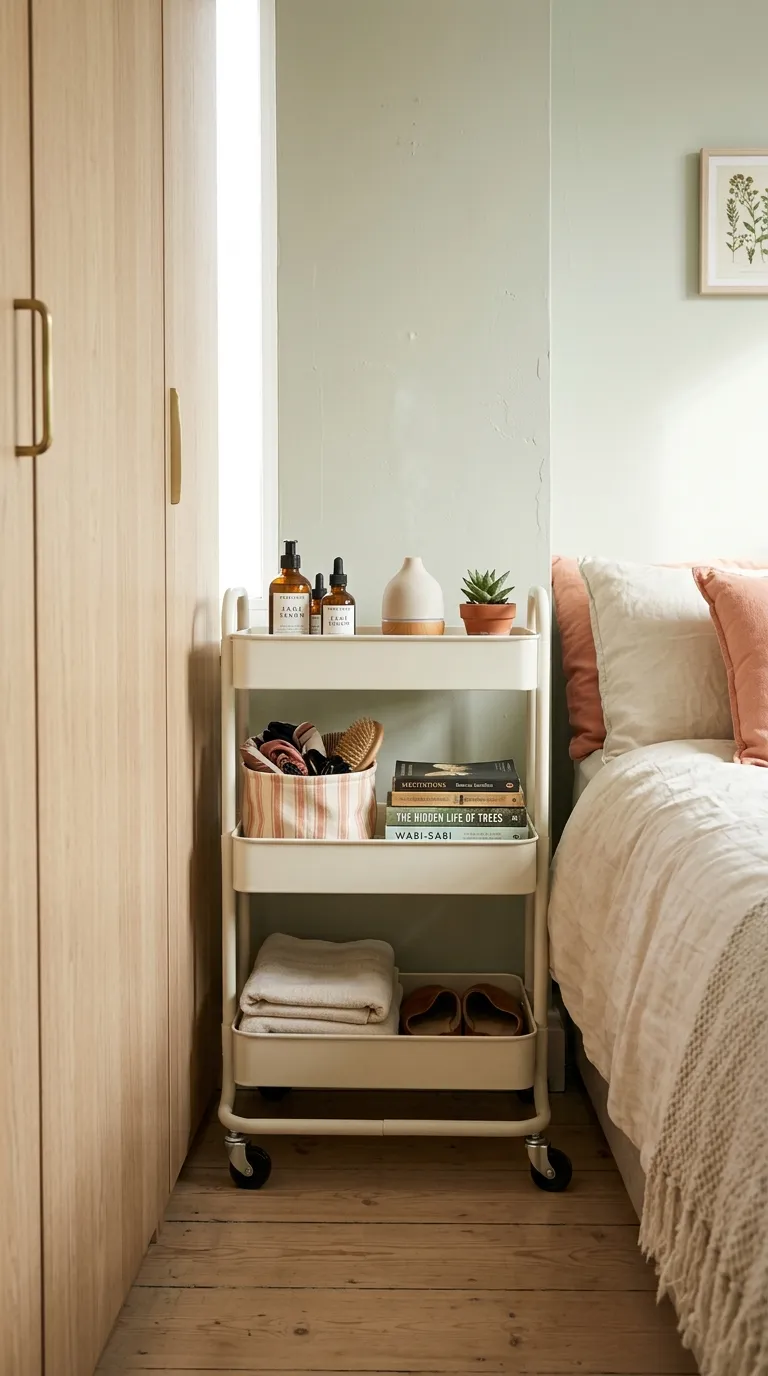
A narrow rolling cart is a clever choice when your bedroom has an awkward gap that would otherwise remain unused. Its mobility gives it another advantage: you can pull it forward when you need something and return it against the wall afterward. Keep the top tier reserved for everyday items to make the cart genuinely convenient.
Headboard With Storage
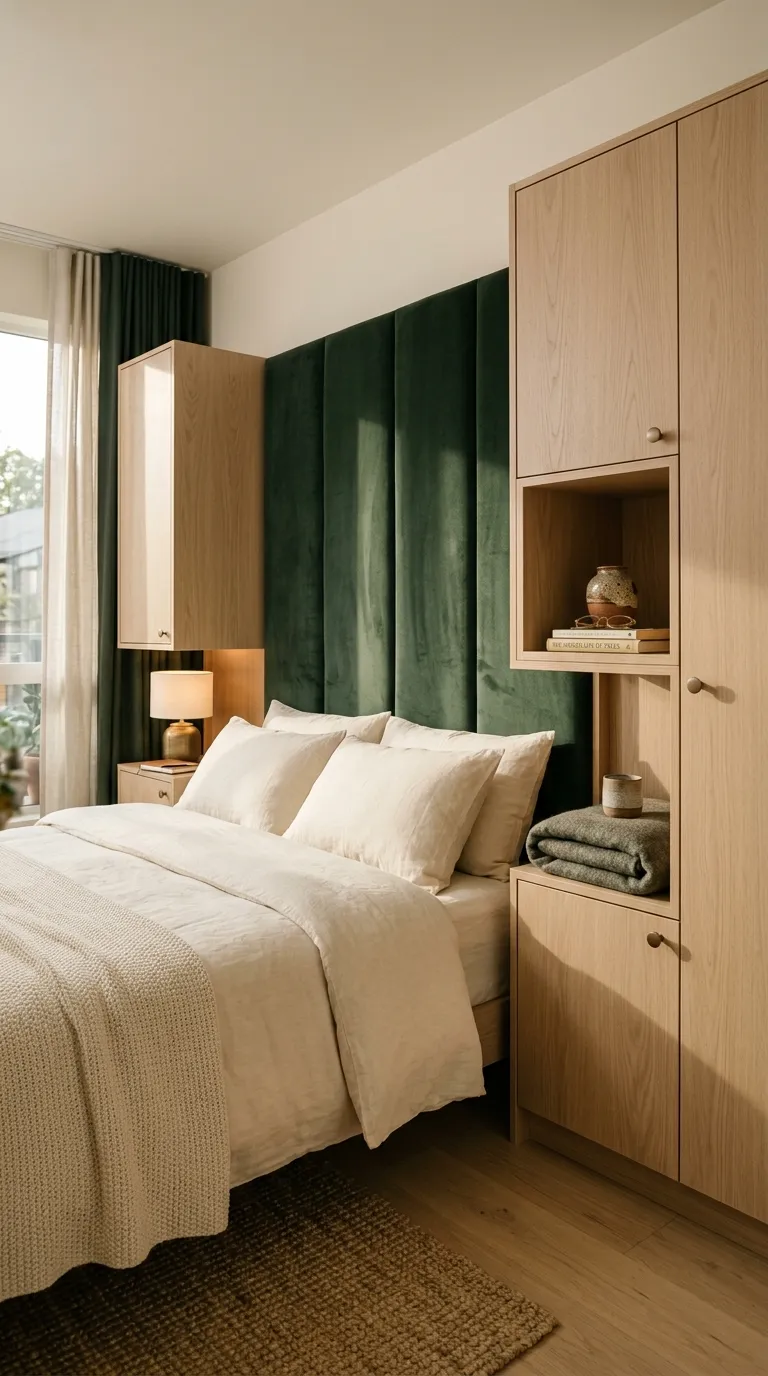
A storage headboard can eliminate the need for separate bedside furniture when every inch matters. It keeps essentials close to the bed while concentrating storage into one visually cohesive feature. The mix of open and closed compartments is particularly useful because it balances accessibility with a cleaner-looking room.
Built-In Window Seat
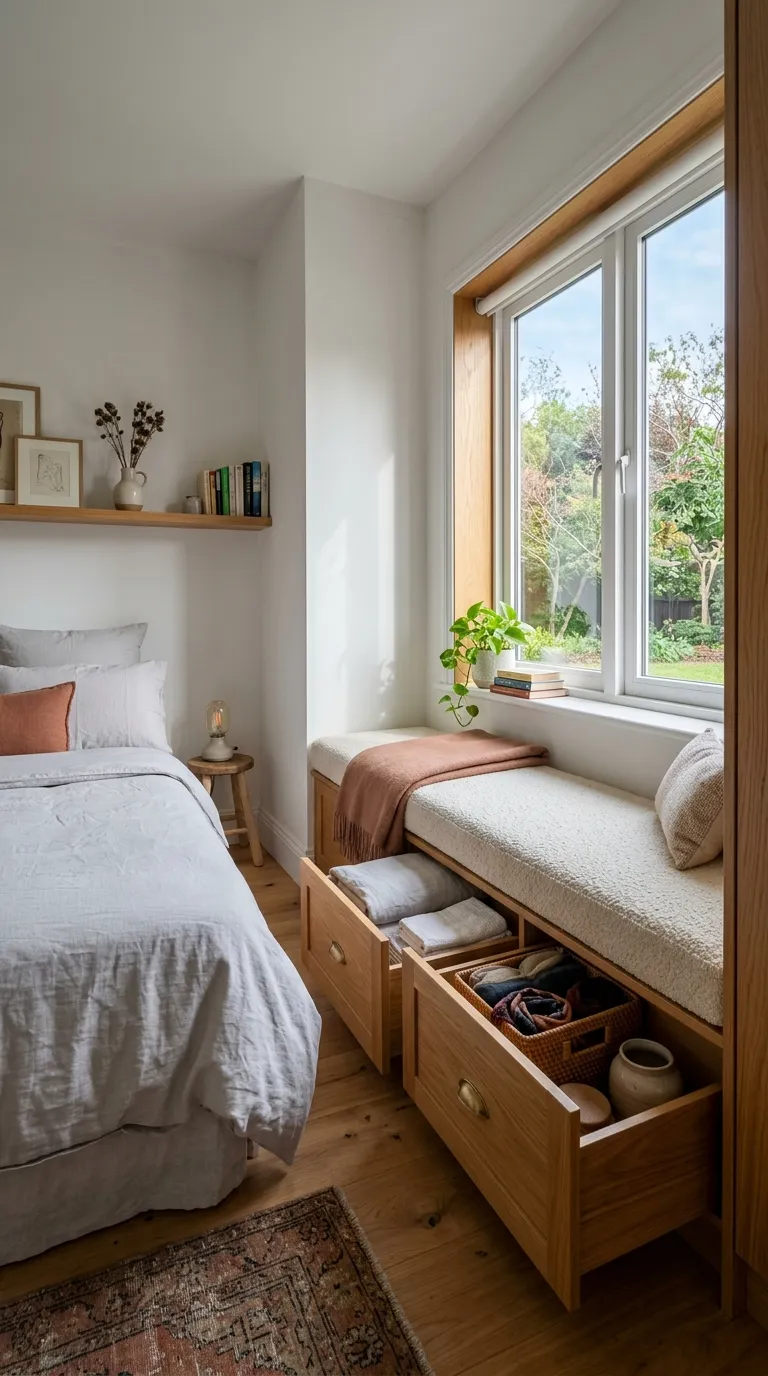
A built-in window seat earns its space twice by creating a comfortable perch while concealing storage underneath. It is especially practical for spare linens, blankets, and other soft goods that need generous compartments. Keeping the storage integrated with the architecture also helps an unusual corner feel purposeful instead of crowded.
Hanging Closet Shelves
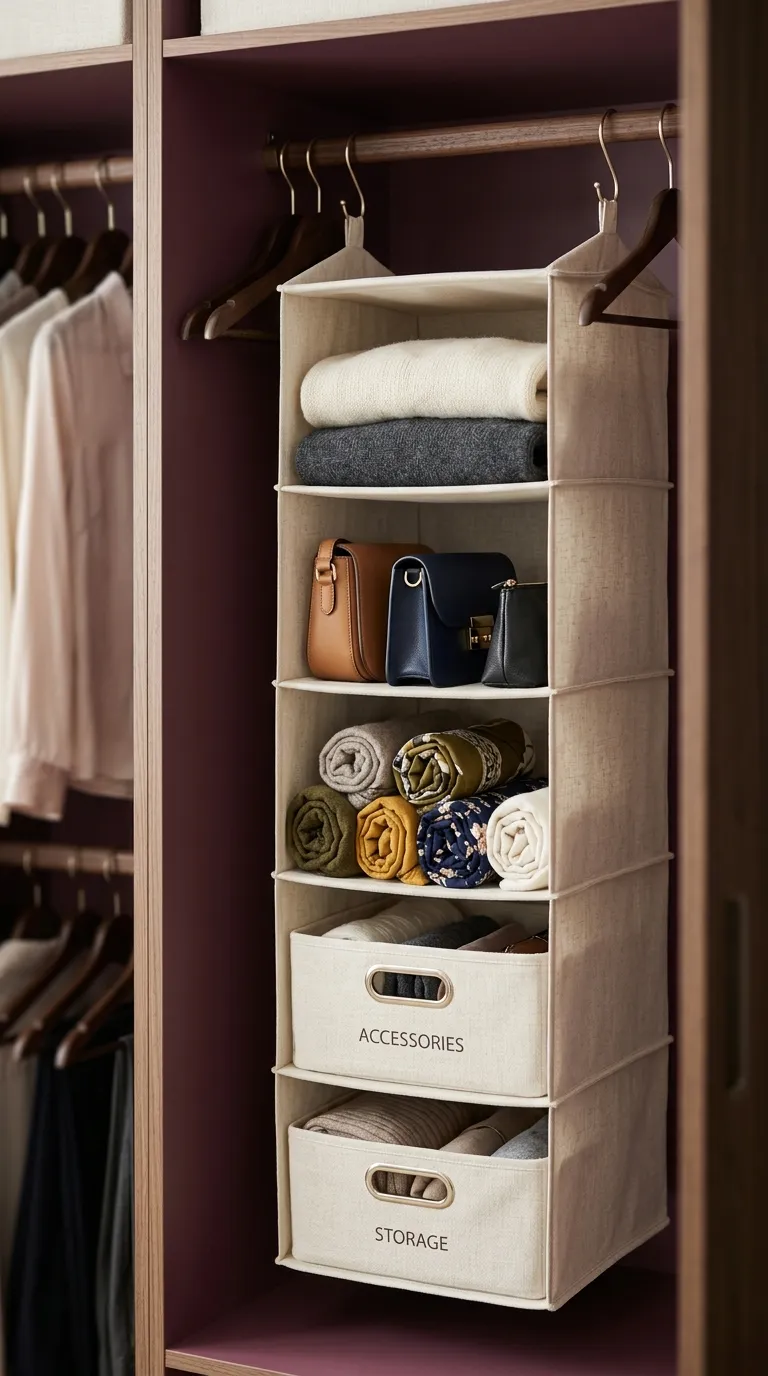
Hanging shelves are a simple way to create extra vertical compartments inside an existing wardrobe. Unlike permanent shelving, they can be repositioned as your storage needs change. Keeping heavier pieces low also reduces sagging and makes the organizer more stable during everyday use.
Under-Desk Cabinets
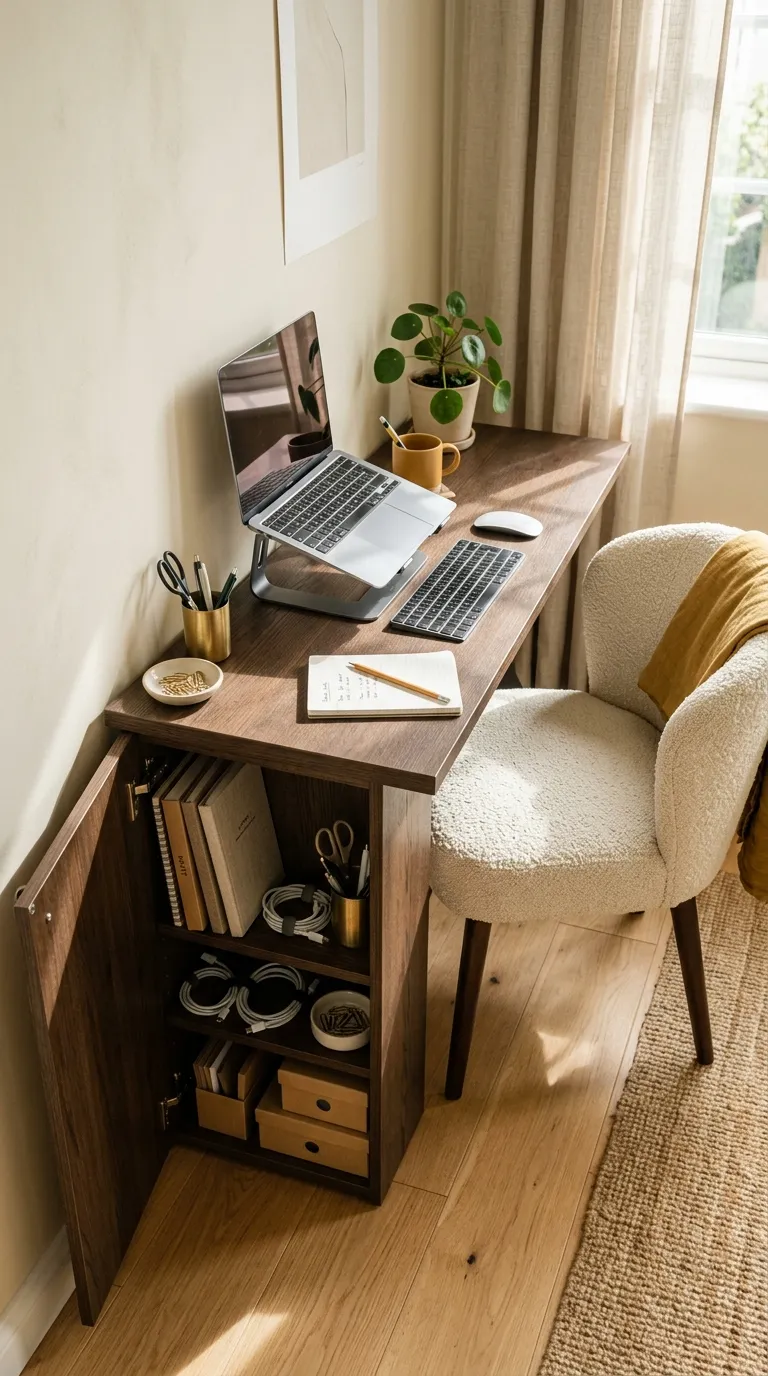
When a bedroom doubles as a workspace, under-desk cabinetry prevents work supplies from taking over the room. The closed cabinet is particularly helpful because visual clutter disappears as soon as the doors shut. Grouping cables and small electronics into separate containers also makes the desk much easier to reset each evening.
Drawer Bedside Table
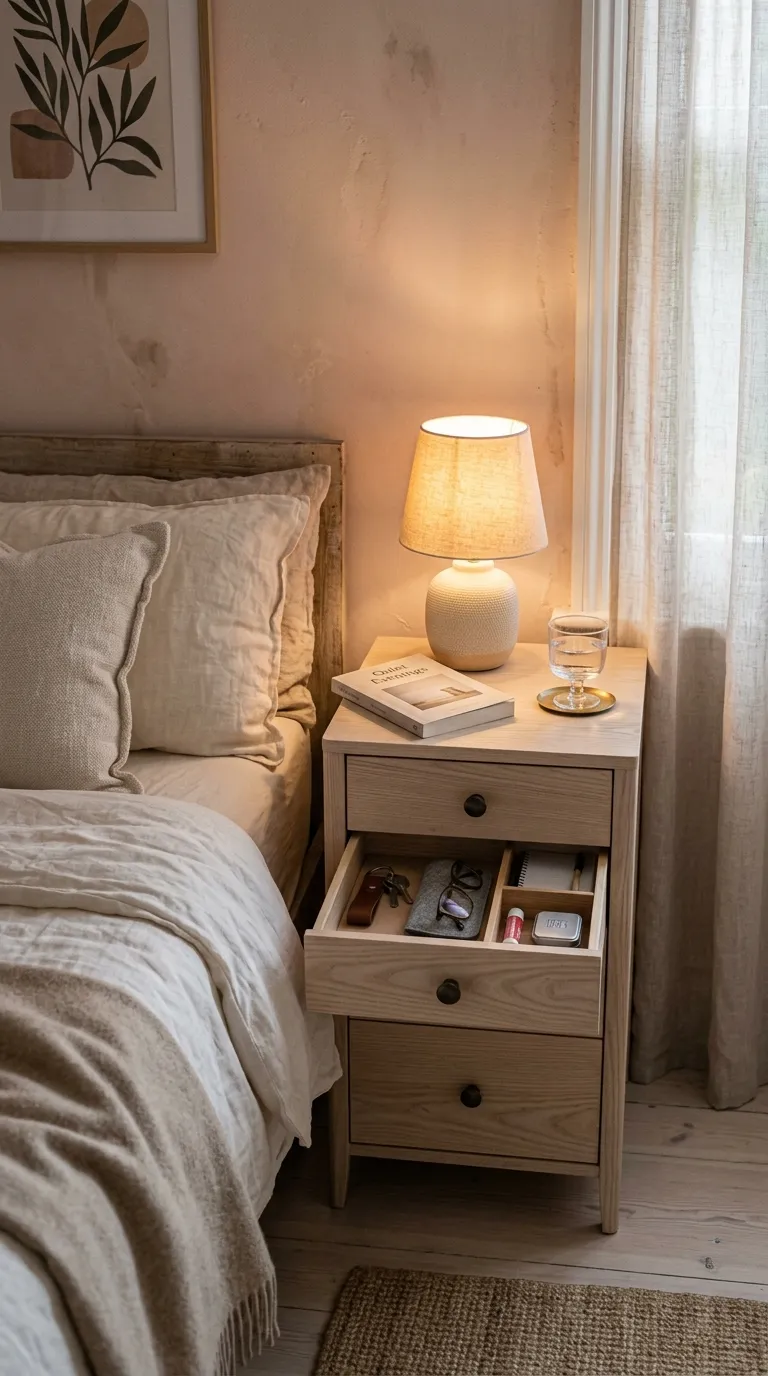
A slim bedside table becomes much more valuable when its drawers are assigned clear jobs. Shallow compartments prevent small essentials from disappearing beneath larger objects, which makes nighttime and morning routines quicker. Keeping the surface intentionally sparse also gives the room a calmer appearance without sacrificing convenience.
Closet Door Hooks
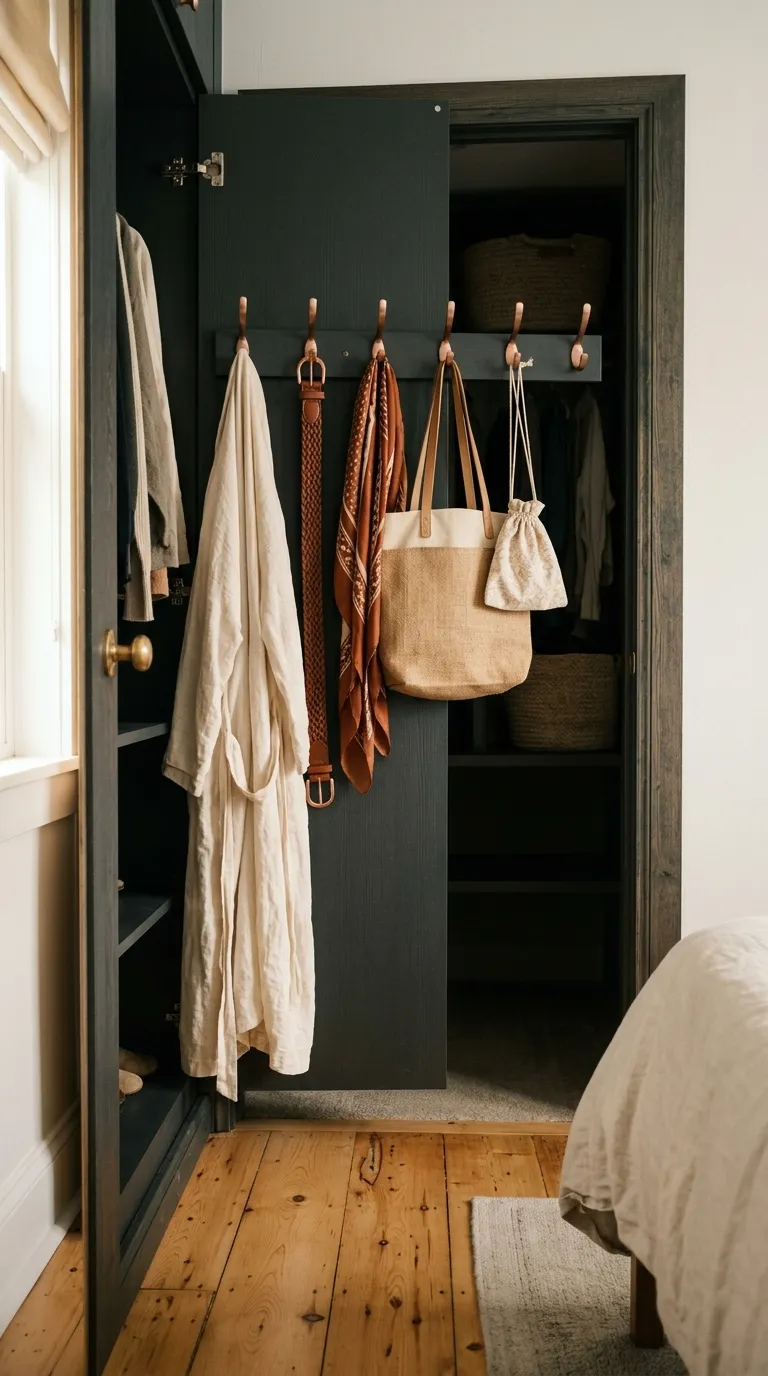
The inside of a closet door offers storage potential that is easy to miss because it disappears when the door closes. Hooks work particularly well for lightweight accessories that are used often and need to stay visible. Keeping the collection edited prevents this hidden zone from becoming another crowded hanging area.
Under-Shelf Baskets
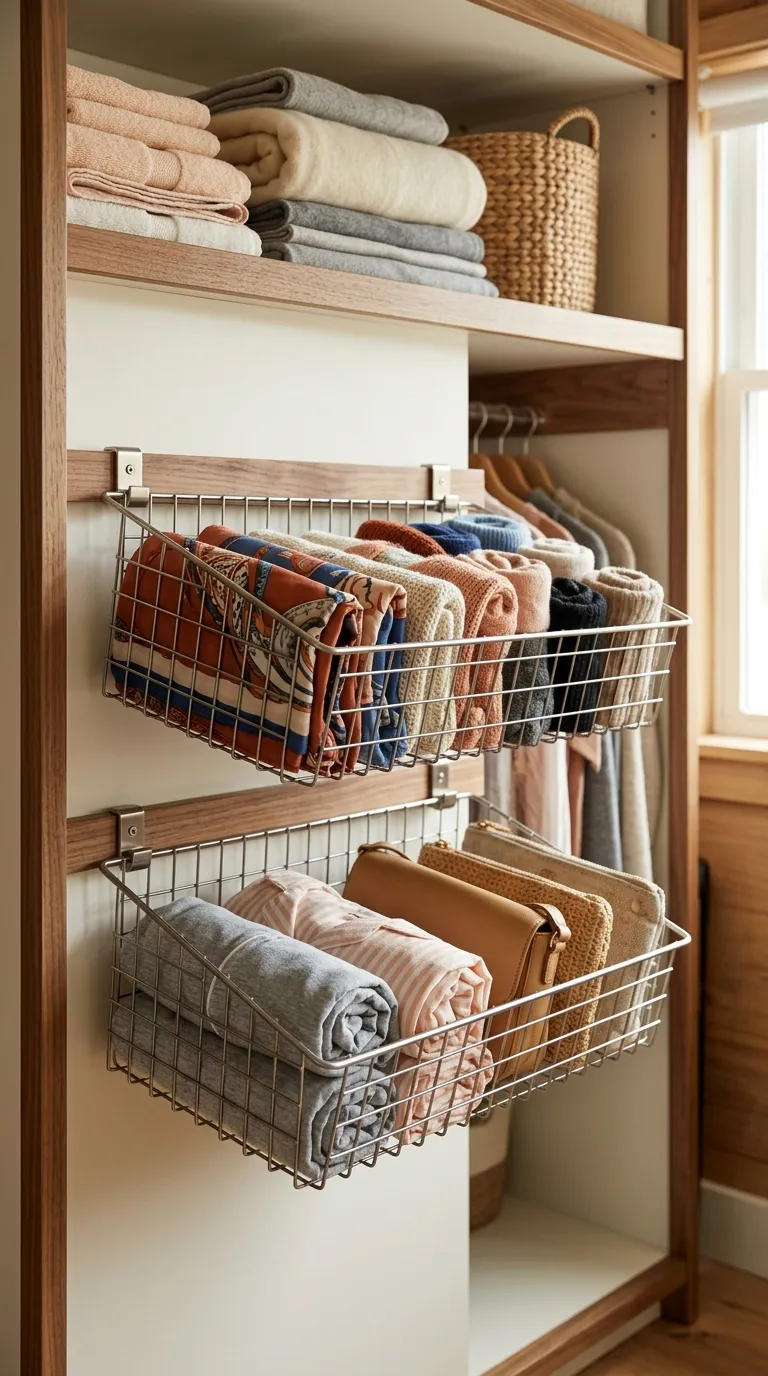
Small vertical gaps can be surprisingly valuable when they are given a specific job. Under-shelf baskets create accessible compartments without requiring a full closet redesign, making them useful for lightweight accessories and smaller textiles. The trick is matching the basket size to the gap so nothing interferes with the shelf above.
Tall Dresser Placement
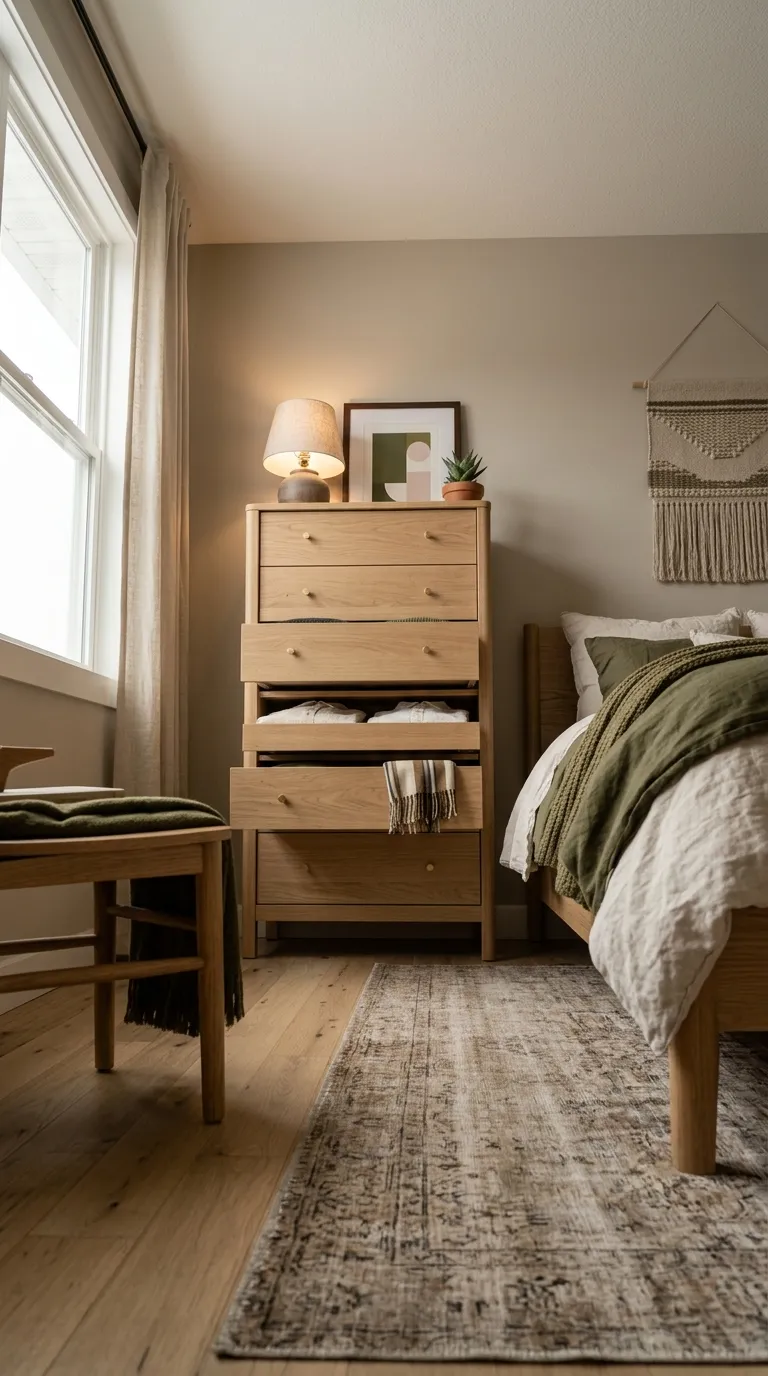
A tall dresser can provide substantial drawer capacity without consuming the wall width needed for a traditional wide chest. The most useful arrangement is to place daily clothing where it is easy to reach and reserve higher drawers for less frequent pieces. Always secure tall furniture properly so the storage solution remains safe as well as space-efficient.
Mirror With Hidden Storage
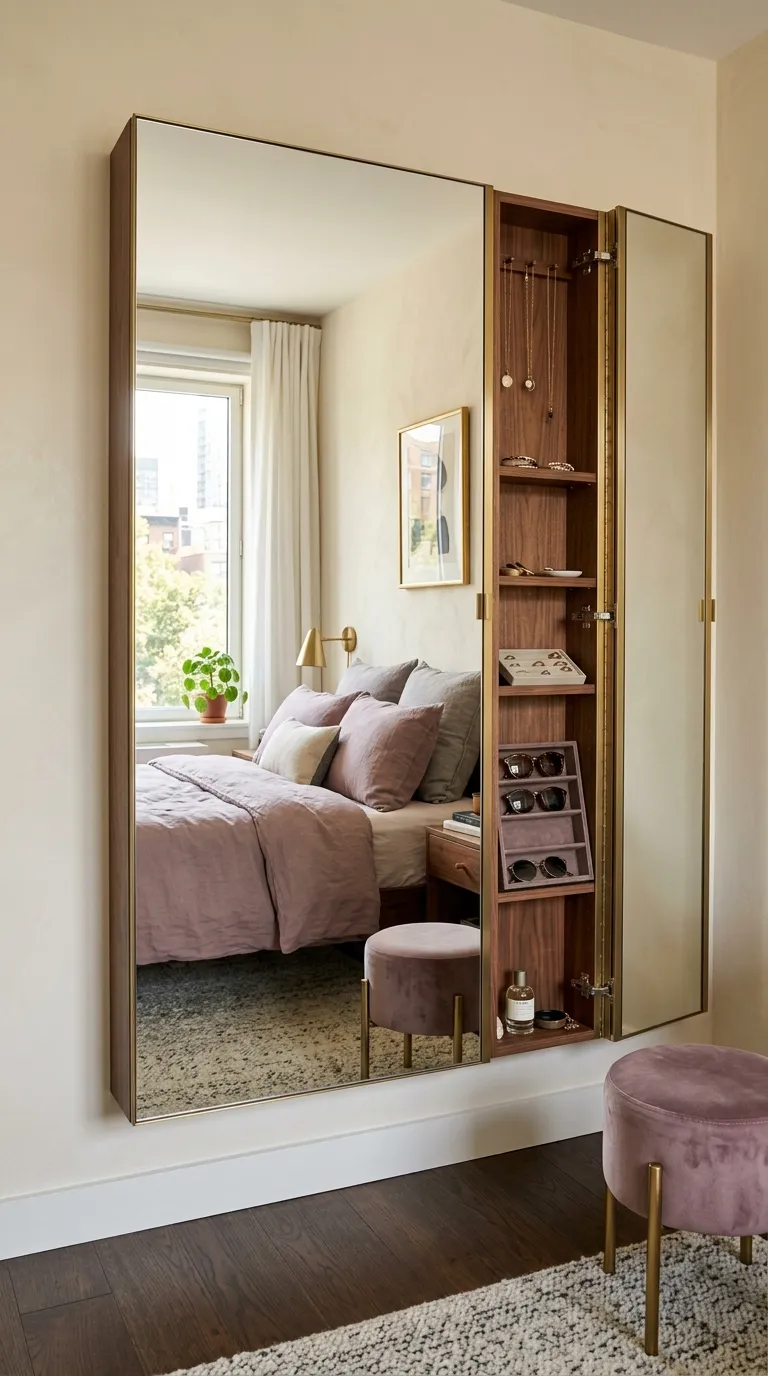
A mirrored cabinet does more than hide clutter—it can visually expand the room while giving small accessories a dedicated home. This combination is particularly useful when there is no space for a separate dressing station. Keeping the internal compartments narrow prevents tiny belongings from disappearing into a deep, disorganized cabinet.
Fold-Down Wall Desk
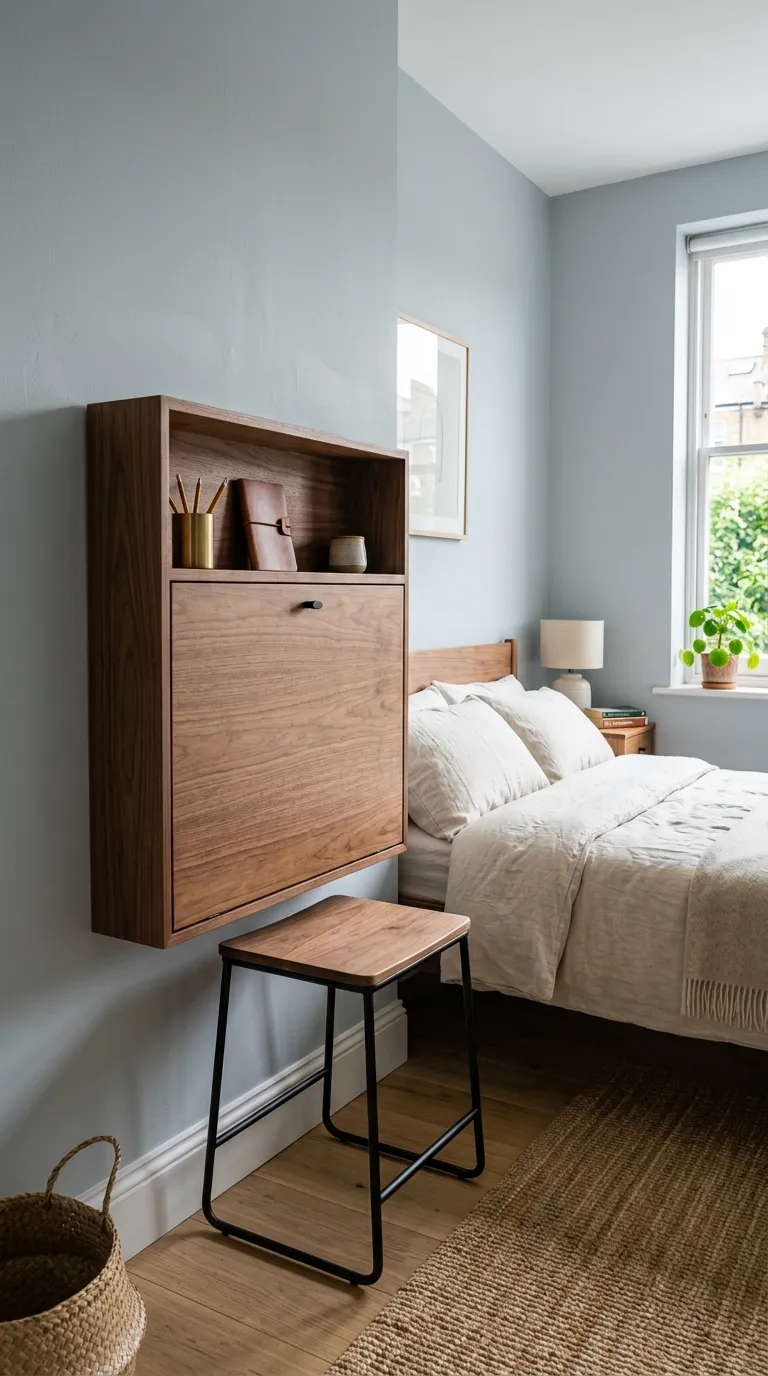
A fold-down desk is ideal when a bedroom needs occasional workspace but cannot spare a permanent desk footprint. The storage compartments keep work essentials together, while the folding surface disappears when the room returns to sleep mode. This makes the same few square feet useful for different parts of the day.
Rolling Under-Bed Bins
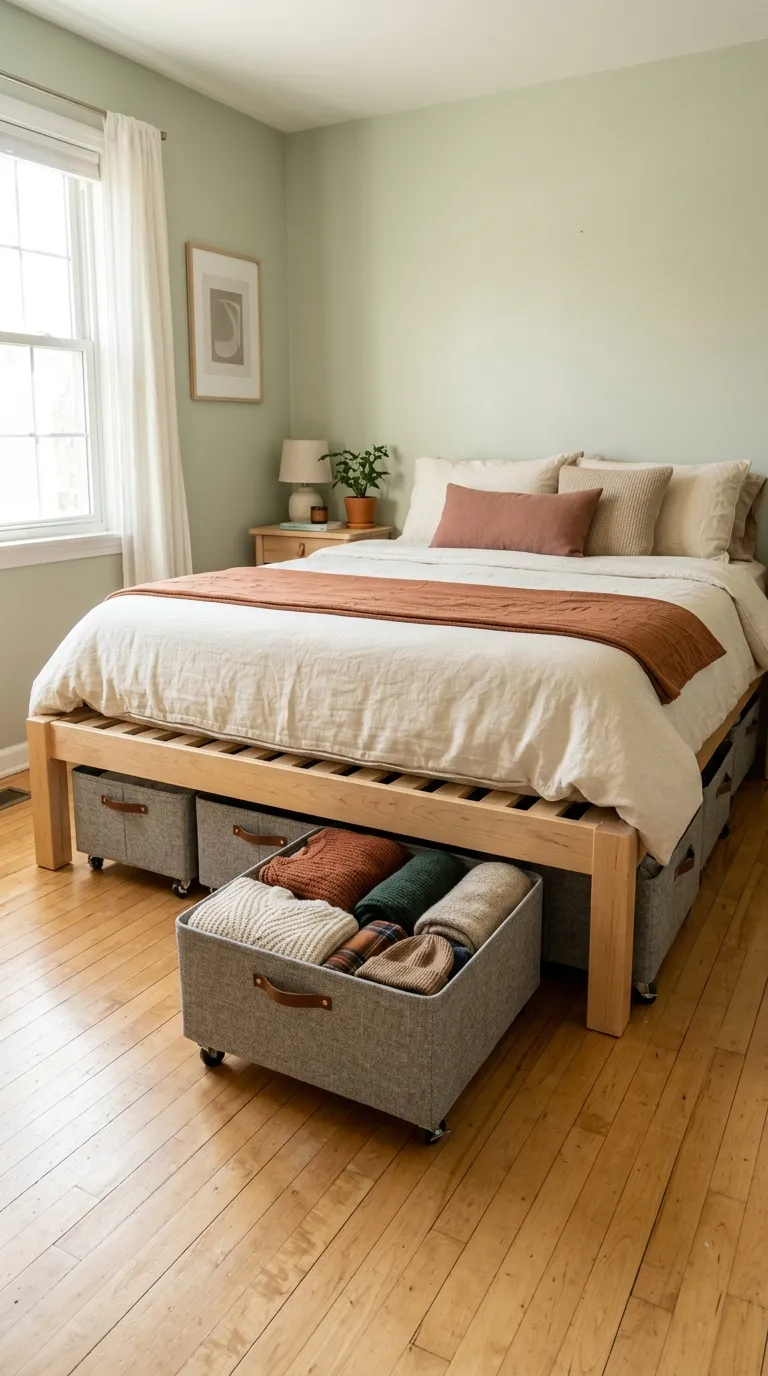
Rolling bins make existing under-bed clearance useful without requiring expensive built-in furniture. Their biggest advantage is accessibility: the entire container can come forward instead of forcing you to reach into a dark gap. Use separate bins for different seasonal categories so retrieving one item does not disturb everything else.
Narrow Wall Hooks
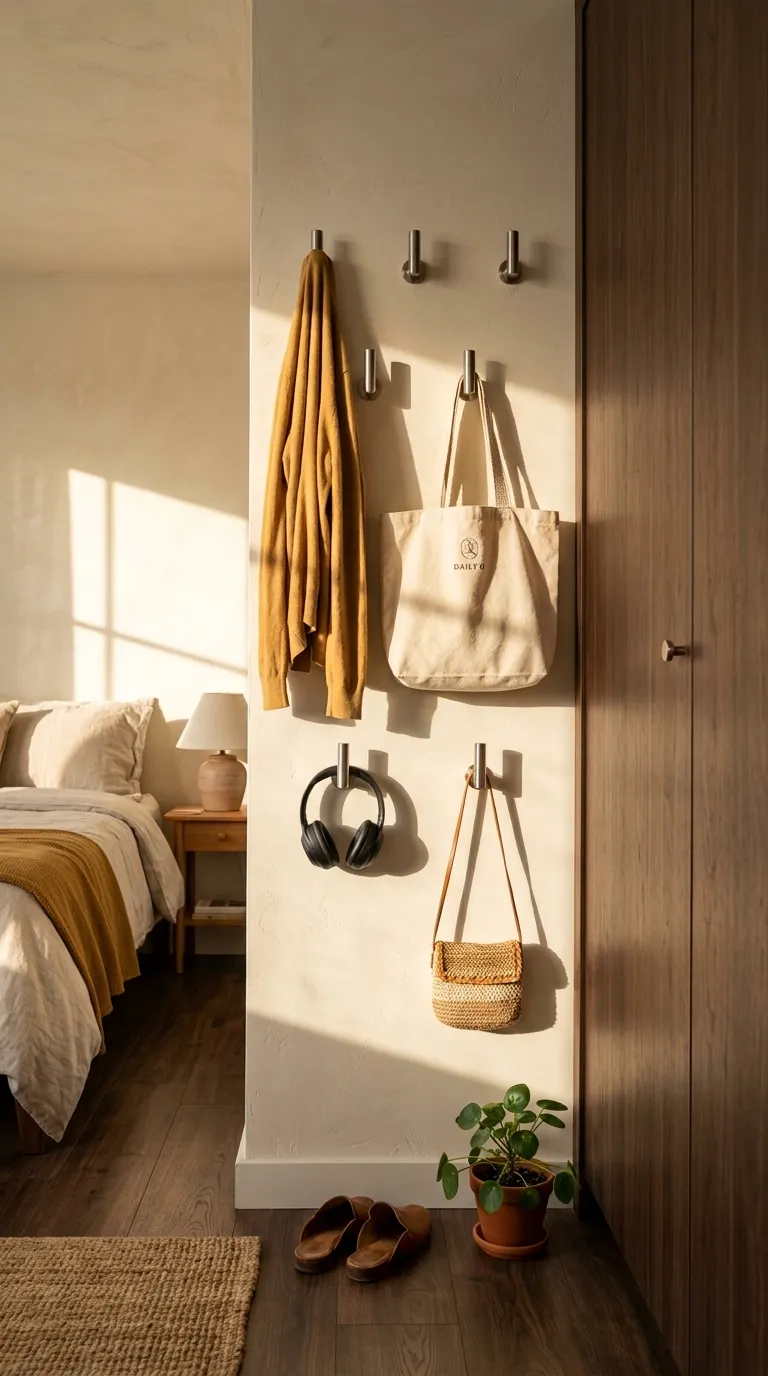
Wall hooks are one of the simplest ways to stop everyday belongings from landing on a chair, bed, or floor. A vertical arrangement uses otherwise empty wall height and keeps frequently used pieces visible. The important detail is spacing: hooks that are too close together quickly turn useful organization into one tangled cluster.
Hidden Drawer Organizers
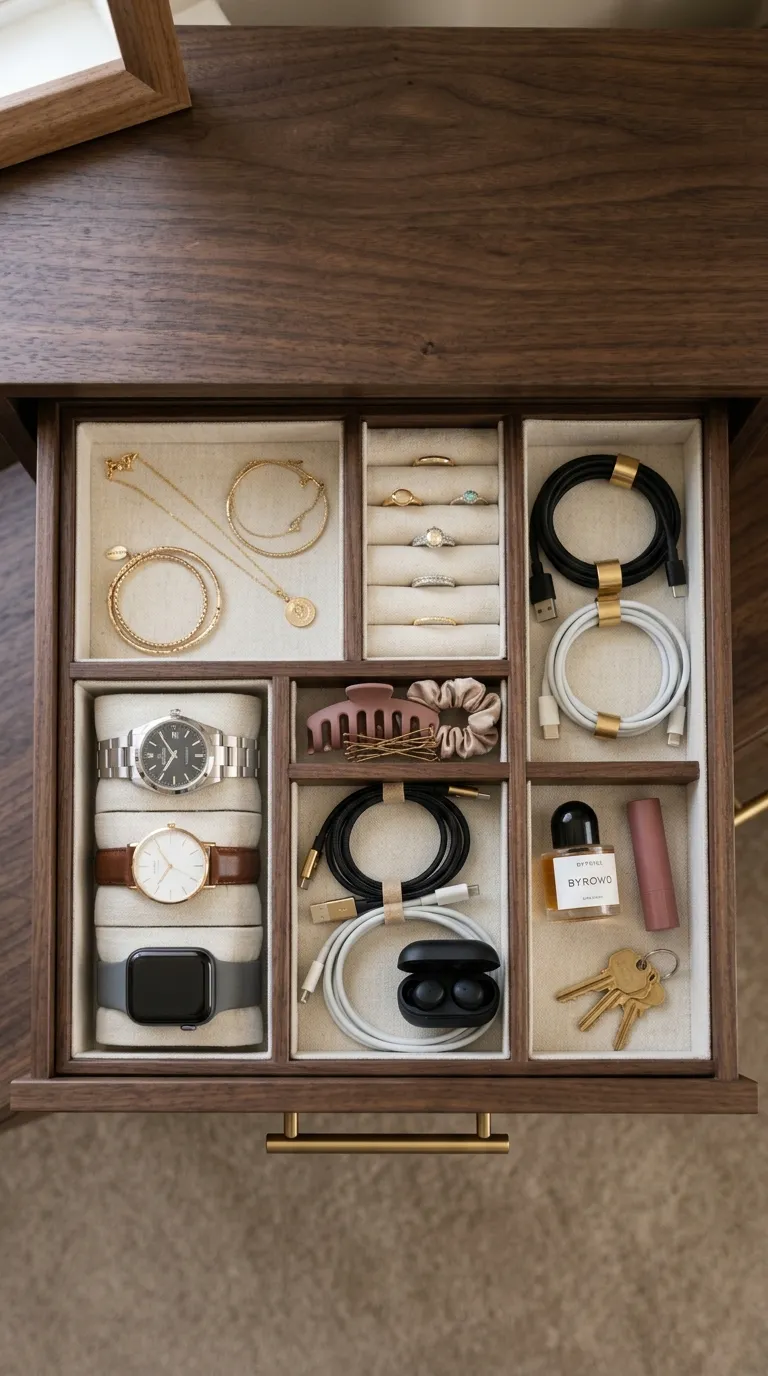
Small items are often what make a bedroom feel untidy because they have no obvious home. Drawer organizers solve that problem by giving each category a defined boundary while keeping the clutter completely out of sight. Measuring the drawer first is worth the extra minute because poorly fitted trays can waste more space than they save.
Built-In Closet Drawers
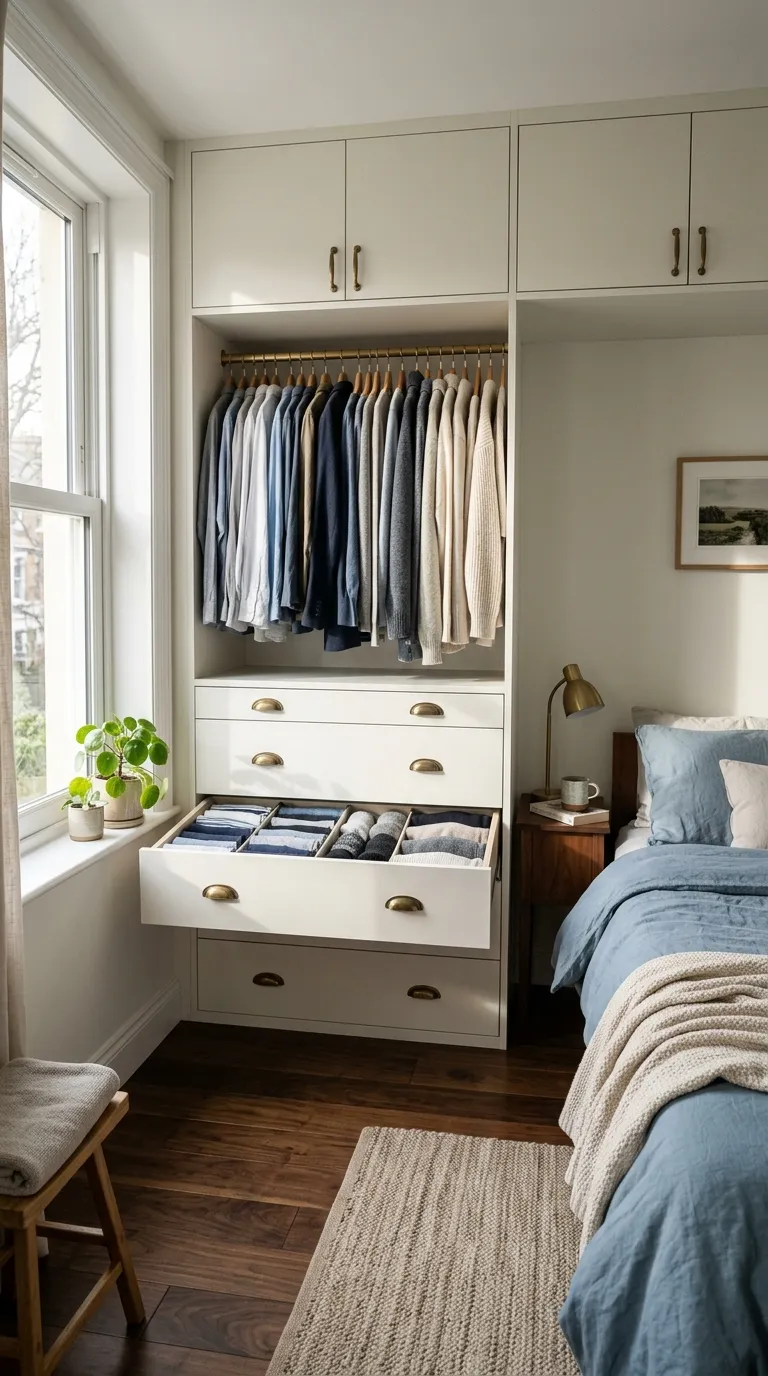
Built-in drawers turn the lower part of a wardrobe into dedicated storage instead of leaving valuable space underused. Full-extension drawers are especially practical because they let you see the back without pulling out half the contents. Pairing them with hanging storage above creates a compact system that handles both folded and suspended clothing efficiently.
Conclusion
Use vertical walls, under-bed space, and built-in drawers first to gain storage without sacrificing valuable floor area.Start with one high-impact fix, such as under-bed storage or a well-planned wardrobe system, then build from there.
Save these small bedroom storage ideas on Pinterest and try your favorite hack for a tidier, more comfortable room.
Clara Whitmore
Clara specializes in interior styling, seasonal home trends, and cozy living spaces. She loves combining classic design elements with modern touches to create homes that feel personal, welcoming, and effortlessly stylish.