Bonus Room Inspiration for the Ultimate Family Hangout

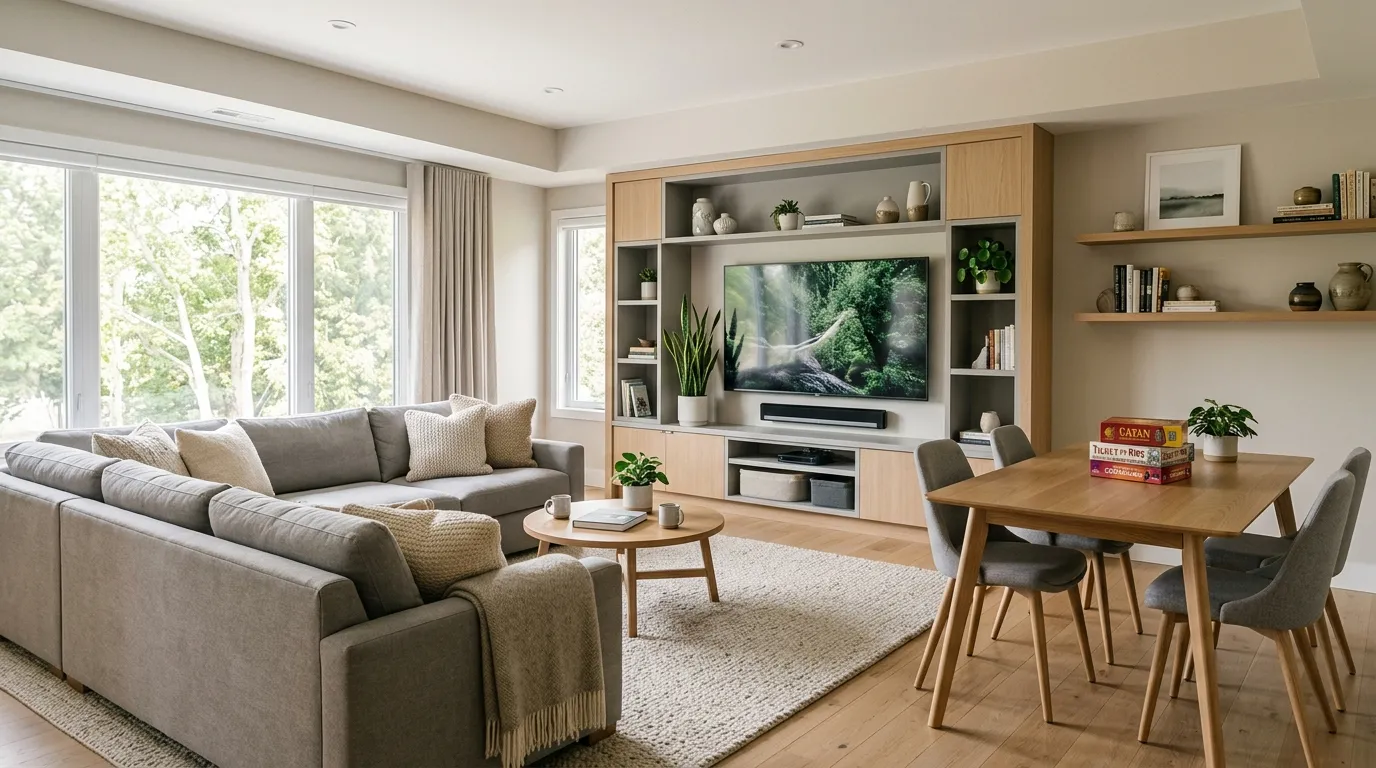
A well-designed bonus room can become the most-loved space in your home, bringing everyone together for relaxing, entertaining, working, or simply spending quality time. Instead of letting this extra space become a storage area, why not turn it into a room that truly works for your lifestyle?
Whether your family enjoys movie nights, game days, quiet reading, or hosting friends, the right layout and thoughtful design choices can completely change how the space feels and functions. In my experience, even a few intentional updates can make an overlooked room feel warm, inviting, and incredibly useful every single day.
In this guide, you’ll discover practical, modern ideas that blend comfort with style while keeping the space flexible for changing needs. Each idea is easy to visualize, beginner-friendly, and inspired by the clean, contemporary interiors that perform well on both Pinterest and Google. By the end, you’ll have plenty of inspiration to create a beautiful room your entire family will actually use and enjoy.
1. Cozy Sectional
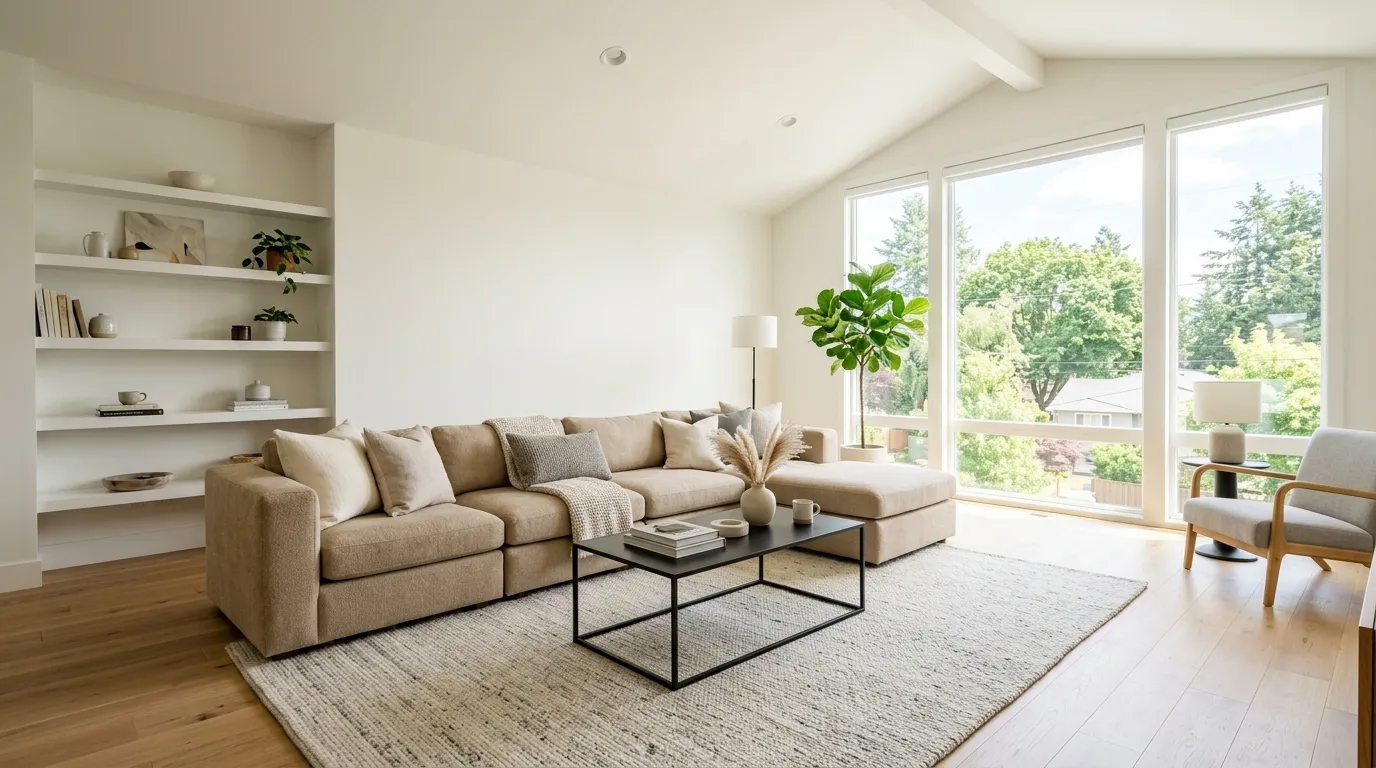
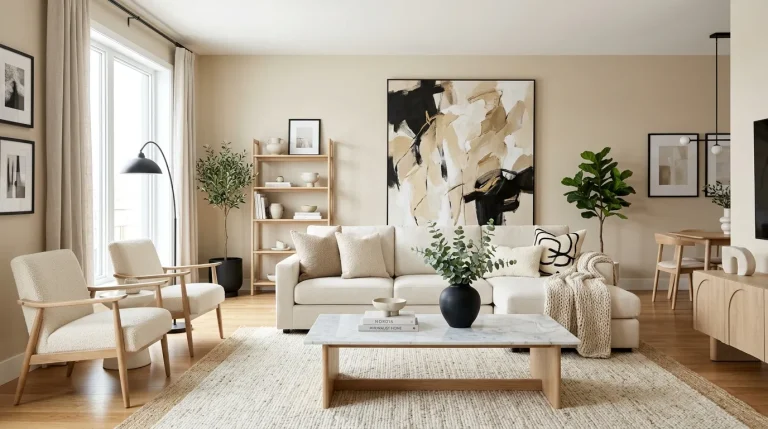
A comfortable sectional often becomes the heart of a shared living space because it invites everyone to sit together instead of spreading out across different chairs. Large modular designs also make it easy to rearrange seating when guests visit or family activities change. I’ve noticed that homes with generous, comfortable seating tend to get used far more often throughout the week. Adding layered pillows and a soft rug creates warmth without overwhelming the room, making the space feel welcoming from the moment someone walks inside.
When planning a bonus room, seating should be the first design decision because nearly every activity revolves around comfort. Whether you’re watching movies, playing games, reading, or simply relaxing after work, supportive seating makes every experience more enjoyable. Neutral upholstery also keeps the room feeling bright while allowing colorful accessories to change with the seasons. This simple foundation gives homeowners flexibility to refresh the space over time without replacing expensive furniture, making it both practical and visually timeless.
2. Media Wall
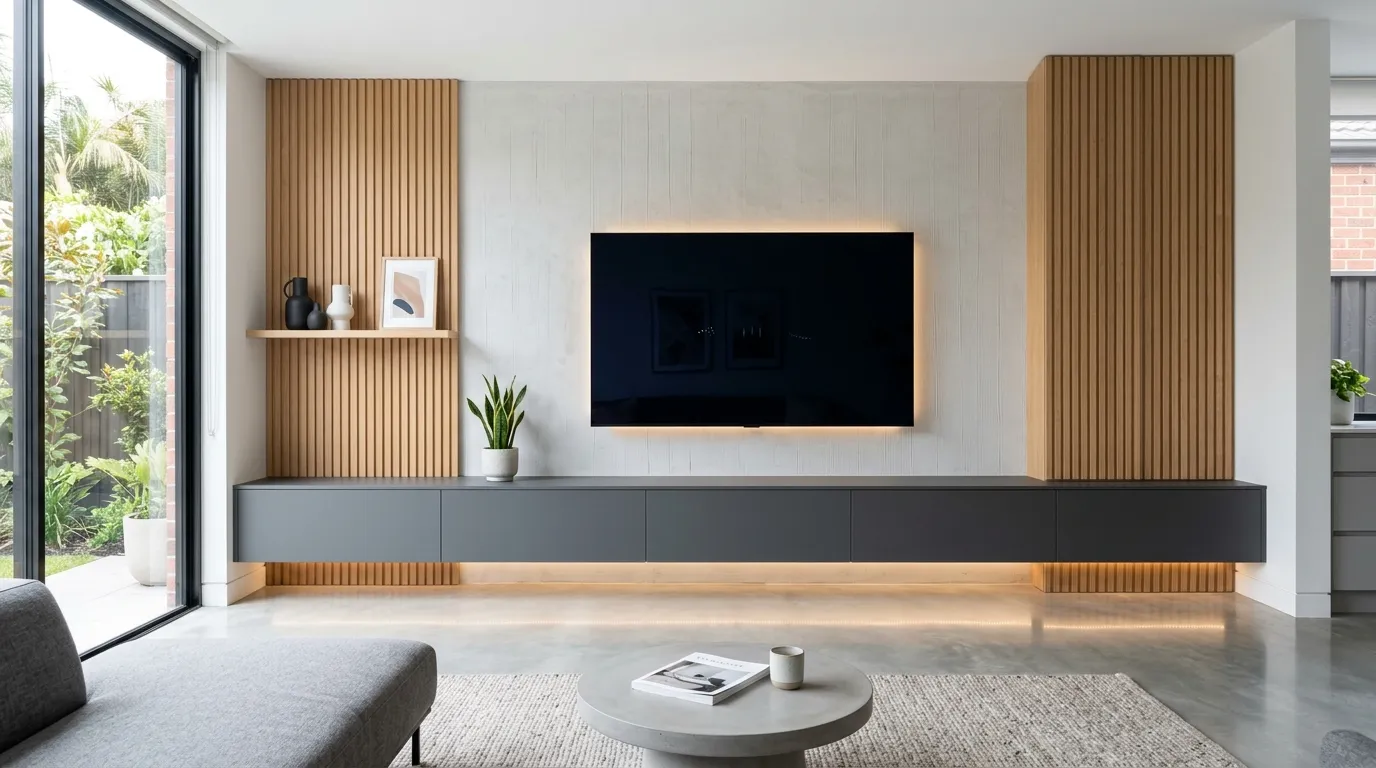
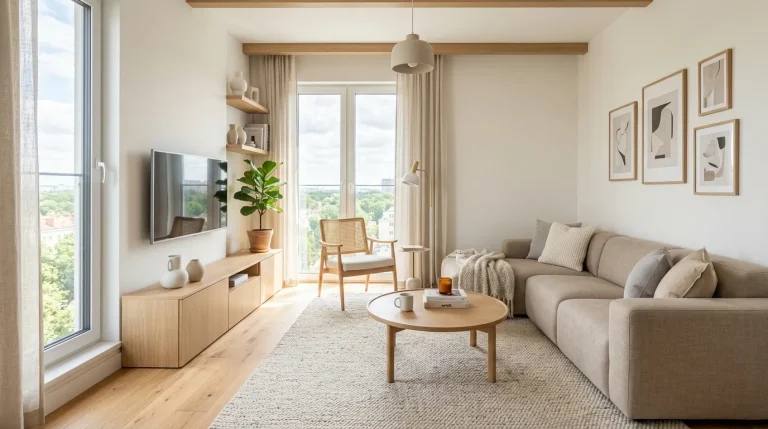
A thoughtfully designed media wall instantly gives the room a polished appearance while making everyday entertainment more enjoyable. Floating cabinets hide gaming consoles, streaming devices, and accessories, allowing the entire wall to feel streamlined. That’s why many designers recommend built-in storage whenever possible. Hidden cable management also removes visual distractions, helping the television blend naturally into the overall design instead of dominating the entire room with exposed wires and equipment.
Instead of placing furniture wherever space allows, designing the entertainment area first creates better balance across the room. Comfortable viewing angles, layered lighting, and practical storage all work together to improve everyday use. Soft LED lighting behind the television reduces harsh screen contrast while creating a relaxing atmosphere during evening movie nights. Small details like these often make the room feel more luxurious without requiring a major renovation or an oversized decorating budget.
3. Game Corner
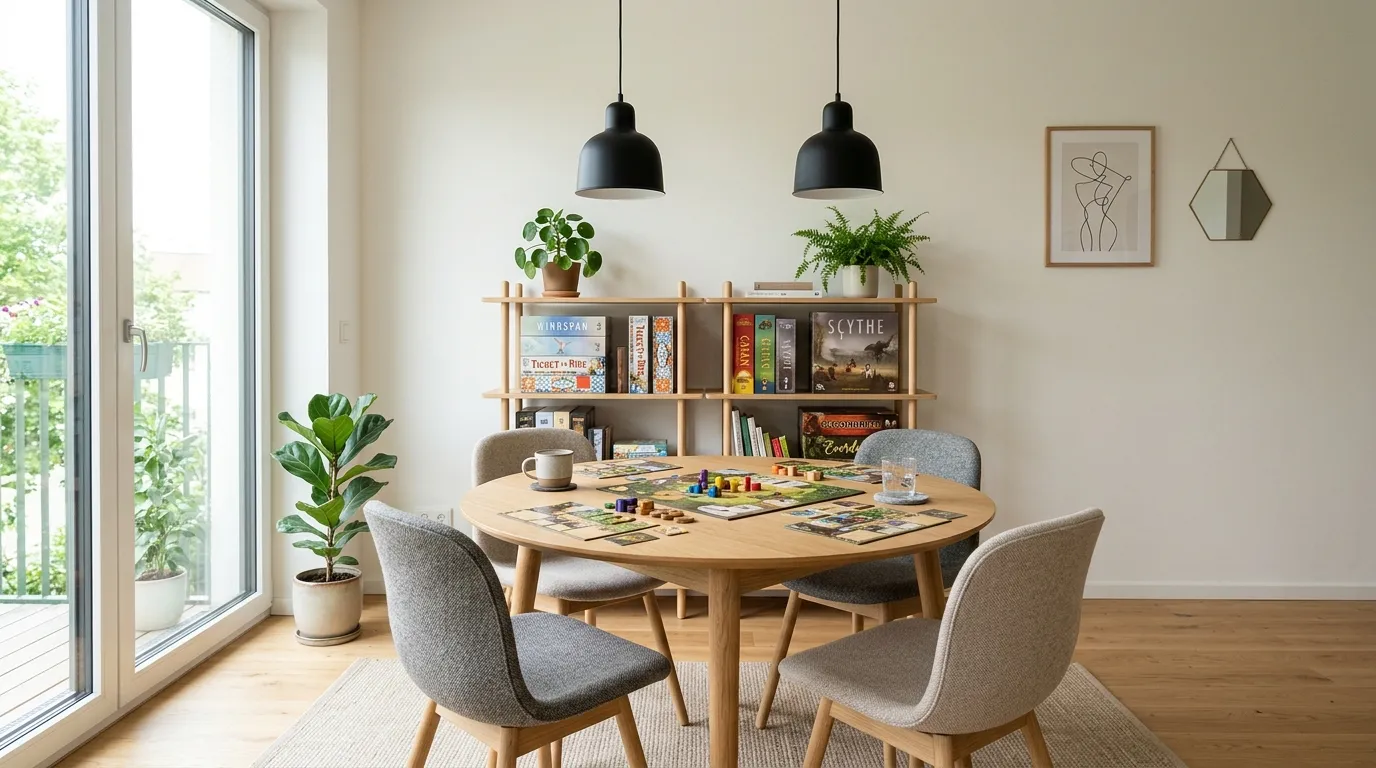
A dedicated game area transforms an ordinary room into a destination where family and friends genuinely want to spend time together. Even a compact table with comfortable seating can support board games, puzzles, card games, or creative hobbies. In my experience, having a permanent activity space encourages people to use it more often because everything stays organized and ready. Open shelving keeps favorite games within easy reach while adding color and personality to otherwise simple walls.
Designing separate activity zones helps larger rooms feel intentional instead of empty. A game corner naturally balances areas used for television, reading, or relaxing while encouraging meaningful conversations. Comfortable lighting above the table improves visibility without overwhelming the room, and durable furniture stands up well to everyday use. The result is a flexible gathering space that adapts to changing interests while remaining stylish enough for daily living.
4. Reading Nook
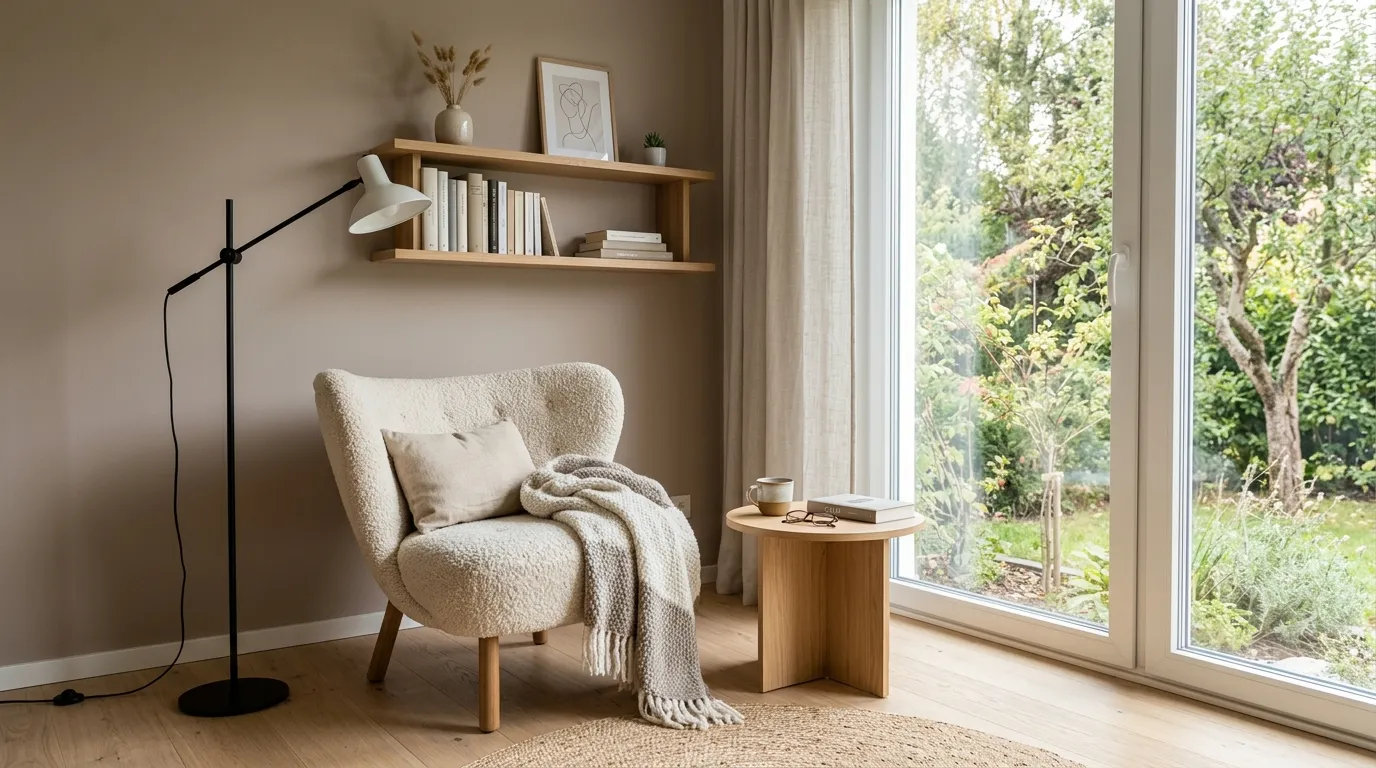
A quiet reading corner brings balance to a space that may otherwise revolve around entertainment. A comfortable chair, supportive lighting, and a nearby bookshelf create an inviting spot for relaxing with a favorite book or simply enjoying a few peaceful moments. I’ve noticed that even busy households appreciate having one calm area where someone can unwind without leaving the room. Soft fabrics and neutral colors help the corner feel cozy while blending naturally with the rest of the design.
Even a small unused corner can become one of the most-loved features in the home when designed thoughtfully. Layering a plush throw, textured cushion, and simple side table adds comfort without making the area feel crowded. Positioning the chair near natural light improves daytime reading while creating an airy atmosphere. This simple addition gives the room greater versatility by supporting both energetic family activities and quiet personal downtime.
5. Built-In Storage
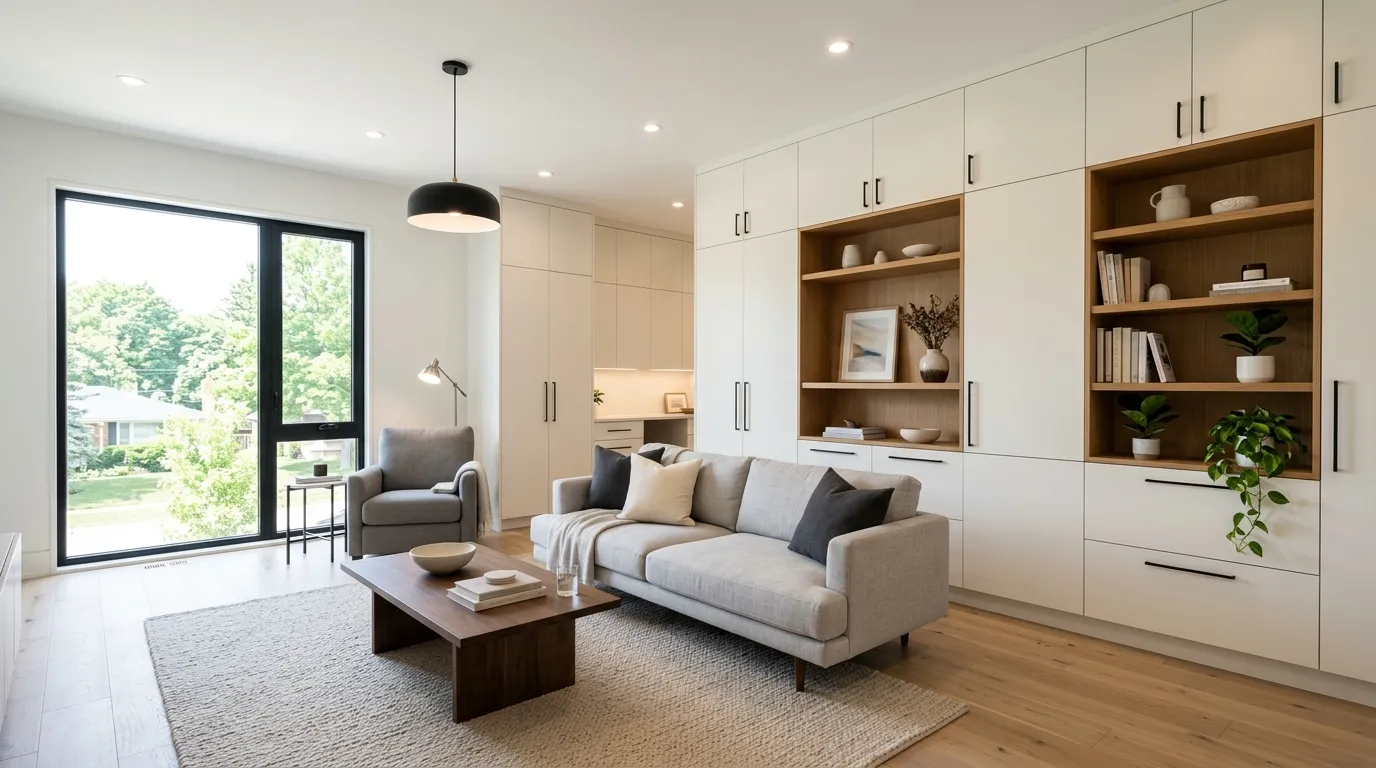
Storage often determines whether a room stays beautiful over time or slowly fills with clutter. Built-in cabinetry creates designated places for games, electronics, blankets, books, and seasonal decorations while maintaining a clean appearance. That’s why many designers recommend combining closed cabinets with open shelving for the best visual balance. Hidden storage reduces distractions and allows decorative items to stand out without making shelves appear overcrowded.
Organized spaces naturally feel more relaxing because everything has a permanent home. I’ve seen this work well in many homes where simple storage upgrades dramatically improved how often a family actually used the room. Floor-to-ceiling cabinetry also makes ceilings appear taller while maximizing vertical space that might otherwise go unused. Choosing simple finishes keeps the design timeless and allows decorative accessories to evolve as personal style changes.
6. Flexible Workspace
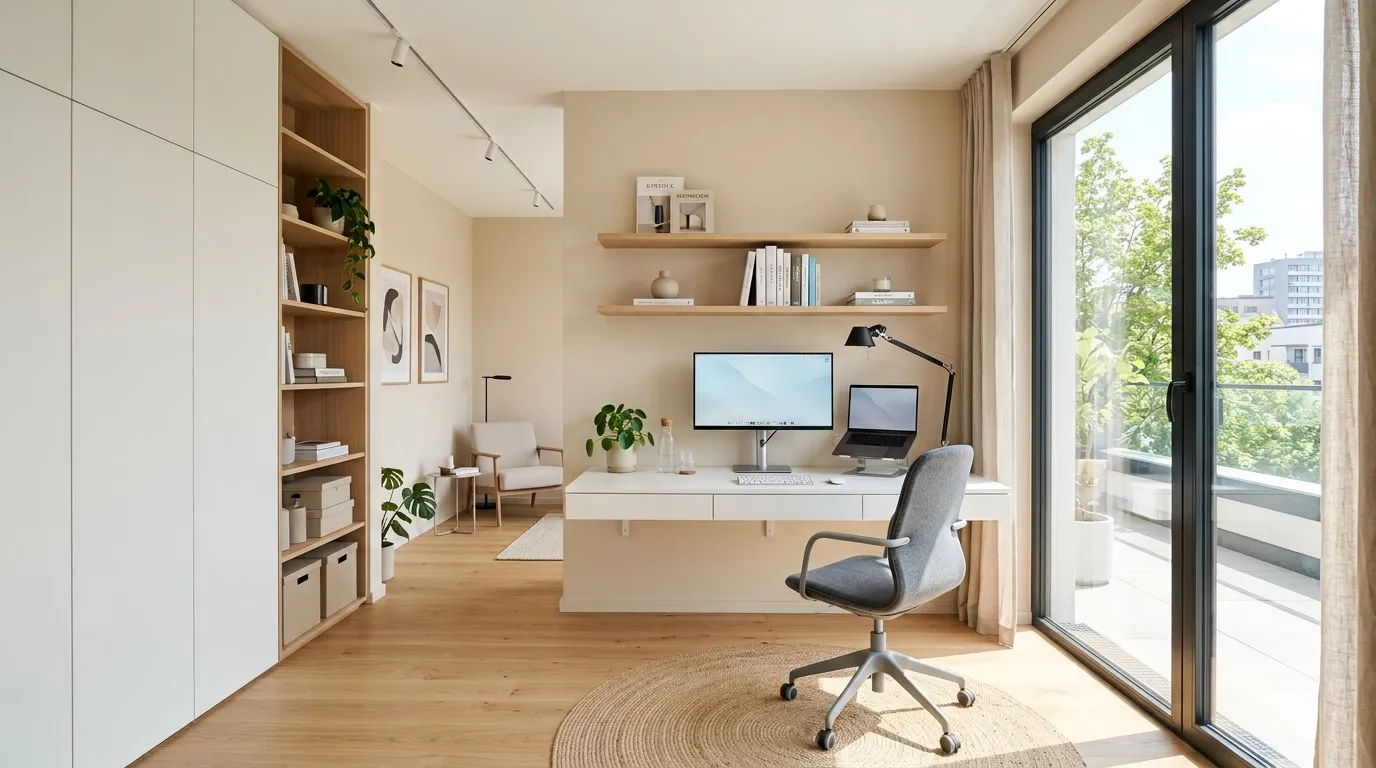
A flexible workspace allows the room to serve multiple purposes without sacrificing comfort or style. A compact desk, supportive chair, and practical shelving create an efficient area for remote work, studying, or creative hobbies. In my experience, separating work supplies into one organized zone helps maintain better focus while preventing the rest of the room from feeling cluttered. Keeping the design simple ensures the workspace blends naturally into the overall layout instead of standing out.
Modern homes often need rooms that can adapt throughout the day, making versatility one of the smartest design choices. A workspace that doubles as a crafting station or homework area gives every family member additional flexibility without requiring extra square footage. Natural light improves productivity while minimalist storage keeps everyday essentials within easy reach. The result is a practical space that supports both busy weekdays and relaxing weekends without compromising the room’s inviting atmosphere.
7. Snack Station
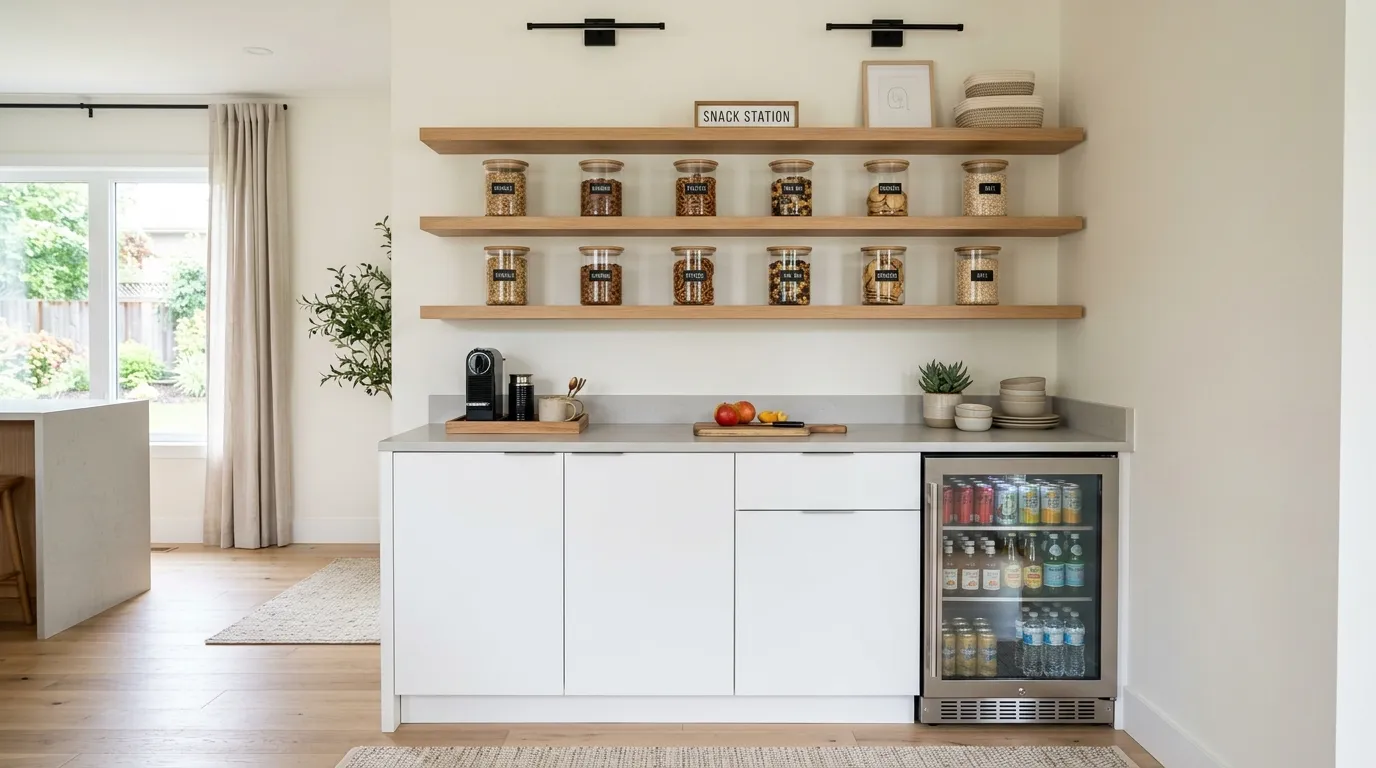
A dedicated snack station makes entertaining far more enjoyable because everything needed for movie nights or game days stays within easy reach. A compact beverage refrigerator, organized shelves, and a durable countertop provide enough space for drinks, popcorn, and everyday treats. I’ve noticed that even a simple refreshment area encourages people to stay together longer instead of constantly leaving the room. Keeping everything neatly organized also helps the space maintain its clean, stylish appearance.
The best snack stations are designed with simplicity in mind rather than oversized cabinetry. Open shelves display attractive containers while closed storage hides supplies that don’t need to stay visible. Soft lighting beneath shelving adds warmth during evening gatherings without overwhelming the room. These thoughtful details create a practical feature that blends naturally into the overall design while making family time and entertaining guests feel effortless.
If this was helpful, Small Backyard might help too.
8. Accent Lighting
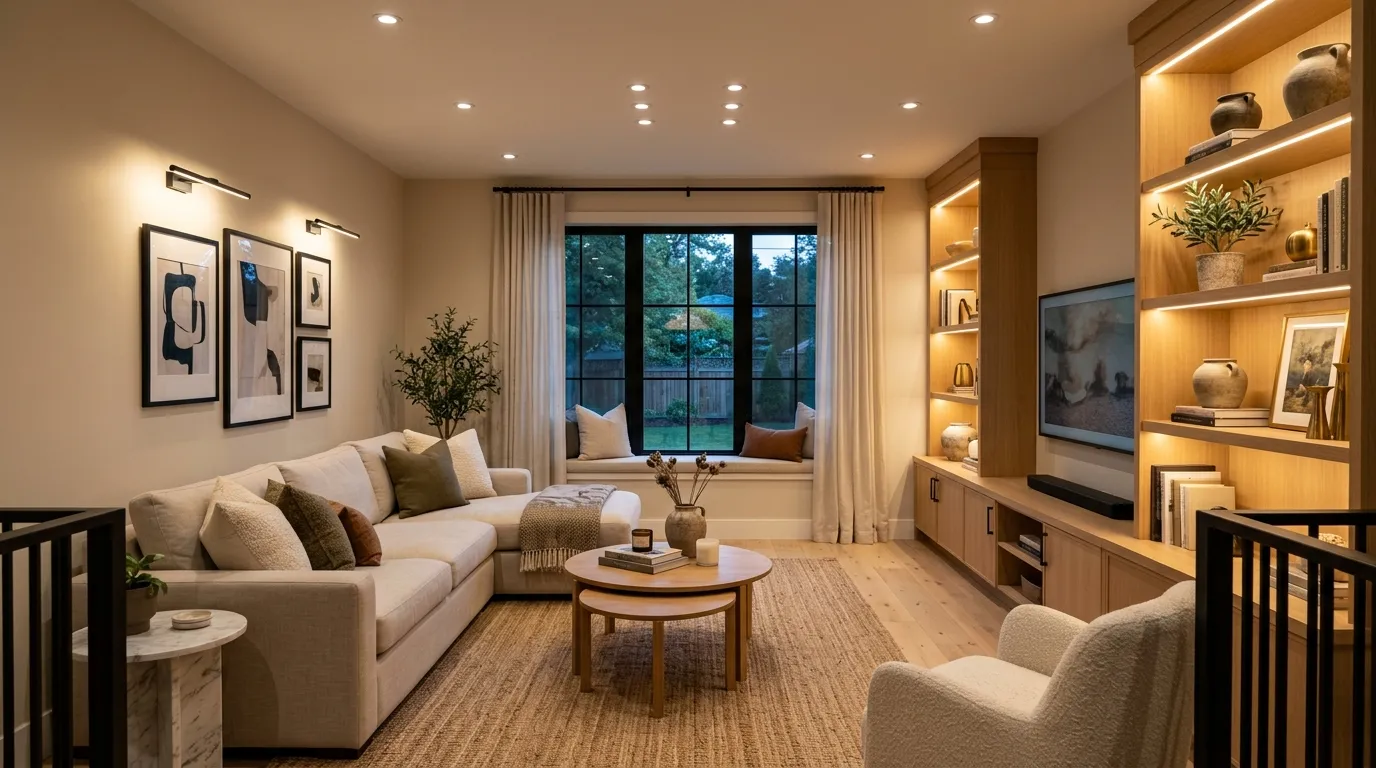
Lighting shapes the mood of a room just as much as furniture and color choices. Layering recessed lights with wall sconces and hidden LED strips creates depth while allowing different brightness levels throughout the day. That’s why many designers recommend combining several light sources instead of relying on one overhead fixture. Soft ambient lighting also reduces harsh shadows, making the entire room feel more inviting for relaxing, reading, or entertaining guests.
One of the easiest upgrades you can make is improving how light moves through the space. Warm lighting enhances wood textures, soft fabrics, and neutral finishes while giving everything a more refined appearance. I’ve seen this work well in many homes where better lighting completely transformed an ordinary room without changing the furniture. Adjustable lighting also allows the atmosphere to shift easily between productive afternoons and cozy evenings.
9. Statement Rug
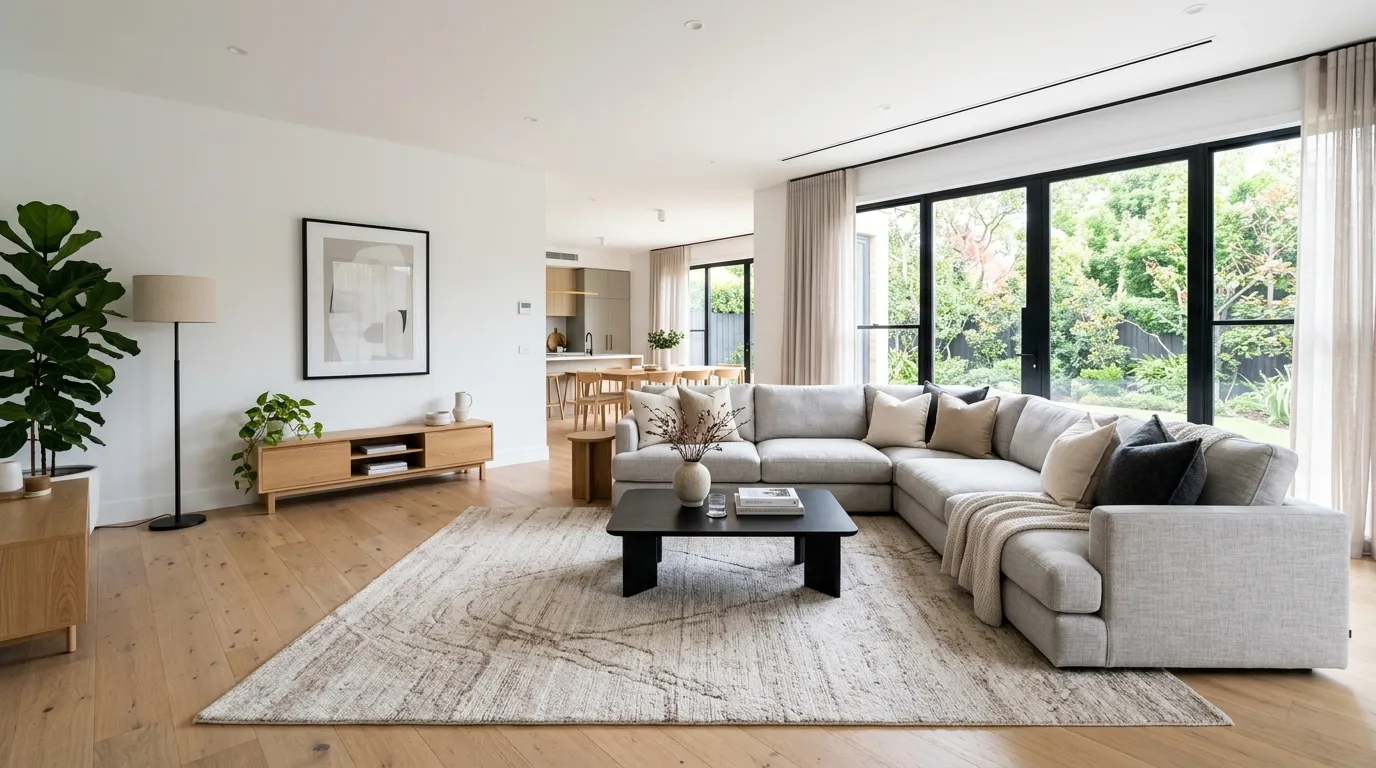
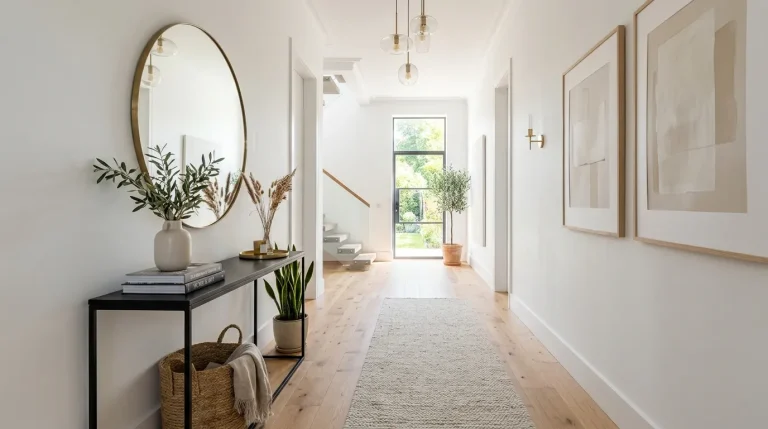
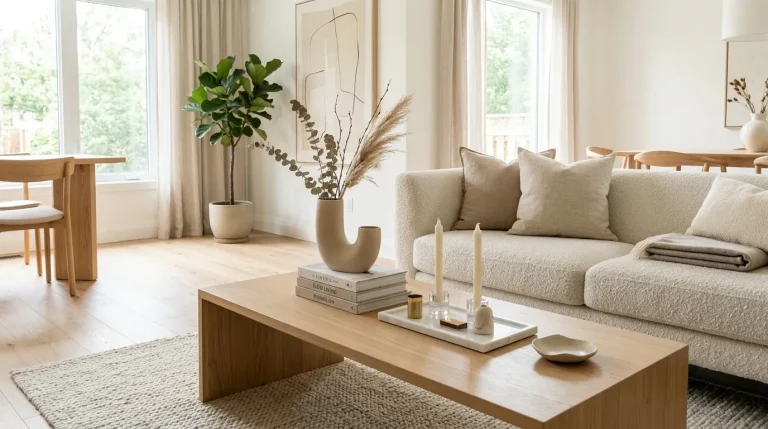
A large area rug instantly helps separate activity zones while making the room feel warmer and more comfortable. Choosing a generously sized rug allows all major furniture pieces to connect visually, creating a balanced and intentional layout. In my experience, this simple upgrade often makes the biggest difference because it anchors the entire seating arrangement. Neutral textures also complement changing seasonal decor, making future updates much easier.
Beyond comfort, rugs absorb sound and reduce echoes, helping shared spaces feel quieter during conversations or movie nights. Soft woven textures add depth without competing with surrounding furniture or decorative accents. Selecting durable, easy-to-clean materials ensures the rug continues looking fresh despite everyday family use. This practical investment improves both the appearance and functionality of the room while maintaining the clean, modern aesthetic that works well for years.
Conclusion:
Your home deserves a space that brings people together, encourages everyday comfort, and adapts to whatever life brings next. From cozy seating and smart storage to flexible activity zones and layered lighting, these ideas show how small design decisions can create a space that feels both beautiful and functional.
I’ve seen how thoughtful updates like these can completely transform a room without requiring a full renovation. Save these ideas on Pinterest for future inspiration, try the ones that fit your home best, and share this guide with friends or family looking to create a stylish bonus room everyone will love.
Elira Montclair
Elira writes about timeless home decor, kitchen styling, and practical interior ideas. Her work blends warm, inviting aesthetics with simple decorating tips that make everyday spaces feel beautiful and comfortable.