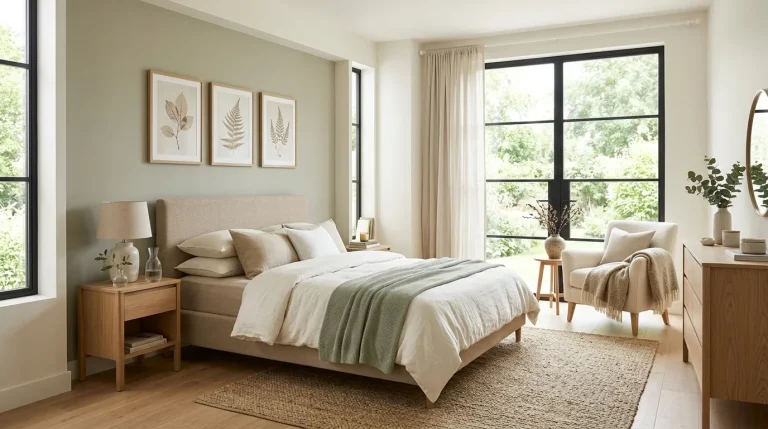
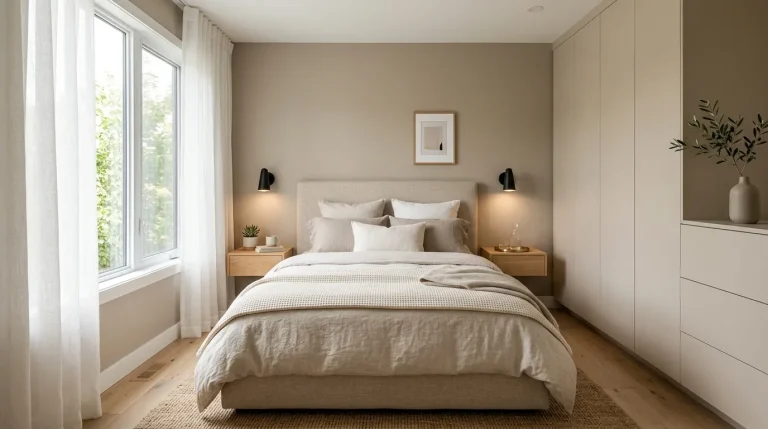
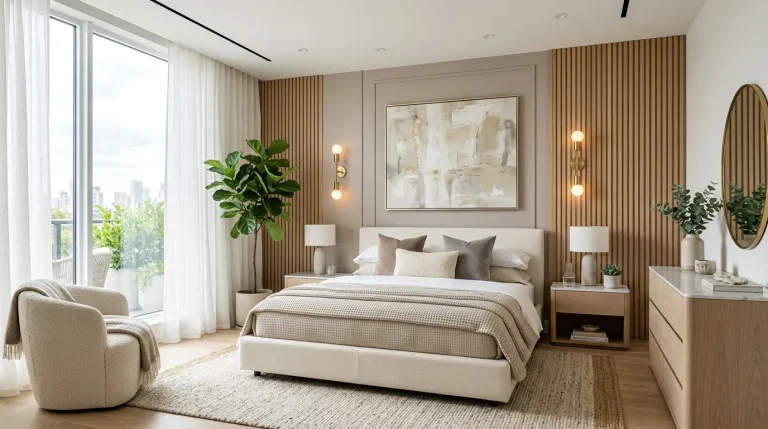
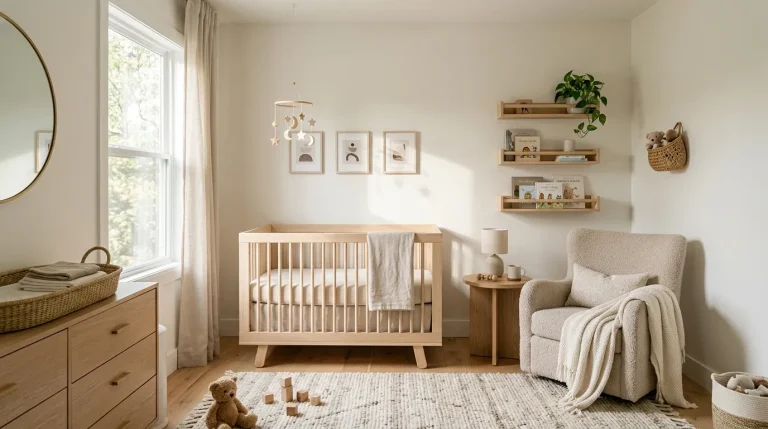
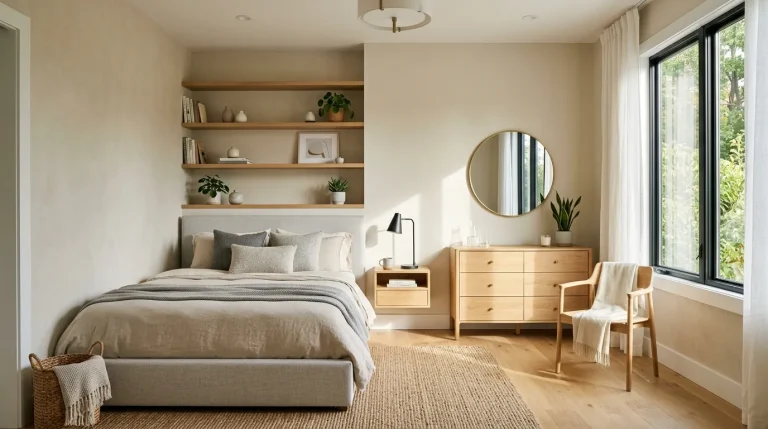
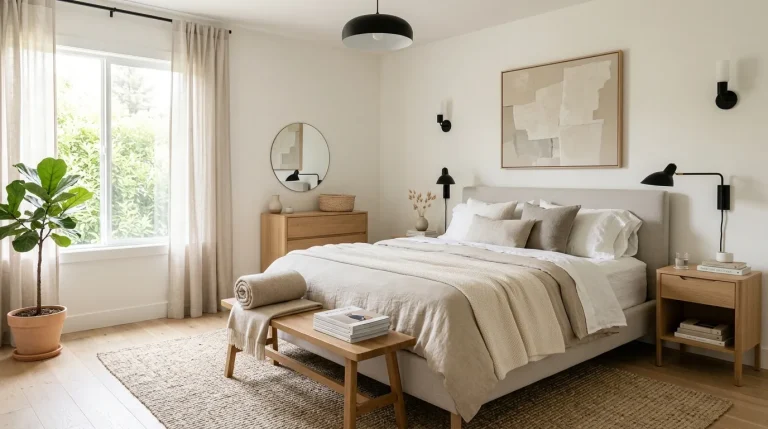
Modern Bedroom Aesthetic How to Create a Calm Luxury Bedroom

Introduction:
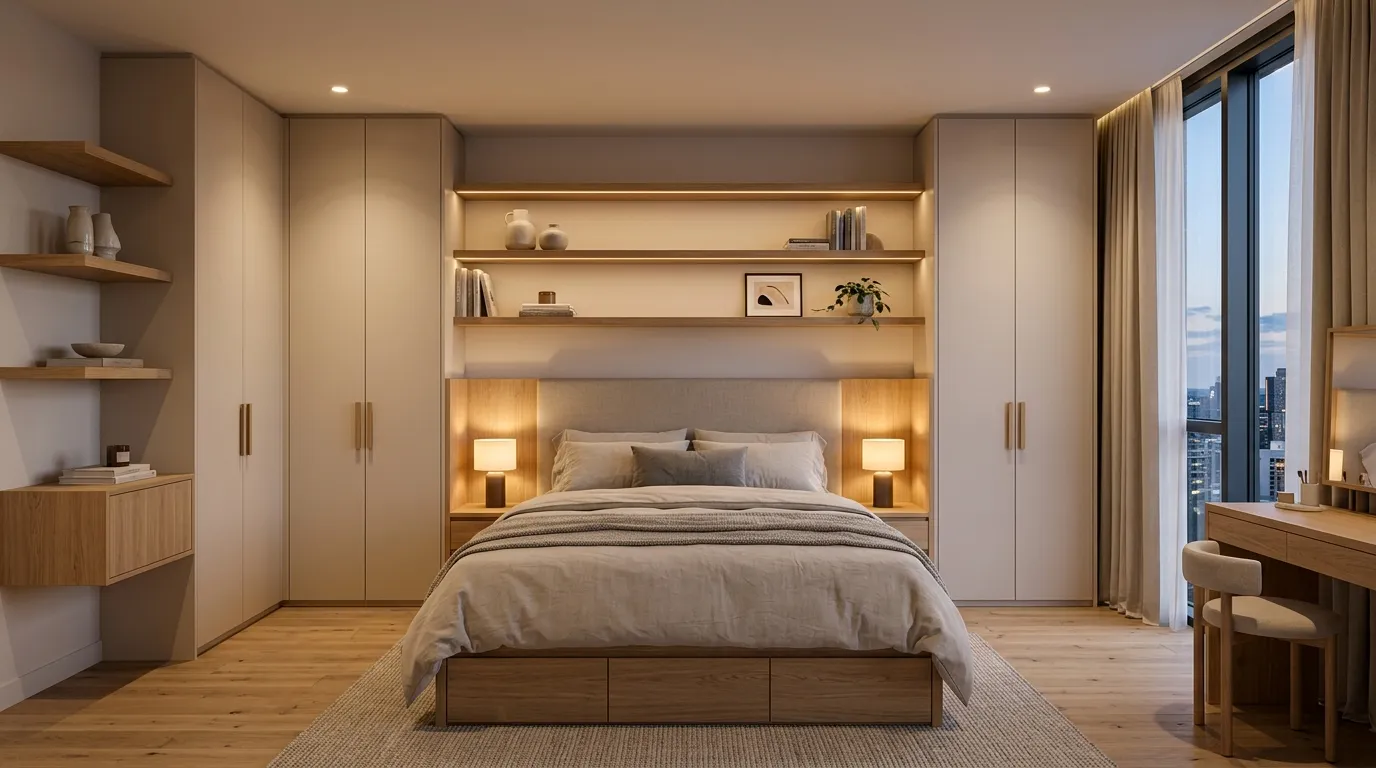
A modern bedroom aesthetic is about much more than following design trends. It is the art of creating a space that feels peaceful, balanced, and effortlessly luxurious while supporting your everyday comfort. Whether you’re decorating a new bedroom or refreshing an existing one, understanding the principles behind thoughtful design helps you make choices that remain beautiful for years instead of months.
This guide explores the essential elements that shape a calm and refined bedroom, from furniture placement and lighting to color palettes, textures, storage, and styling. Rather than focusing on expensive purchases, you’ll learn how intentional design decisions can transform the overall atmosphere of your room.
In my experience, the most inviting bedrooms are rarely the ones filled with the most décor. Instead, they combine practical functionality with carefully selected materials, harmonious colors, and meaningful details that reflect the people who live there. I’ve also noticed that even small changes, such as improving lighting or simplifying furniture arrangements, can dramatically influence how relaxing a space feels.
By the end of this article, you’ll have a deeper understanding of how every design element works together to create a bedroom that supports better rest, everyday comfort, and timeless elegance. Whether your style leans minimalist, contemporary, or classic, these principles provide a strong foundation for designing a space you’ll genuinely enjoy spending time in.
Understanding the Principles of a Calm and Luxurious Bedroom
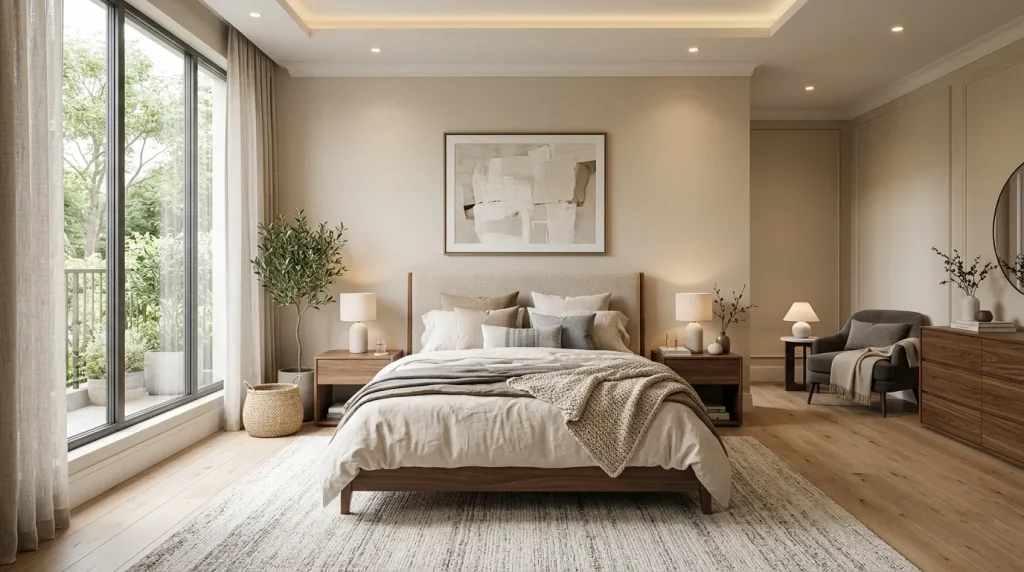
Creating a peaceful retreat begins with understanding that luxury is more about thoughtful design than expensive furnishings. A modern bedroom aesthetic combines simplicity, balance, comfort, and intentional styling to create an environment that feels both elegant and welcoming. Instead of filling every corner with decorative objects, the focus remains on selecting meaningful pieces that work together harmoniously. Research shows that visually organized spaces often contribute to reduced stress and improved relaxation, making careful design choices valuable for both appearance and everyday well-being.
The most successful bedrooms blend visual appeal with practical comfort. Clean architectural lines, carefully selected materials, and consistent color relationships help establish a relaxing atmosphere without making the room feel empty. In my experience, people often achieve better results by editing unnecessary décor rather than continually adding new accessories. Soft fabrics, natural textures, and balanced proportions encourage the eye to rest comfortably, creating an inviting space that supports quality sleep while maintaining a polished, sophisticated appearance suitable for everyday living.
Choosing Materials That Enhance Comfort and Sophistication
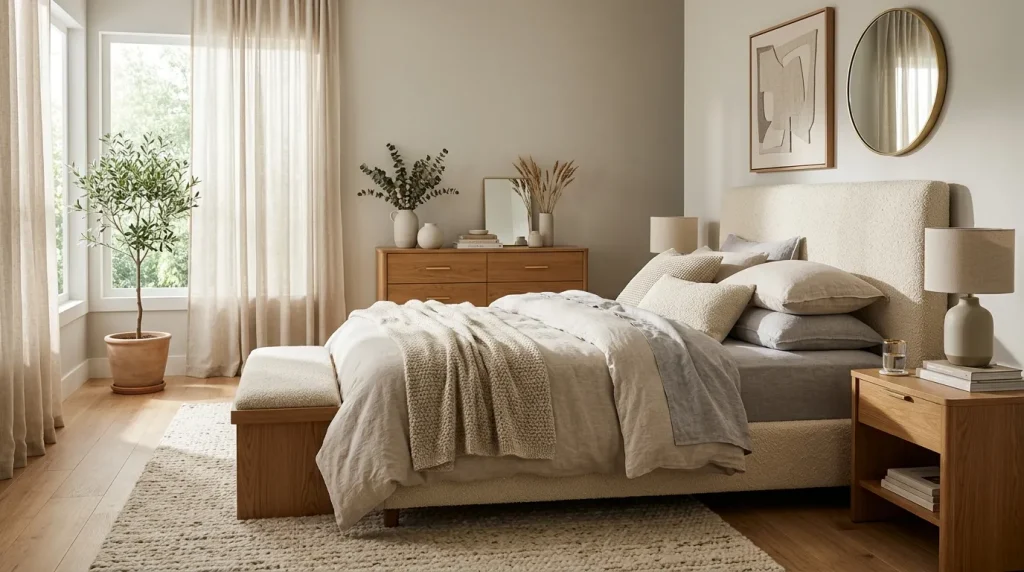
The materials used throughout a bedroom have a lasting impact on both visual appeal and everyday comfort. While color establishes the overall mood, textures determine how inviting the space feels. Natural fibers such as linen, cotton, wool, and solid wood introduce warmth that balances the clean lines often found in contemporary interiors. Research shows that combining varied textures creates greater visual depth without adding unnecessary clutter, allowing a room to feel richer while maintaining a calm and organized appearance suitable for daily living.
Instead of choosing every surface from the same finish or fabric, designers often layer complementary materials to create subtle contrast. A smooth wooden nightstand beside soft upholstered bedding or a woven rug beneath sleek furniture adds interest without overwhelming the room. I’ve observed that people frequently appreciate these tactile differences more over time than bold decorative trends. Durable, high-quality materials also age gracefully, making them practical investments that continue supporting comfort, functionality, and timeless style for many years.
How Lighting Shapes Atmosphere Throughout the Day
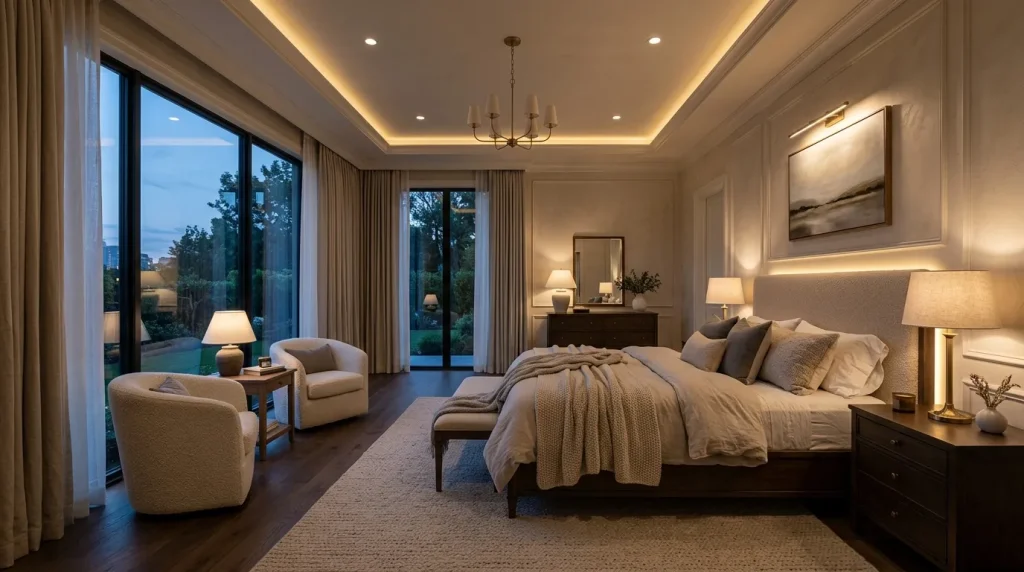
Lighting influences every aspect of how a bedroom looks and feels, often more than homeowners initially expect. Natural daylight highlights colors accurately during the morning, while carefully selected artificial lighting creates warmth after sunset. Rather than depending on one bright ceiling fixture, layered illumination allows different activities to feel comfortable throughout the day. Studies have found that adjustable lighting supports relaxation because it enables people to gradually transition from active daytime routines into restful evening environments with less visual strain.
A successful lighting plan combines ambient, task, and accent lighting to serve multiple purposes without creating harsh contrasts. Bedside lamps encourage comfortable reading, indirect lighting softens architectural details, and dimmable fixtures provide flexibility as natural light changes. In my experience, warmer light temperatures usually create a more restful atmosphere than cooler white bulbs in sleeping areas. Paying attention to light placement also minimizes unwanted shadows, making the room feel brighter, larger, and more welcoming without excessive brightness.
Selecting Furniture That Blends Style and Function
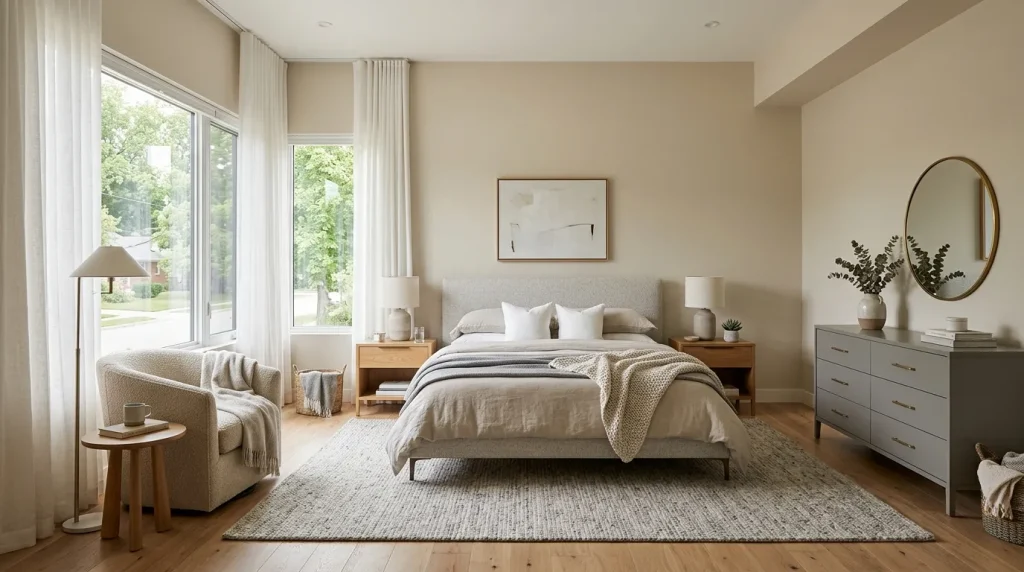
Beautiful furniture should do more than look attractive; it should support daily routines with comfort and efficiency. Selecting well-proportioned pieces ensures the room feels balanced instead of overcrowded or underfurnished. A thoughtfully chosen bed, supportive seating, and practical storage often provide greater long-term satisfaction than following rapidly changing design trends. Research suggests that functional living environments contribute to lower stress levels because they simplify everyday activities, making furniture selection an important part of creating a restful and enjoyable personal retreat.
Every item should serve a purpose while complementing the room’s overall design direction. Nightstands need enough surface area for essentials, dressers should accommodate storage needs, and seating should remain comfortable rather than purely decorative. In my experience, investing in fewer, higher-quality pieces often produces a more cohesive result than filling the room with inexpensive furniture. Durable craftsmanship, timeless silhouettes, and practical dimensions help ensure the space remains functional and visually appealing as personal needs and decorating preferences naturally evolve.
Using Layered Textiles to Add Warmth and Depth
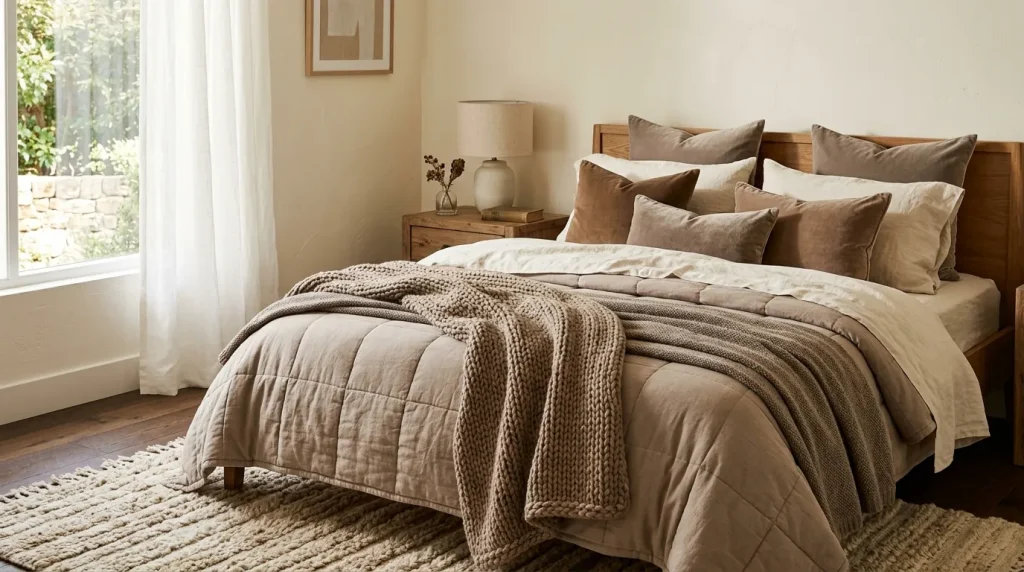
Textiles introduce softness that balances the structured lines commonly found in contemporary interiors. Bedding, rugs, curtains, and decorative cushions work together to make a bedroom feel comfortable while enhancing visual depth. Rather than relying on bold patterns, many designers create interest through subtle differences in texture and fabric weight. Studies have shown that tactile environments often encourage feelings of comfort and security, making layered fabrics an essential component of a relaxing and welcoming bedroom design. If you’re drawn to soft, layered interiors, these grey bedroom ideas demonstrate how texture can add warmth and dimension while keeping a neutral color palette calm and inviting.
Successful layering begins with breathable foundational materials before adding seasonal accents for flexibility and comfort. Crisp cotton sheets, linen duvets, textured blankets, and woven rugs each contribute unique qualities without overwhelming the room. I’ve observed that combining several understated textures creates a richer appearance than using many competing colors or prints. This approach allows homeowners to refresh the room easily by changing a few accessories while preserving a timeless foundation that remains stylish throughout changing trends and seasons.
Designing Storage Solutions That Preserve Visual Harmony
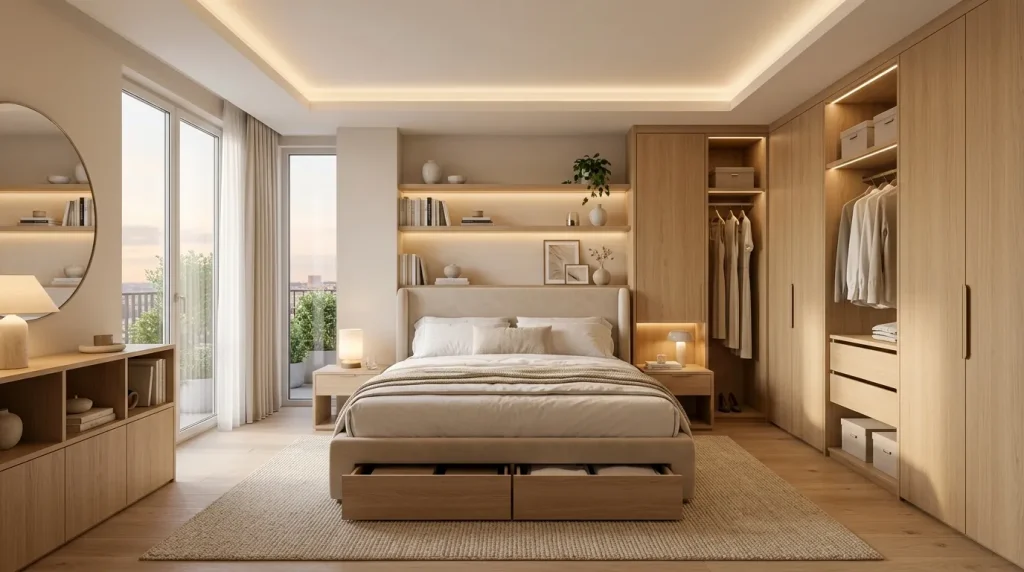
Effective storage supports both organization and relaxation by reducing visual distractions throughout the bedroom. Everyday belongings such as clothing, books, electronics, and personal accessories quickly create clutter when suitable storage is unavailable. Instead of adding more decorative containers, successful designs integrate storage directly into furniture and architectural features whenever possible. Many professionals recommend prioritizing concealed storage because clean, uninterrupted surfaces contribute to a calmer environment that feels easier to maintain over time.
Planning storage begins with understanding daily habits rather than purchasing organizational products immediately. Frequently used items should remain easily accessible, while seasonal belongings can be stored out of sight. In my experience, organizing according to routine makes maintaining order significantly easier than relying on constant tidying. Built-in wardrobes, multifunctional furniture, and thoughtfully divided drawers help maximize available space while preserving the bedroom’s elegant appearance. The result is an interior that feels spacious, efficient, and consistently welcoming every day.
Balancing Minimalism With Personal Character and Warmth
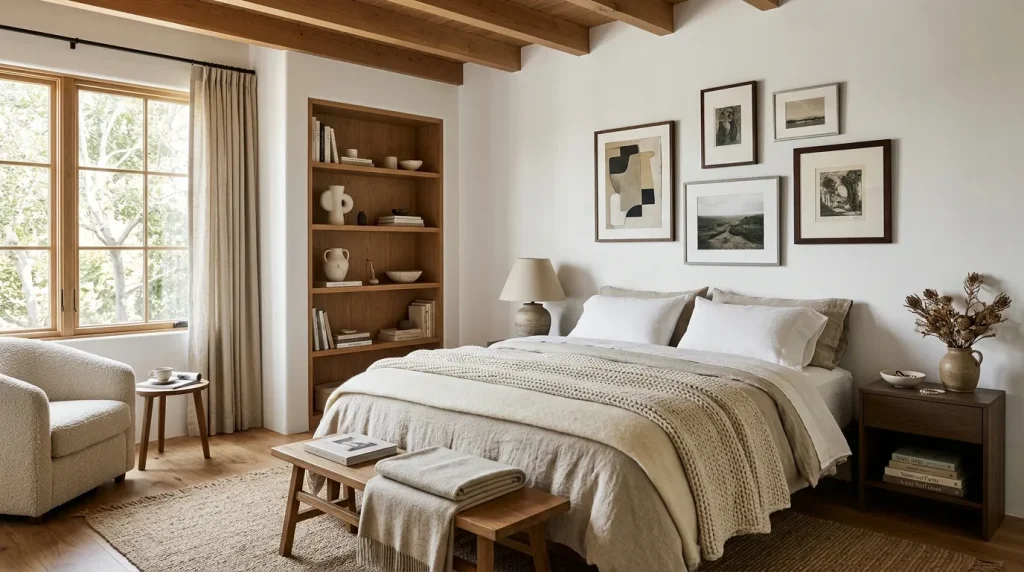
Minimalist design is sometimes misunderstood as removing everything from a room, yet successful interiors retain warmth through thoughtful personal expression. Clean spaces become more inviting when meaningful artwork, treasured keepsakes, or carefully chosen decorative objects reflect the homeowner’s personality. Rather than filling empty areas for the sake of decoration, each addition should contribute purpose and visual balance. Studies have found that personalized environments often strengthen emotional comfort because they encourage familiarity while avoiding unnecessary visual overload.
Creating this balance requires restraint rather than strict rules. A favorite painting, handcrafted pottery, or family photographs displayed intentionally can enrich the room without disrupting its calm atmosphere. I’ve observed that the most memorable interiors rarely depend on expensive furnishings alone; instead, they combine simplicity with carefully selected personal elements that tell a subtle story. This thoughtful approach allows the bedroom to remain elegant, functional, and uniquely individual while preserving the peaceful qualities that encourage everyday relaxation.
Creating a Cohesive Color Palette Throughout the Room
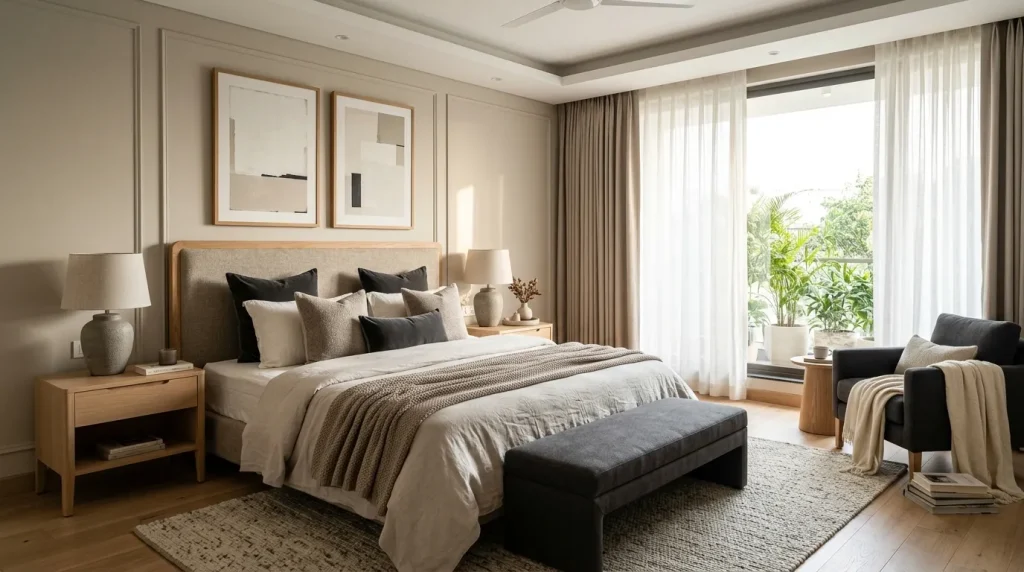
A cohesive color palette helps every element feel intentionally connected instead of randomly assembled. When walls, furniture, textiles, and accessories share complementary tones, the room naturally appears more spacious and refined. Rather than introducing many unrelated colors, designers typically build around a small selection of coordinated shades. This approach creates visual consistency while allowing textures and materials to provide interest, resulting in an interior that feels sophisticated without appearing overly decorated or predictable.
Developing harmony does not require every item to match perfectly. Slight variations in tone often create greater depth than identical colors repeated throughout the room. I’ve noticed that introducing one or two darker accent shades helps define architectural features while preventing neutral spaces from feeling flat. Repeating these accents through lighting, artwork, or decorative accessories subtly ties the design together. Over time, this thoughtful coordination produces a timeless environment that remains visually appealing despite changing seasonal décor or personal preferences.
Bringing Every Design Element Together Successfully
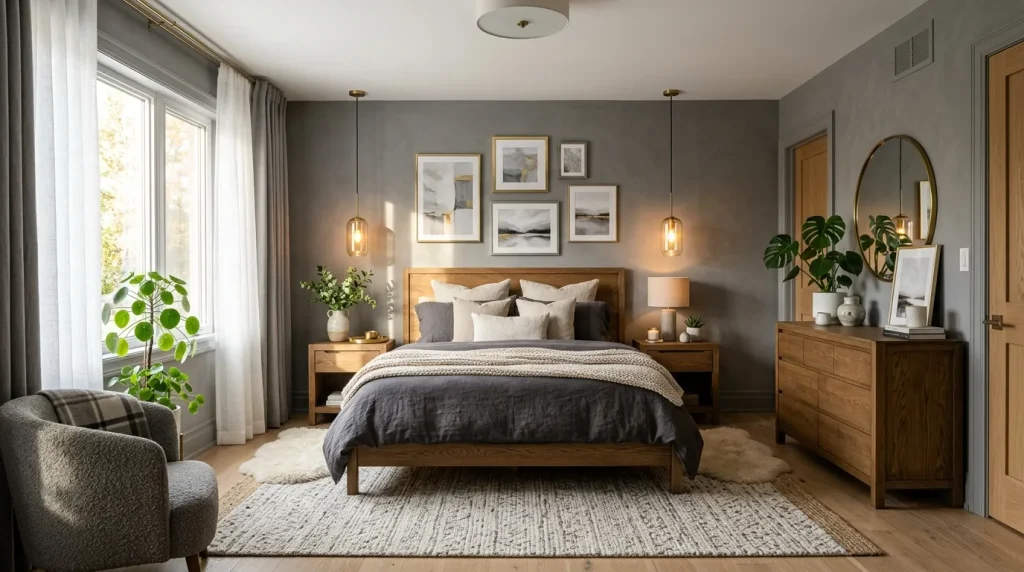
Designing a restful bedroom is ultimately about achieving harmony rather than perfection. Every choice—from layout and lighting to materials, storage, and decorative accents—should support both comfort and daily functionality. When these individual elements complement one another, the room becomes easier to maintain and more enjoyable to use. A thoughtfully planned modern bedroom aesthetic encourages relaxation by reducing unnecessary distractions while creating a space that feels welcoming, practical, and visually balanced for everyday living.
The most successful interiors develop gradually through intentional decisions instead of rushed purchases. Taking time to evaluate how each addition contributes to comfort, organization, and visual unity often leads to better long-term results. In my experience, homeowners are happiest when their bedrooms reflect both personal needs and enduring design principles rather than temporary trends. By applying the concepts explored throughout this guide, anyone can create a peaceful retreat that supports restful living while remaining elegant, functional, and beautifully timeless.
Conclusion:
Creating a beautiful bedroom begins with understanding the purpose behind every design choice. From selecting harmonious colors and quality materials to planning thoughtful layouts and incorporating meaningful décor, each decision contributes to a more comfortable and balanced environment. A well-designed modern bedroom aesthetic is not defined by luxury alone but by how effortlessly it supports everyday living. I’ve seen how applying these timeless principles helps people create spaces that remain inviting for years. Use this guide whenever you plan future updates, apply the ideas at your own pace, and share it with others who want to build a peaceful, elegant bedroom they’ll truly enjoy.
Clara Whitmore
Clara specializes in interior styling, seasonal home trends, and cozy living spaces. She loves combining classic design elements with modern touches to create homes that feel personal, welcoming, and effortlessly stylish.