Home Remodel Trends Ultimate Guide to a More Functional Home

Today’s remodels are less about showy finishes and more about how a home works day to day: better storage, rooms that do more than one job, lower energy bills, and spaces that stay comfortable as a family changes.
This guide covers the main remodel trends and what each one looks like in practice, so it is easier to decide which ones are worth the budget in a specific home.
Table of Contents
Understanding the Shift Toward Functional Home Design
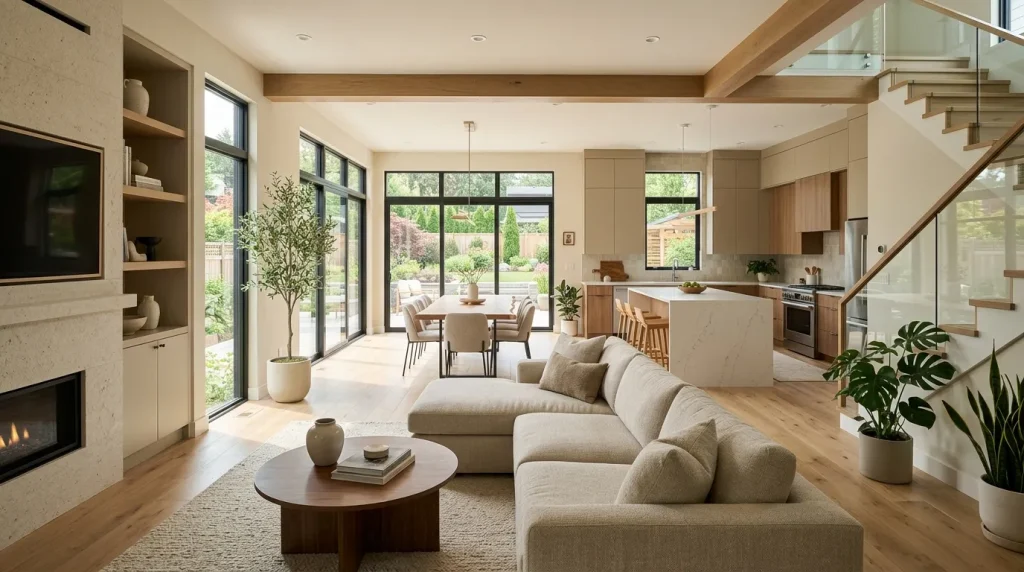
A functional remodel starts with daily routines, not a mood board. Spend a week noting what frustrates the household: where bags and shoes pile up, which cabinets are hard to reach, which rooms are too dark or too cold.
Those notes become the brief. A kitchen redo might focus on a better work triangle and more drawers rather than new cabinet doors, while a living room update might be about lighting and storage instead of new furniture.
How Technology Is Transforming Modern Living Spaces
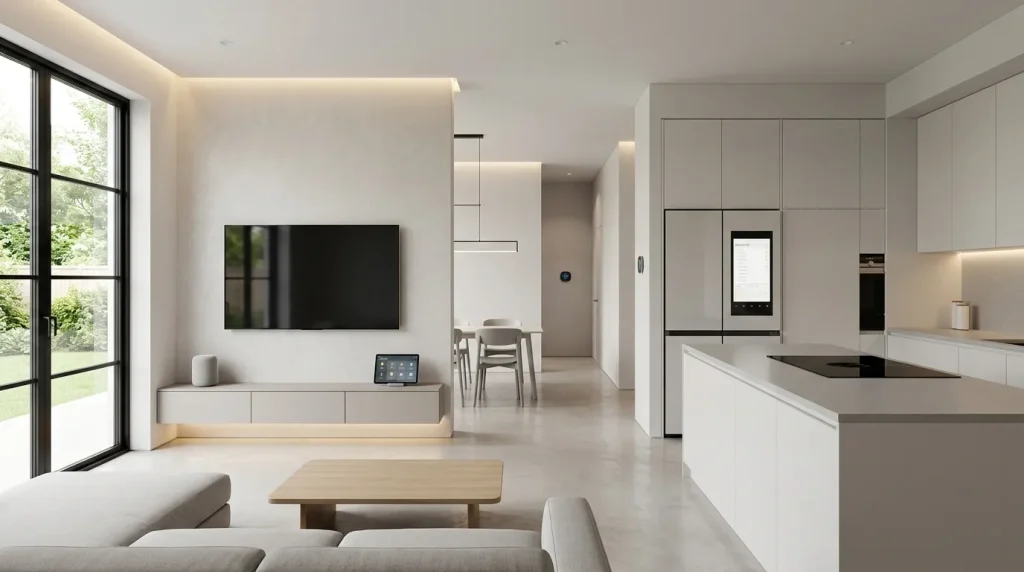
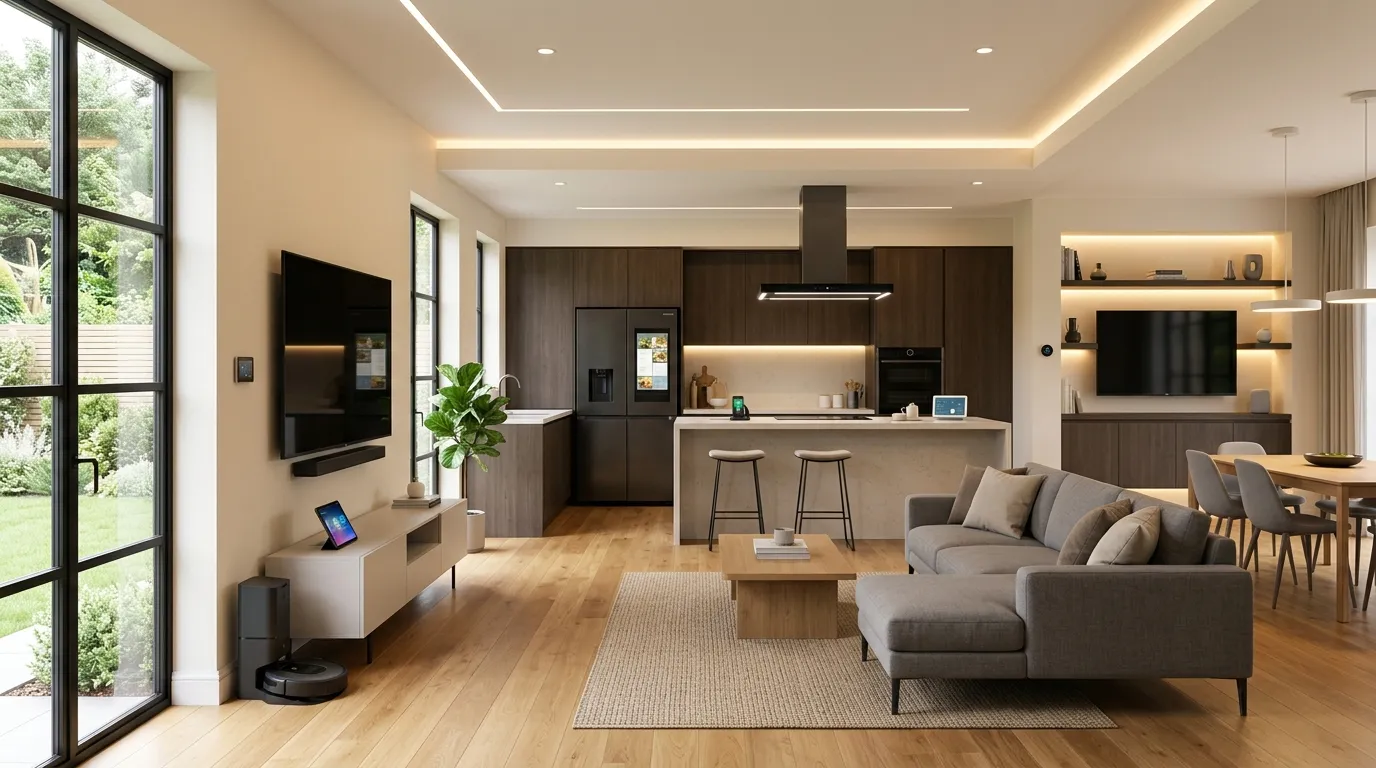
Smart home features are now part of many remodels, but the most useful ones are simple: smart thermostats, lighting on dimmers or app control, video doorbells, and leak sensors under sinks and near the water heater.
Plan wiring during the remodel, since adding extra outlets, USB outlets, a hardwired spot for a router, or network cable is far cheaper while walls are open. Choose devices that work on a common platform so they are easier to manage together.
How Flexible Layouts Improve Everyday Home Function
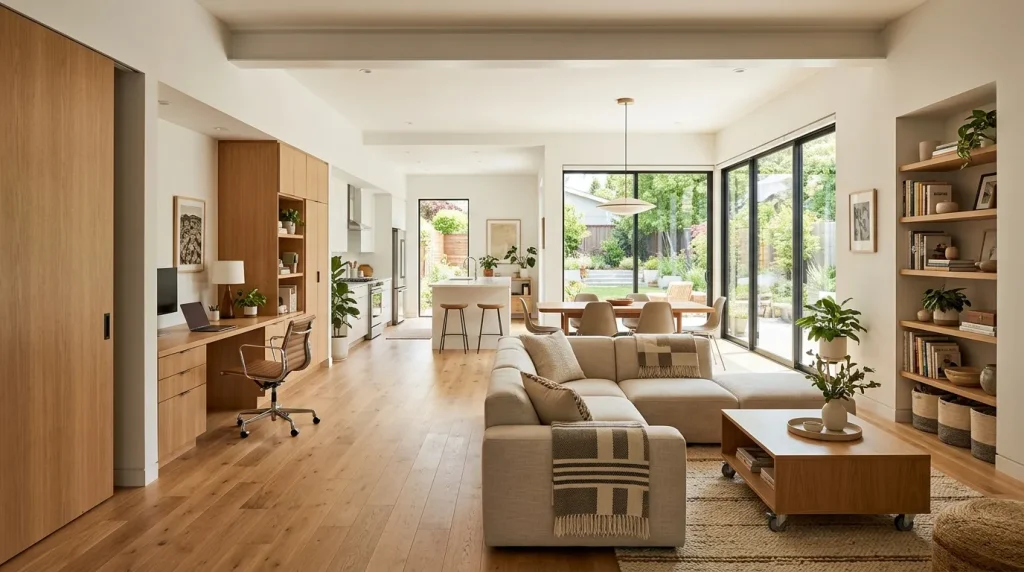
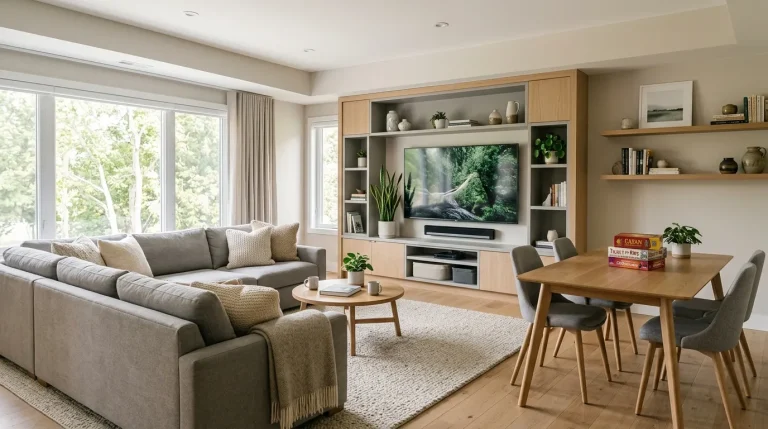
Flexible layouts let rooms change use over time. Instead of knocking down every wall, many remodels use wide openings, pocket or sliding doors, and built-ins to make spaces that can open up or close off.
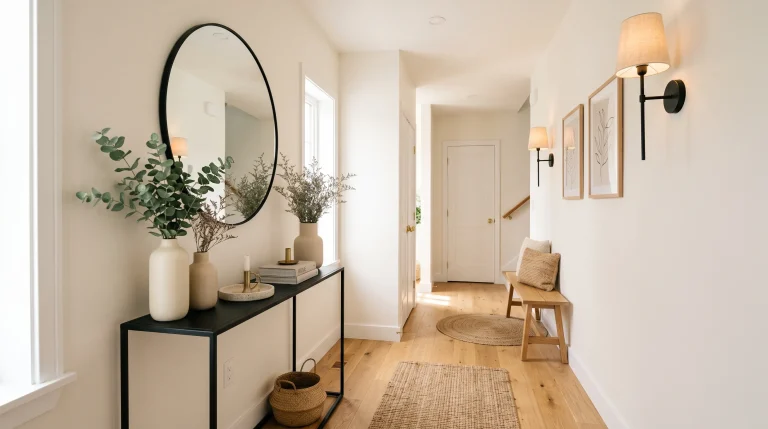
Common examples include a dining room with a built-in desk or buffet, a guest room that doubles as an office, and a mudroom or drop zone carved from a hallway. For workspace setups inside shared rooms, see these home office nook ideas.
Why Energy Efficiency Matters in Residential Improvements
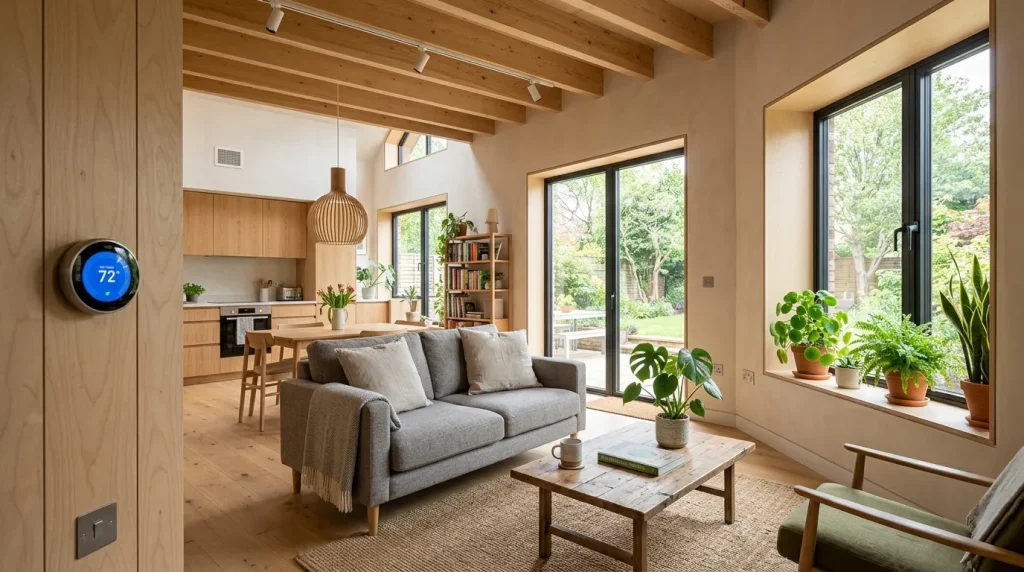
Energy upgrades make a home more comfortable and often lower bills. The usual priorities are sealing air leaks, adding attic insulation, upgrading old windows, and switching to LED lighting.
Bigger projects include heat pumps, efficient water heaters, and solar. Local utilities and governments often offer rebates for these, so check what is available before choosing equipment.
What Smart Storage Solutions Add to Home Design
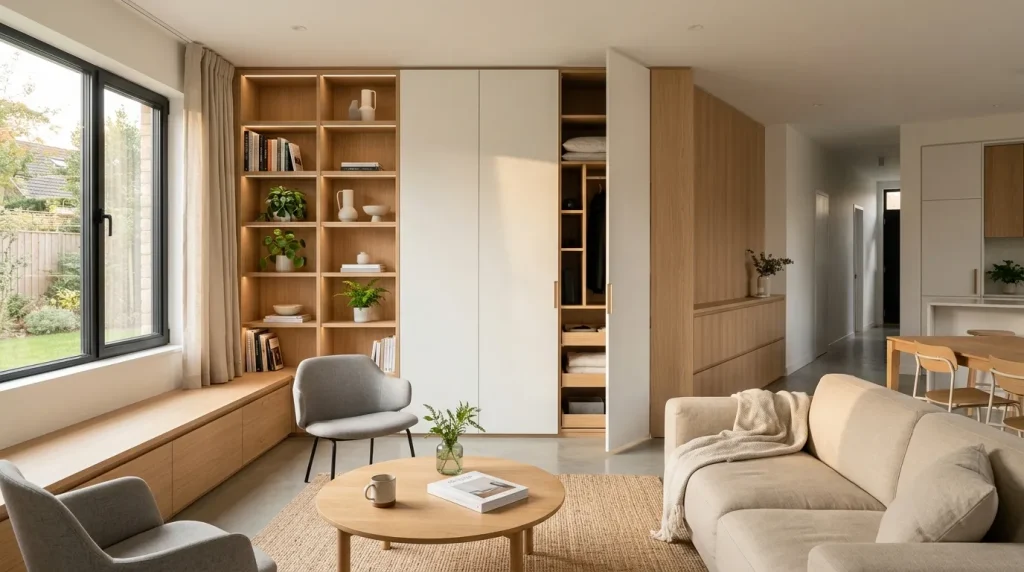
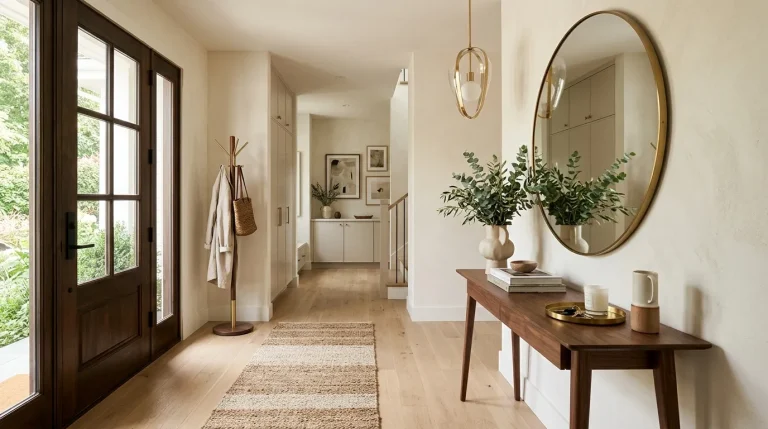
Built-in storage is one of the most requested remodel features because it adds function without adding square footage. Ideas include pull-out pantry shelves, drawer bases instead of lower cabinet doors, under-stair drawers, window seats with storage, and full-height closets.
Plan storage around what actually needs to be stored. Measure items such as small appliances, cleaning tools, and sports gear, and design shelves and drawers to fit them.
Why Aging-Friendly Features Are Becoming More Important
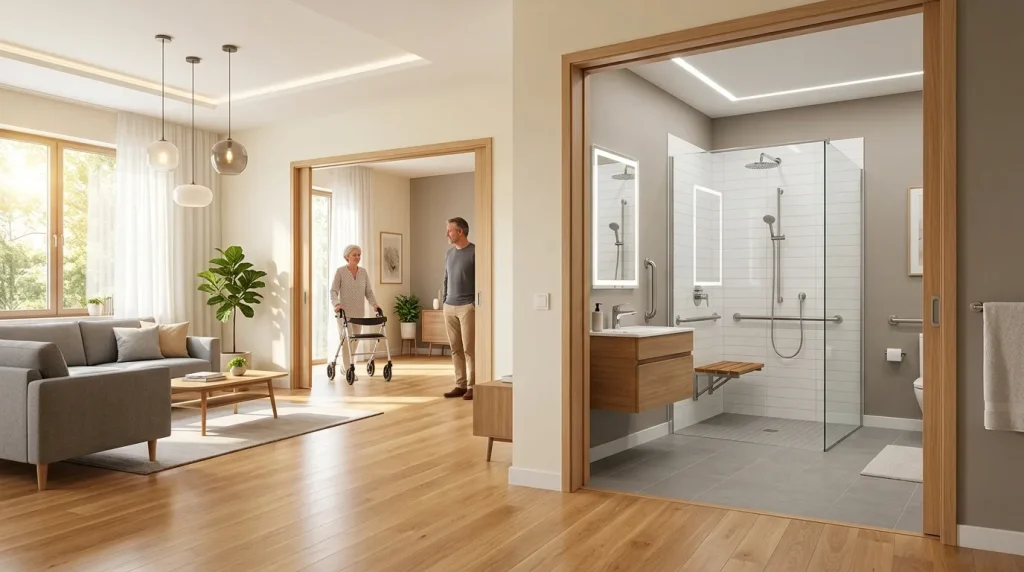
Aging-friendly or universal design makes a home easier for everyone, from small children to older relatives. Features include curbless walk-in showers, grab bars that double as towel bars, lever handles, wider doorways around 36 inches, and good lighting on stairs.
These can look just as stylish as standard fixtures. Adding blocking in bathroom walls during a remodel makes it easy to install grab bars later. The same thinking applies to workspaces, as in this double desk home office guide, where wide walkways keep a shared room comfortable.
What Material Choices Reveal About Long-Term Renovation Quality
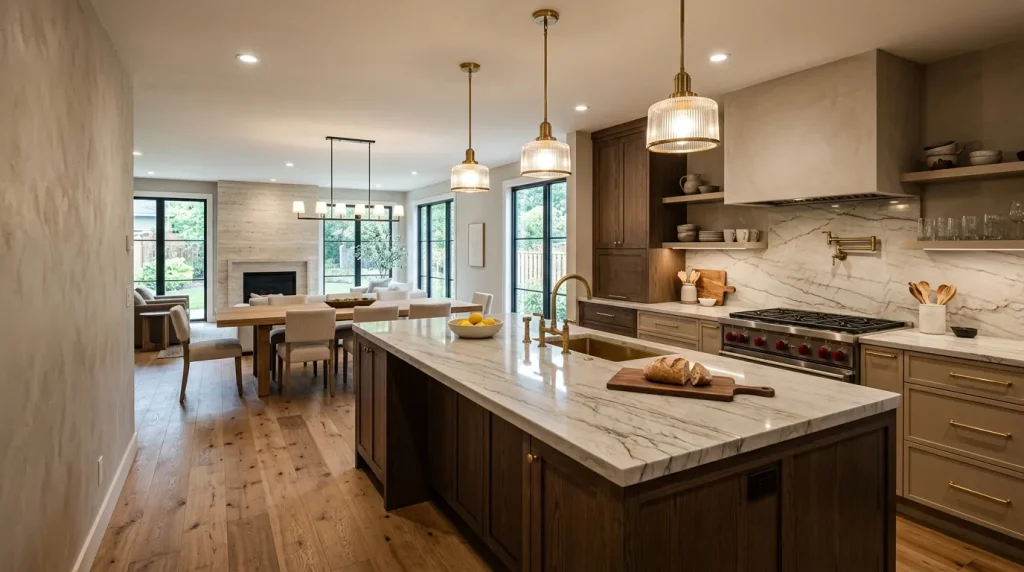
Durable materials are a big part of current remodels. Quartz and porcelain counters, luxury vinyl plank or porcelain tile floors, and washable matte paints stand up to daily wear with little upkeep.
Before choosing a finish, think about moisture, cleaning, and use. Natural stone and solid wood look beautiful but need more care; pick them where they will be appreciated and protected.
How Personalized Technology Creates Smarter Home Experiences
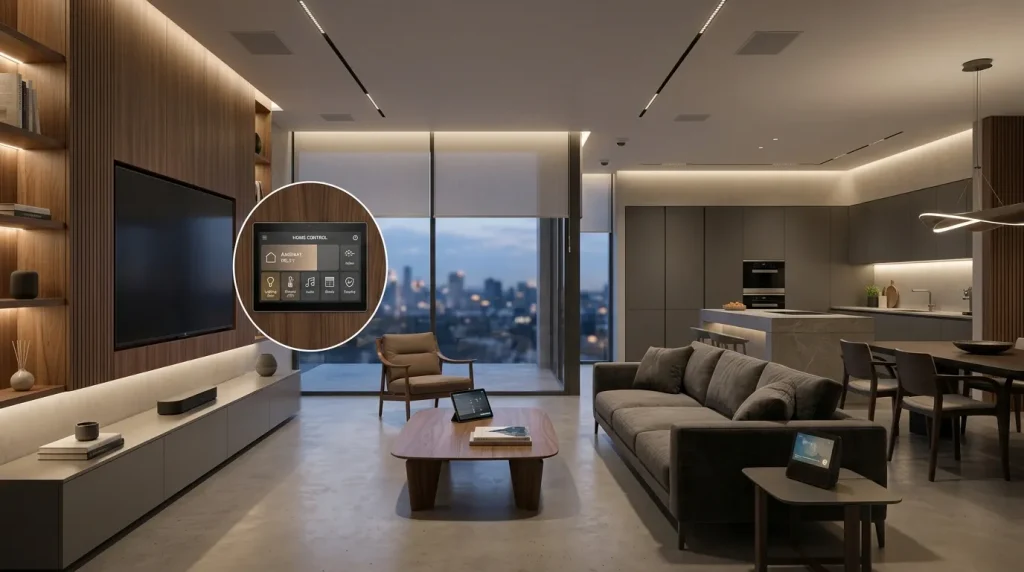
Beyond basic smart devices, more homes now include features tailored to the household: lighting scenes for movie nights, zoned heating for rooms used at different times, and app-controlled blinds for hard-to-reach windows.
Keep the system simple enough for everyone in the home to use. A good test is whether a guest could turn on the lights without help.
Why Multi-Functional Rooms Are Becoming More Popular
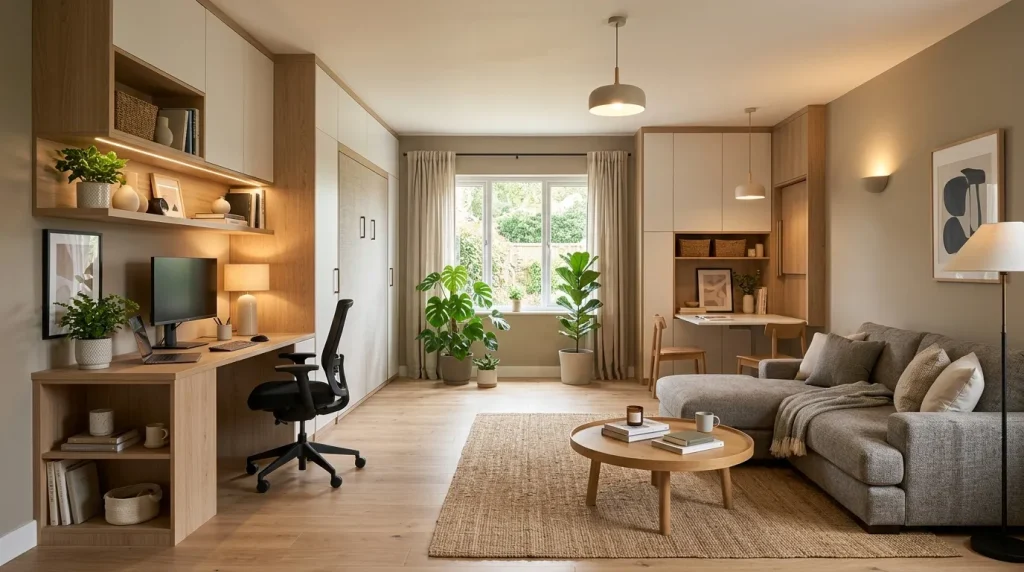
Multi-purpose rooms are a key trend as people work, exercise, and host guests at home. A spare room might combine a Murphy bed, a fold-down desk, and closet storage for hobby supplies.
The key is to give each use its own zone with its own lighting and storage, so switching from one use to another takes minutes rather than a full reset.
Why Thoughtful Remodeling Creates Better Living Experiences
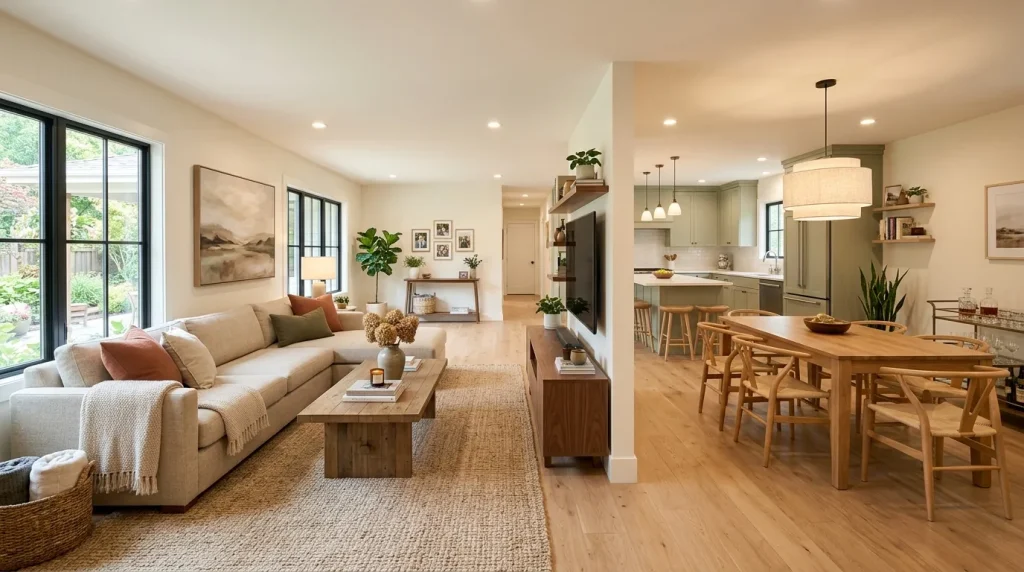
The common thread in today’s trends is practical value. Before choosing any upgrade, ask whether it solves a real daily problem, will last, and can adapt as needs change.
Paint and finishes are the easiest part to update later, so put more of the budget into layout, storage, and systems. For finish ideas, see these 2026 paint color trends.
How to Prioritize a Remodel Budget
A simple order of priorities helps keep money where it matters most.
- 1. Repairs and safety: roof, plumbing, electrical, and any water damage come first.
- 2. Systems and efficiency: insulation, windows, heating and cooling.
- 3. Layout and storage: the changes that affect daily routines.
- 4. Surfaces and fixtures: counters, flooring, tile, and lighting.
- 5. Decor: paint colors, hardware, and accessories, which are easy to change later.
Keep 10 to 20 percent of the budget aside for surprises, since opening walls often reveals problems that were not visible before.
Your Next Step
A good remodel makes daily life easier. Start from the household’s real frustrations, then choose the trends that fix them, from smarter storage to flexible rooms and better efficiency, and leave purely decorative changes for last.
Clara Whitmore
Clara specializes in interior styling, seasonal home trends, and cozy living spaces. She loves combining classic design elements with modern touches to create homes that feel personal, welcoming, and effortlessly stylish.